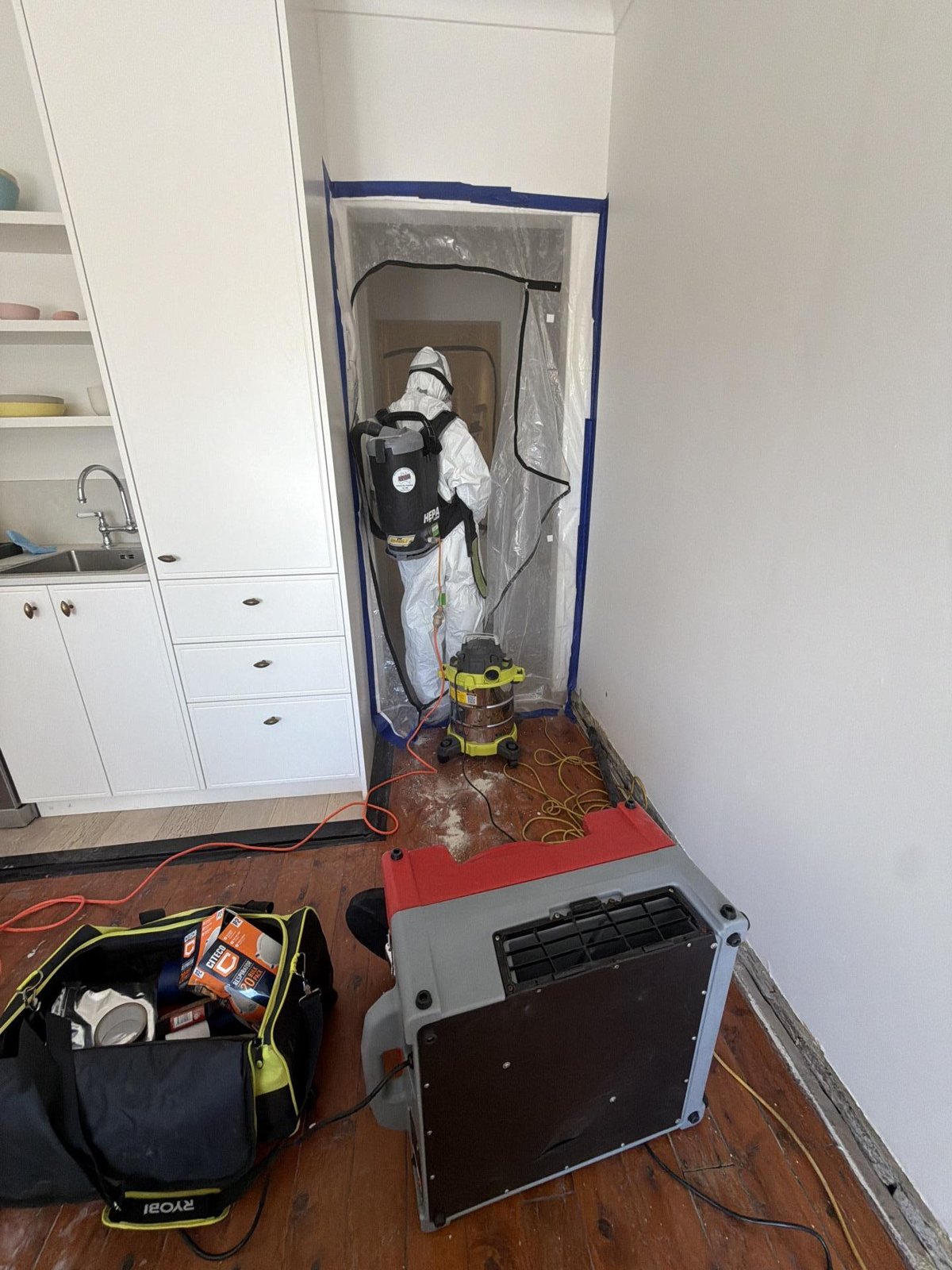
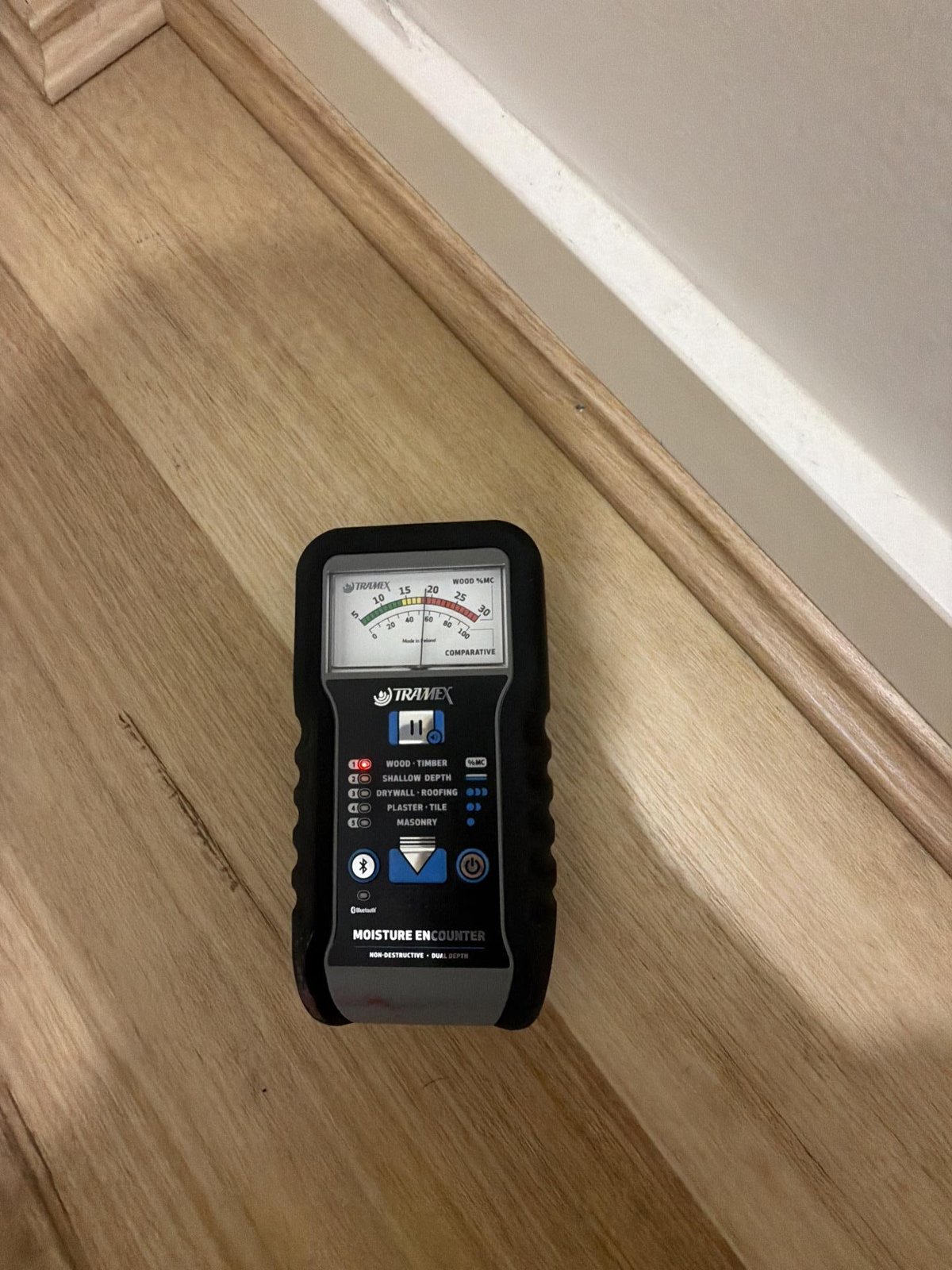
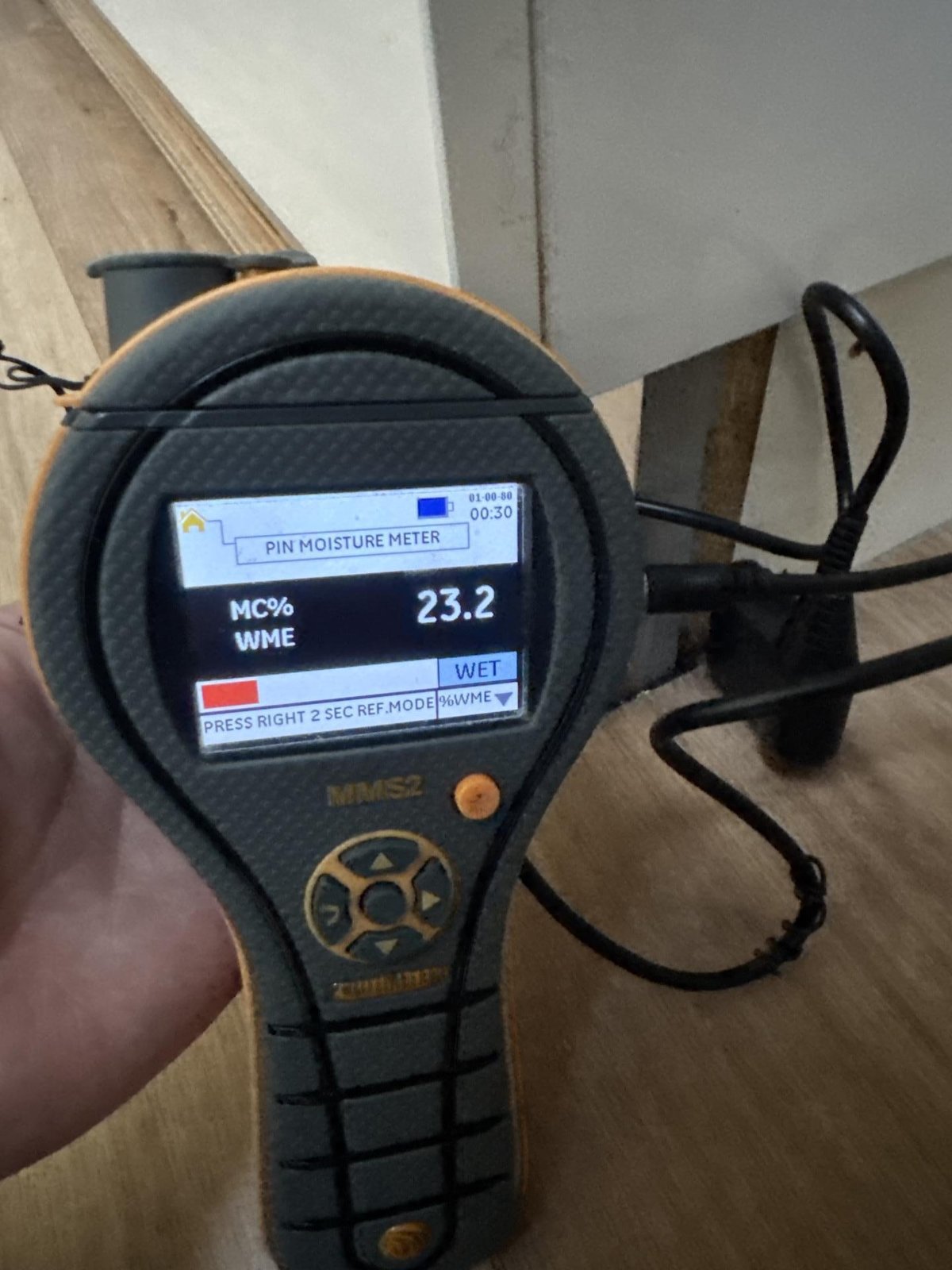
In July 2026 our team completed water damage restoration work in Towradgi NSW 2518. Across the job we documented 17 rooms, recording the condition of each space so the scope and the progress of the work could be tracked clearly from start to finish.
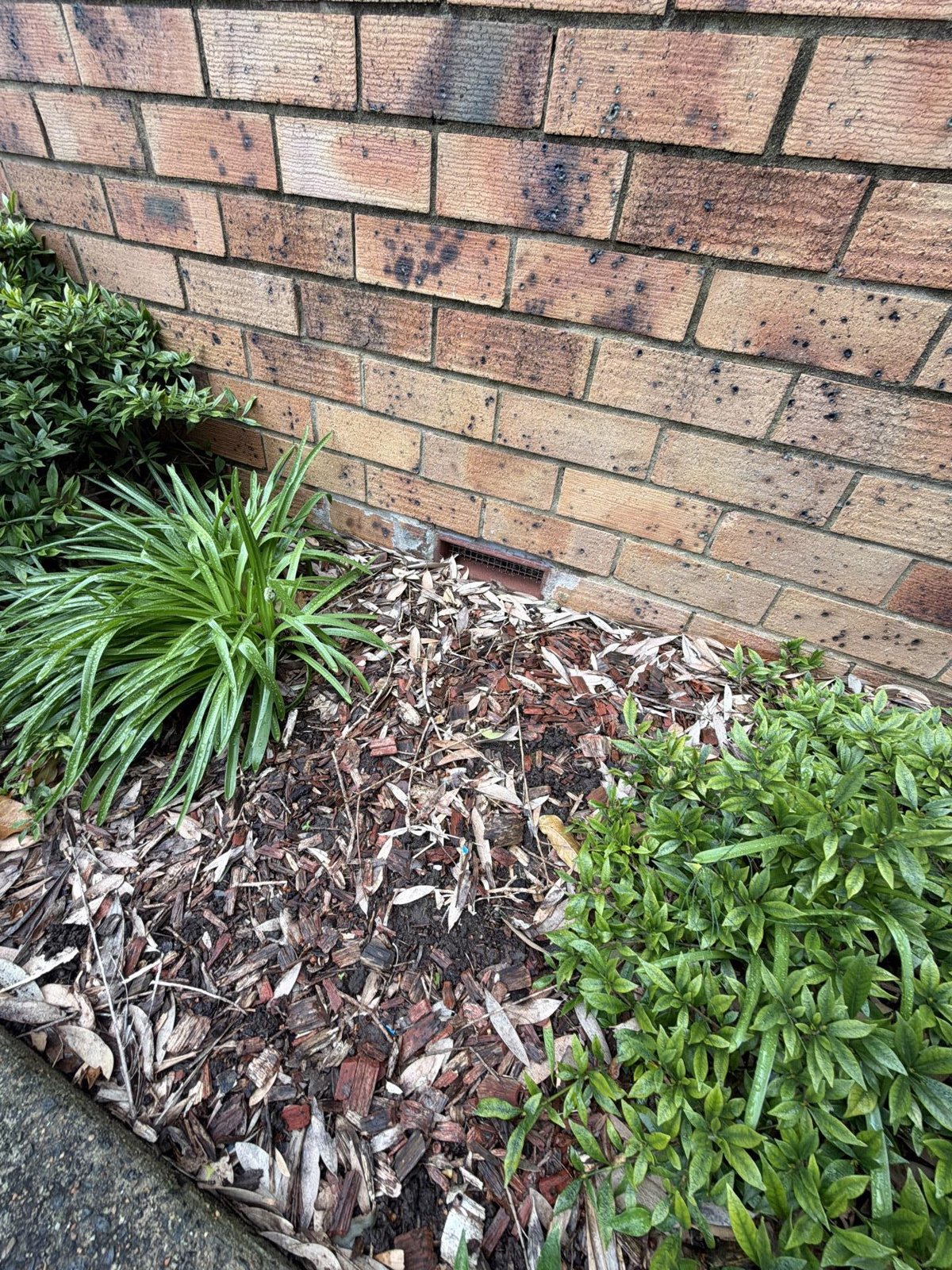
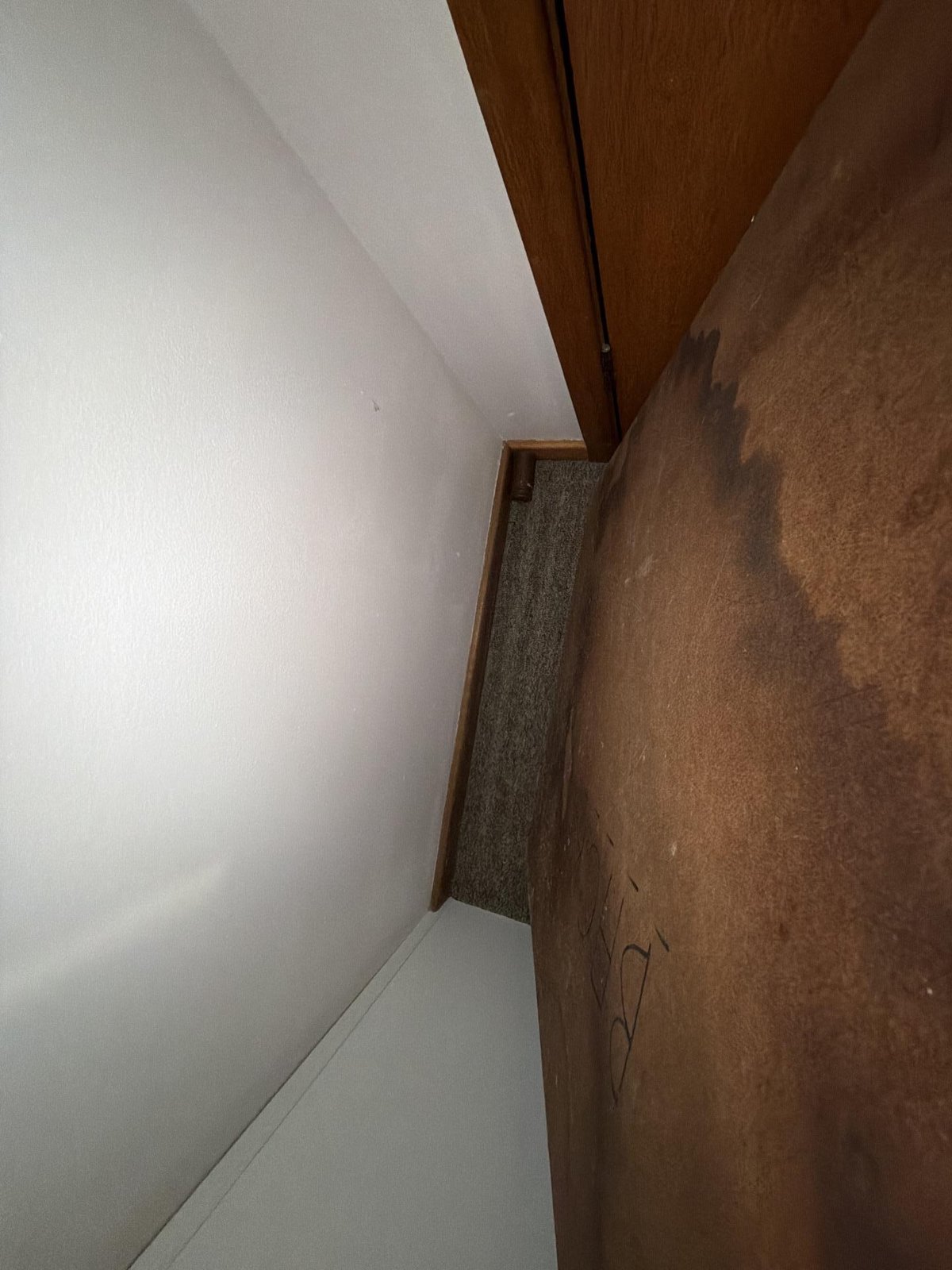
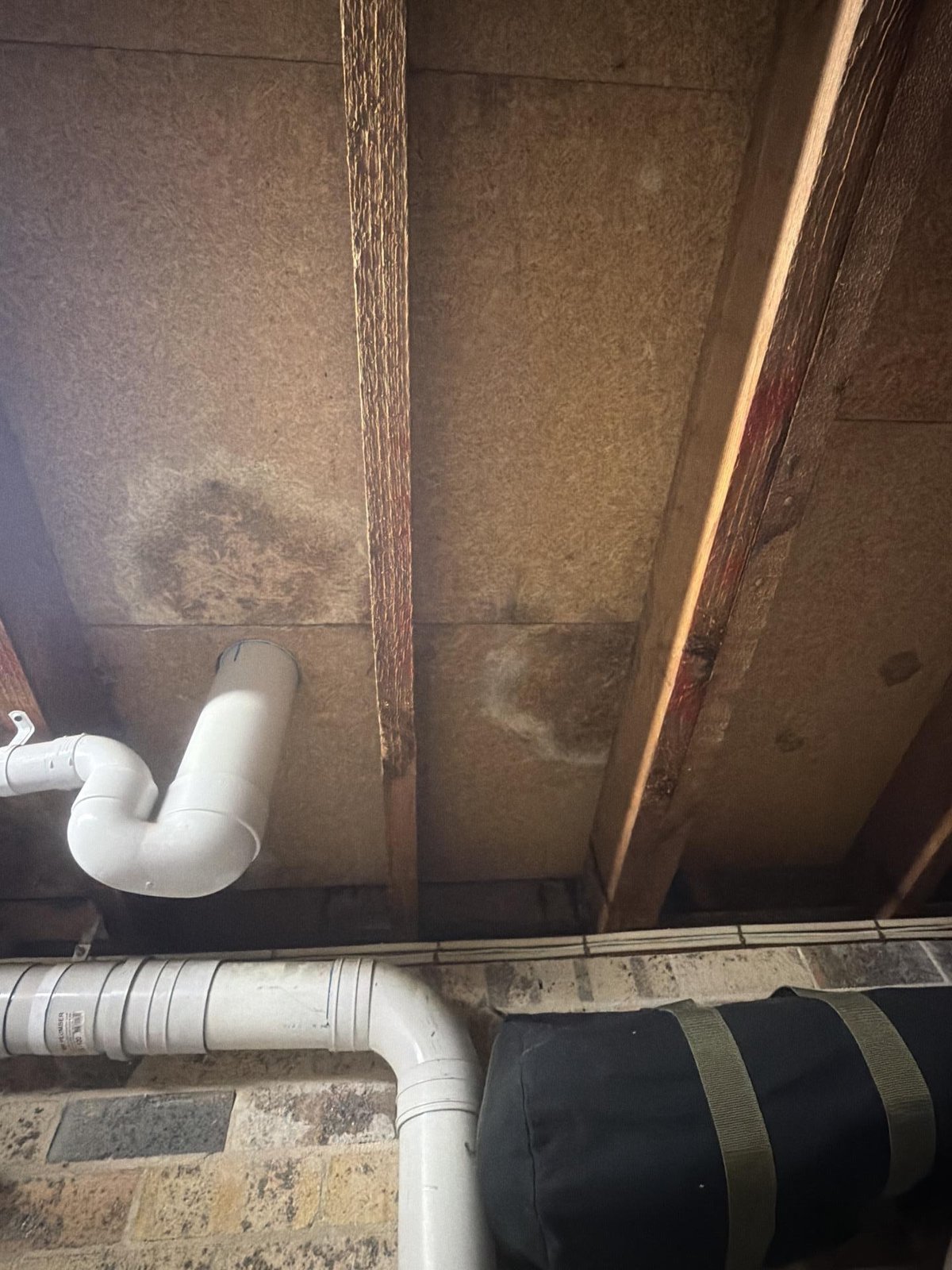
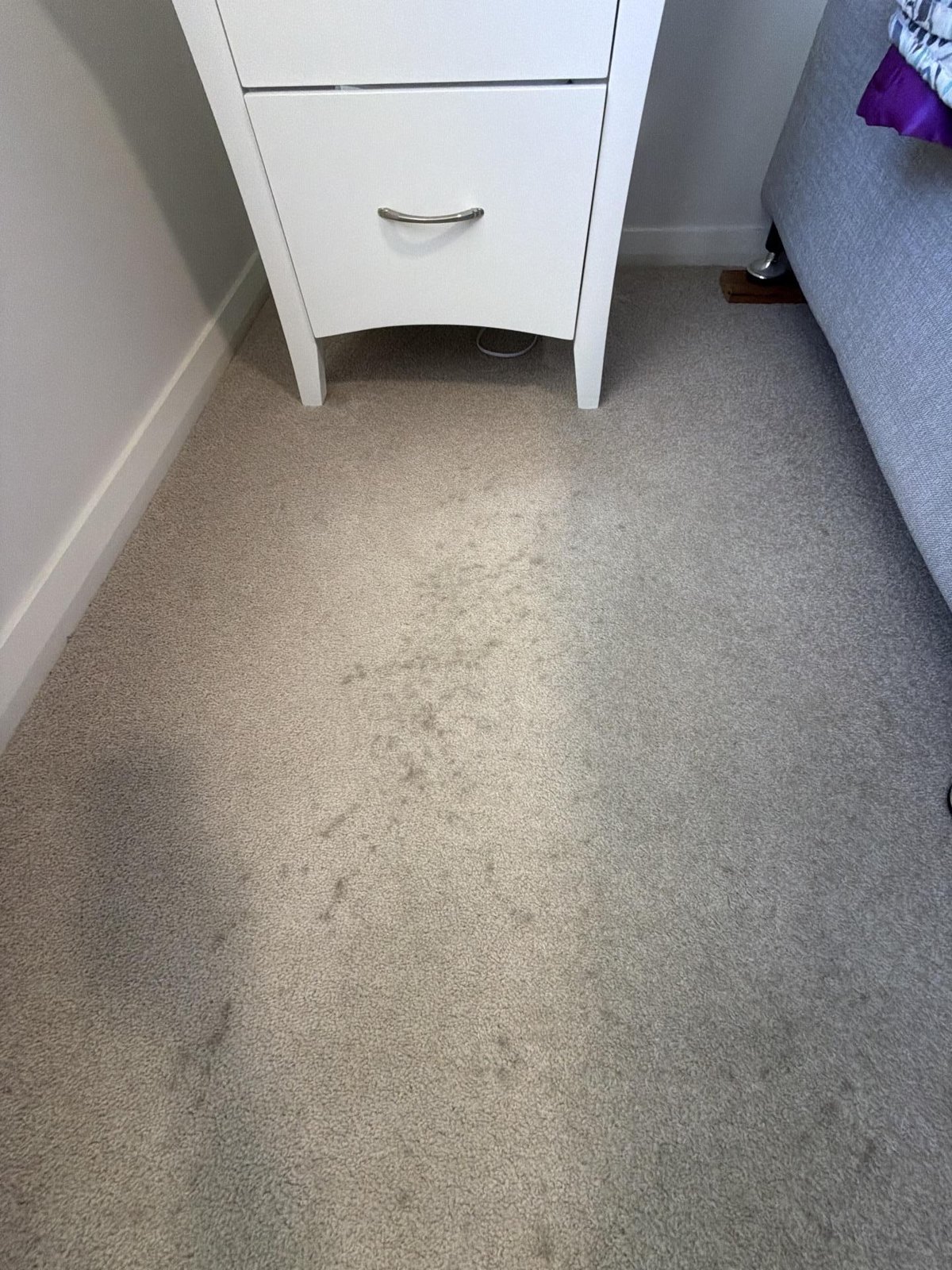
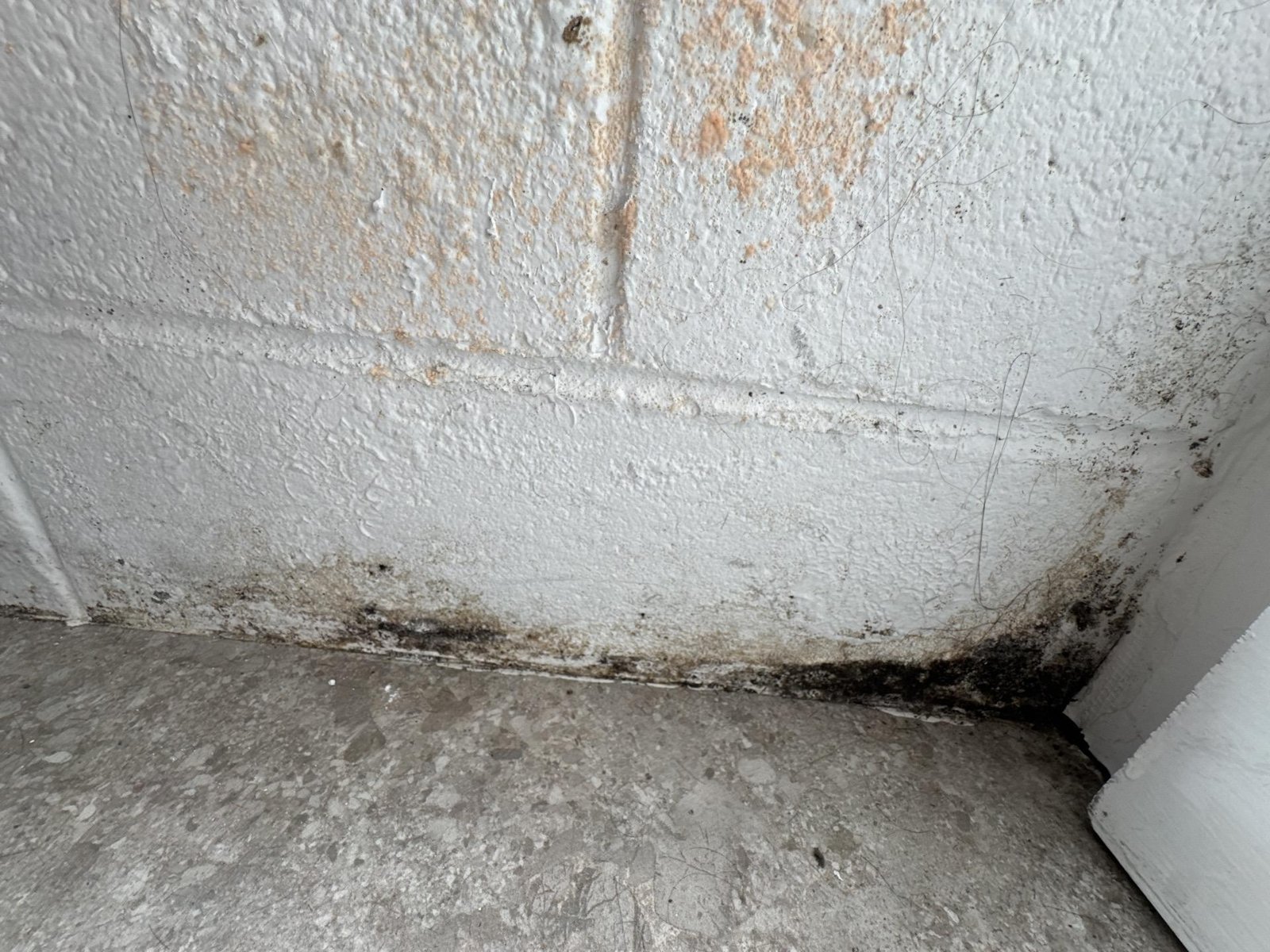
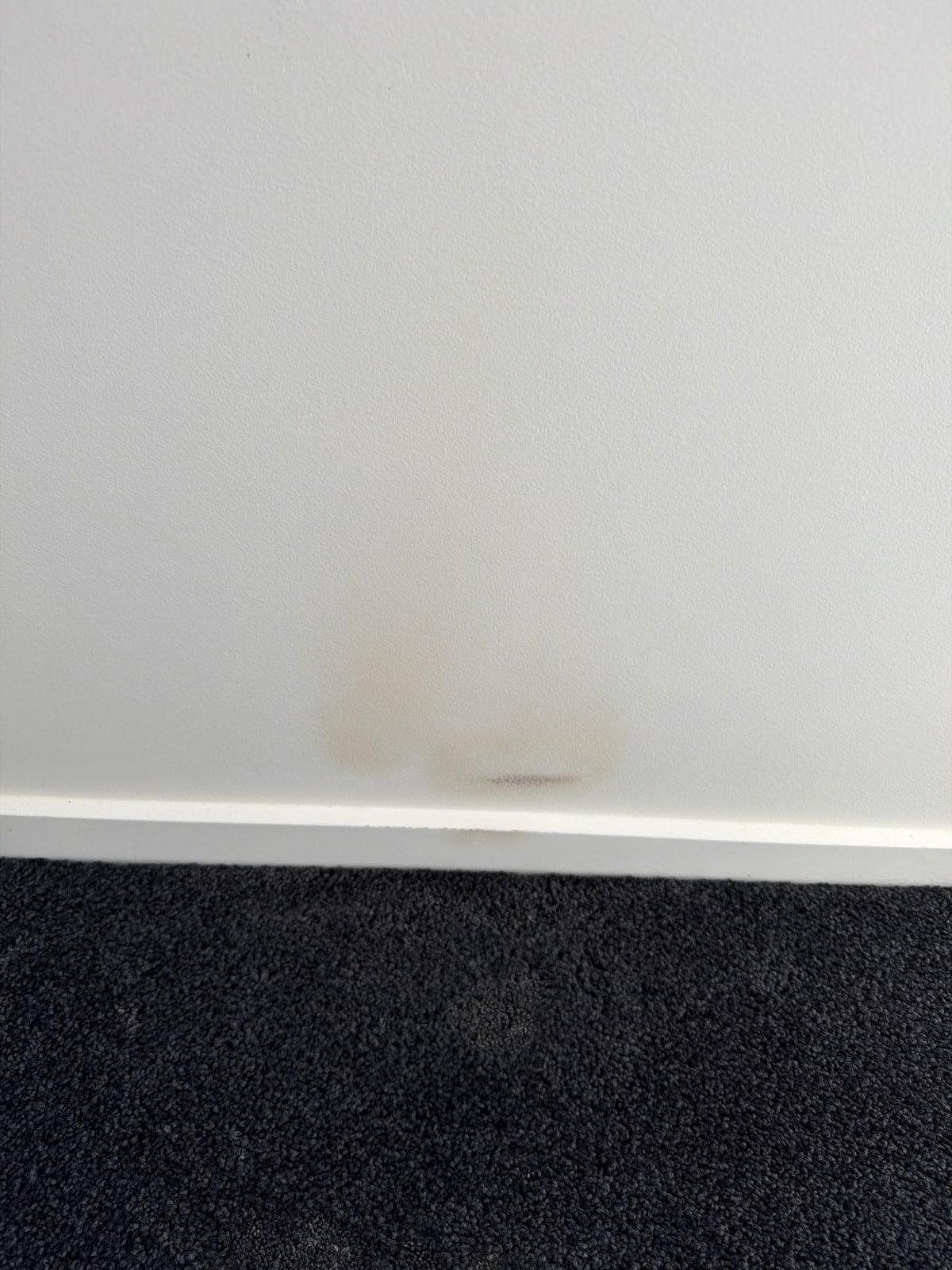
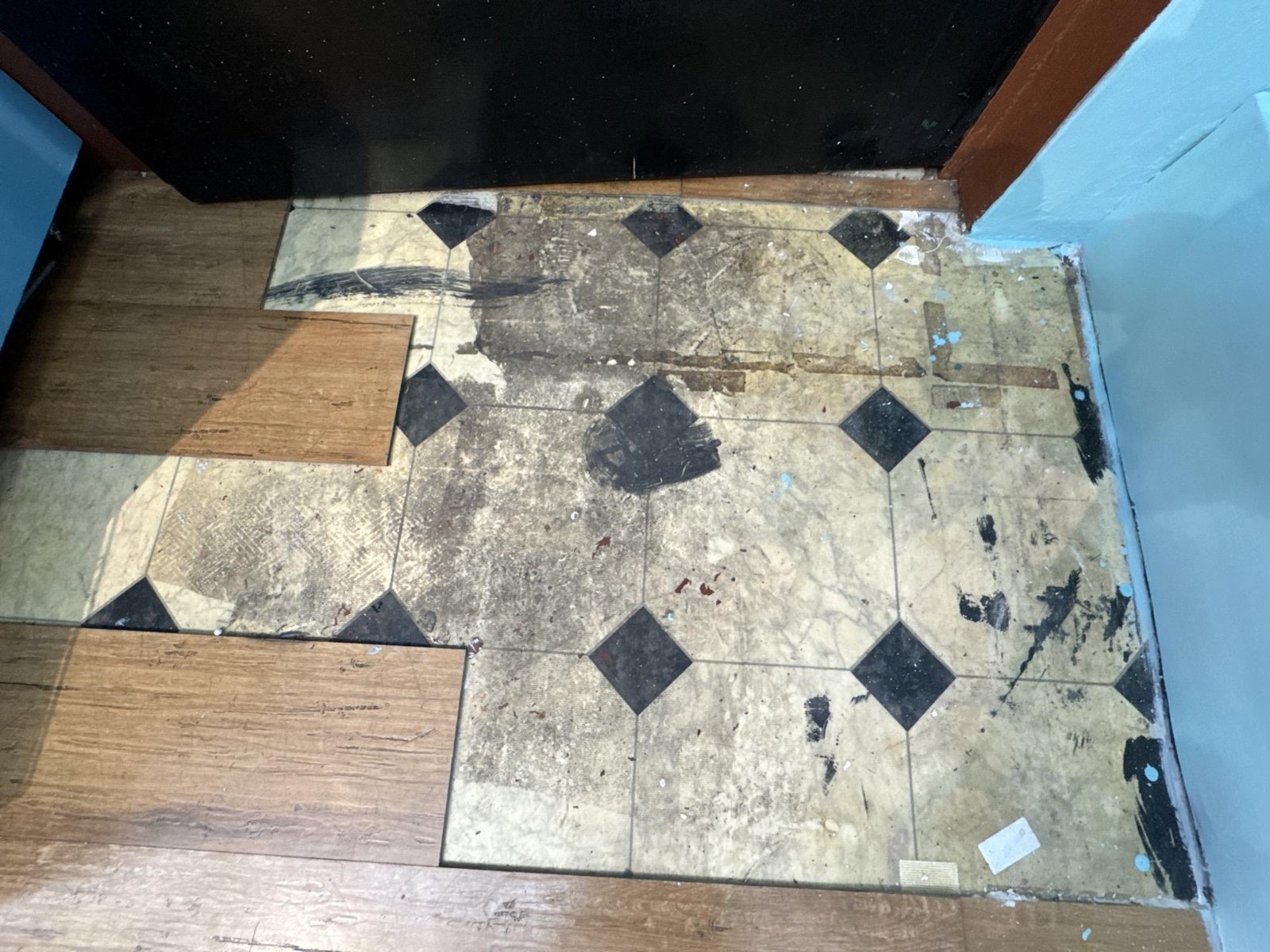
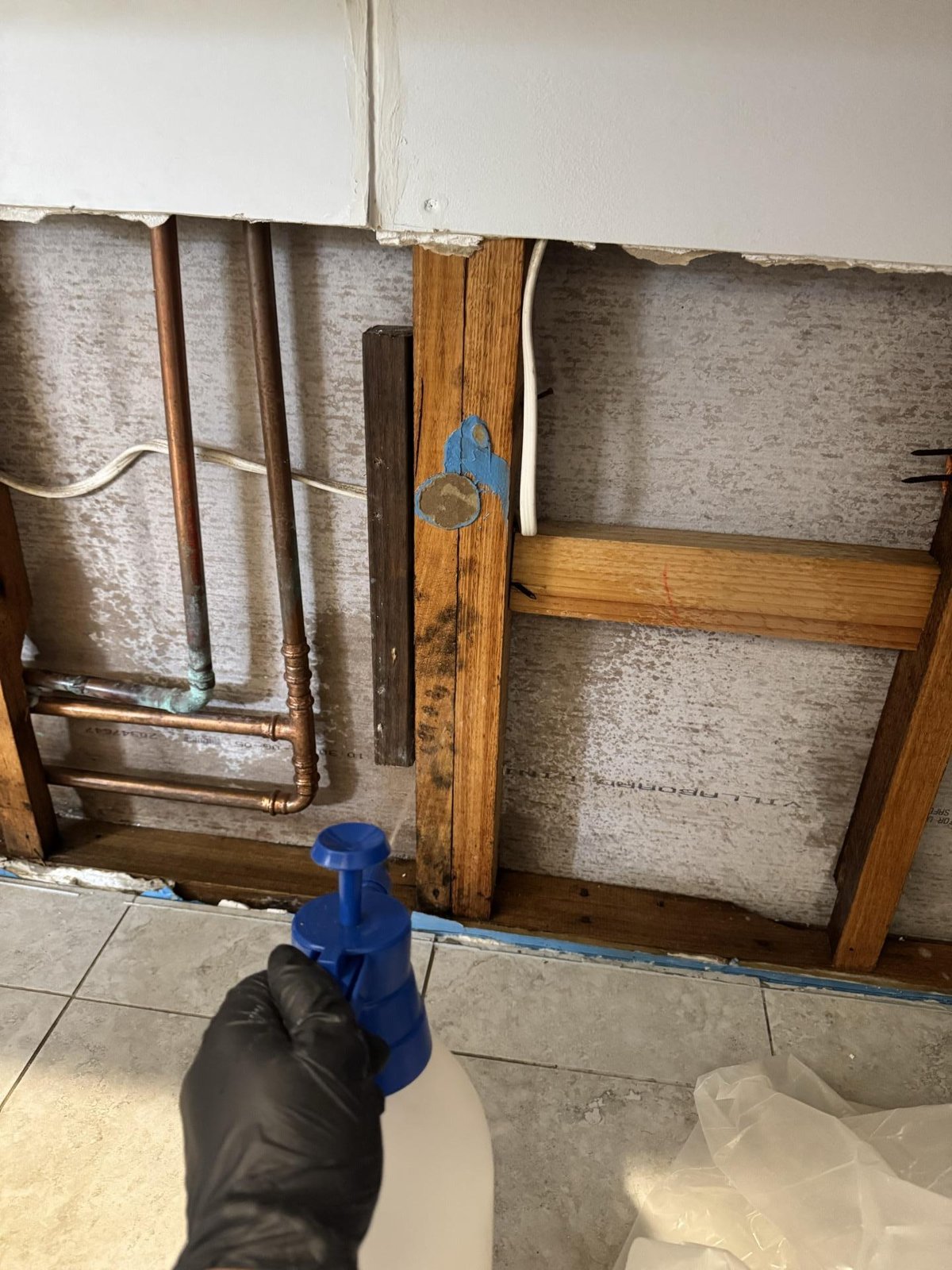
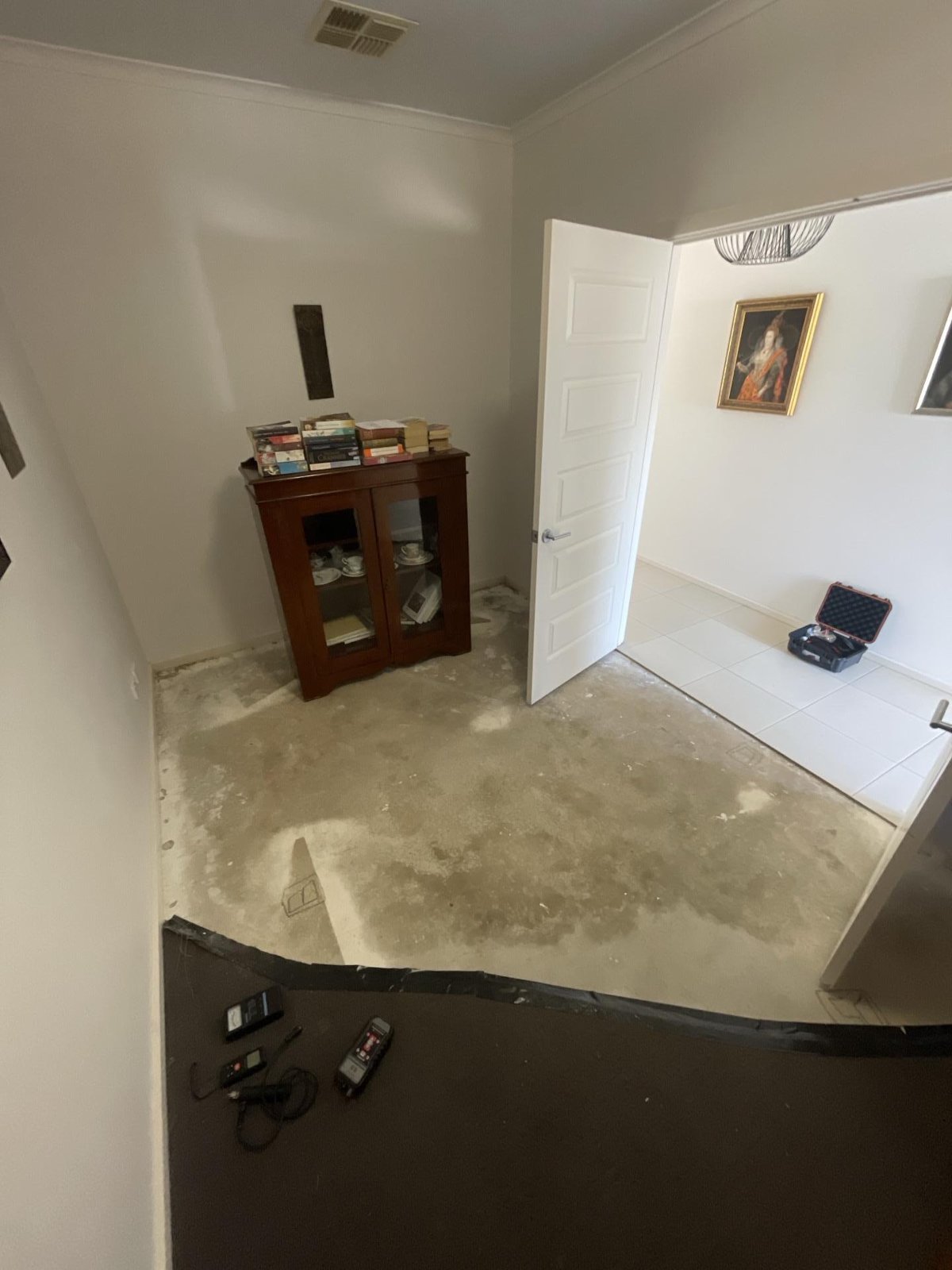
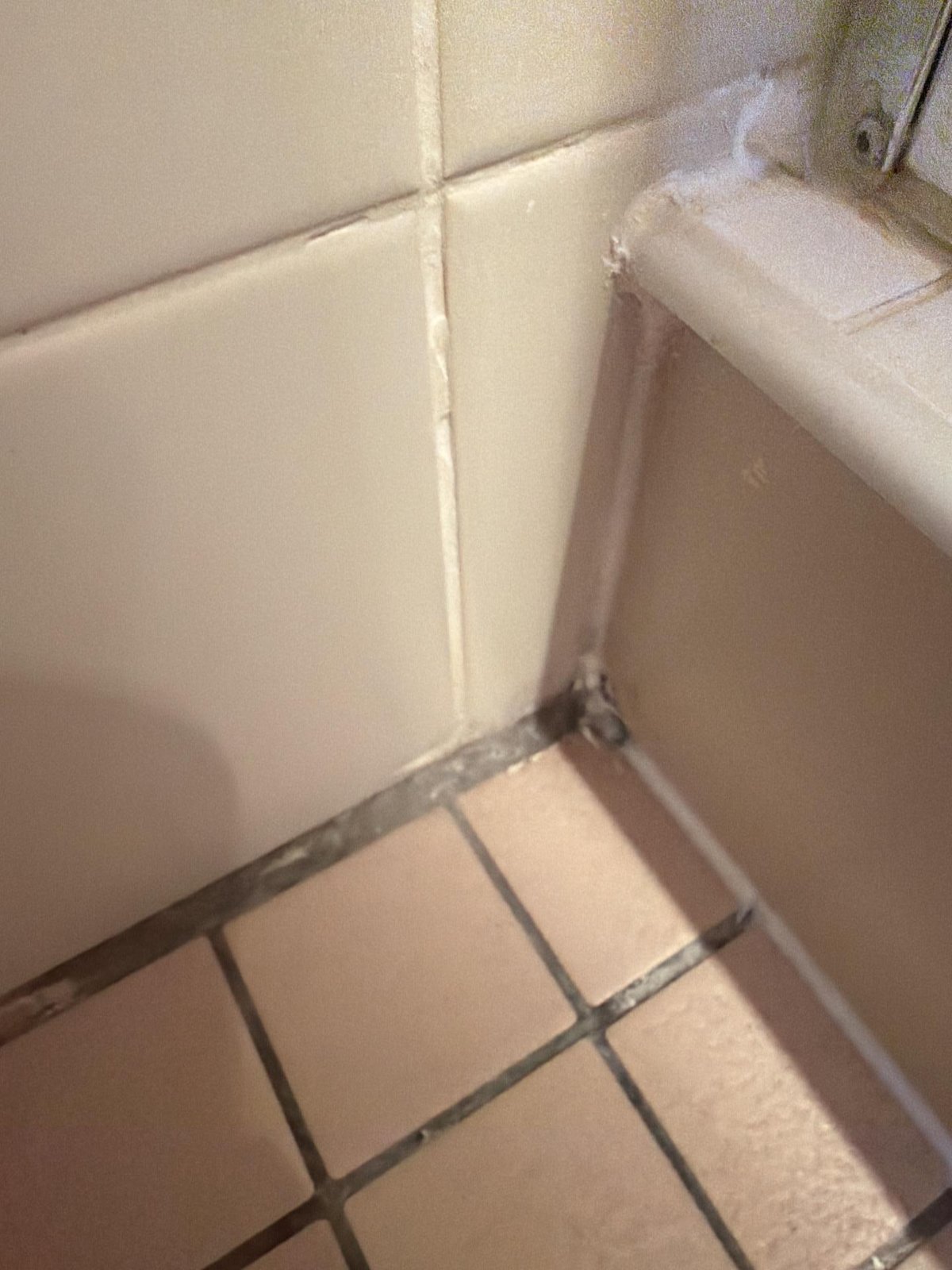
The photos that go out with this post show some of what we found. There was dark water staining on a timber door and along the edge of a carpeted floor in a narrow hallway. Dark mould spotting had also formed on a brick wall above a garden bed with mulch and plants. In another area, dark mould staining ran along the grout lines and into a corner where tiled walls meet a tiled floor.
For water damage work of this kind, the process usually starts with assessing how far the water has moved, including into wall cavities, under flooring and into materials that hold moisture. Affected materials are checked, removed where they can’t be dried or cleaned, and the structure is dried under controlled conditions. Moisture readings are taken over time to confirm the building is returning to normal. Where mould has taken hold, it is treated as a separate step, because it needs to be contained and removed rather than just wiped down. All of this is carried out in line with IICRC S500 for water damage restoration, and mould work follows IICRC S520.
We also document each stage, from the first inspection through to completion, which helps when a claim is being reviewed. Where insurance is involved, we liaise with the insurer on the claim as the work progresses, keeping the paperwork in step with what is happening on site.
For people in Towradgi and the surrounding area, water damage is not always obvious straight away. Moisture can sit behind walls and under floors for days, and it can lead to mould, swelling and damage to finishes if it is not dealt with promptly. Quick, documented drying and a clear record of what was affected make a real difference to the final outcome, and to how smoothly the repairs can follow.
Read more about our Water Damage Restoration service.
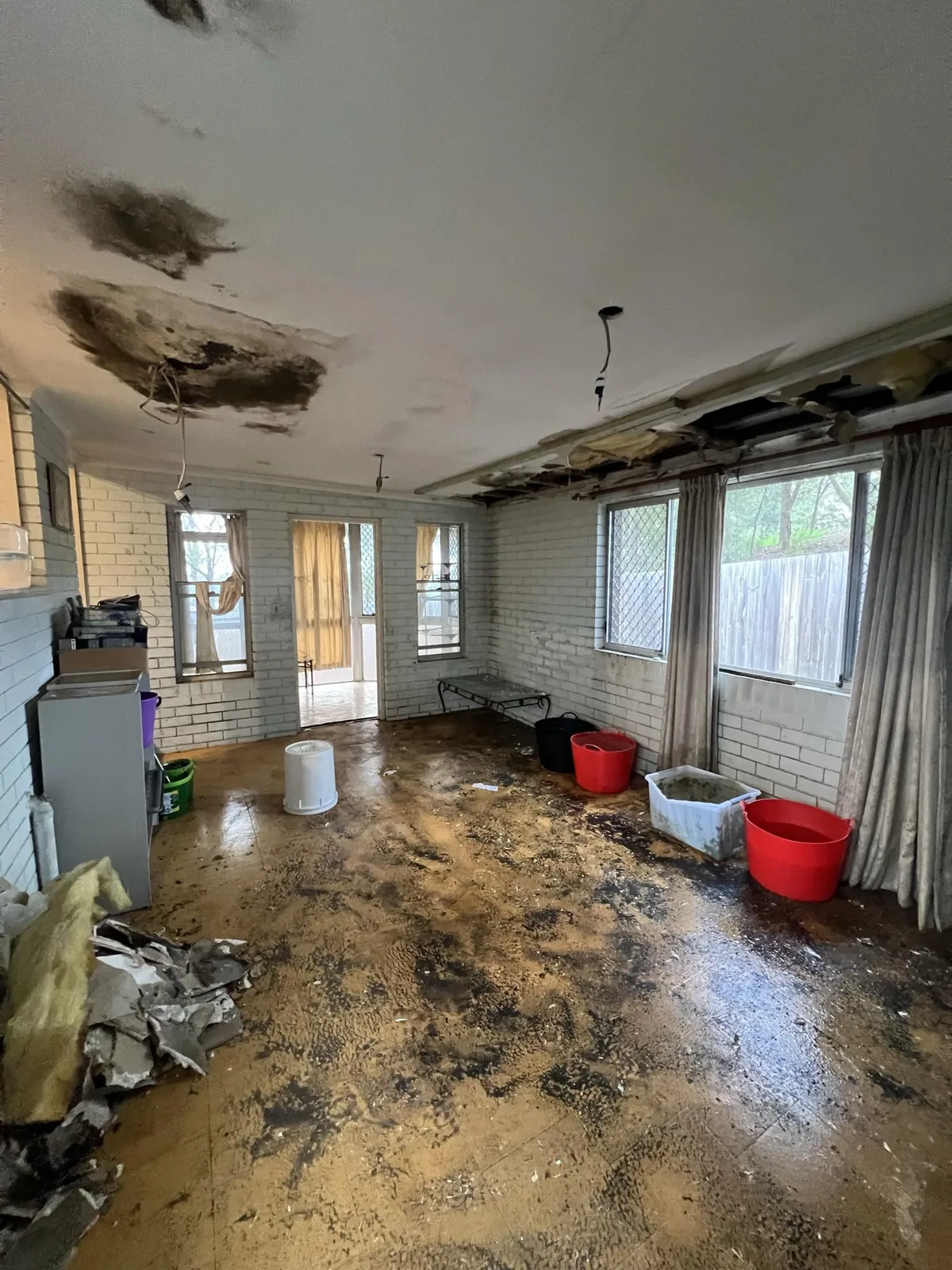 Water Damage Restoration
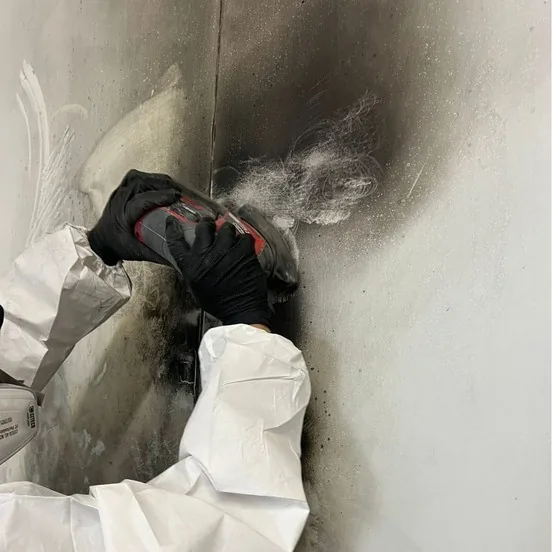 Fire and Smoke Restoration
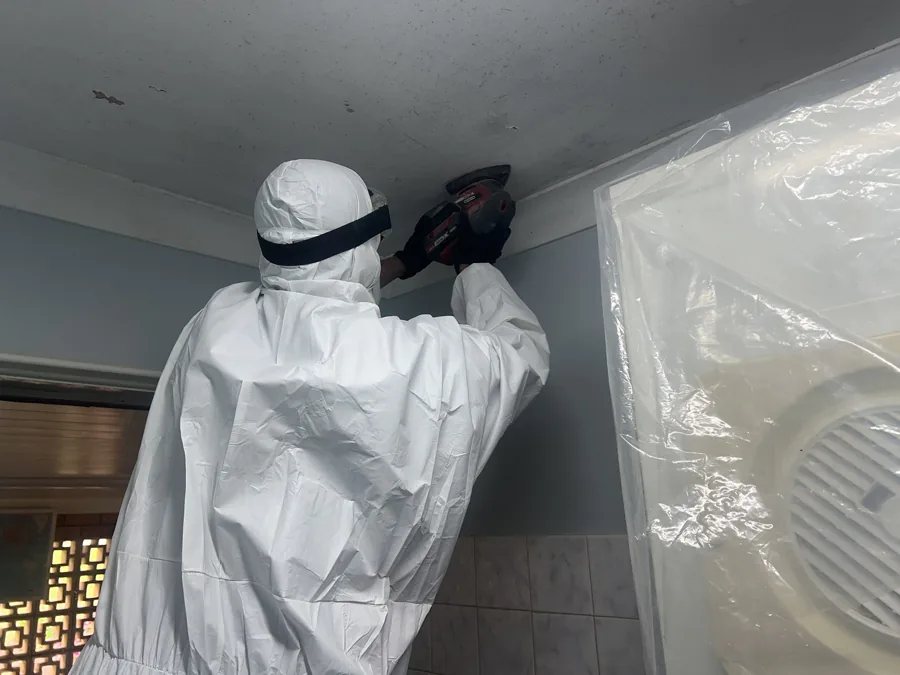 Mould Removal & Remediation
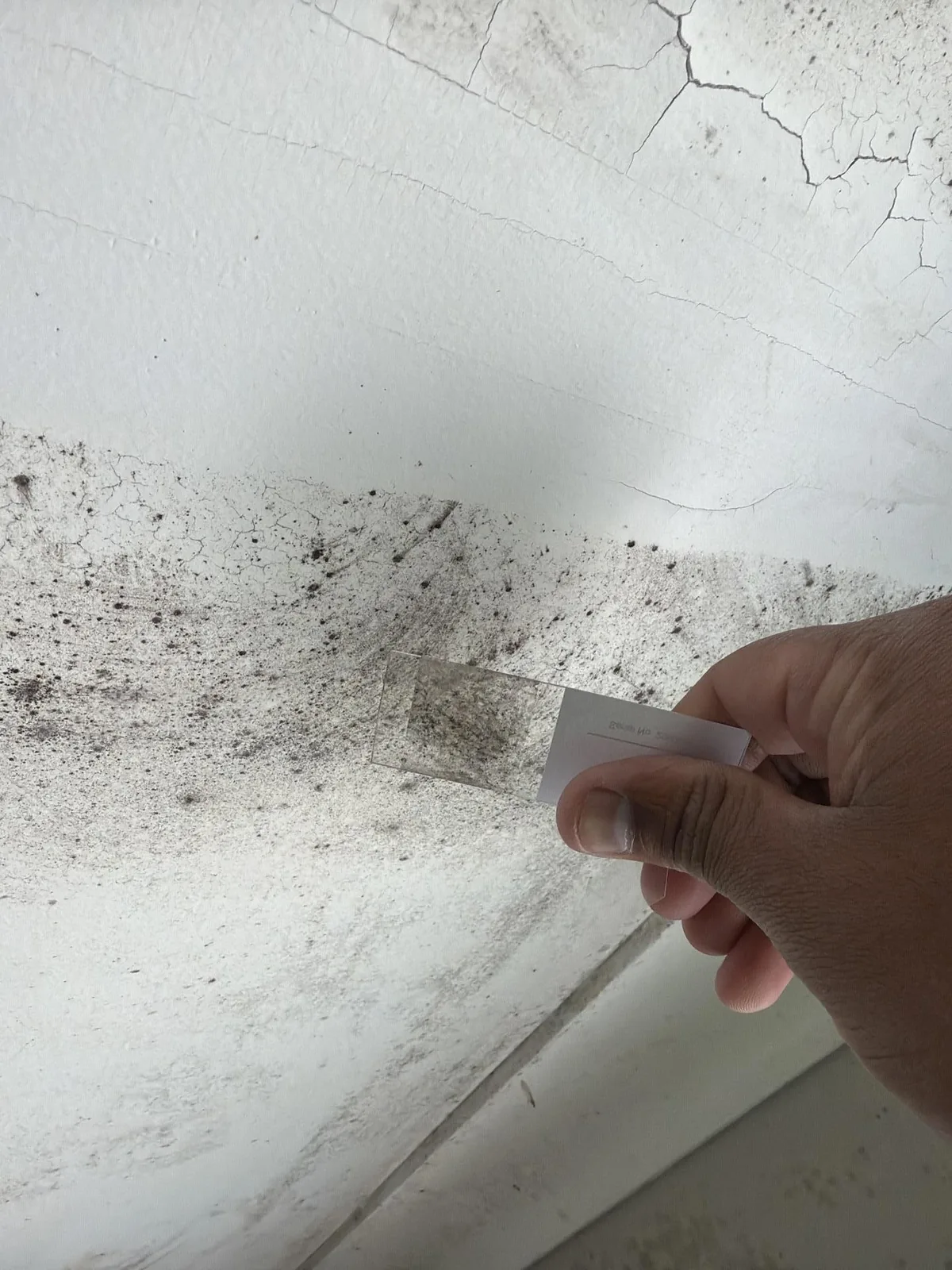 Mould Inspection
 Asbestos Removal
 Asbestos Testing
 Dehumidifier Hire
 Air Quality Testing
 Structural Drying
 Water Leak Detection
 Trauma & Crime Scene Cleaning
 Deceased Estate Clearing
 Hoarding & Squalor Cleaning
 Meth Testing & Decontamination
 Lead Paint Removal