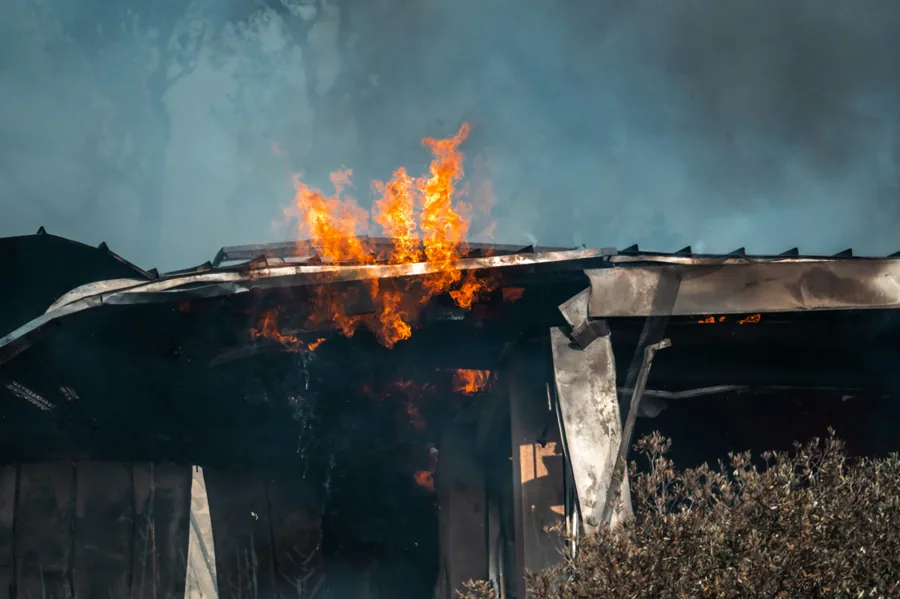
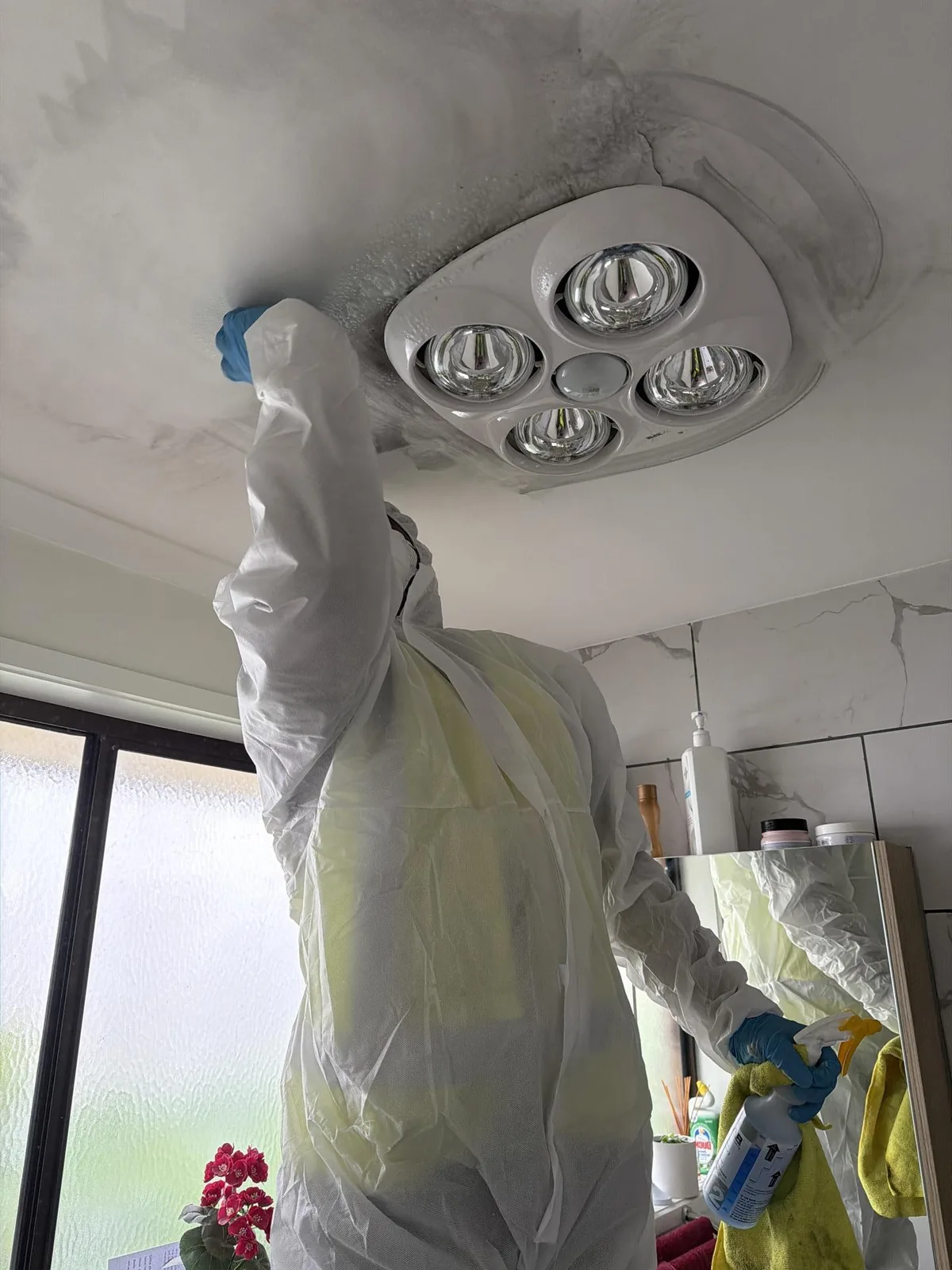
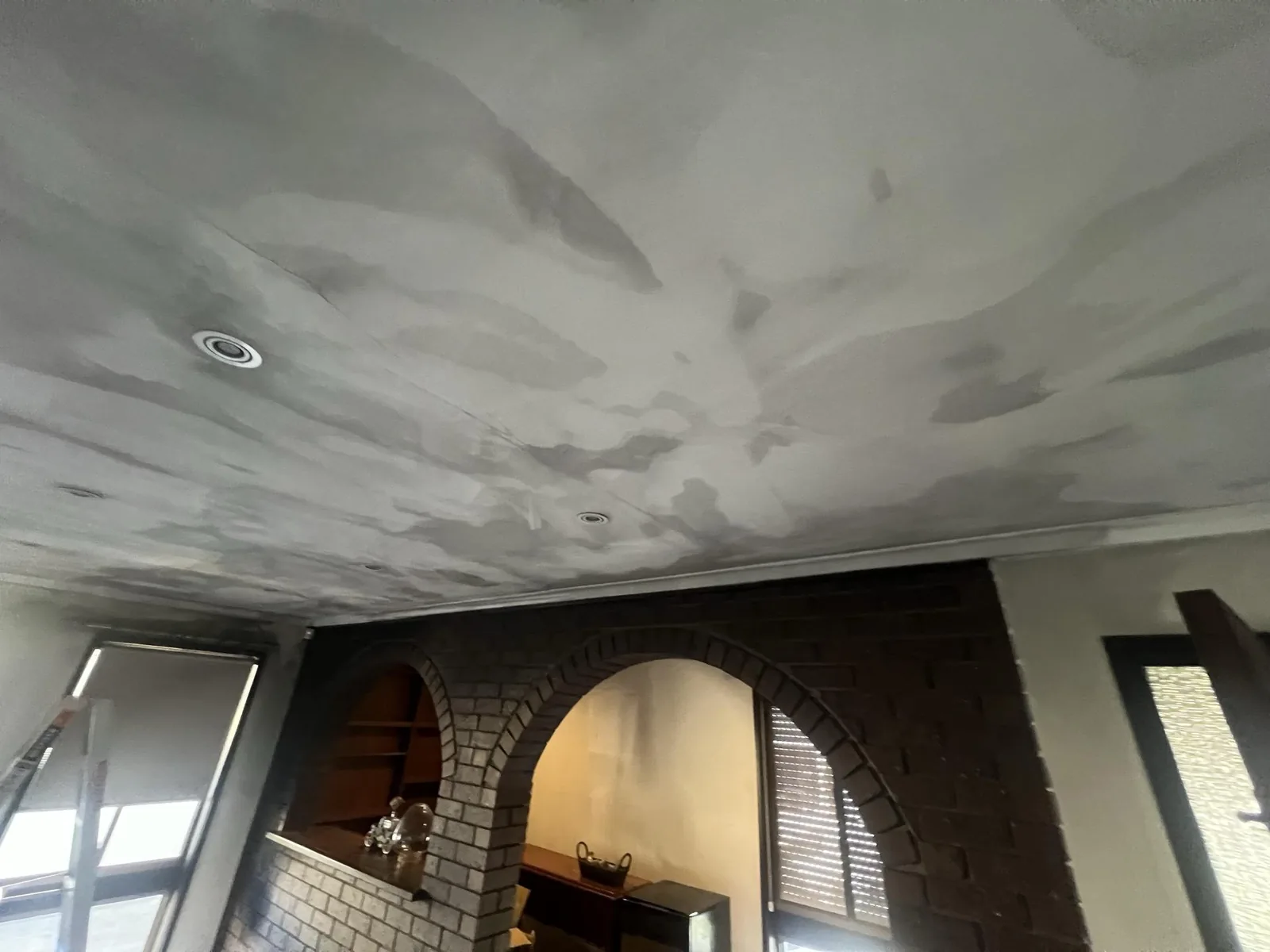
Fire and smoke damage restoration is the work that starts once the fire is out: assess how far the residue and the odour have travelled, contain and clean the soot, dry the water the firefighting left behind, and restore what can be restored. Elite Restoration carries it out in line with IICRC S700, the fire and smoke damage restoration standard, with the water dried under IICRC S500. The emergency call-out runs 24/7, 365 days a year.
First, what not to do. Until the fire service has released the building, nobody goes in. Once it is released, leave the soot alone: wiping it spreads an oily residue into the surface. Keep out of the rooms the smoke reached, which is usually more rooms than the fire did.
Google4.6★★★★★★★★★★100+ reviews
What's included
Soot & Smoke Damage Cleaning
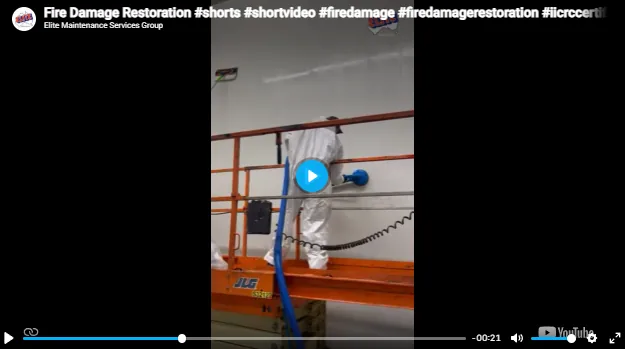
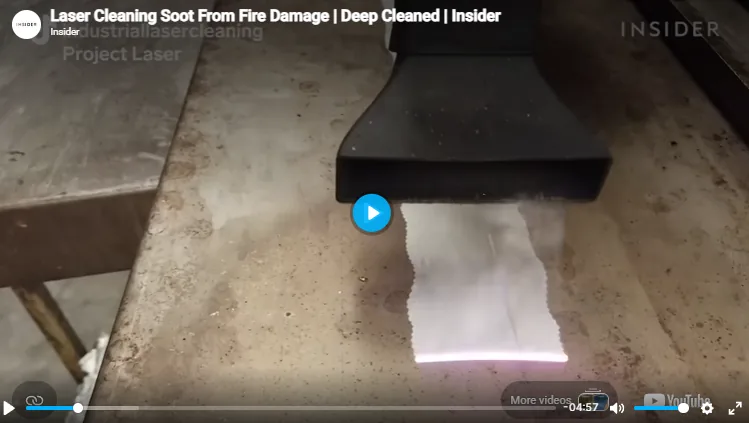
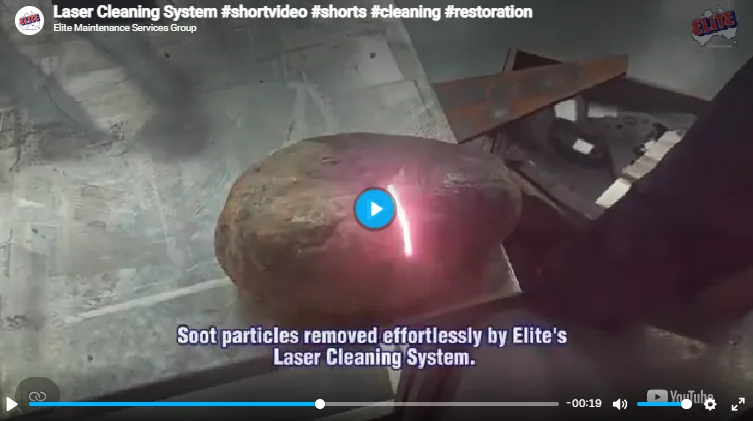
Specialised cleaning of soot residue from walls, ceilings, ducts, HVAC, and building contents using HEPA filtration and dry/wet methods as appropriate.
Odour Neutralisation
Thermal fogging, ozone treatment, and hydroxyl generation for persistent smoke odours in structural materials and salvaged contents.
Contents Restoration & Pack-Out
Inventory, pack-out, cleaning, deodorisation, and secure storage of salvageable contents during structural restoration.
“Very good service, great job on upholstery especially. Arrived when he said, charged as quoted. No fuss. Some carpet stains were not budging though but then it’s an old carpet.”
“We had a pipe burst in our ceiling, water seeped into our walls and our unit was at a very high risk for mould :( Guosheng worked tirelessly to ensure the drying process went as smooth as possible, even working until the evening on a Friday to ensure our walls would be dry and safe over the weekend! An extremely proficient and productive company that thrives on providing excellent service and quality work. Thank you so much for all of your help! <3”
A fire leaves three jobs, not one. Soot and smoke residue settle on every surface the smoke touched and inside the wall cavities, ceiling spaces and ducts it moved through. Odour is held in soft materials, from carpet and curtains to the insulation above the ceiling. And the water from hoses or sprinklers starts a drying job of its own, which is where mould begins if it is left. The visible damage is the smallest part of the assessment: residue travels with the smoke into rooms the fire never reached, and a dry-looking wall can hold water from the hoses.
How a fire and smoke job runs
The call. Emergency mitigation call-out is available 24/7, 365 days a year. In metro areas our target is to be on site within 2 hours once the building is released.
Assessment and scope. A technician maps the residue, the odour and the moisture room by room. Reports, scopes and quotes are produced live on site, and you have an initial report and a scope or quote within 24 hours.
Containment and air management. The affected area is sealed so soot doesn’t move further through the building while it is cleaned.
Water extraction and drying. Standing water from the firefighting is removed and the structure is dried in line with IICRC S500, with readings taken on alternate days.
Soot and smoke cleaning. Surfaces and contents are cleaned. Material that can’t be recovered, such as charred lining or soaked underlay, comes out, and the scope says so beforehand. If the building is old enough for asbestos, removal is carried out by in-house qualified technicians rather than subcontracted.
Odour treatment and completion. Odour is treated at its source, and a completion report follows within 24 to 48 hours of the work finishing.
Contents are assessed with the building: what can be cleaned and returned, and what is written off, is recorded so the decision sits in the report rather than in a conversation.
The standard, the cover and the claim
Elite Restoration is an IICRC Certified Firm, certificate number 70100265, and our technicians hold IICRC certification in fire and smoke damage restoration at Master level, alongside water damage restoration and applied structural drying. The business is part of the Elite brand, operating since 1984, and carries $20 million in public and products liability cover. Where the fire is an insured event, we liaise with your insurer from the first call to the final sign-off and work to a 7-day end-of-loss project life cycle.
Questions people ask after a fire
Should I clean the soot myself?
No. Wiping soot pushes an oily residue into paint, plaster and fabric and makes it harder to remove. Leave it until the assessment.
Do you dry the water the firefighters left?
Yes. It is part of the same job, dried in line with IICRC S500 and monitored on alternate days, so a fire job doesn’t become a mould job.
When can we move back in?
Once the contained rooms are cleaned, the odour is treated and the readings confirm the structure is dry. The completion report records it within 24 to 48 hours of the work finishing.