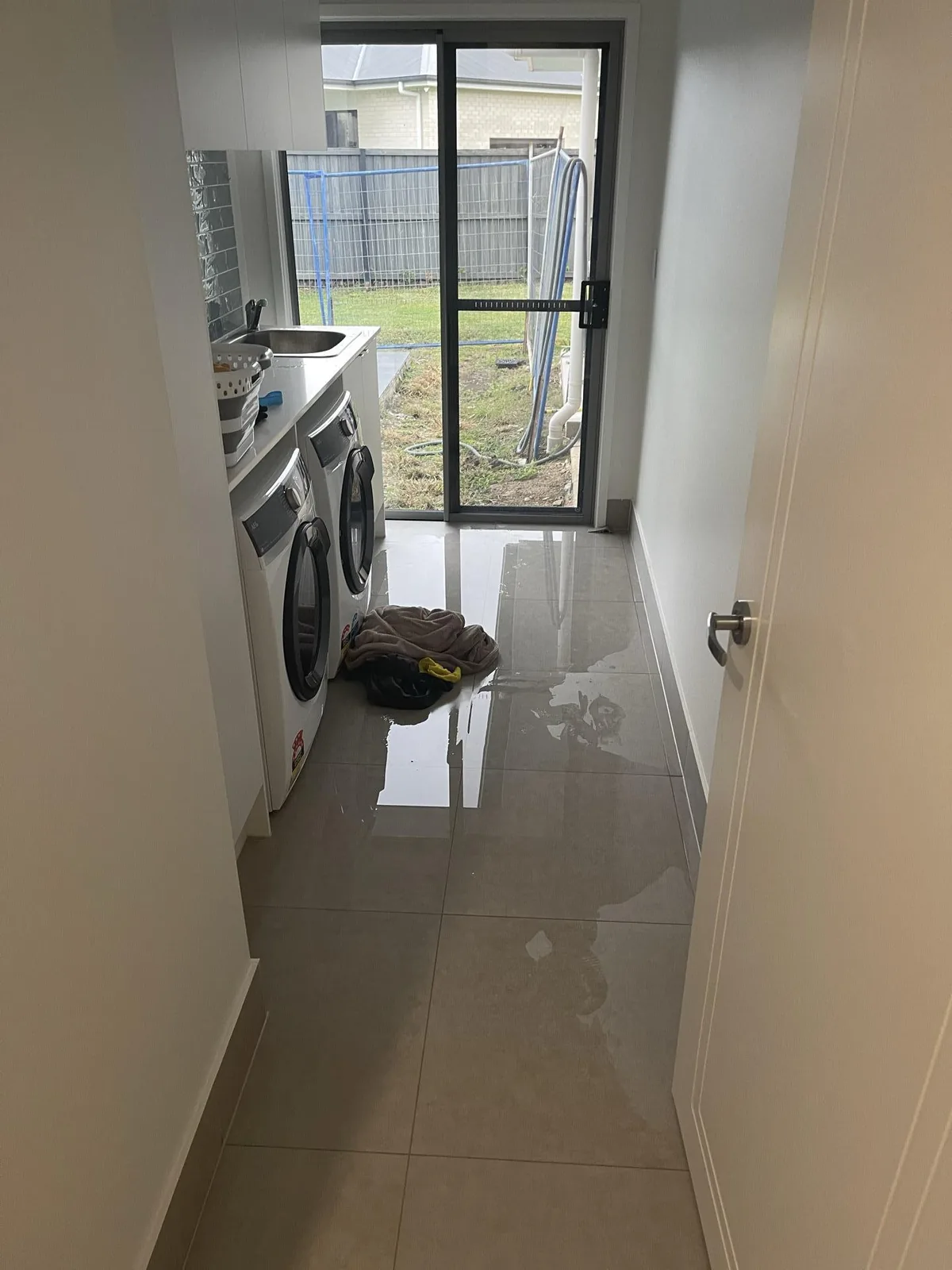
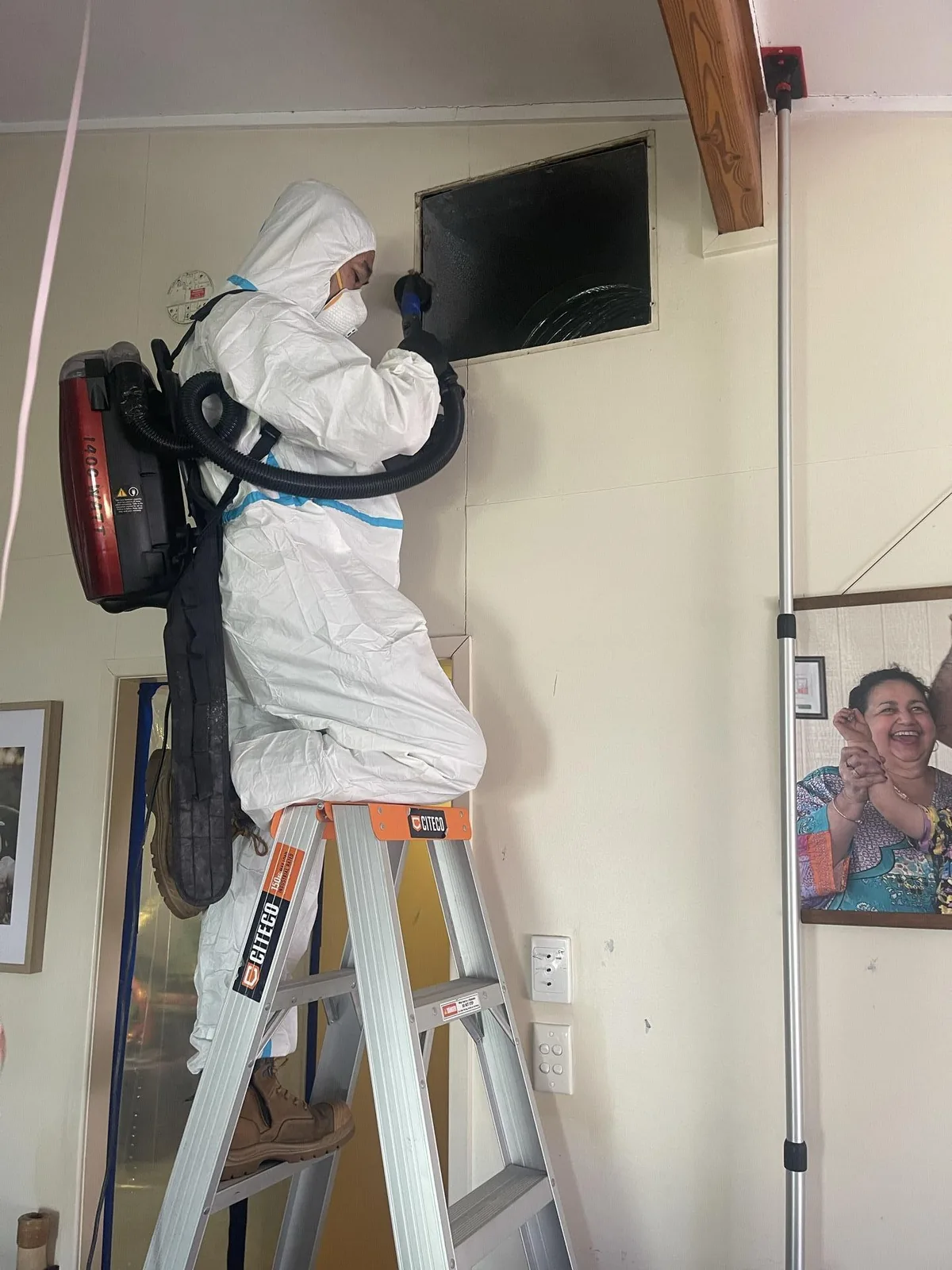
Water damage restoration is the work that happens after a burst pipe, a leaking appliance, a storm or a flood: find where the water is coming from and stop it, extract what is standing, dry the structure with monitoring, and restore what was affected. Elite Restoration carries it out in line with IICRC S500, the water damage restoration standard, and the emergency call-out runs 24/7, 365 days a year.
The first hours decide a lot. Carpet, underlay, plasterboard and timber that are reached early can often be dried in place. The same materials left wet have to come out.
Google4.6★★★★★★★★★★100+ reviews
What's included
Emergency Water Extraction
Rapid response water extraction from flooding, burst pipes, and storm damage with 24/7 dispatch and documented loss-mitigation.
Structural Drying & Dehumidification
Controlled drying of building materials with moisture mapping, monitoring, and verification documentation for insurance and compliance.
Mould Prevention & Antimicrobial Treatment
Post-flood antimicrobial application to prevent secondary mould growth on saturated structural materials.
“We had a pipe burst in our ceiling, water seeped into our walls and our unit was at a very high risk for mould :( Guosheng worked tirelessly to ensure the drying process went as smooth as possible, even working until the evening on a Friday to ensure our walls would be dry and safe over the weekend! An extremely proficient and productive company that thrives on providing excellent service and quality work. Thank you so much for all of your help! <3”
“Guosheng from Elite Restoration did an amazing job dealing with the water damage to my unit, due to a burst pipe. Nothing was too hard and Guosheng had multiple tricks up his sleeve to ensure maximum drying capacity. The communication throughout the whole process was excellent, which made this very stressful situation for me a lot easier to handle. Thanks so much Guosheng.☺️”
“We just had water flood at our bedrooms. A previous carpet cleaner recommended Elite to us. Thanks to Elite, the water damage was fixed timely. Elite staff are very professional and responsive, providing excellent service. I highly recommend getting Elite for water damage restoration.”
“Elite responded quickly to our bedroom flood — professional, and highly recommended.”
— Yanfei Xie, Sep 2024
★★★★★
“Thank you for being available to assist with the flooding that occurred with our office at Underwood Centrepoint Stage 1. Ralph and I appreciated all you did for us during this difficult time.
Cheers,
Helen Bartels”
Water doesn’t stay where it landed. It runs under flooring, into wall cavities and behind kitchen cabinets, and the surface can look dry while the material beneath it is not. The sooner drying starts, the more of the building is saved rather than removed. The inspection maps the moisture, and you get an initial report and a scope or quote within 24 hours, so you see what will be dried and what will be removed before any of it happens.
How a water damage job runs
The call. Emergency mitigation call-out is available 24/7, and in metro areas we aim to be on site within 2 hours.
Inspection and moisture mapping. A technician traces the water to its source and measures how far it has travelled through floors, walls and joinery. Reporting is done live on site.
Stopping the source and extracting the water. Standing water is pumped and extracted before drying equipment goes in.
Drying and dehumidification. Air movers and dehumidifiers run until the structure is back to normal moisture levels. Drying is monitored on alternate days, not left to chance.
Removal where it is needed. Material that was wet too long to recover, such as soaked underlay or plasterboard, comes out. If mould has started, the remediation follows IICRC S520.
Completion report. Within 24 to 48 hours of the work finishing you have a report confirming the readings and what was done.
Most homes stay occupied through the job. The drying equipment runs in the affected rooms and the rest of the house carries on. Rooms go back into use once the monitoring confirms they are dry.
Where the water came from changes the job
A burst pipe or a leaking appliance is usually clean water, and if it is caught early the job is mostly extraction and drying. A roof leak or storm water has been through the roof space and brings whatever it picked up. Floodwater and sewage are contaminated, so affected porous materials come out rather than being dried, and the surfaces that stay are cleaned and treated.
The fourth case is the wall that is still damp from an earlier event that was wiped down and forgotten. That is where mould starts, and it is why the inspection measures rather than looks. Where sample testing is needed, it goes through NATA-accredited laboratory partners.
Nicole Martin described a burst-pipe job in a Google review: “Nothing was too hard and Guosheng had multiple tricks up his sleeve to ensure maximum drying capacity.”
Questions people ask after finding water
How quickly should I act after finding water?
Straight away. Turn off the water at the source if you can, and call. The earlier the extraction and drying start, the more carpet, underlay and plasterboard can be dried in place rather than removed. The call-out runs 24/7.
Do I have to move out while you dry the house?
Usually not. The equipment runs in the affected rooms, drying is checked on alternate days, and the completion report confirms when the rooms are dry.
What happens to wet carpet and underlay?
It depends on how long they were wet and what the water was. Clean water caught early can often be dried in place. Underlay that has stayed wet, or anything touched by sewage or floodwater, comes out, and the scope says so before it happens.
Elite Restoration is an IICRC Certified Firm, and where the damage is an insured event we liaise with your insurer from the first call to the final sign-off.