Why you usually need both a dehumidifier and air movers
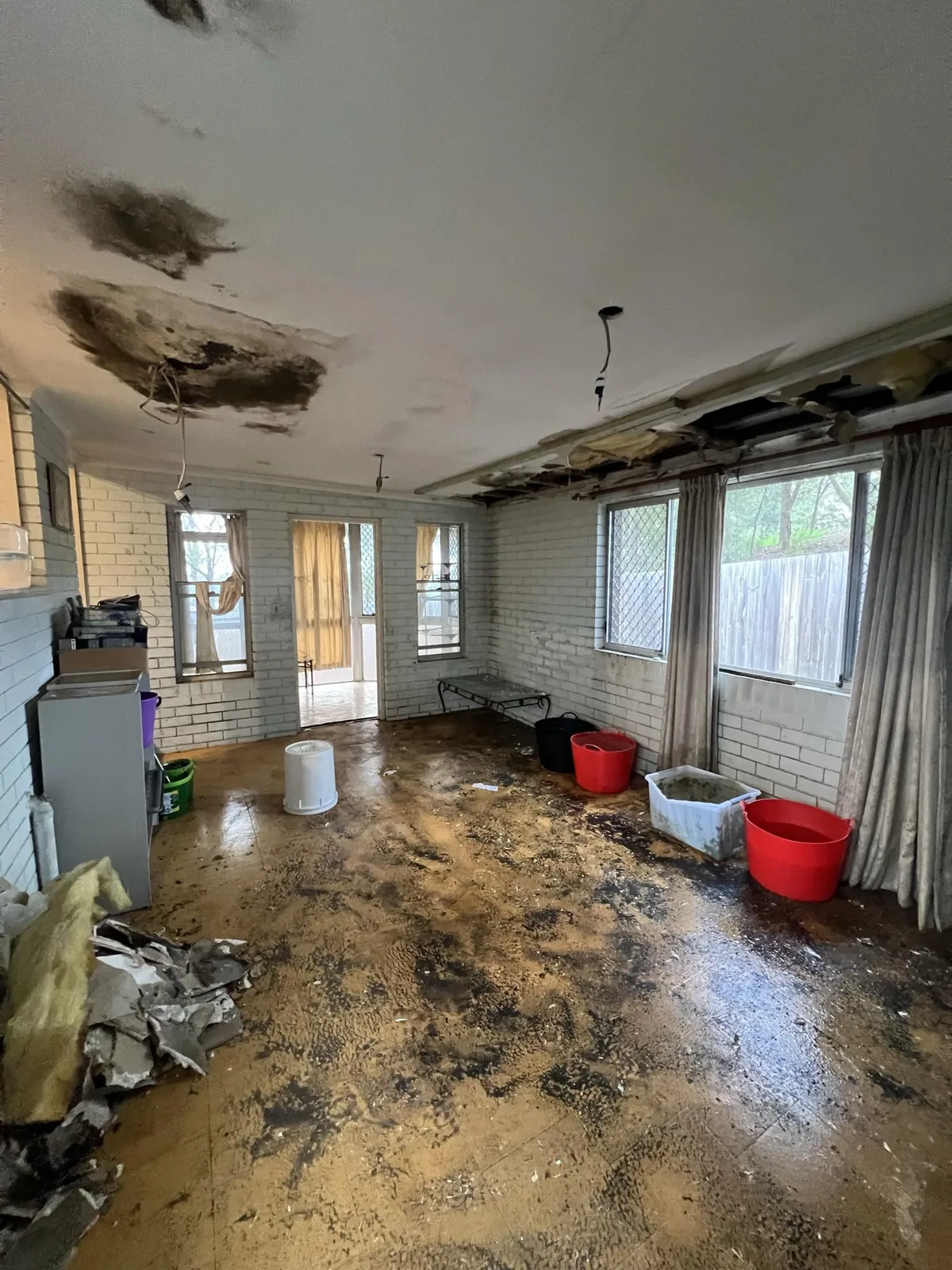
Drying is two jobs. Air movers blow across wet carpet, walls and floors so the moisture evaporates into the air. The dehumidifier then pulls that moisture back out of the air and drains it away. Run air movers alone and the room just gets more humid; run a dehumidifier alone and wet materials dry slowly.
LGR units are the workhorse of building drying. They keep removing water as the air gets drier, which ordinary household dehumidifiers struggle to do.
How a hire works
- We ask about the space: its size, what got wet and how badly, and whether people are living or working in it.
- The right number of dehumidifiers and air movers is chosen for that space.
- The equipment is delivered and set up: placed for airflow, drained by hose or pump, and run from suitable power points.
- You are shown what to check during the hire, such as the drain line and the doors and windows to keep closed.
- When the space is dry, the equipment is collected.
When hire is not enough
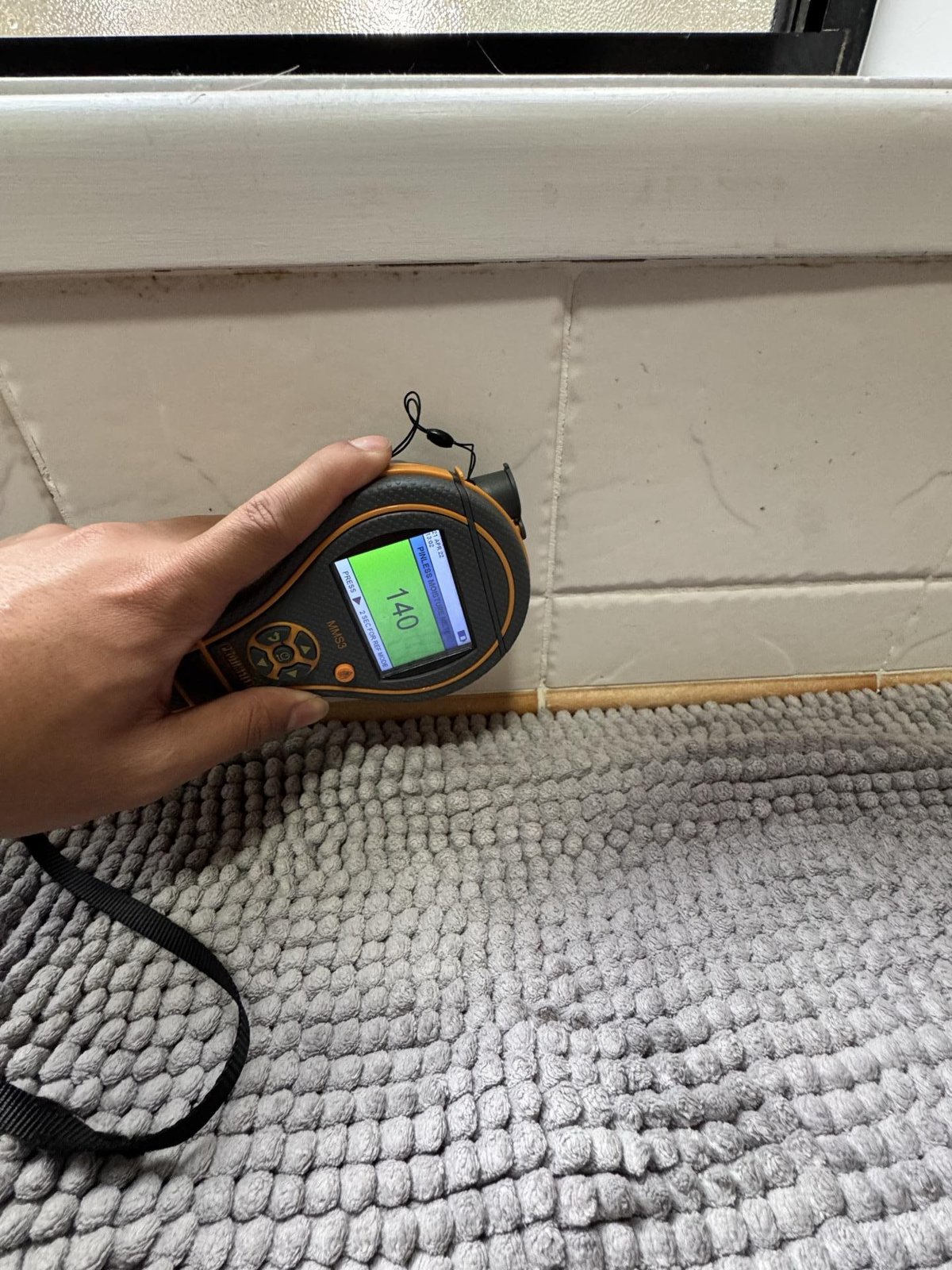
Equipment on its own doesn’t tell you when a wall cavity or subfloor is actually dry. After significant water damage, a monitored professional dry, carried out in line with IICRC S500 with moisture readings on alternate days, is the safer choice. Elite Restoration can switch a hire into a full restoration job if the readings call for it.
Who you are dealing with
Elite Restoration is an IICRC Certified Firm (70100265), with technicians certified in water damage restoration and applied structural drying. The business is part of the Elite brand, operating since 1984, and carries $20 million in public and products liability cover.
Dehumidifier hire questions
Do I need an air mover or a dehumidifier?
Usually both. Air movers evaporate the moisture; the dehumidifier removes it from the air.
Is delivery and set-up included?
Yes. Equipment is delivered, set up and sized to the space.
How long should I hire for?
It depends on how wet the space is. Hire runs from a few days to long-term.
 Water Damage Restoration
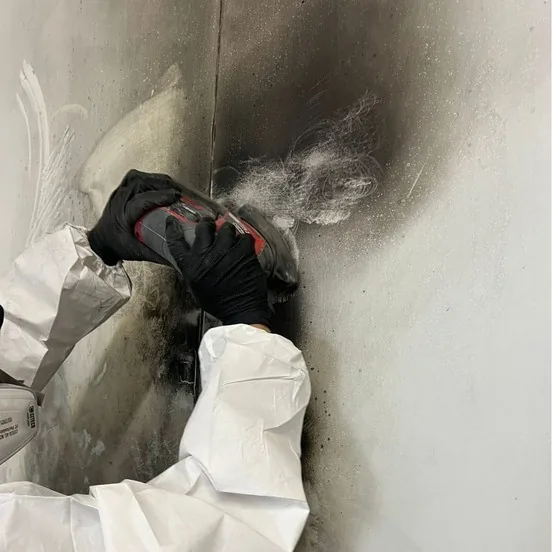 Fire and Smoke Restoration
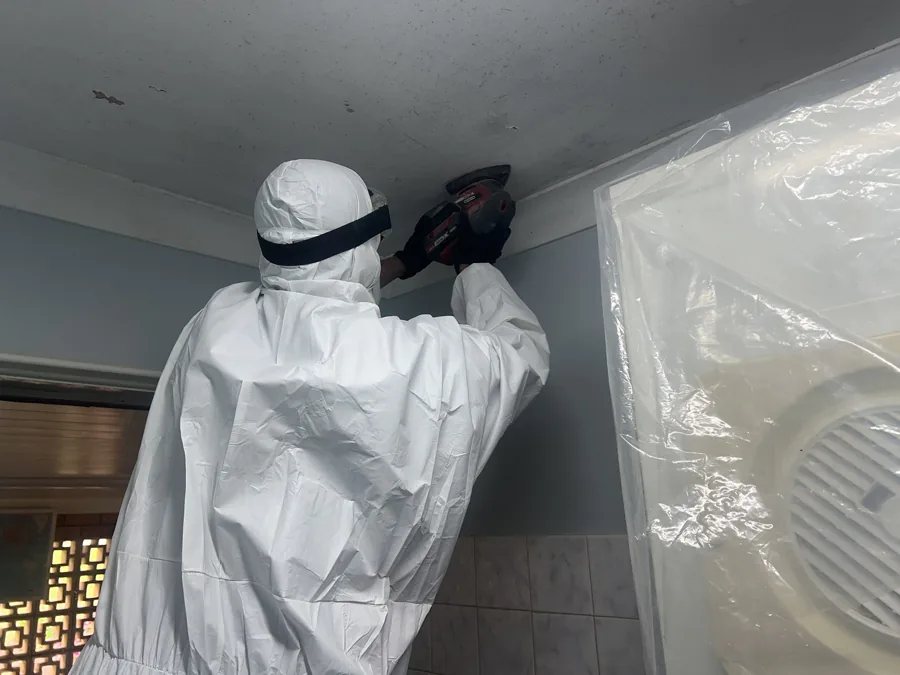 Mould Removal & Remediation
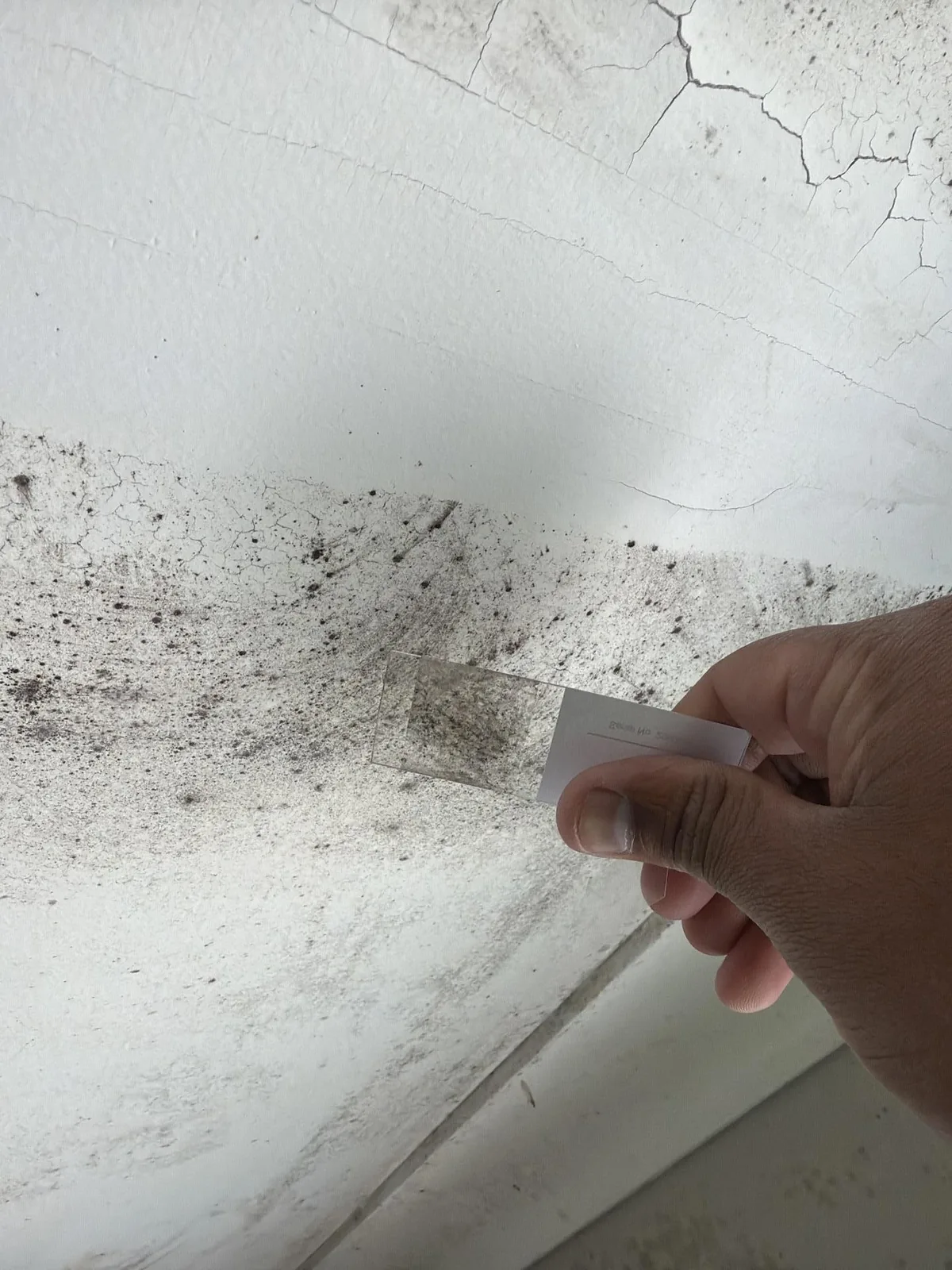 Mould Inspection
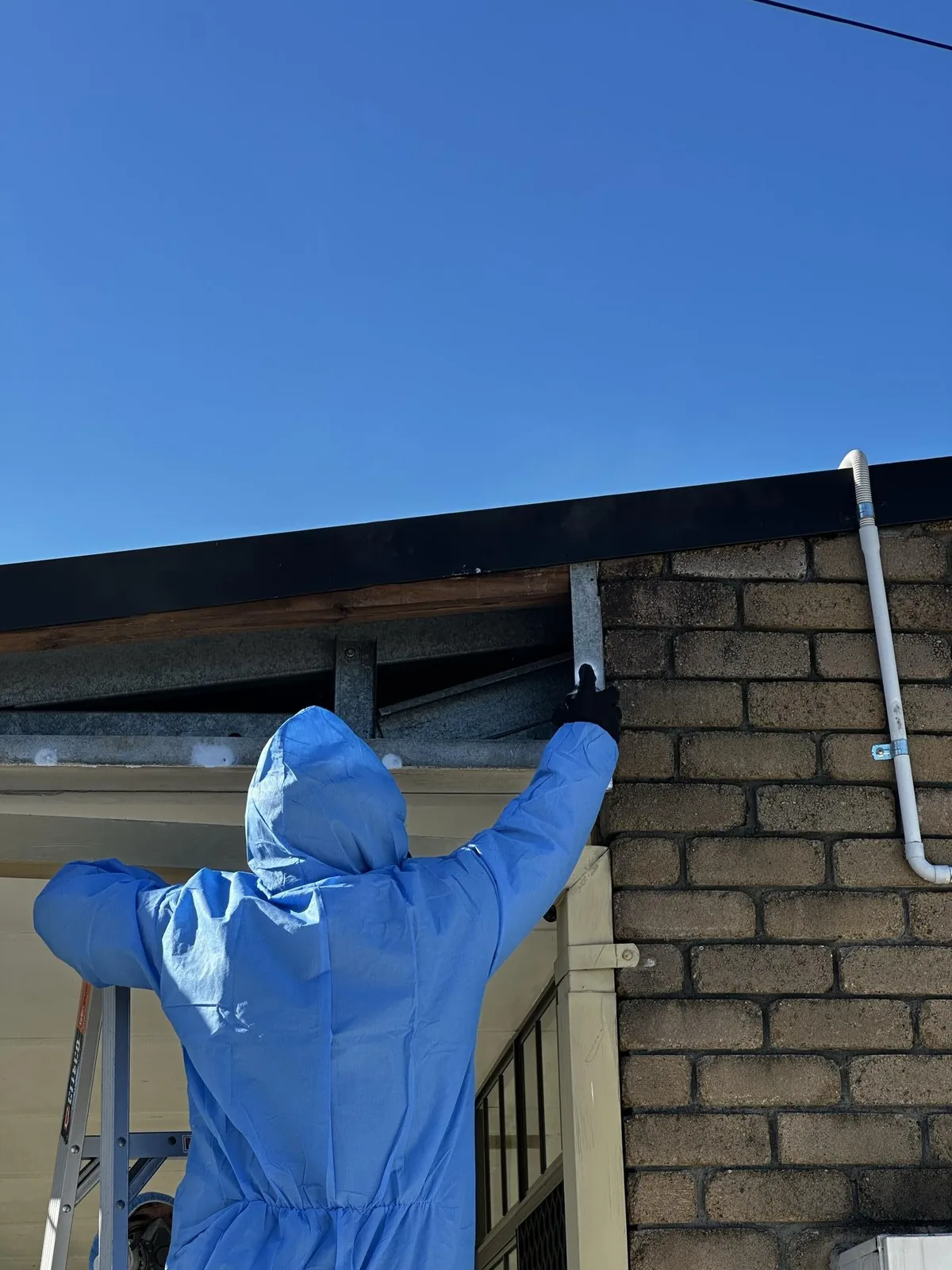 Asbestos Removal
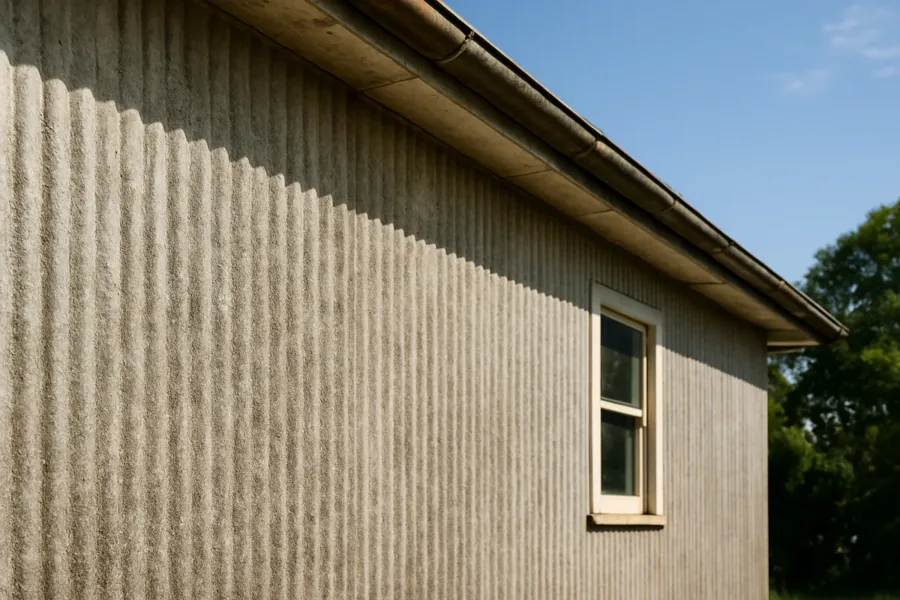 Asbestos Testing
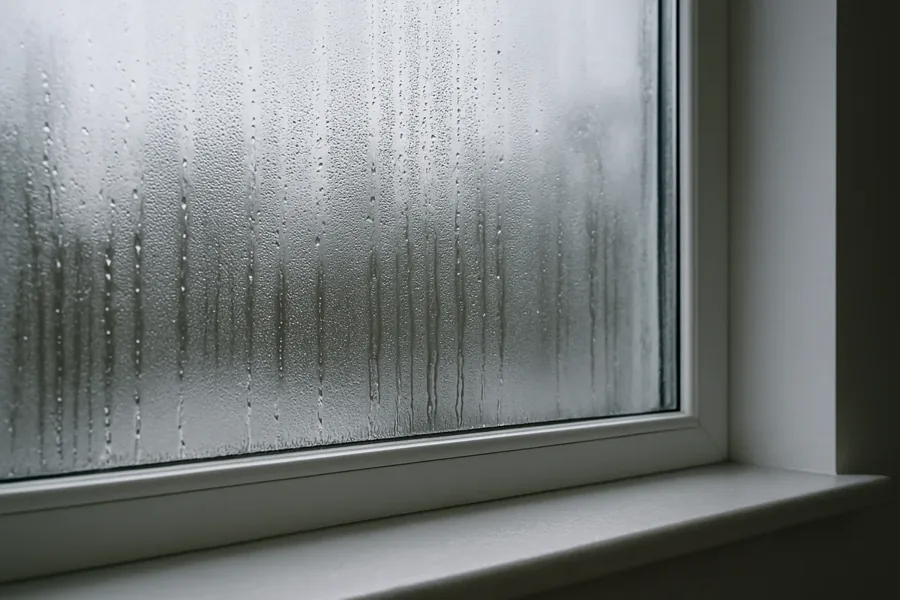 Dehumidifier Hire
 Air Quality Testing
 Structural Drying
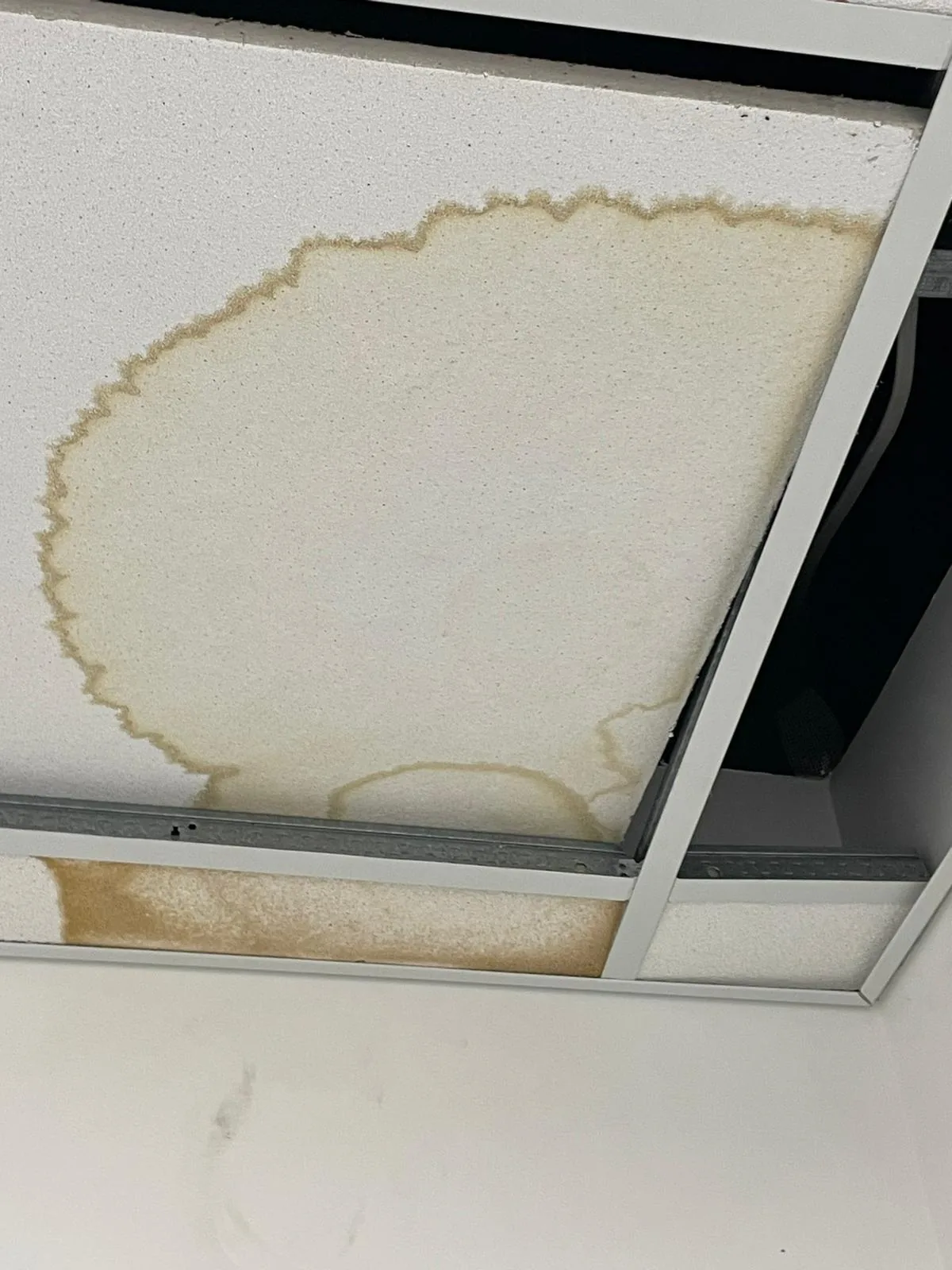 Water Leak Detection
 Trauma & Crime Scene Cleaning
 Deceased Estate Clearing
 Hoarding & Squalor Cleaning
 Meth Testing & Decontamination
 Lead Paint Removal