How the work is approached
Nobody arrives to judge. Hoarding is often tied to grief, illness or a hard stretch of life, and a clean-up that ignores that tends not to last. The person stays involved in the decisions, and the work moves in stages so it doesn’t feel like everything is being taken at once.
Where an agency or case worker is involved, we work with them on the plan and the timing.
How a job runs
- A private first visit to understand the home, the person’s wishes and any deadlines, such as a tenancy inspection.
- A plan, agreed with the person, the family or the agency, that sets out what happens in each stage.
- Sorting, with keepsakes, documents, photos and valuables kept aside.
- Removal and responsible disposal of what is not being kept.
- Safe handling of biohazards such as waste, mould and sharps, then cleaning and sanitising.
- Odour treatment and restoration so the home is safe and usable.
For landlords and agencies
When a tenancy inspection, a council notice or a housing review sets the deadline, the plan is built around it, with each stage scheduled so the home is ready in time. Landlords and community housing providers get a clear scope before work starts and a record of what was done.
Who you are dealing with
Elite Restoration is part of the Elite brand, operating since 1984, an IICRC Certified Firm with technicians certified in applied microbial remediation, and carries $20 million in public and products liability cover. Work is done discreetly, and insurance claims are handled with direct insurer liaison.
Hoarding and squalor questions
Will this be kept confidential?
Yes. Details are shared only with the people you choose, such as family or a case worker.
Who decides what is kept?
The person, or the family where that is appropriate. Nothing personal or valuable is thrown out without a decision.
Is it covered by insurance?
Sometimes, for example where there is damage to the building. We liaise with the insurer on any claim.

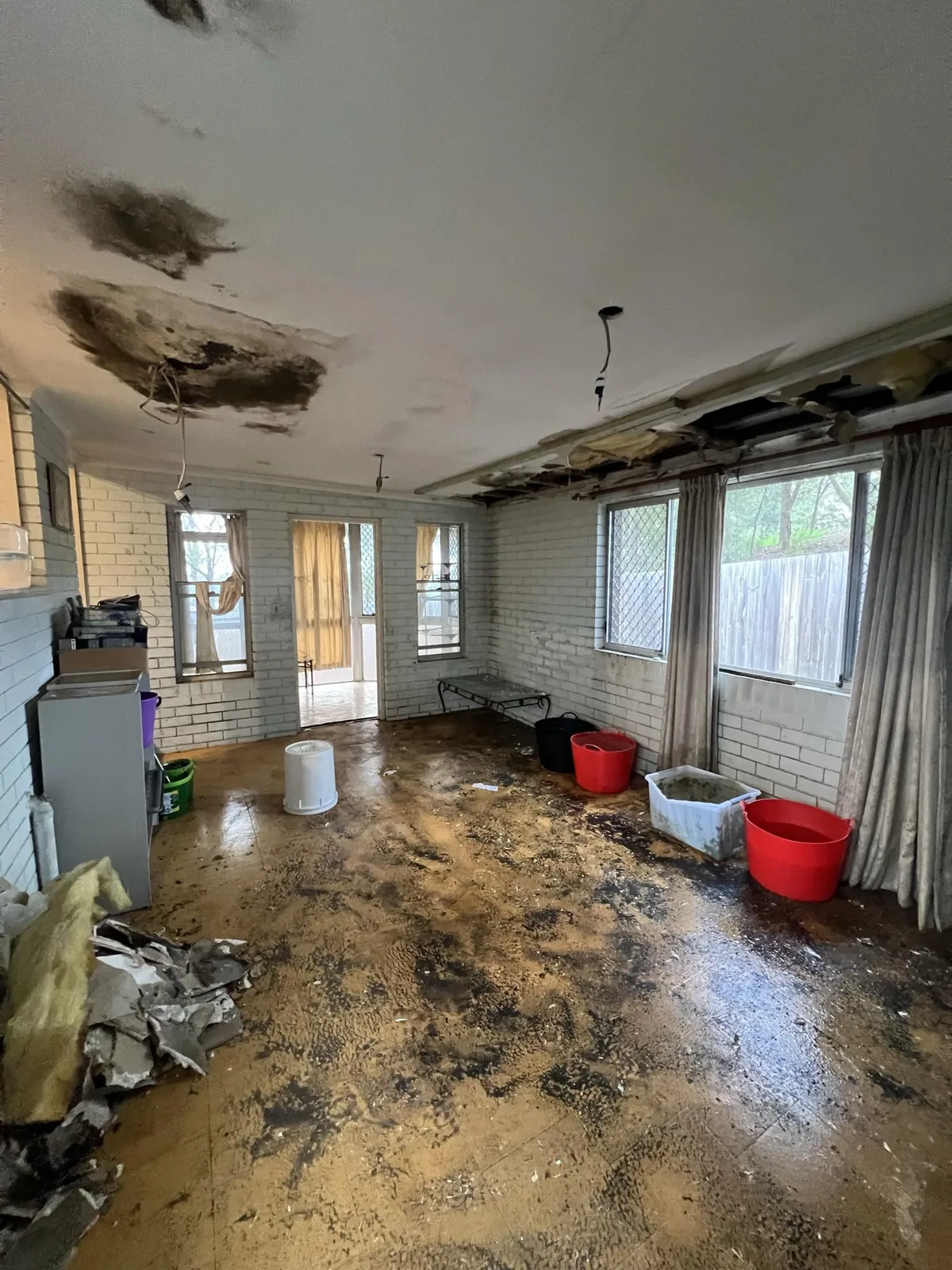 Water Damage Restoration
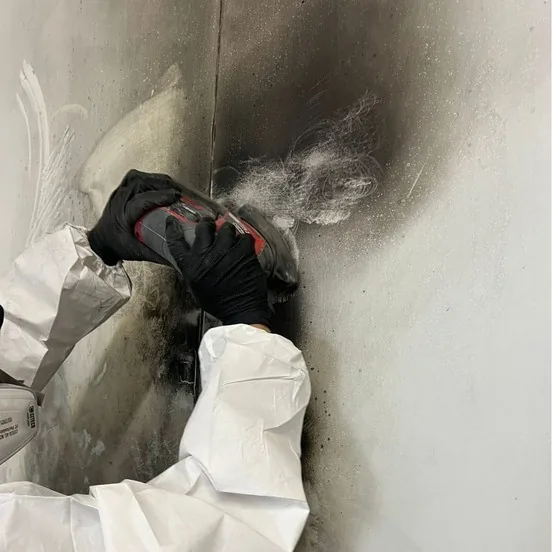 Fire and Smoke Restoration
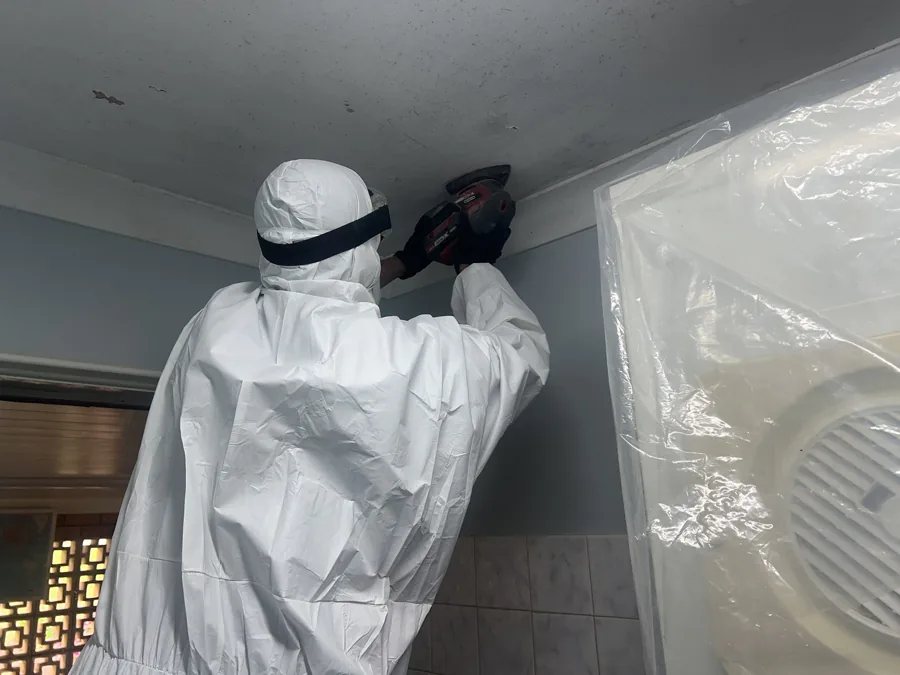 Mould Removal & Remediation
 Mould Inspection
 Asbestos Removal
 Asbestos Testing
 Dehumidifier Hire
 Air Quality Testing
 Structural Drying
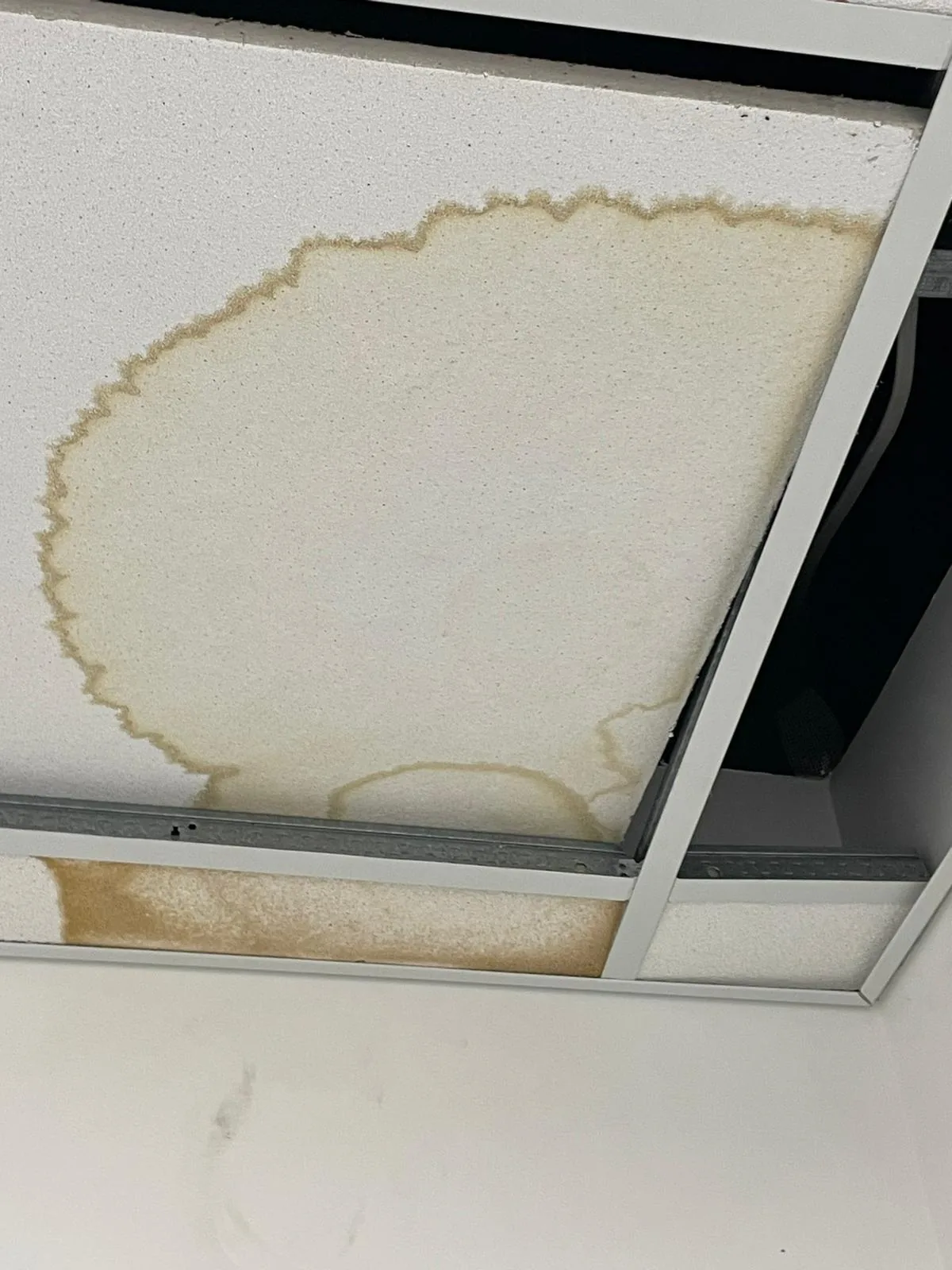 Water Leak Detection
 Trauma & Crime Scene Cleaning
 Deceased Estate Clearing
 Hoarding & Squalor Cleaning
 Meth Testing & Decontamination
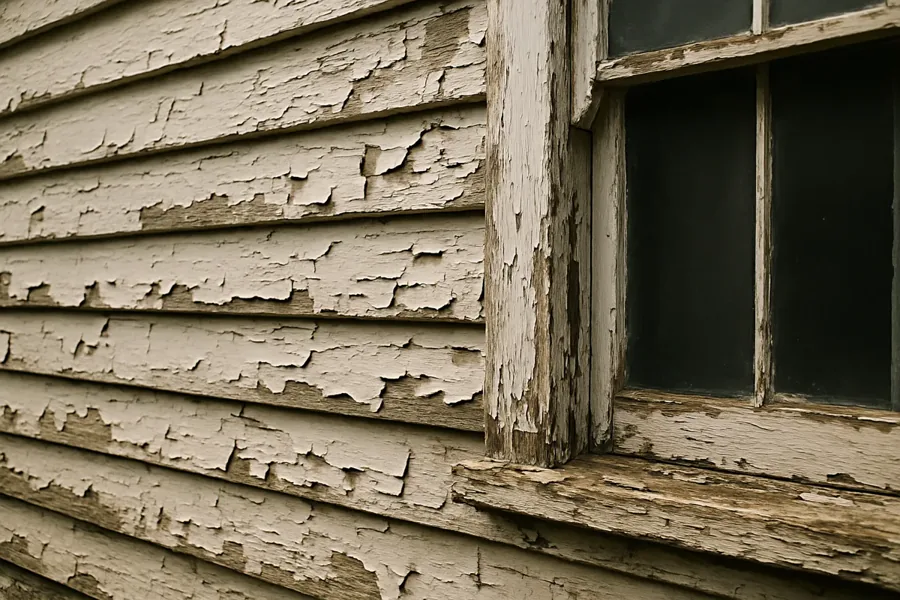 Lead Paint Removal