What each measurement tells you
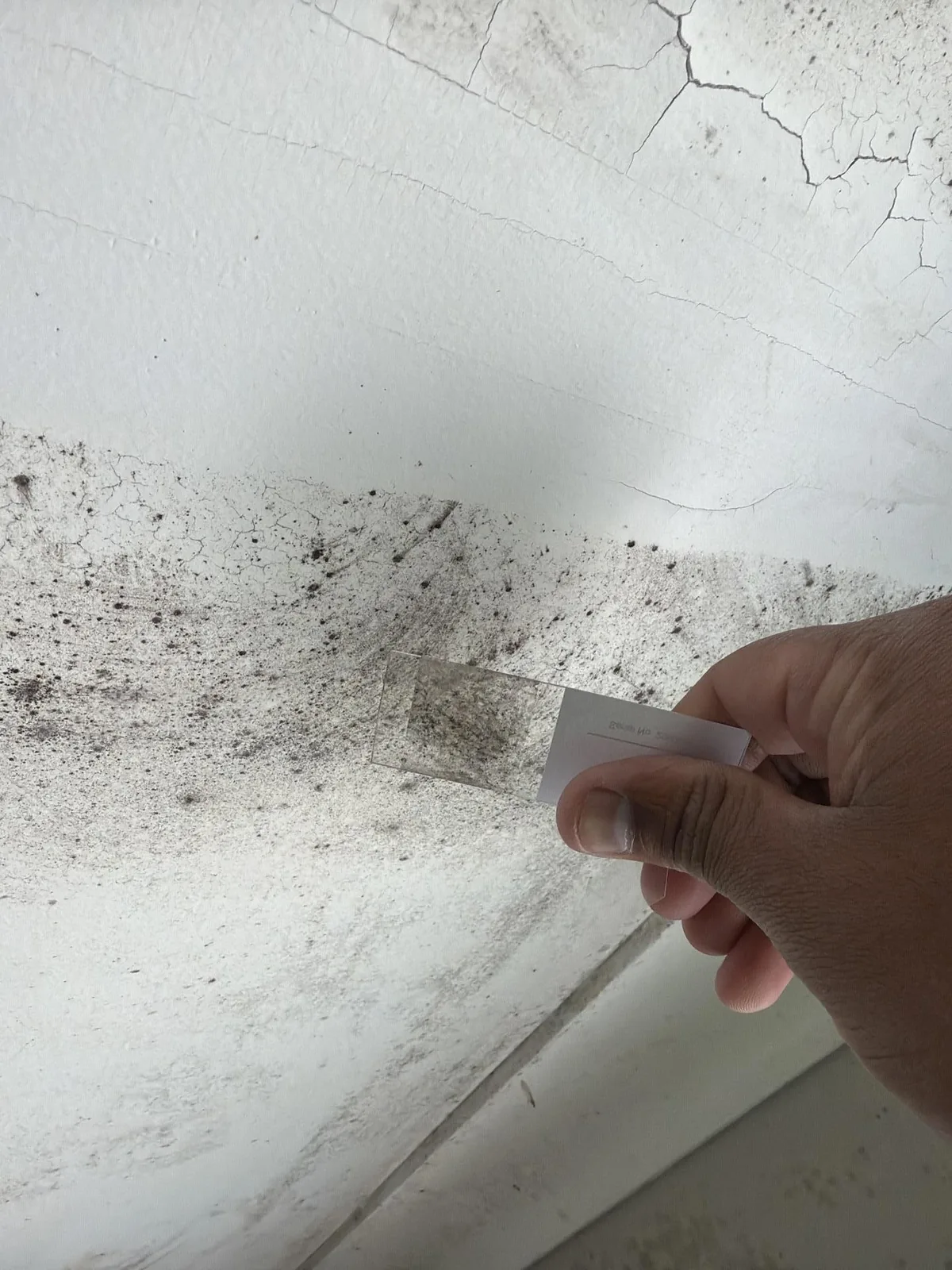
- Mould spores show whether mould is growing indoors, even where you can’t see it, when the indoor count or types differ from outside.
- Particulates are fine dust and smoke particles small enough to breathe deep into the lungs.
- VOCs are gases given off by paints, glues, new furniture, cleaning products and some building materials.
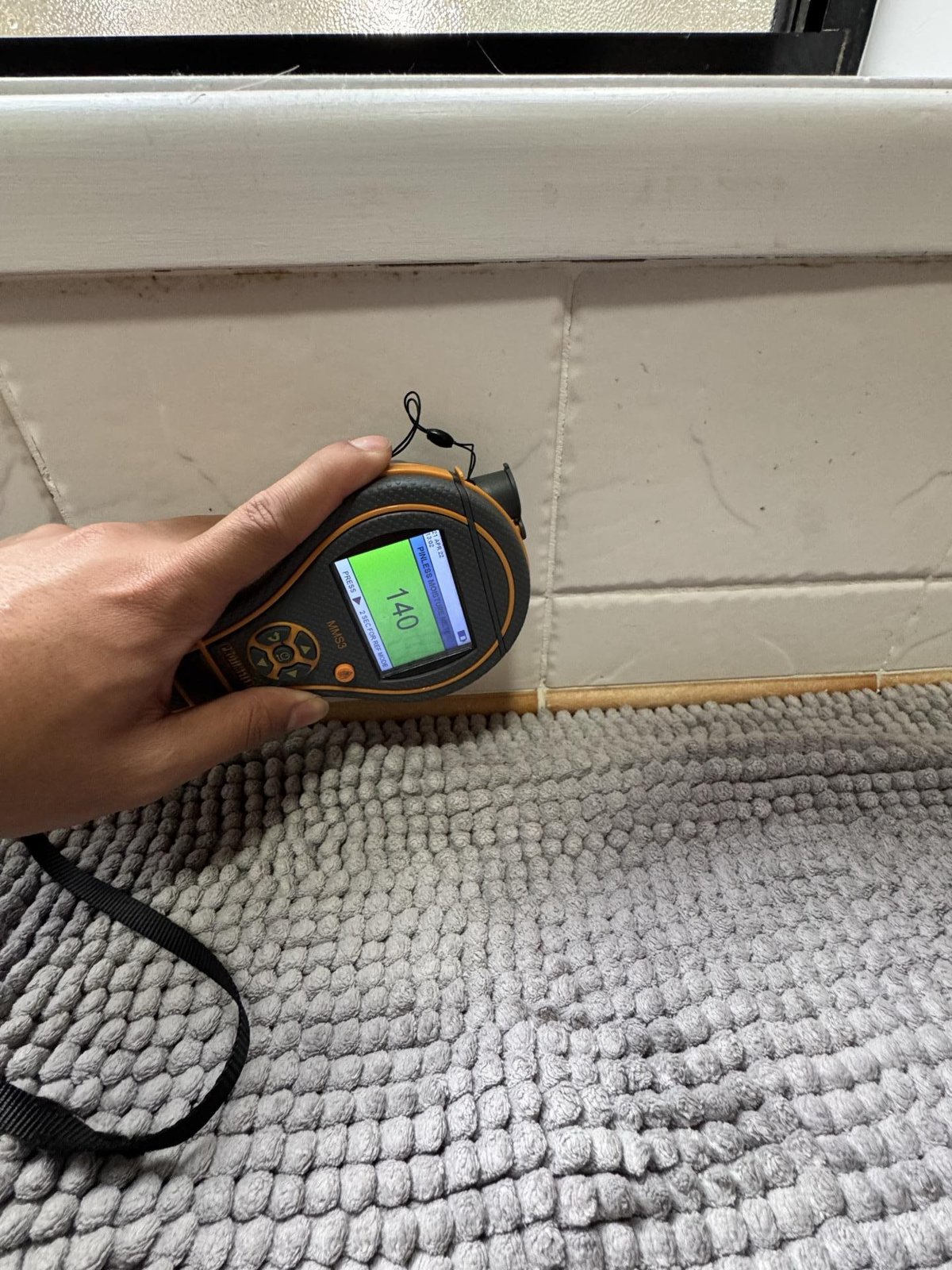
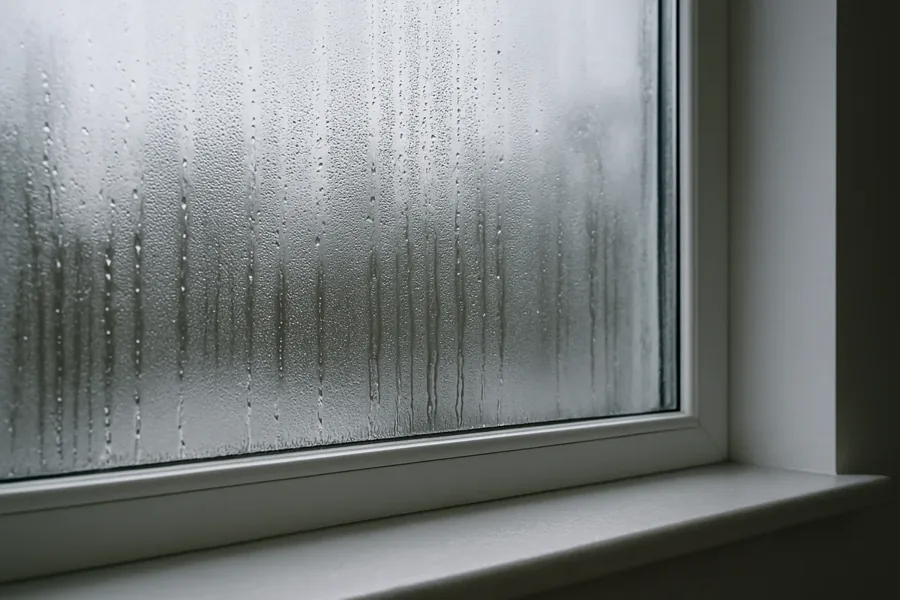
- Humidity matters because damp air feeds mould and dust mites. Relative humidity that stays high is often where the problem starts.
The outdoor sample is the yardstick. Some spores and particles are always in the air; what matters is whether the inside is worse than the outside, and in which rooms.
How testing works
- We talk through the symptoms, smells or events behind the request, and which rooms to test.
- Readings and air samples are taken in those rooms, plus an outdoor comparison.
- Samples go for analysis through NATA-accredited laboratory partners.
- You get a report on what was found, how it compares with outside, the likely source, and what to do about it.
When the results point to mould
Air testing often finds the problem; fixing it is a separate step. Where results show hidden mould, Elite Restoration can trace the moisture behind it and carry out remediation in line with IICRC S520.
Who does the work
Elite Restoration is an IICRC Certified Firm (70100265), part of the Elite brand, operating since 1984. It is CM3 certified and carries $20 million in public and products liability cover.
Air quality questions
Can air testing find mould I can’t see?
Often, yes. Higher spore counts indoors than outdoors point to hidden growth, which can then be traced.
Do I need every room tested?
Usually not. The rooms with the smell, the symptoms or the past water damage come first, plus an outdoor comparison.
Can I stay home during testing?
Yes. Testing is quiet and doesn’t disturb the house.

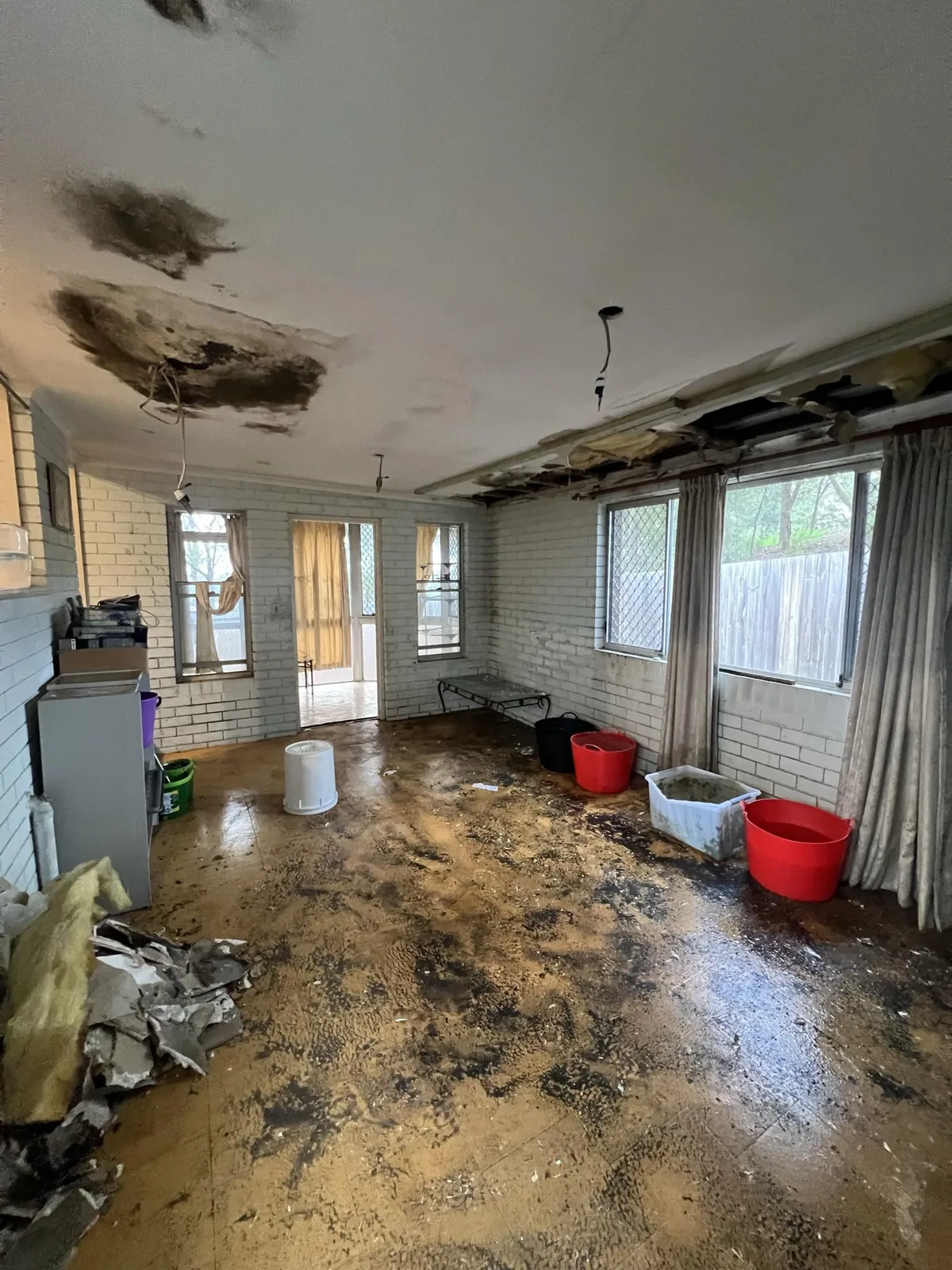 Water Damage Restoration
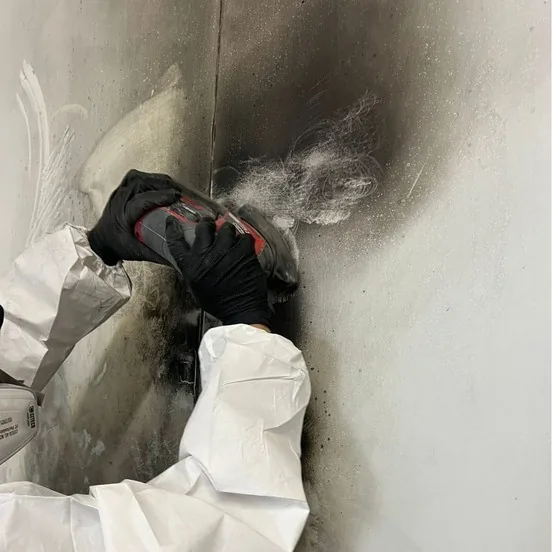 Fire and Smoke Restoration
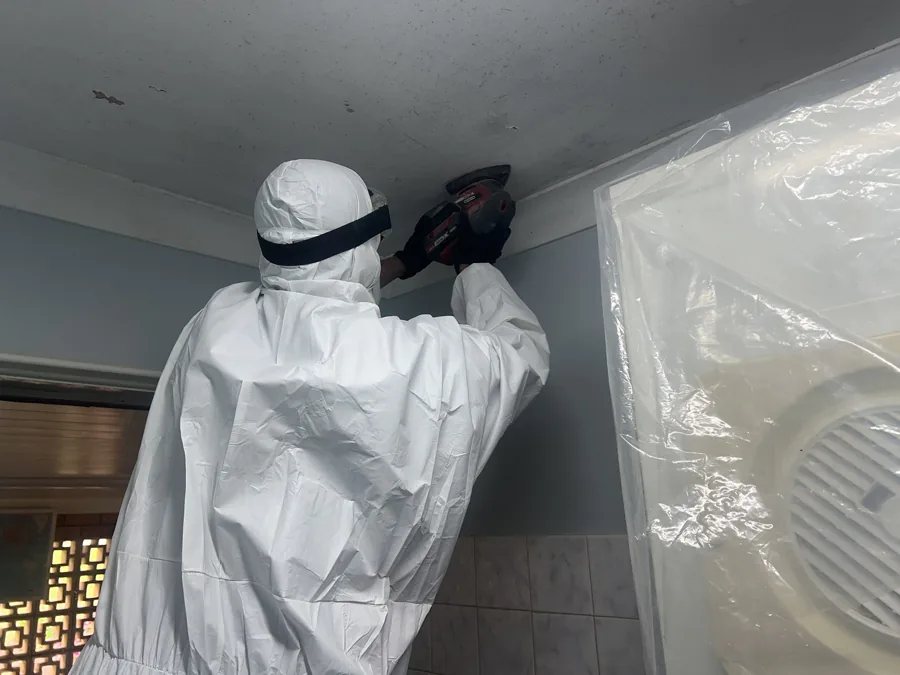 Mould Removal & Remediation
 Mould Inspection
 Asbestos Removal
 Asbestos Testing
 Dehumidifier Hire
 Air Quality Testing
 Structural Drying
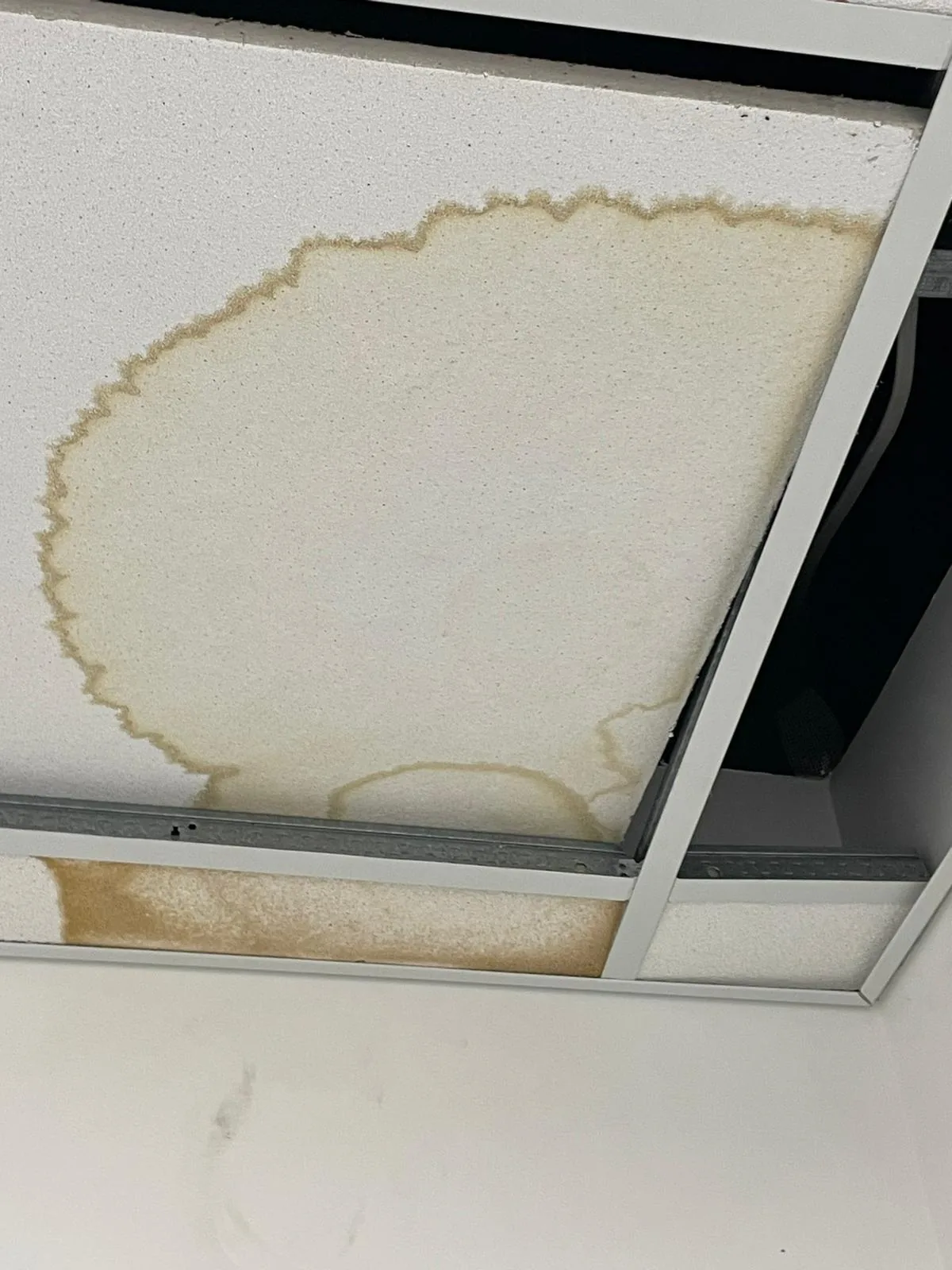 Water Leak Detection
 Trauma & Crime Scene Cleaning
 Deceased Estate Clearing
 Hoarding & Squalor Cleaning
 Meth Testing & Decontamination
 Lead Paint Removal