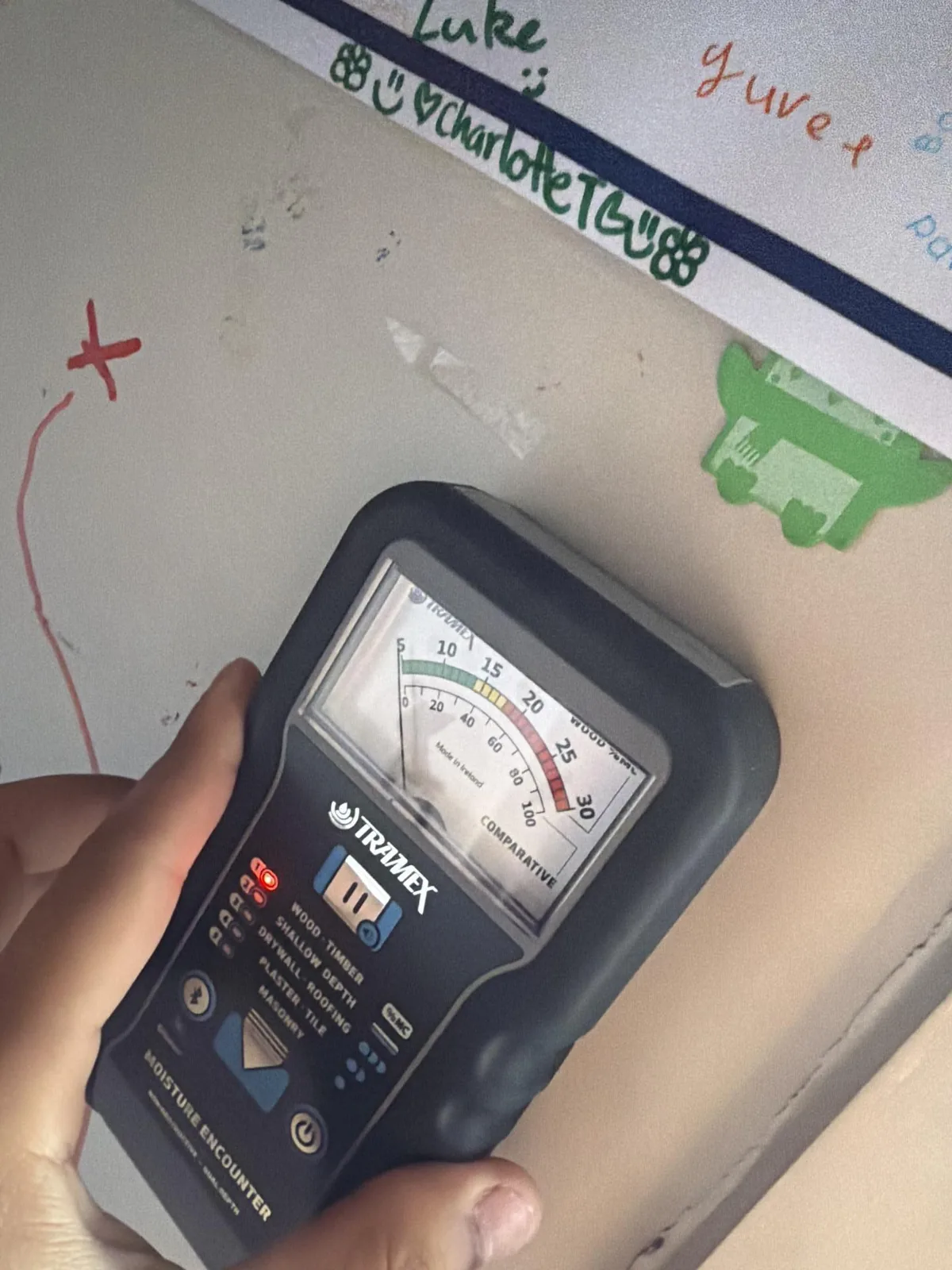
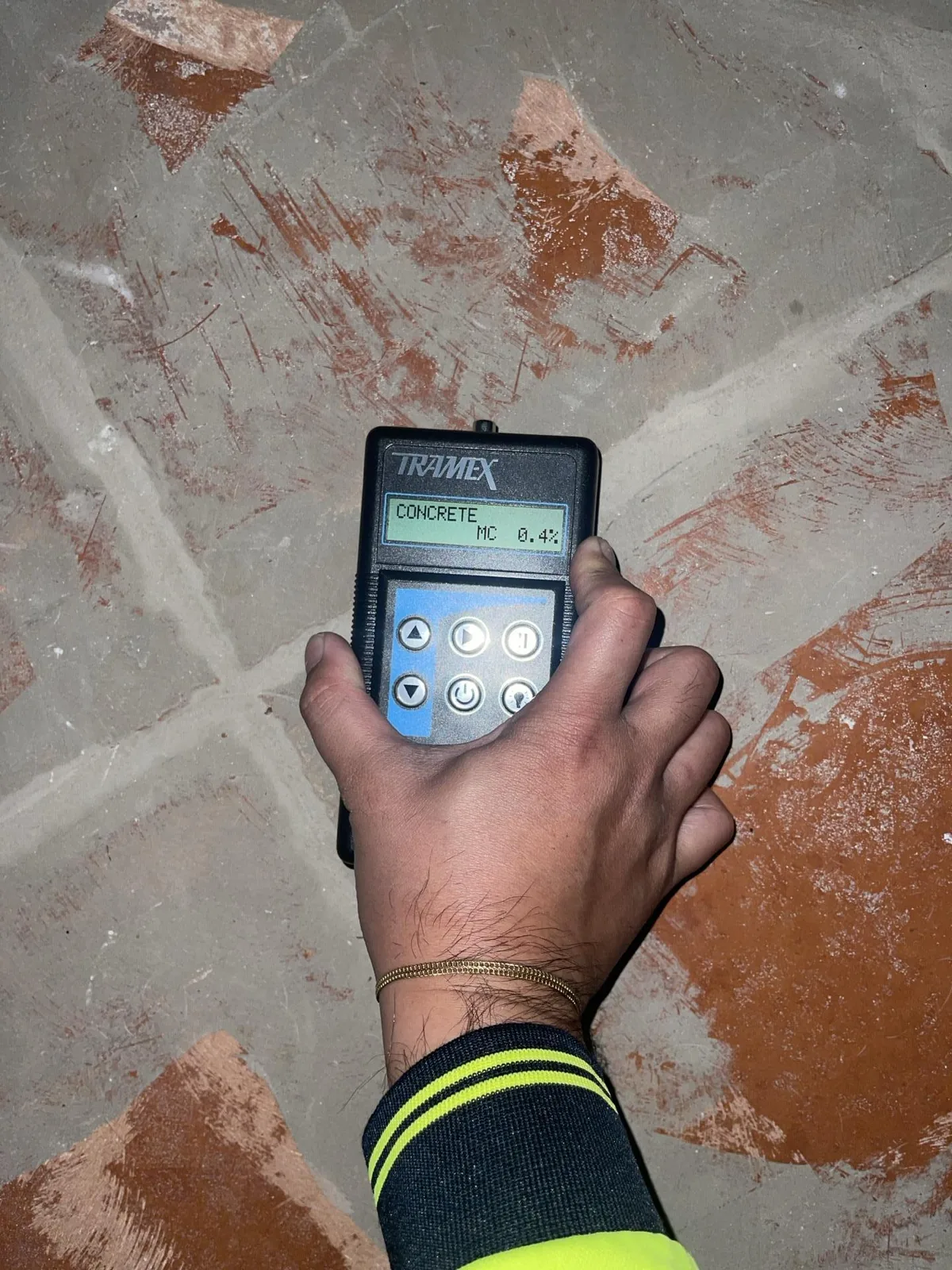
A mould inspection answers three questions: where the mould is growing, including behind wall linings and above ceilings where you can’t see it, what moisture is feeding it, and what it will take to put right. Elite Restoration inspects in line with IICRC S520, the standard for mould remediation, and samples go to NATA-accredited laboratory partners for testing.
It is worth booking when a room smells musty, when spots come back on a ceiling you have already cleaned, after a leak, burst pipe or flood has left things damp, or when a tenancy, a sale or an insurance claim needs the problem written down.
“We had a pipe burst in our ceiling, water seeped into our walls and our unit was at a very high risk for mould :( Guosheng worked tirelessly to ensure the drying process went as smooth as possible, even working until the evening on a Friday to ensure our walls would be dry and safe over the weekend! An extremely proficient and productive company that thrives on providing excellent service and quality work. Thank you so much for all of your help! <3”
“Guosheng from Elite Restoration did an amazing job dealing with the water damage to my unit, due to a burst pipe. Nothing was too hard and Guosheng had multiple tricks up his sleeve to ensure maximum drying capacity. The communication throughout the whole process was excellent, which made this very stressful situation for me a lot easier to handle. Thanks so much Guosheng.☺️”
Mould remediation is never a simple clean. Under the
IICRC S520 Standard for Professional Mould Remediation,
treating mould without a proper inspection risks missing the underlying
moisture source and leads to recurrence. Every mould job starts with a
professional inspection by S520-certified technicians, so containment,
controls and the remediation scope are set correctly from day one.
Inspection from $350 inc. GST. Remediation is scoped and
quoted separately, only after the inspection.
Find the cause — identify the moisture source so remediation actually holds.
Set containment — protect unaffected areas during the work.
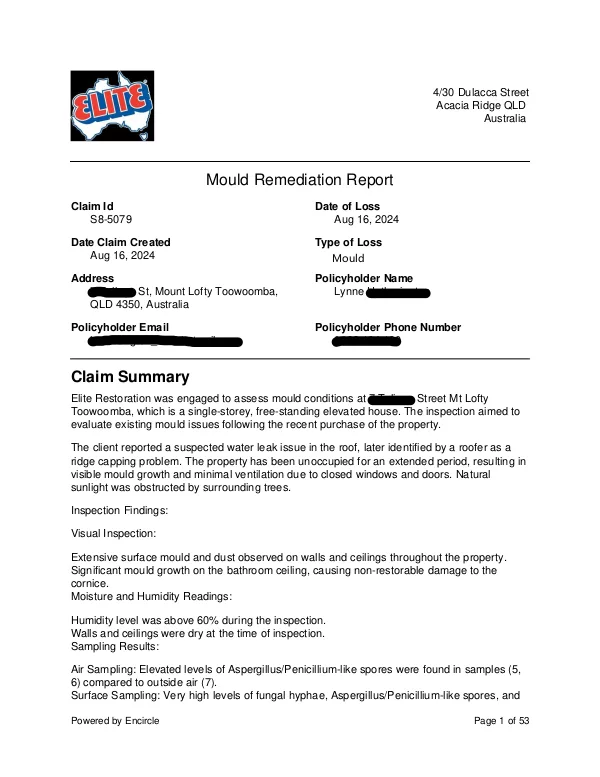
Clear scope & documentation — written report you can give insurers or strata managers.
Want to know exactly what you’ll receive? Download a real example of the
written report our S520-certified technicians produce after a mould
inspection — findings, moisture readings, photos and the recommended
remediation scope.
What you have noticed. The smell, the staining, the leak last month, the room that never seems to dry. Your account decides where the inspection starts.
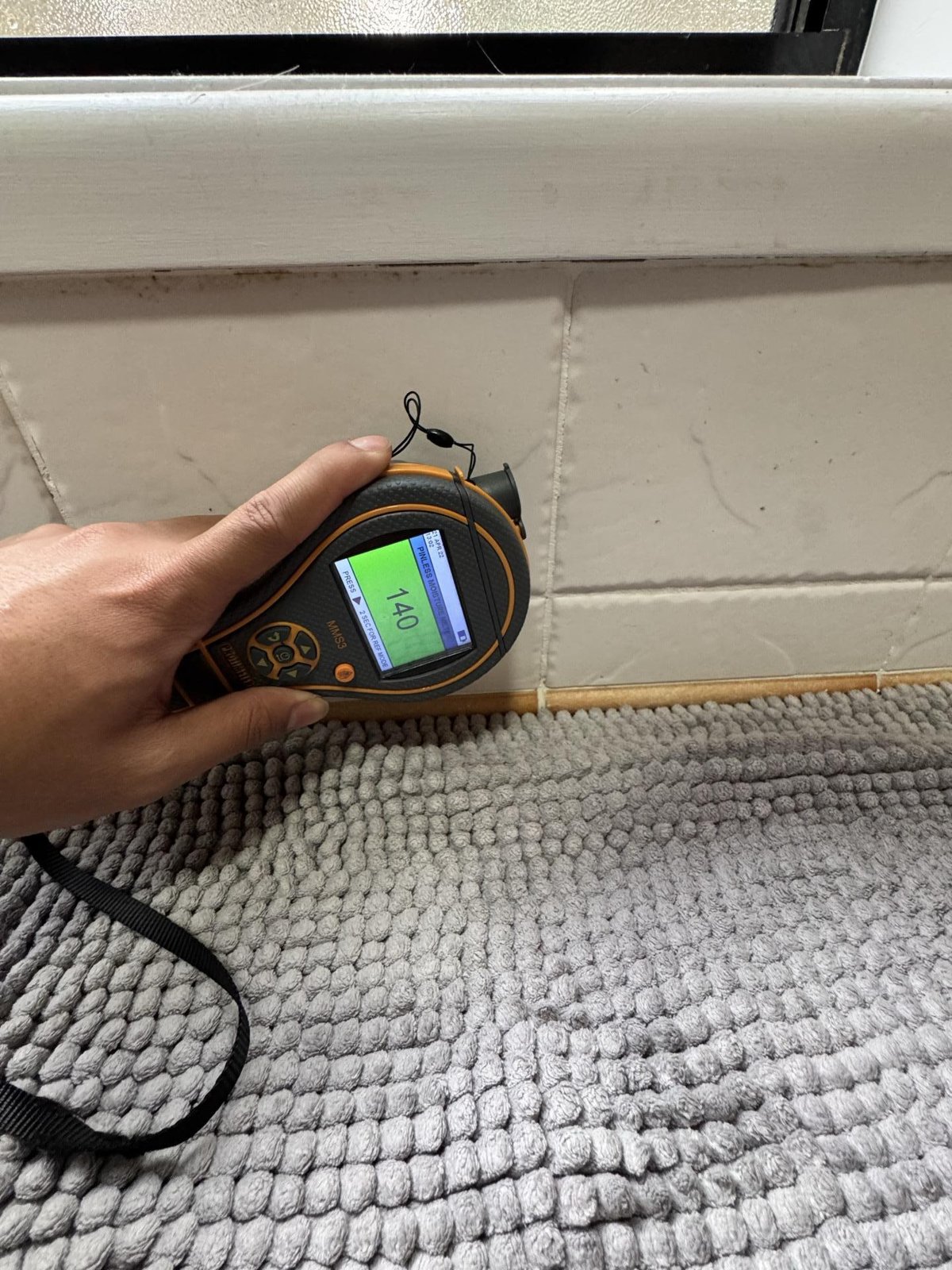
Moisture first, then mould. Moisture readings across the walls, ceilings and floors around the affected area show where water is sitting, which is often well beyond the visible growth. The surfaces are then checked room by room.
Sampling where it earns its place. Air or surface samples are taken when the extent is unclear or a report needs lab results, and they are tested through NATA-accredited laboratory partners. Sampling shows how far the problem reaches. It is not a health diagnosis.
The report and the scope. An initial report and a scope or quote are targeted within 24 hours: what was found and where, the likely moisture source, and the work needed.
Remediation and drying. If you go ahead, the same team removes the mould and dries the structure in line with IICRC S520 and S500, then issues a completion report.
To be clear about one thing: Elite Restoration also carries out the remediation. The inspection is how that work gets scoped properly, and the report lays the findings out so you, your agent or your insurer can see what the scope rests on.
Who does the work
Elite Restoration is an IICRC Certified Firm, certificate number 70100265, with IICRC-certified technicians on staff whose certifications include applied microbial remediation and applied structural drying. The firm carries $20 million in public and products liability cover and is CM3 certified for contractor compliance.
Where mould follows water damage covered by a policy, the team liaises with your insurer on the claim from first call to final sign-off, with reporting, scopes and quotes done live on site. Behind it is the Elite brand, operating since 1984, with a head office in Acacia Ridge, Brisbane, and work carried out Australia-wide.
Mould inspection questions
What does the report include?
Where mould was found, where moisture was found, the likely source of that moisture, any laboratory results, and the scope of work recommended. It is written so a landlord, agent or insurer can follow it without having been there.
Will the mould come back after it is cleaned?
It will if the moisture stays. Wiping the surface removes what you can see but leaves the cause, which is why the inspection looks for the water before anything else.
Is mould inspection covered by insurance?
That depends on your policy and on what caused the mould. Where it follows an insured event such as a burst pipe or a storm, the team liaises with your insurer on the claim, and the insurer decides what is covered.
Who is responsible for mould in a rental?
That usually turns on the cause: a leak or building defect, or how the place has been used and aired. An inspection can’t settle the question for you, but the report records the cause, which is what both sides tend to need.
Is it safe to stay in the house?
It depends on how much growth there is, where it is and who lives there. The inspection tells you what was found, and the scope says whether affected rooms should be closed off while the work is done.

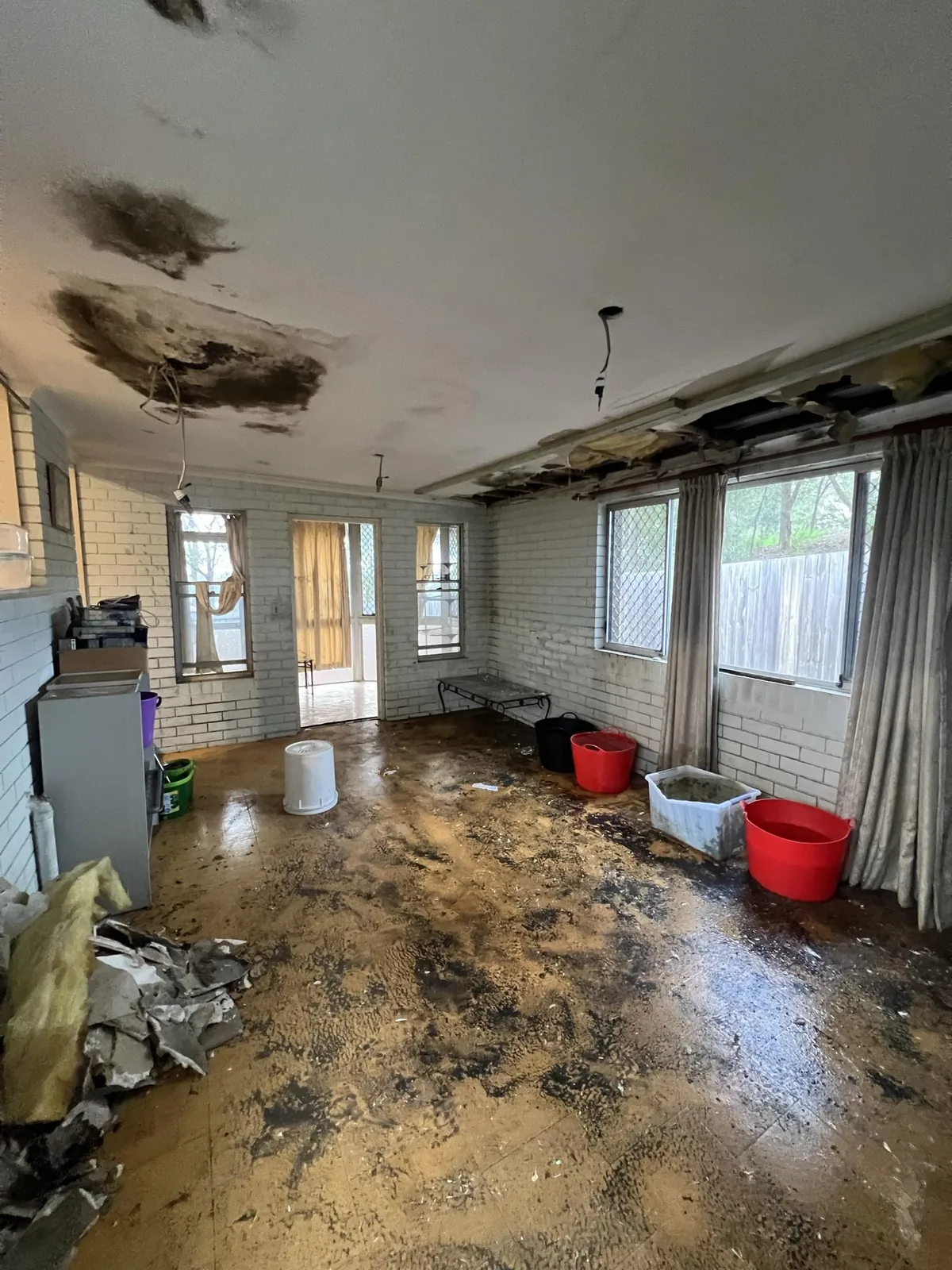 Water Damage Restoration
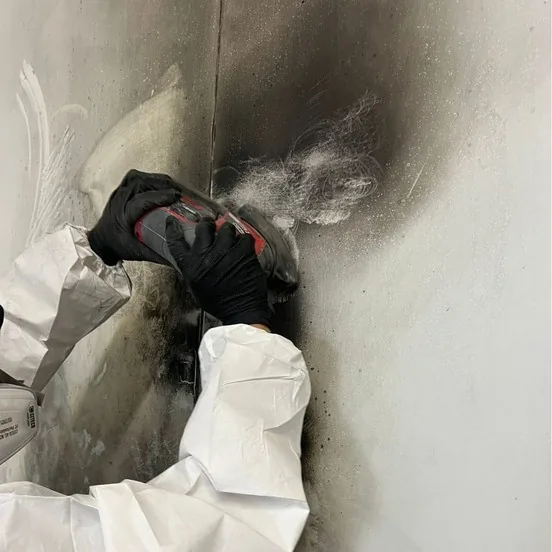 Fire and Smoke Restoration
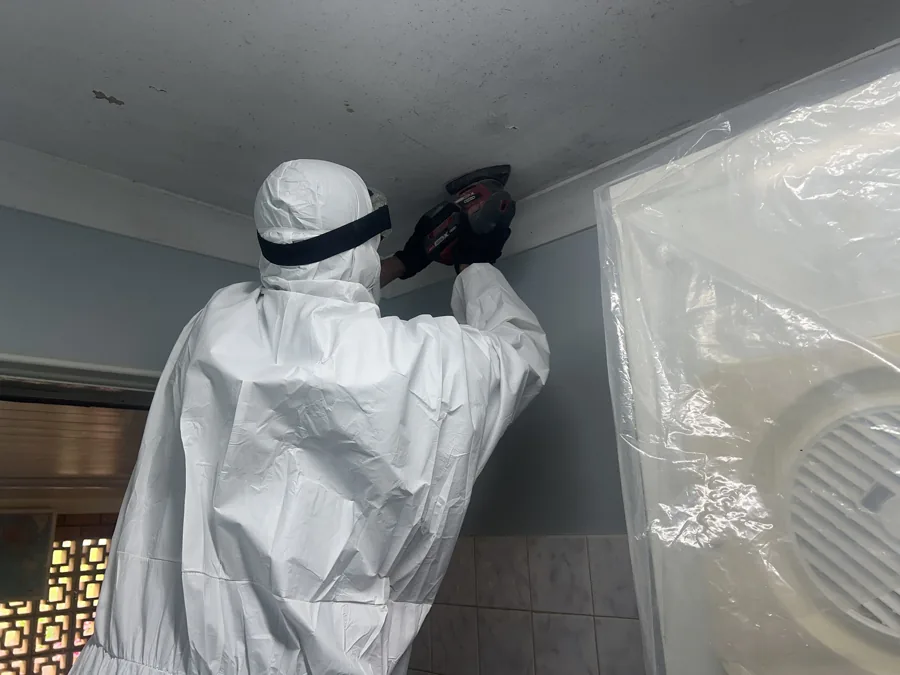 Mould Removal & Remediation
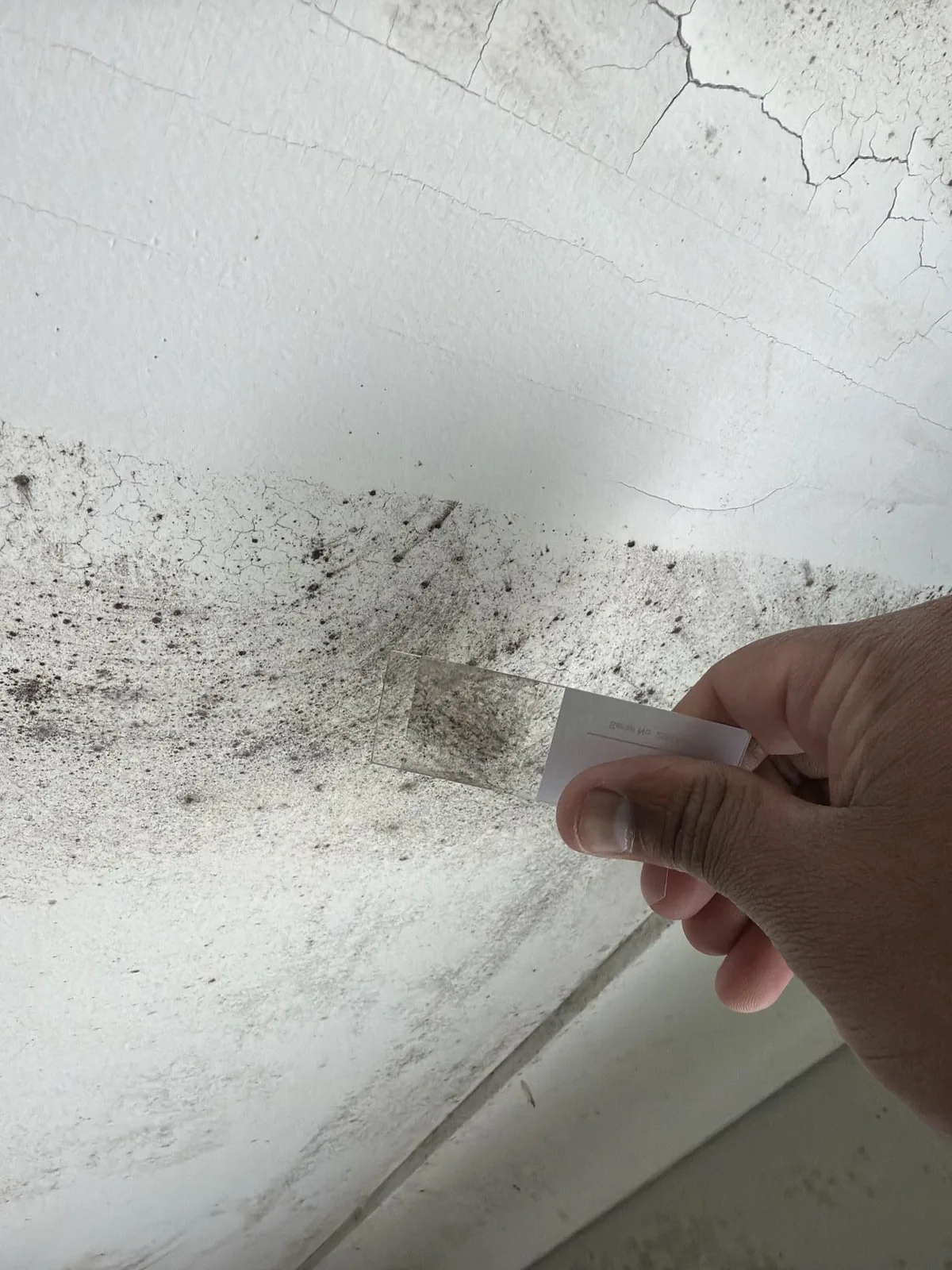 Mould Inspection
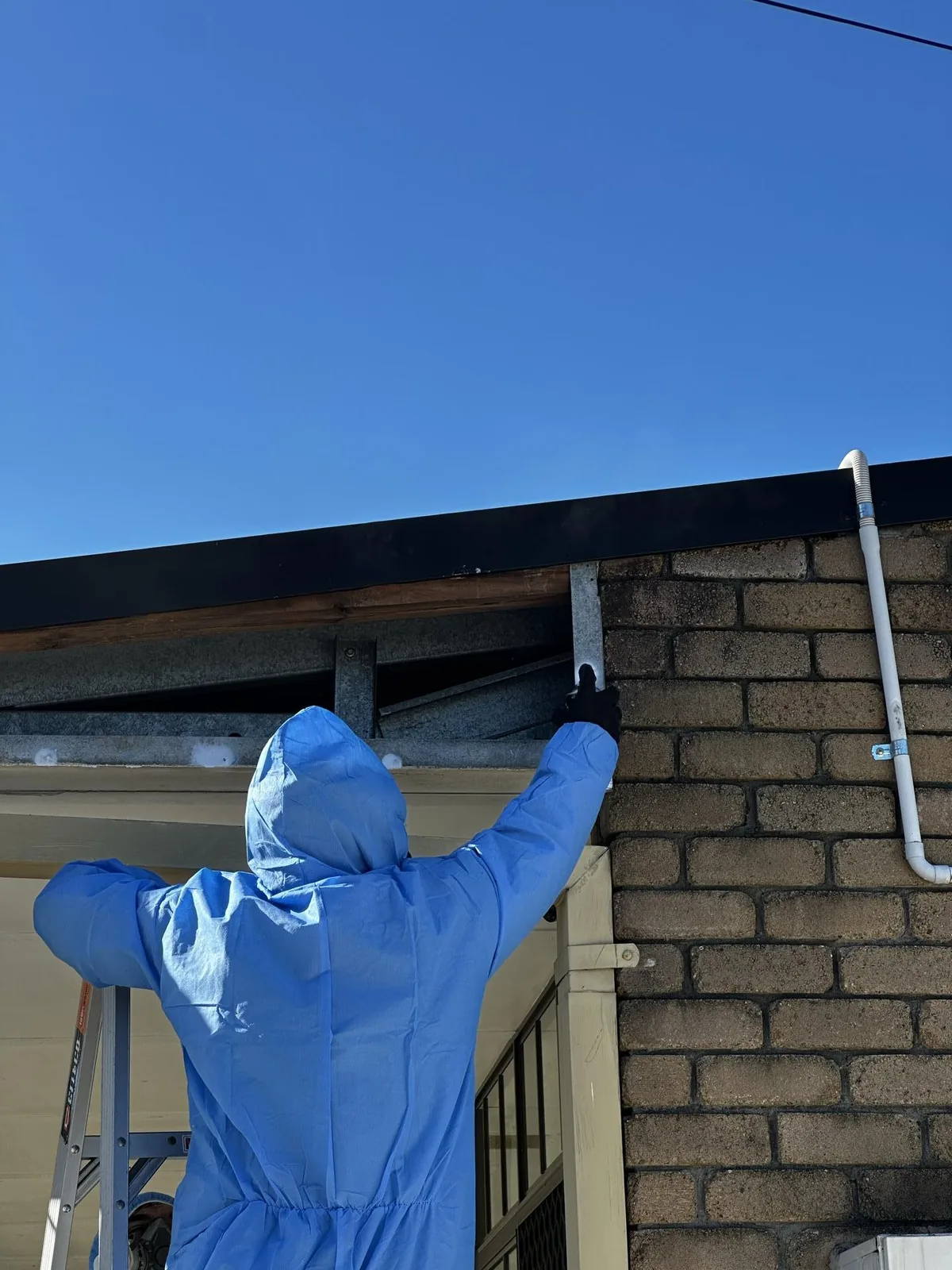 Asbestos Removal
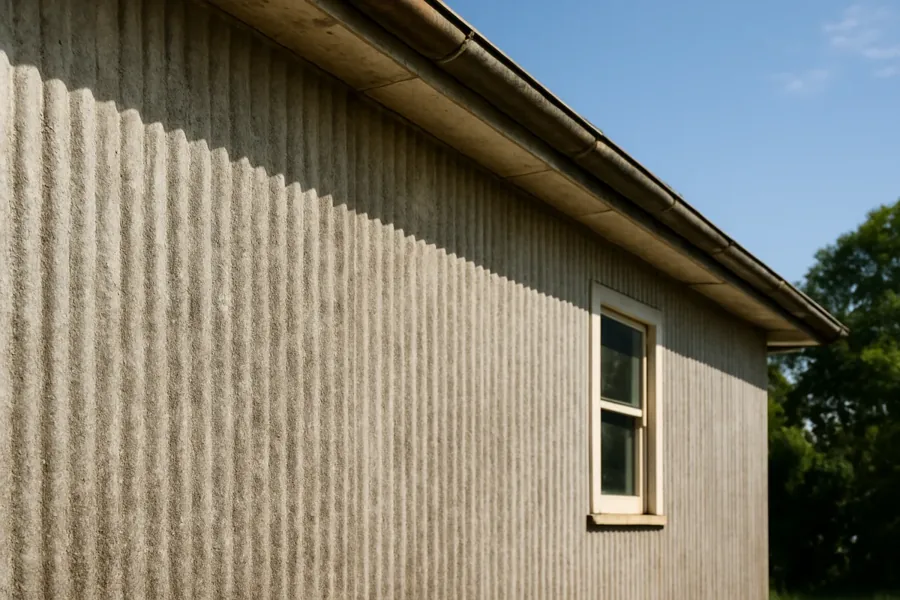 Asbestos Testing
 Dehumidifier Hire
 Air Quality Testing
 Structural Drying
 Water Leak Detection
 Trauma & Crime Scene Cleaning
 Deceased Estate Clearing
 Hoarding & Squalor Cleaning
 Meth Testing & Decontamination
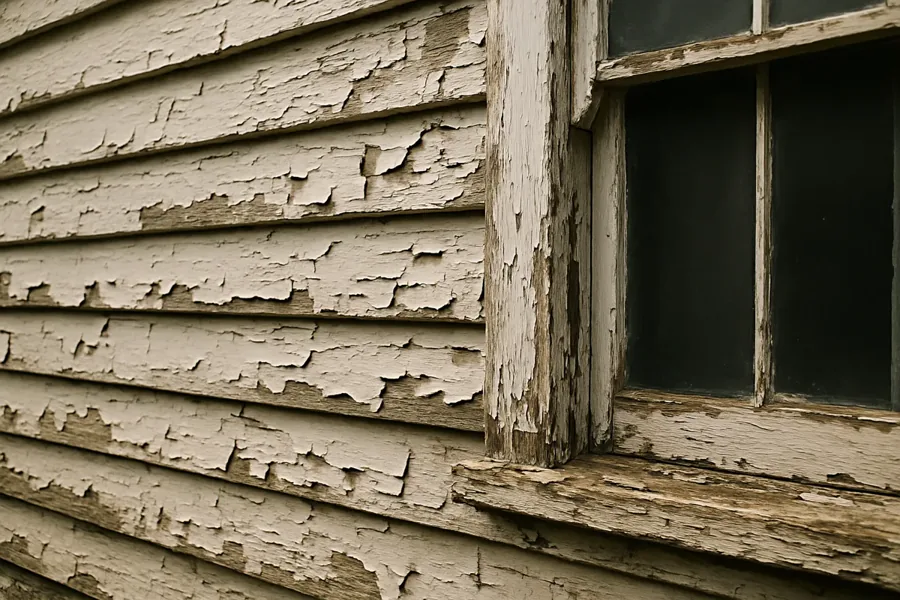 Lead Paint Removal