In September 2026 our team completed water damage work in Kirrawee, NSW 2232, and documented 13 rooms across the property.
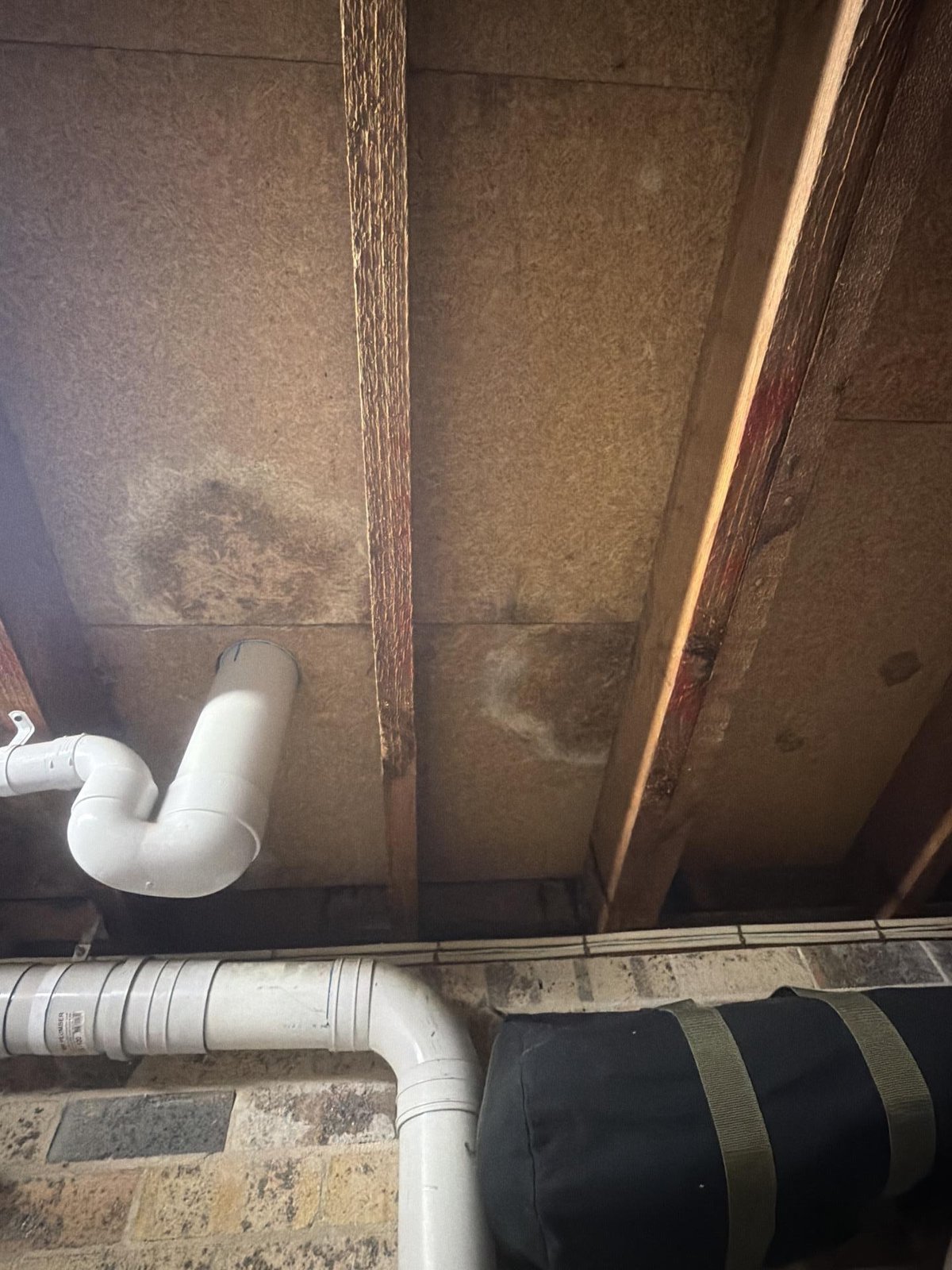
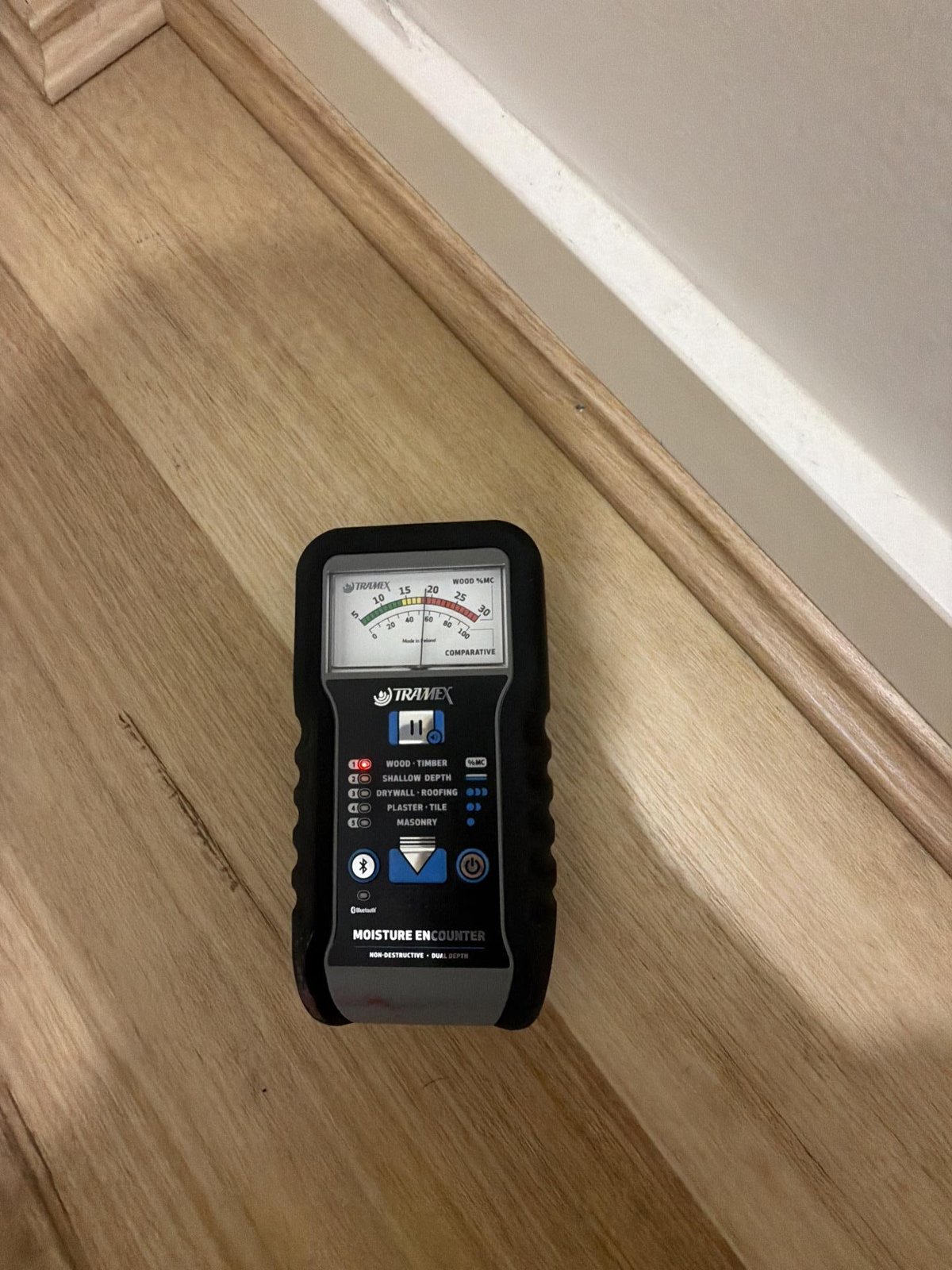
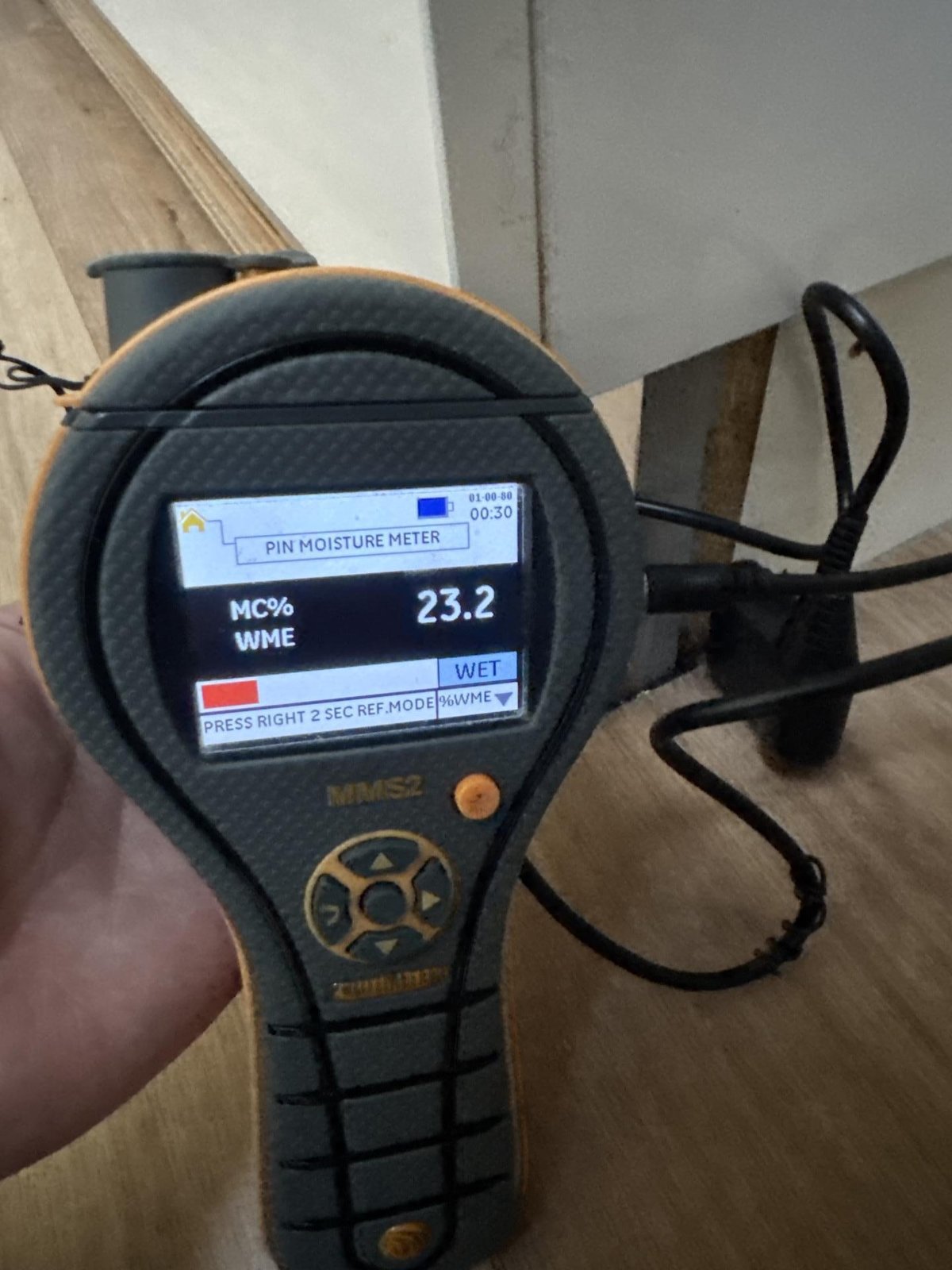
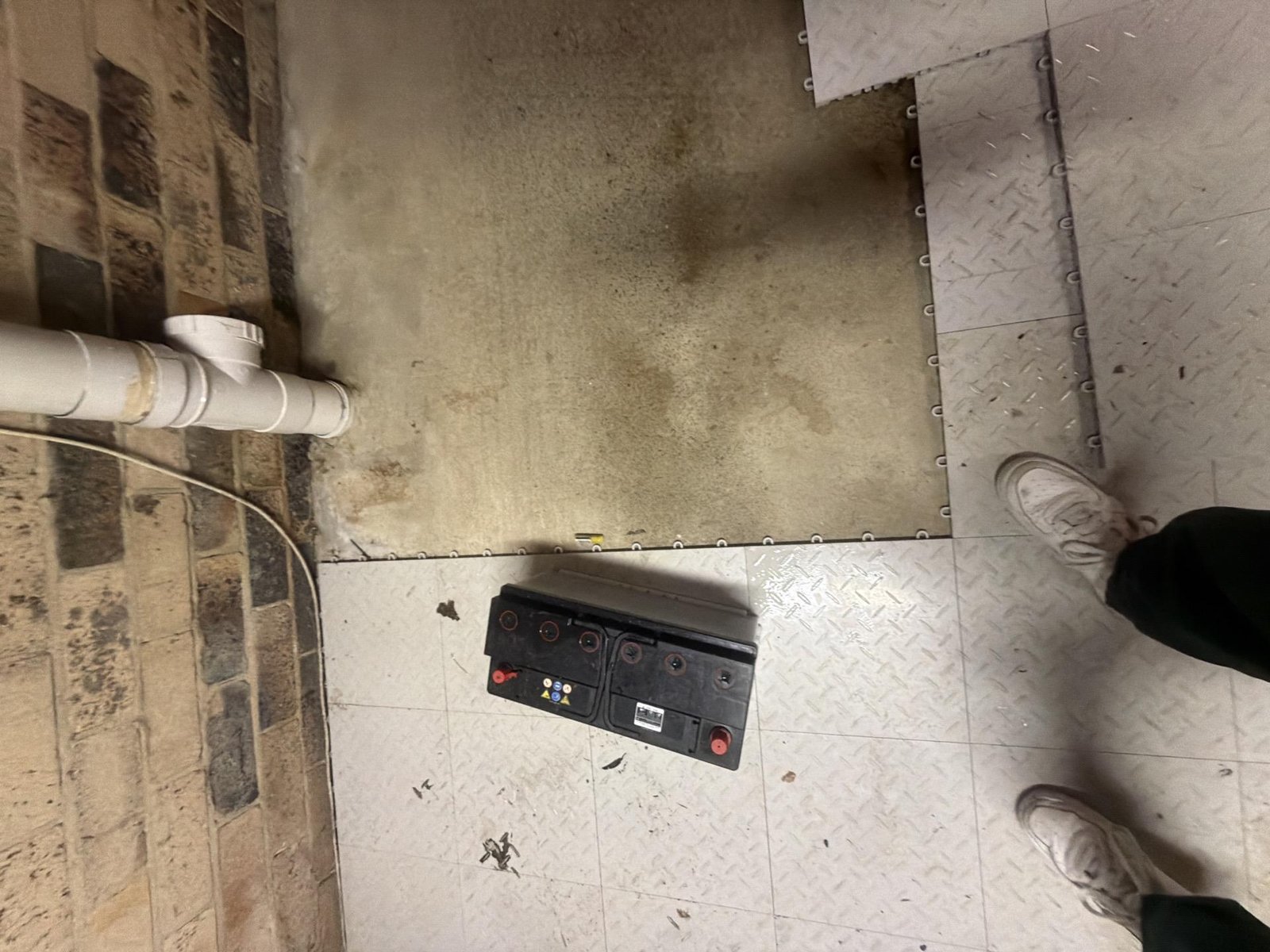
The first stage of a job like this is establishing what is wet and how far the water has travelled. Water moves into subfloors, behind skirting and under timber or particleboard flooring, so the visible damage is often only part of the picture. Our technicians check moisture levels in each room and record them, which is how the scope of drying is set. One photo from the job shows water staining on underfloor particleboard above white PVC pipes, with a black drying bag in place to manage the water.
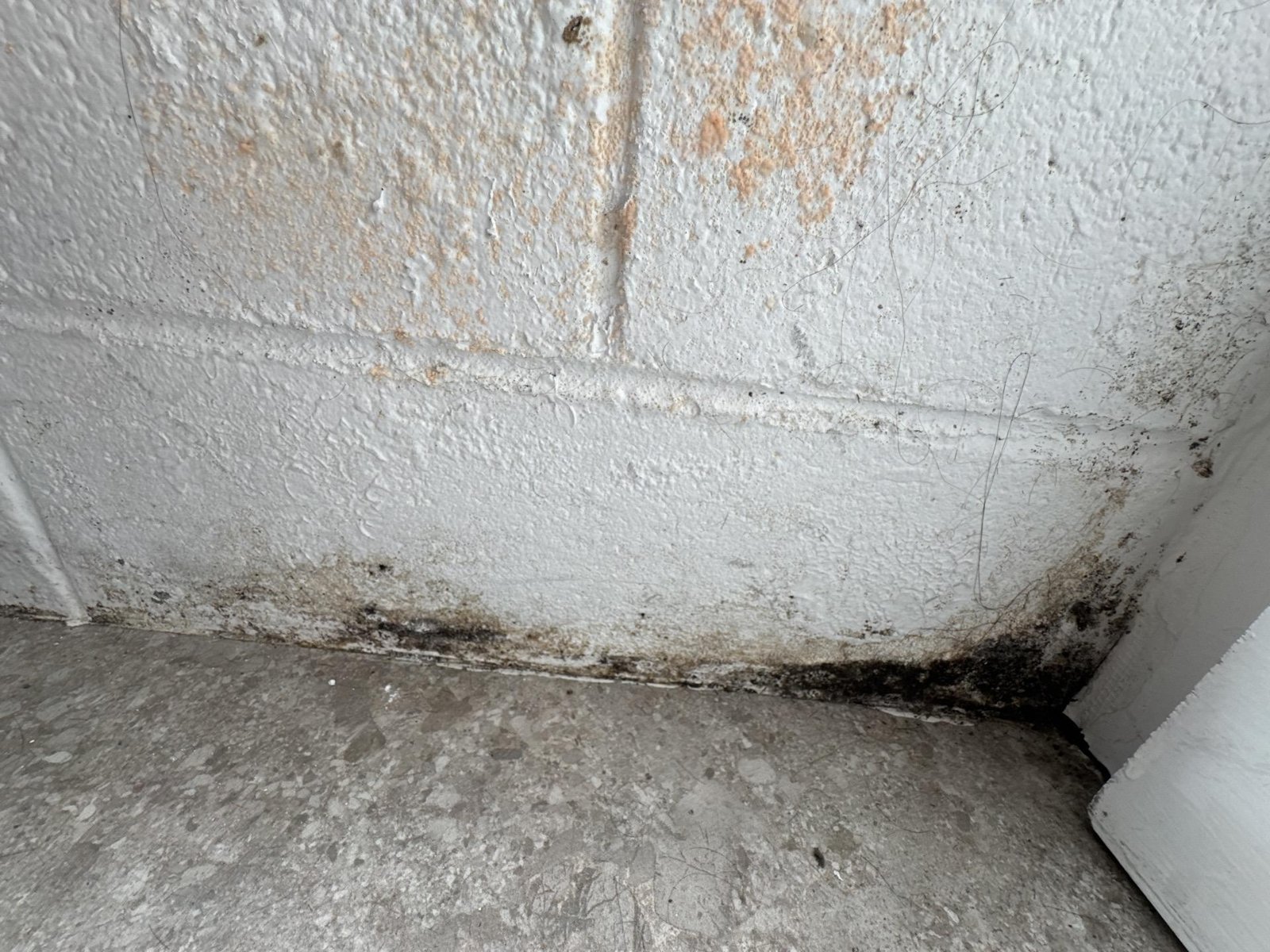
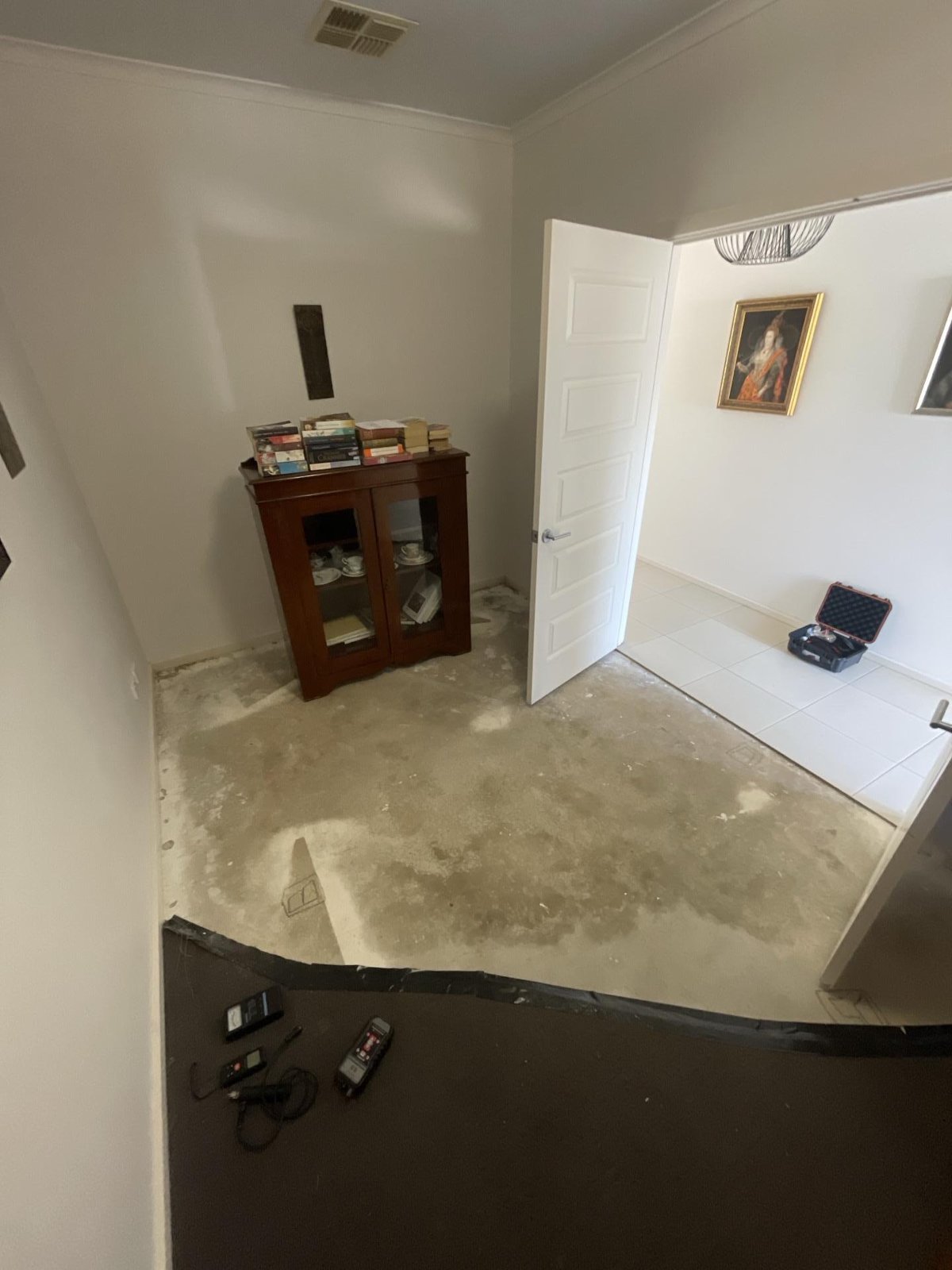
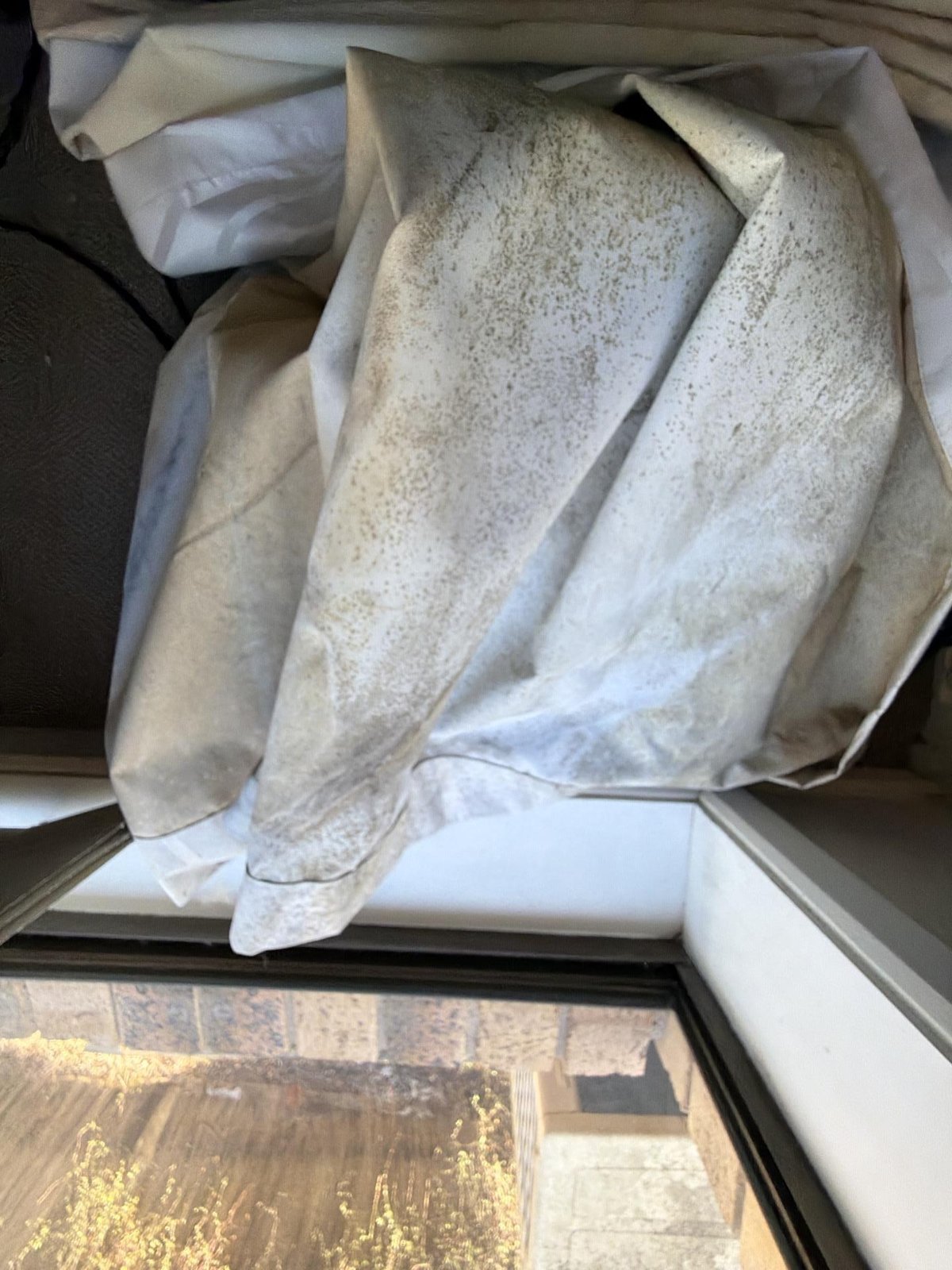
Drying is carried out in line with IICRC S500, the industry standard for water damage restoration. That means controlling the moisture that remains, running air movers and dehumidifiers where needed, and monitoring readings over time until materials return to their dry standard. Wet soft goods such as bedding and fabric are removed and assessed, because water left in them can start to develop mould within a short period. Another photo shows mould-speckled bedding and fabric set aside on a window sill, which is the kind of item that gets bagged and handled separately. Concrete floors that have taken on water are dried and checked the same way, with the surfaces cleaned once they are dry enough to assess.
For homeowners and tenants in Kirrawee, the main reason to act quickly is that wet building materials deteriorate fast. Timber can swell and lift, plaster can crack, and mould can establish inside walls and under floors where it is hard to see. Getting moisture under control early usually means less material needs replacing and a shorter disruption to the household. Where a claim is involved, the documentation of each room, with readings and photos, gives a clear record of the work carried out.
Read more about our Water Damage Restoration service.
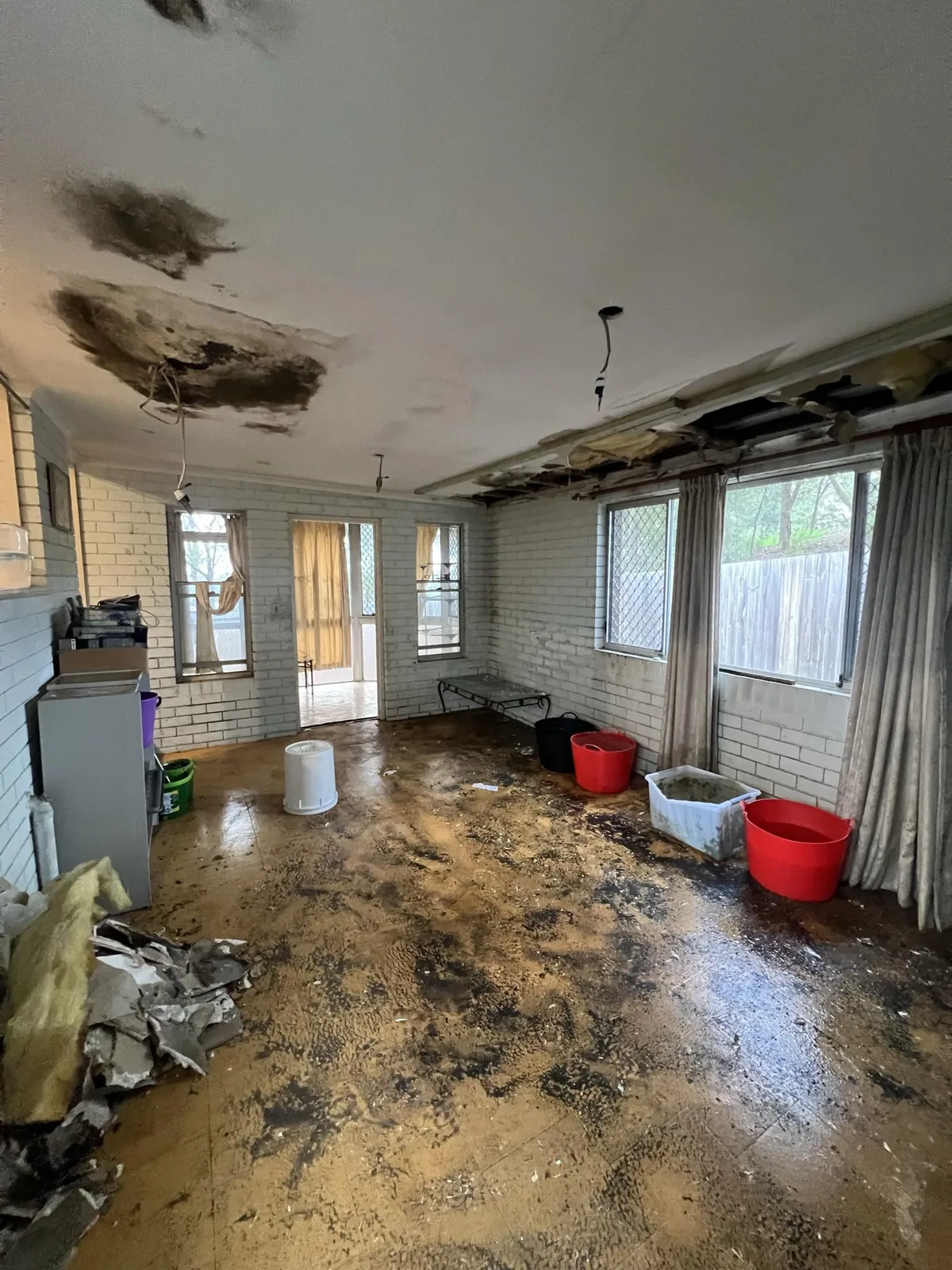 Water Damage Restoration
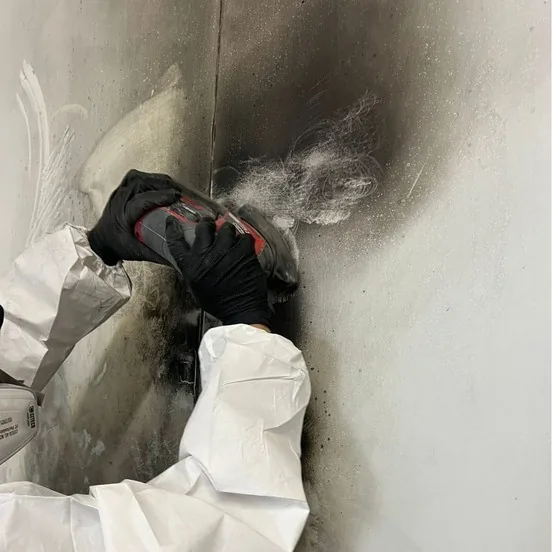 Fire and Smoke Restoration
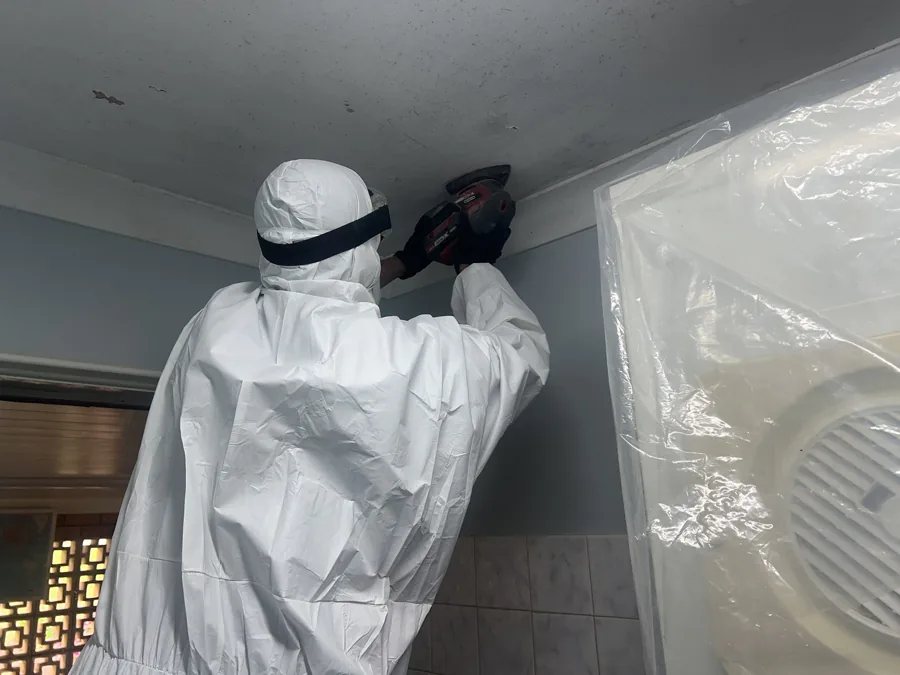 Mould Removal & Remediation
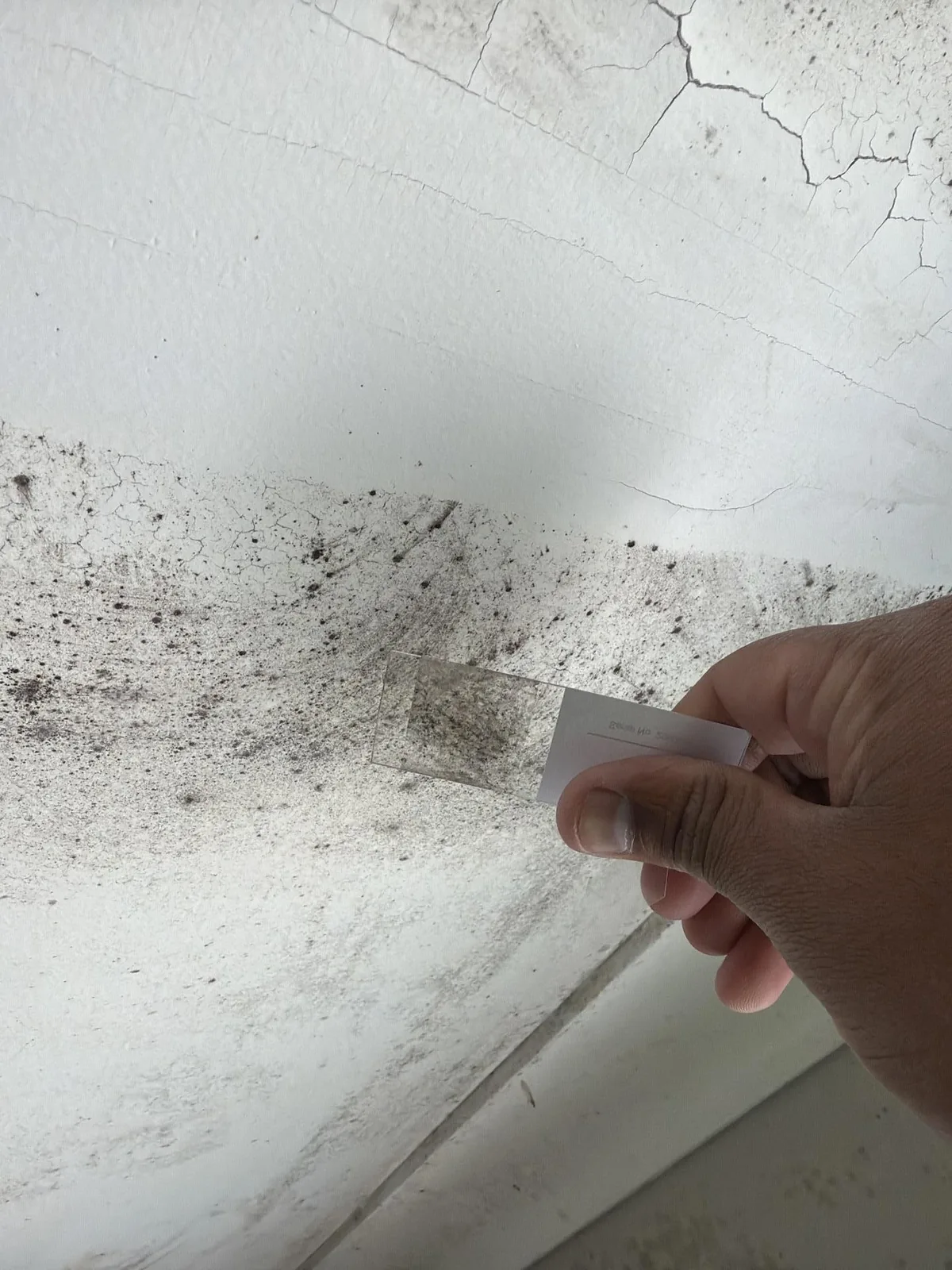 Mould Inspection
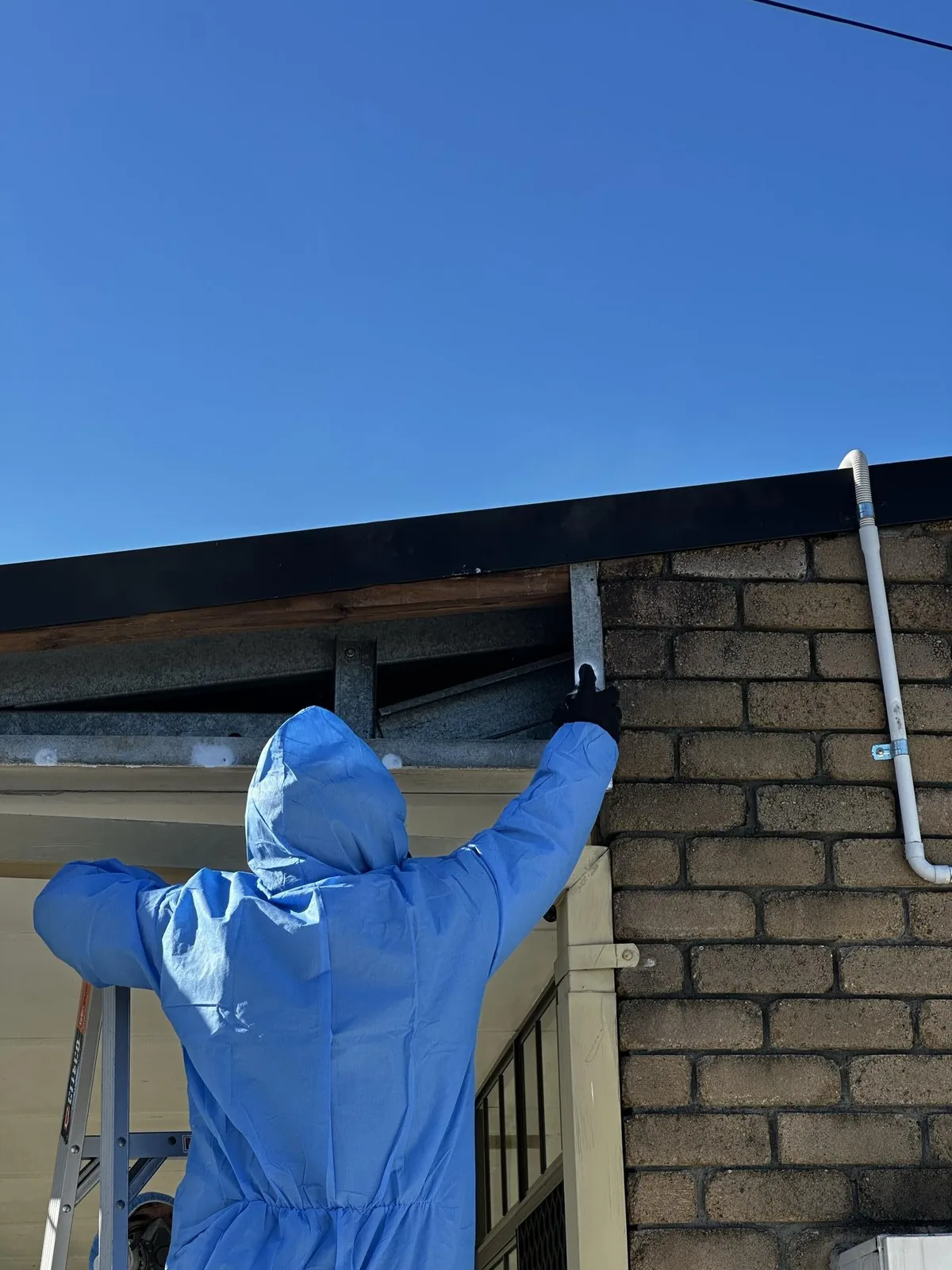 Asbestos Removal
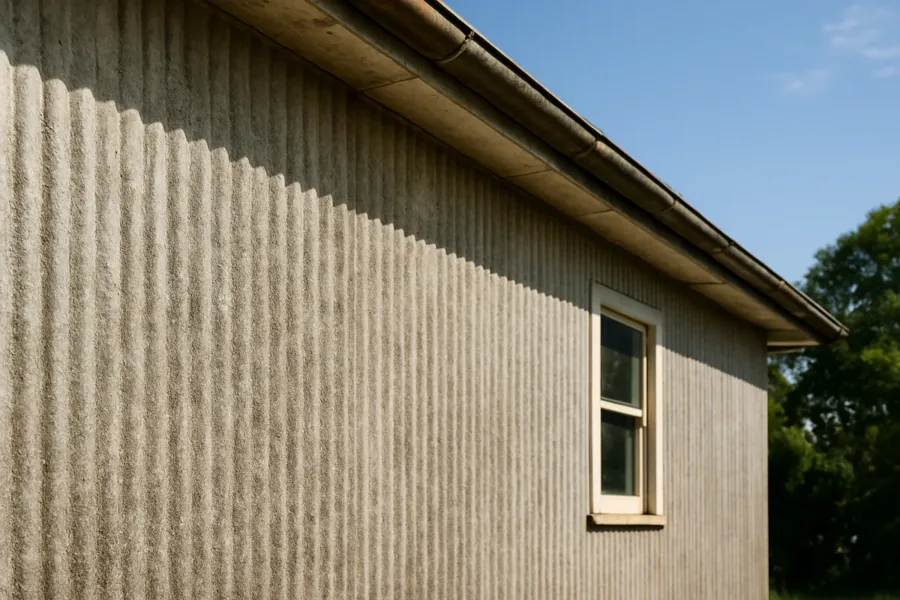 Asbestos Testing
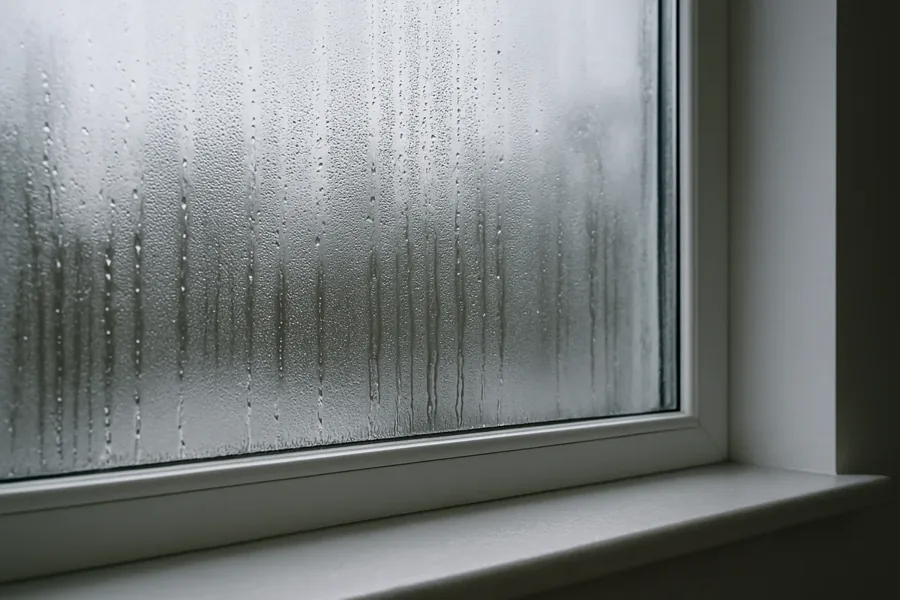 Dehumidifier Hire
 Air Quality Testing
 Structural Drying
 Water Leak Detection
 Trauma & Crime Scene Cleaning
 Deceased Estate Clearing
 Hoarding & Squalor Cleaning
 Meth Testing & Decontamination
 Lead Paint Removal