How drying actually works
Two kinds of equipment work together. Air movers push air across wet materials so the water evaporates; dehumidifiers pull that moisture out of the air so it can’t settle back in. Where water has got into wall cavities or under timber floors, specialist drying systems direct dry air into those spaces.
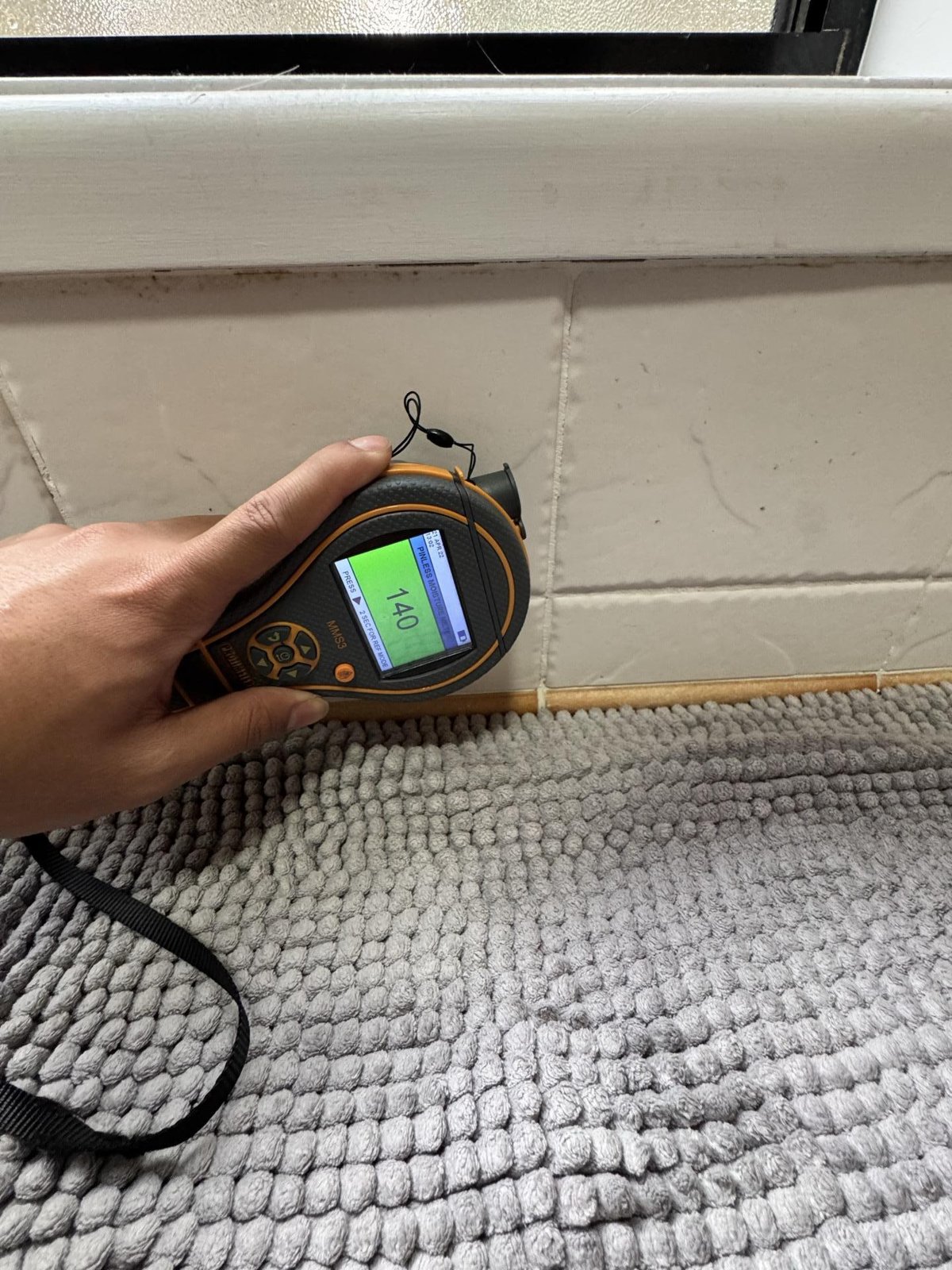
The target is the material’s normal dry level, measured against unaffected material of the same kind elsewhere in the building. That comparison is how we know when the job is finished, rather than guessing from how a surface feels.
How a drying job runs
- Emergency call-out is available 24/7, with a target of being on site within 2 hours in metro areas.
- Moisture is measured and mapped across the affected areas.
- Standing water is extracted, and materials that can’t be saved are identified.
- Air movers, dehumidifiers and cavity or floor drying systems are set up.
- Moisture readings are taken on alternate days and the equipment is adjusted as the building dries.
- A completion report, with the readings, is provided within 24 to 48 hours of finishing.
Homes, strata and commercial property
The same approach applies to a single home, a strata building where water has travelled between units, or a commercial site that needs to keep trading. An initial report and scope or quote follow within 24 hours, and onsite reporting is live throughout.
Who you are dealing with
Elite Restoration is an IICRC Certified Firm (70100265), with technicians certified in water damage restoration and applied structural drying. Insurance claims are handled with direct insurer liaison from the first call to final sign-off. The business carries $20 million in public and products liability cover.
Structural drying questions
How do you know when the building is dry?
Readings are compared with unaffected material of the same kind. When the wet areas match, they are dry.
How long does structural drying take?
Usually days rather than weeks, depending on the materials and how long they were wet. The readings show the progress.
Can you work with my insurer?
Yes. We liaise directly with your insurer, and the dry-down reporting supports the claim.
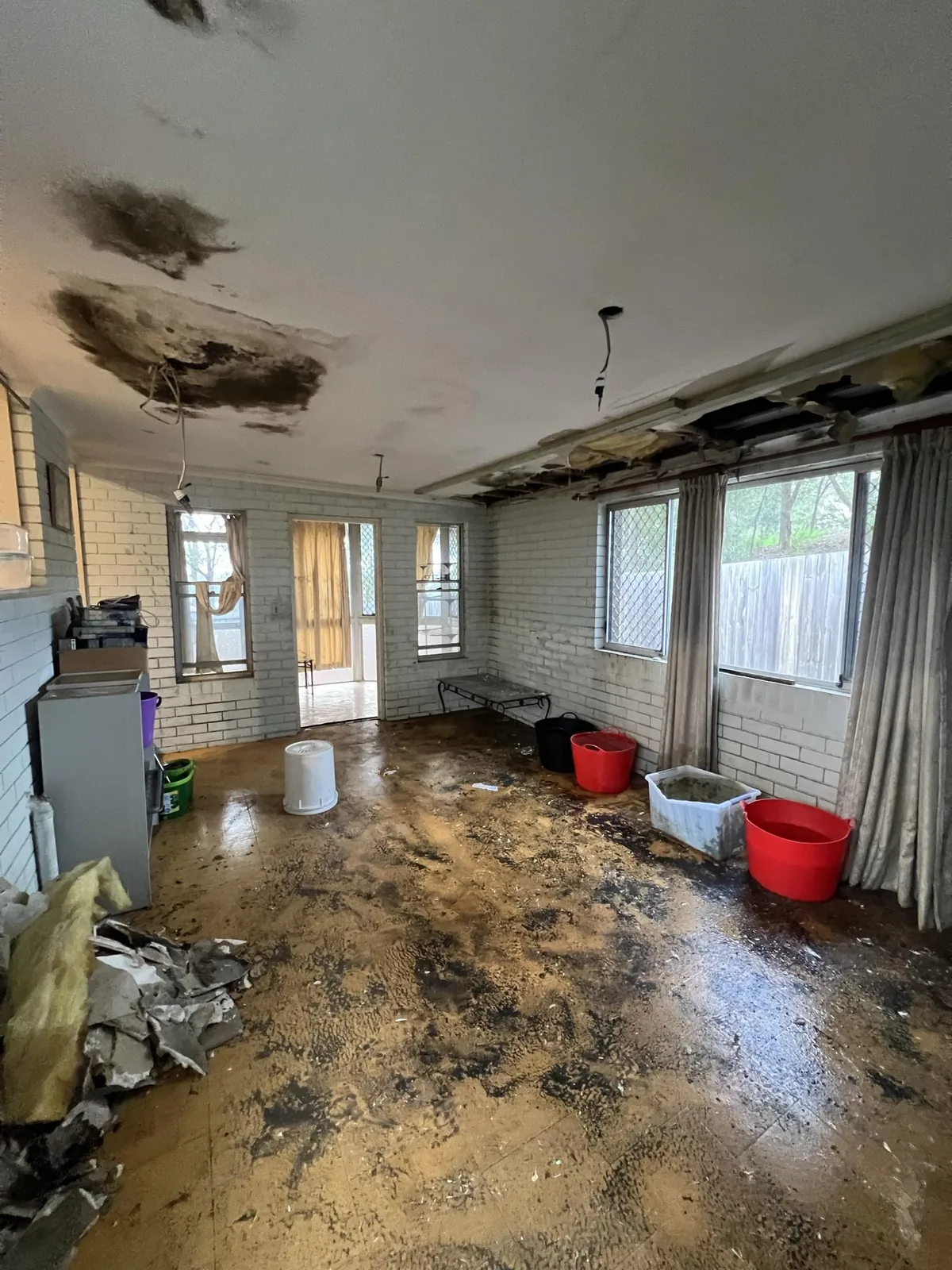 Water Damage Restoration
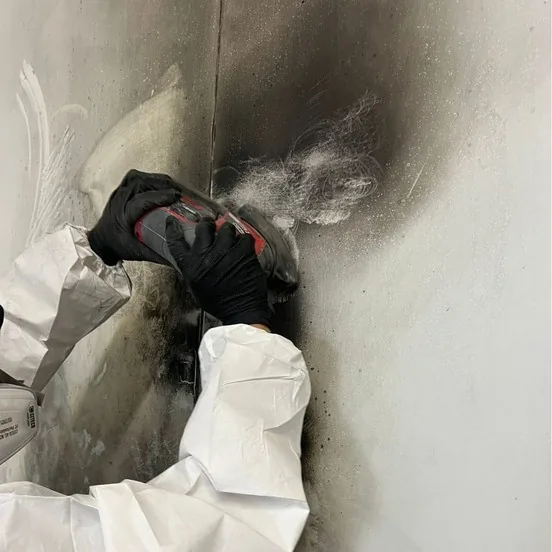 Fire and Smoke Restoration
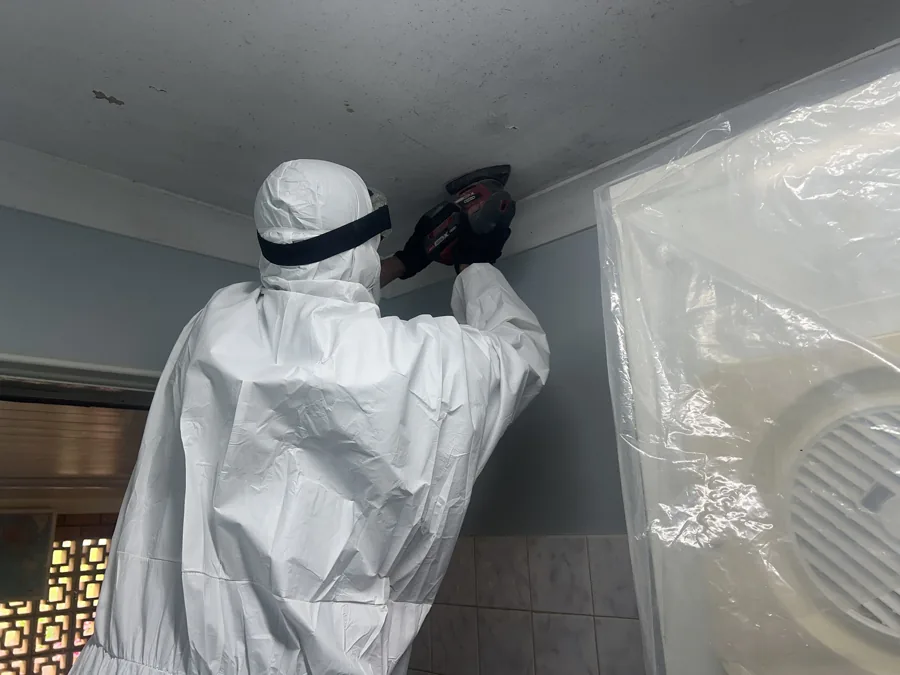 Mould Removal & Remediation
 Mould Inspection
 Asbestos Removal
 Asbestos Testing
 Dehumidifier Hire
 Air Quality Testing
 Structural Drying
 Water Leak Detection
 Trauma & Crime Scene Cleaning
 Deceased Estate Clearing
 Hoarding & Squalor Cleaning
 Meth Testing & Decontamination
 Lead Paint Removal