Bathroom Mould Removal: Grout, Sealant and Ceilings
A bathroom is the wettest room in the house, and mould finds it first: in the grout lines, along the silicone at the bottom of the shower, and on the ceiling above it. Each surface needs a different approach, and none of them stays clean without airflow. This guide covers how to clean each one, what to fix so it doesn’t come back, and when cleaning is no longer enough.
“We had a pipe burst in our ceiling, water seeped into our walls and our unit was at a very high risk for mould :( Guosheng worked tirelessly to ensure the drying process went as smooth as possible, even working until the evening on a Friday to ensure our walls would be dry and safe over the weekend! An extremely proficient and productive company that thrives on providing excellent service and quality work. Thank you so much for all of your help! <3”
“Guosheng from Elite Restoration did an amazing job dealing with the water damage to my unit, due to a burst pipe. Nothing was too hard and Guosheng had multiple tricks up his sleeve to ensure maximum drying capacity. The communication throughout the whole process was excellent, which made this very stressful situation for me a lot easier to handle. Thanks so much Guosheng.☺️”
Elite provides specialist cleaning and restoration for the BMS National Rugby Training Centre at Ballymore as a valued partner of Queensland Rugby Union.
Mould remediation is never a simple clean. Under the
IICRC S520 Standard for Professional Mould Remediation,
treating mould without a proper inspection risks missing the underlying
moisture source and leads to recurrence. Every mould job starts with a
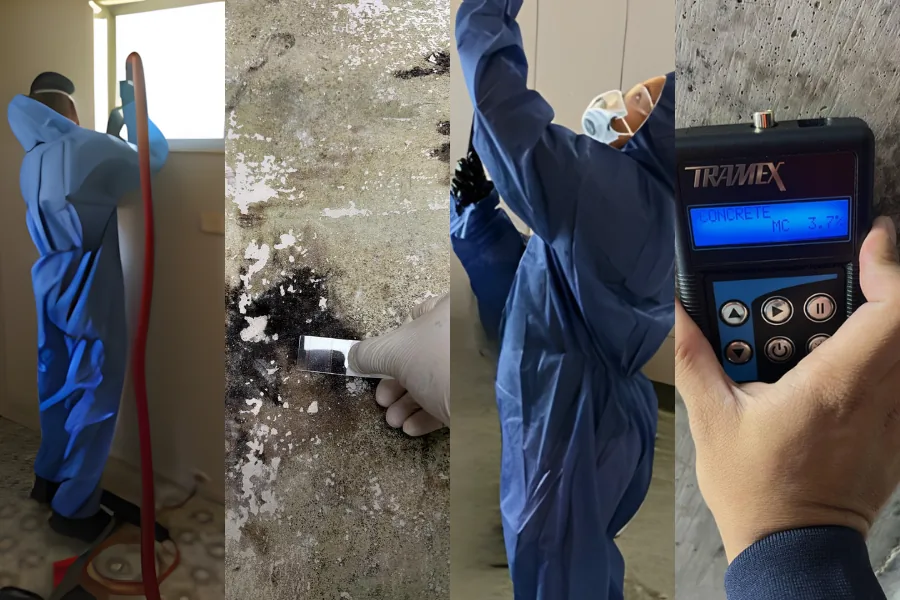
professional inspection by S520-certified technicians, so containment,
controls and the remediation scope are set correctly from day one.
Inspection from $350 inc. GST. Remediation is scoped and
quoted separately, only after the inspection.
Find the cause — identify the moisture source so remediation actually holds.
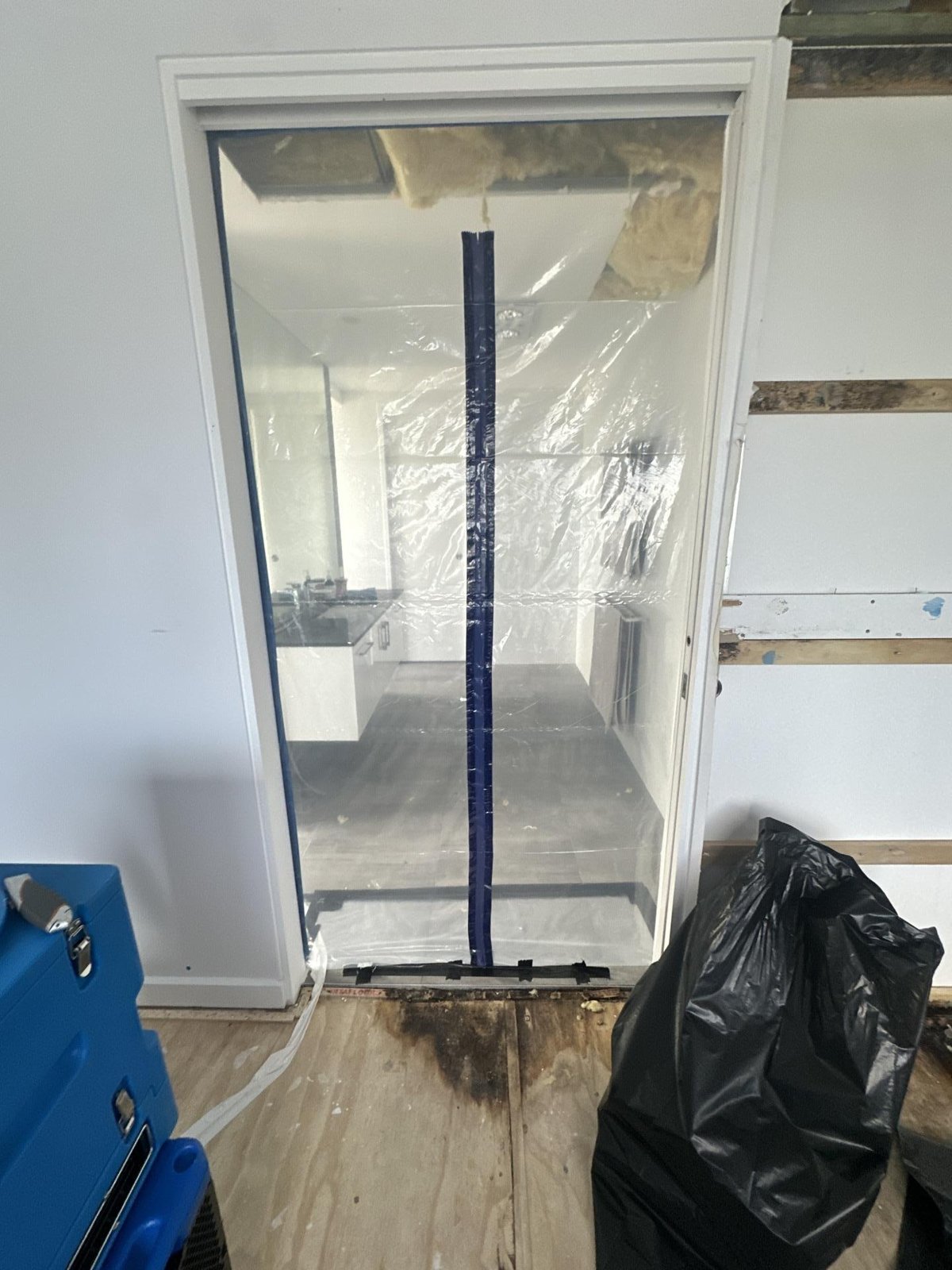
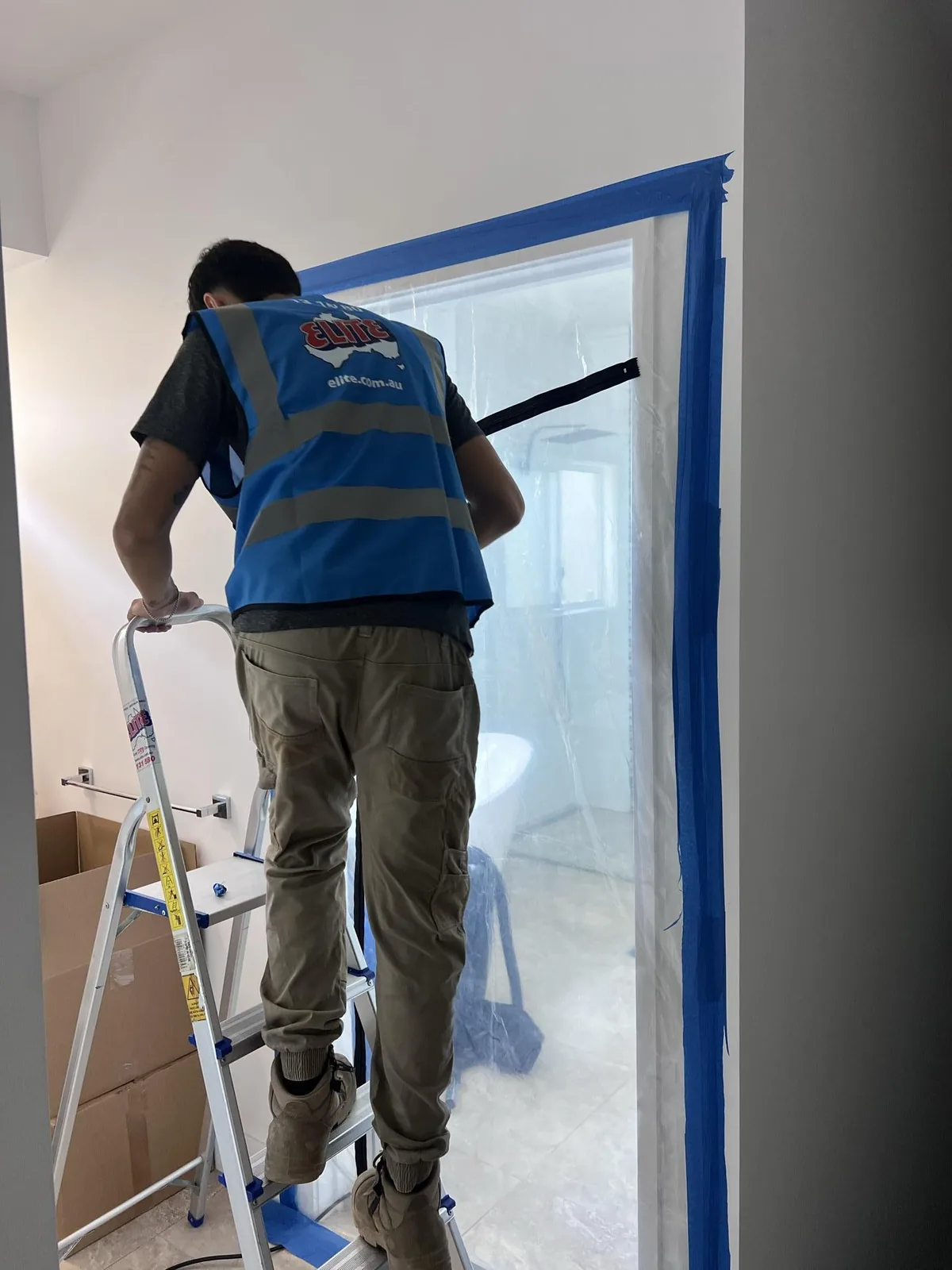
Set containment — protect unaffected areas during the work.
Clear scope & documentation — written report you can give insurers or strata managers.
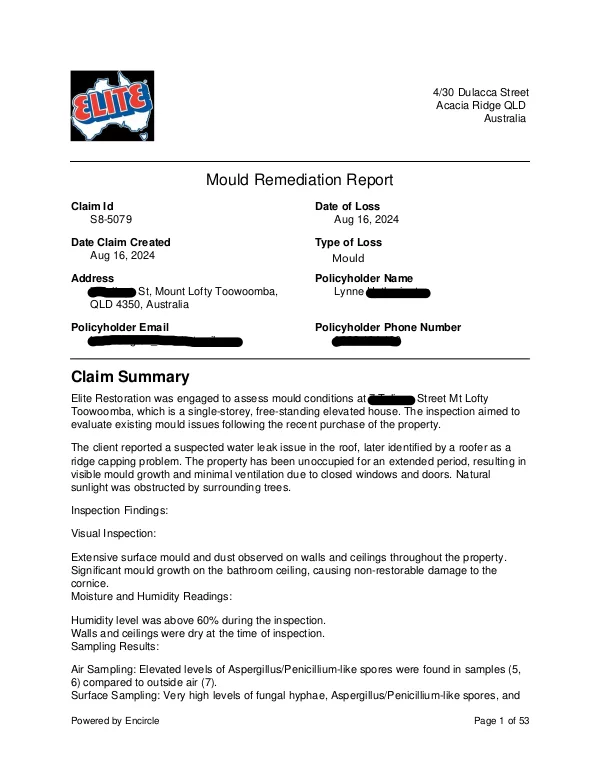
Want to know exactly what you’ll receive? Download a real example of the
written report our S520-certified technicians produce after a mould
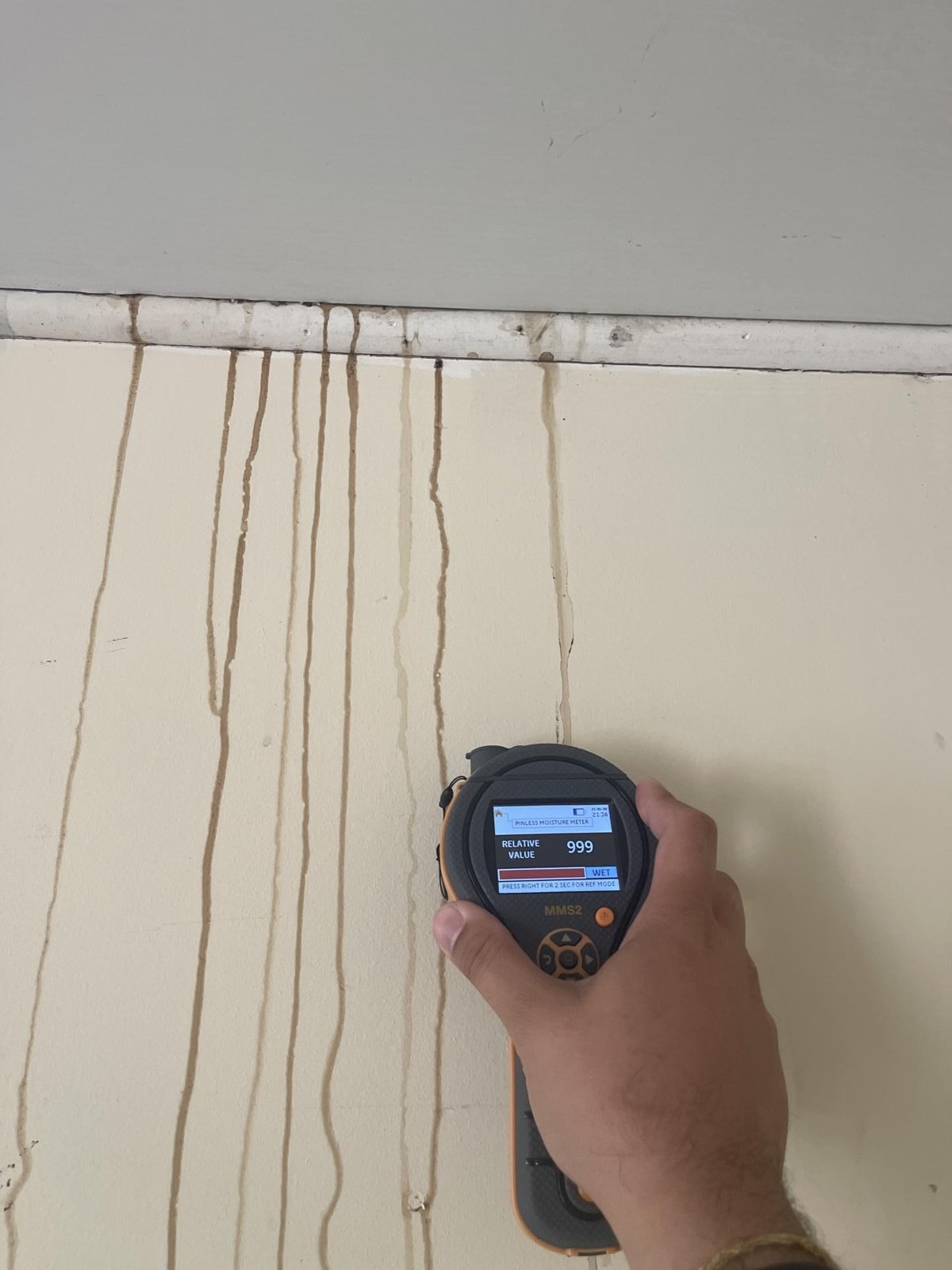
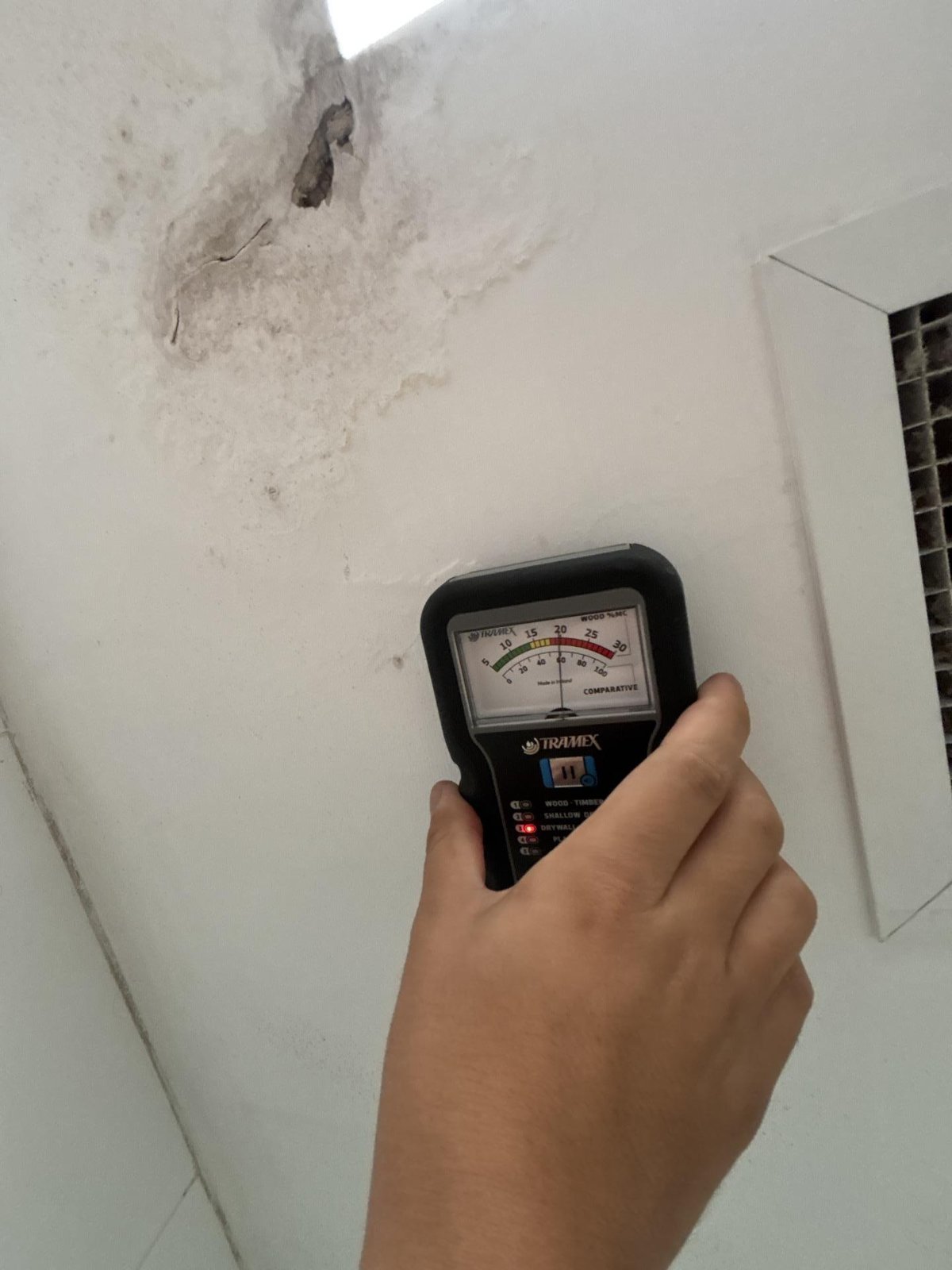
inspection — findings, moisture readings, photos and the recommended
remediation scope.
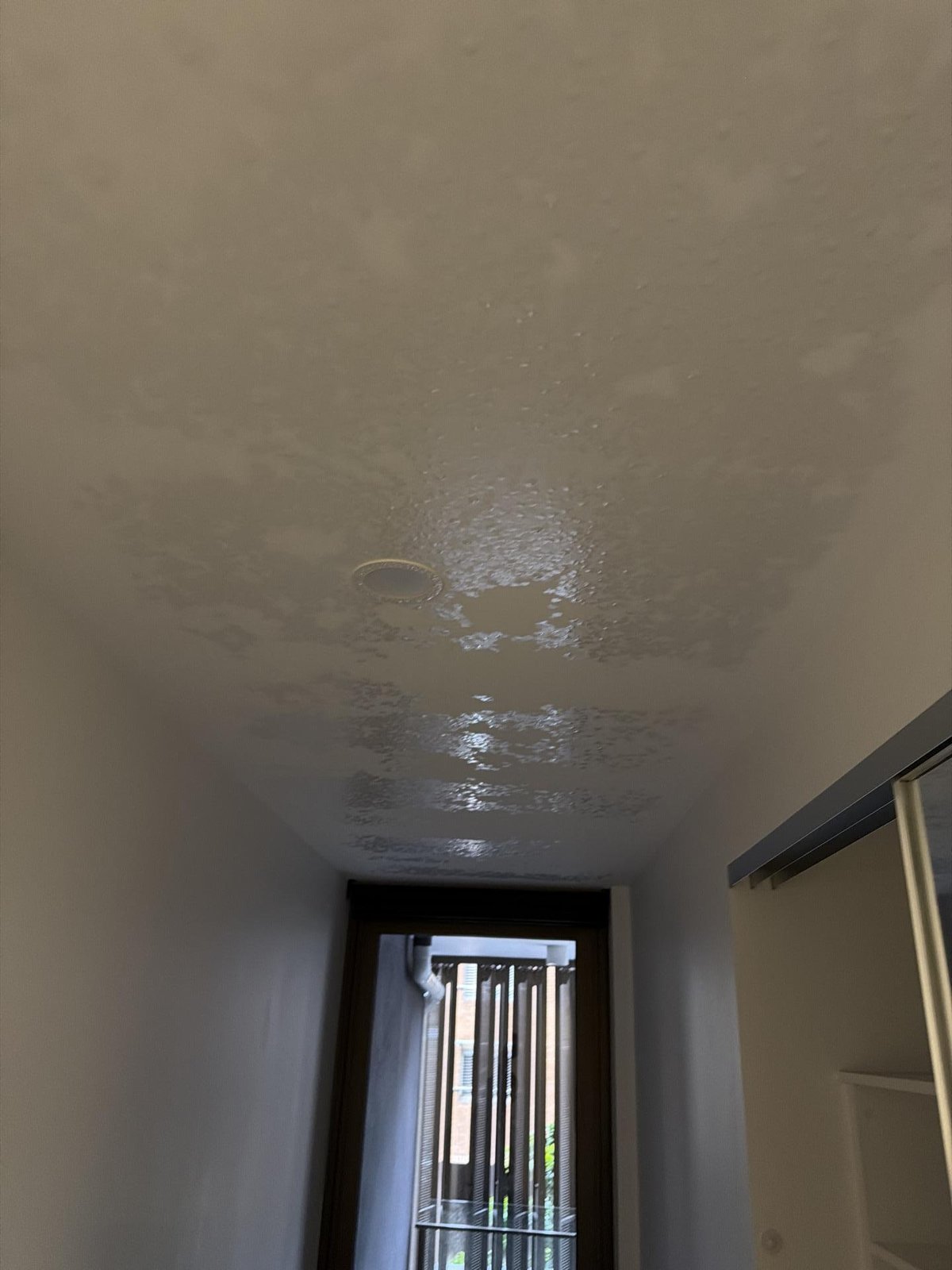
Every shower leaves warm, wet air behind. If it can’t get out, it condenses on the coldest surfaces, usually the ceiling and the external wall, and soaks into anything porous. Grout and unsealed plaster absorb it; silicone holds soap scum that mould feeds on; a ceiling with flat paint takes it in. Add a fan that is too small, or never switched on, and the room never fully dries between showers.
Grout
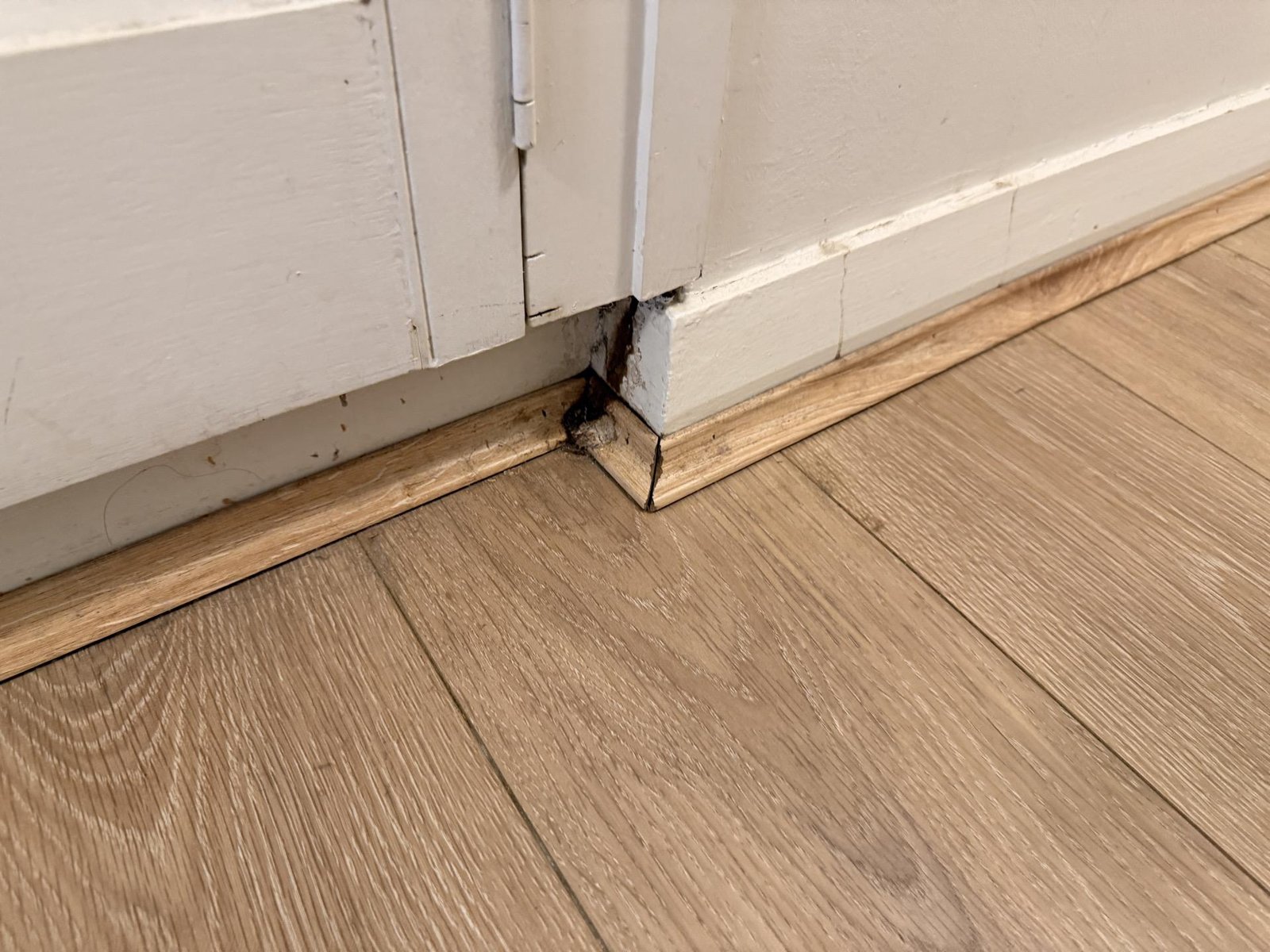
Grout is porous, so surface mould on grout usually has roots below the surface. A stiff brush with a bathroom mould cleaner, or diluted bleach where the grout is light-coloured, lifts most of it; work in short sections and rinse well. Dark staining that doesn’t shift after two goes is mould inside the grout, and the honest fix is to rake out and regrout, then seal the new grout so it stops absorbing water.
Silicone sealant
Mould under or inside silicone can’t be cleaned, because it is growing behind the surface. A paste of bleach left on for an hour can lighten the black marks, but if they come back within weeks, the bead needs to be cut out, the joint dried and cleaned, and new mould-resistant sealant applied. A bead that has pulled away from the tiles is also letting water into the wall, which is a bigger problem than the mould.
Ceilings
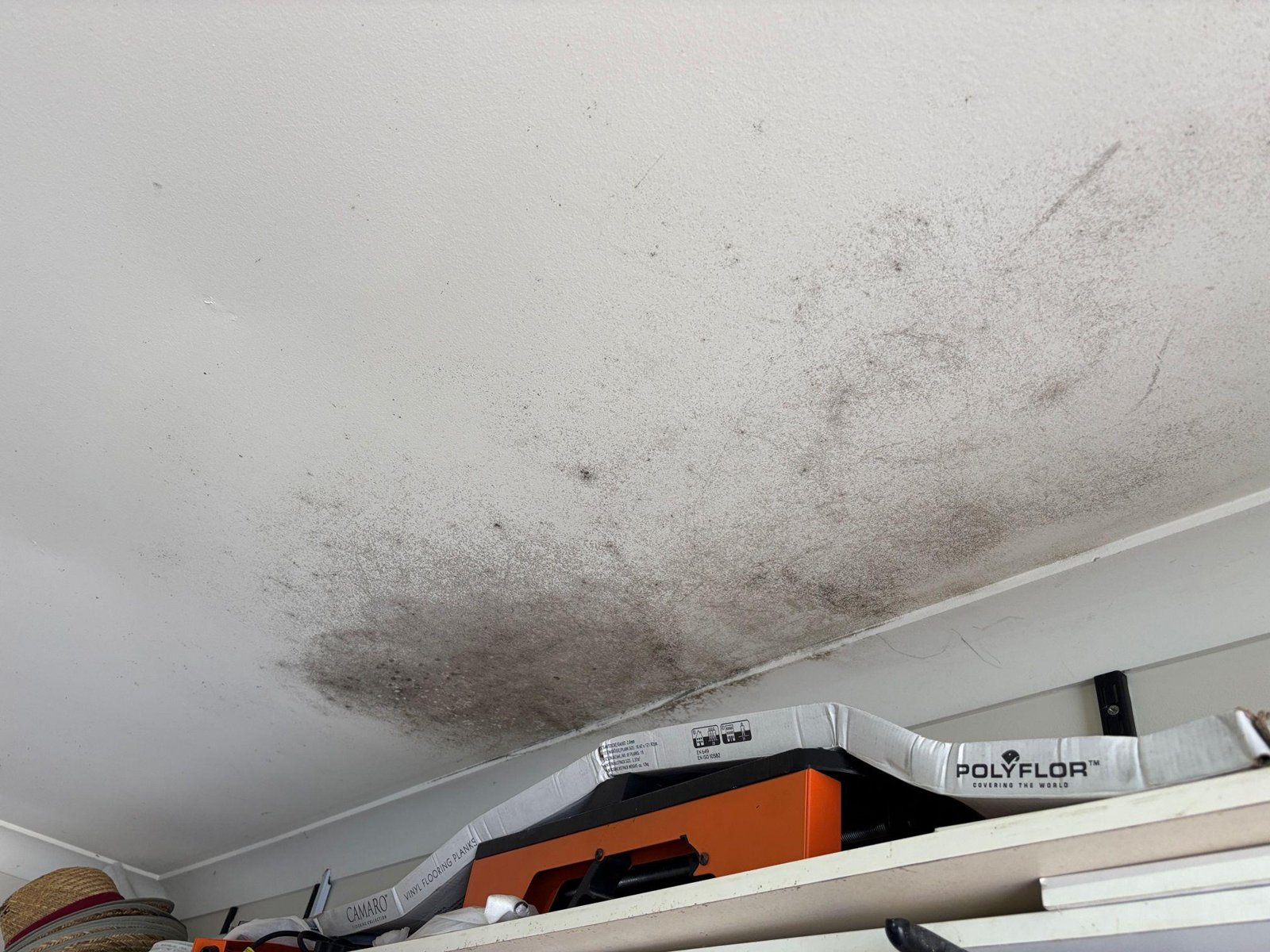
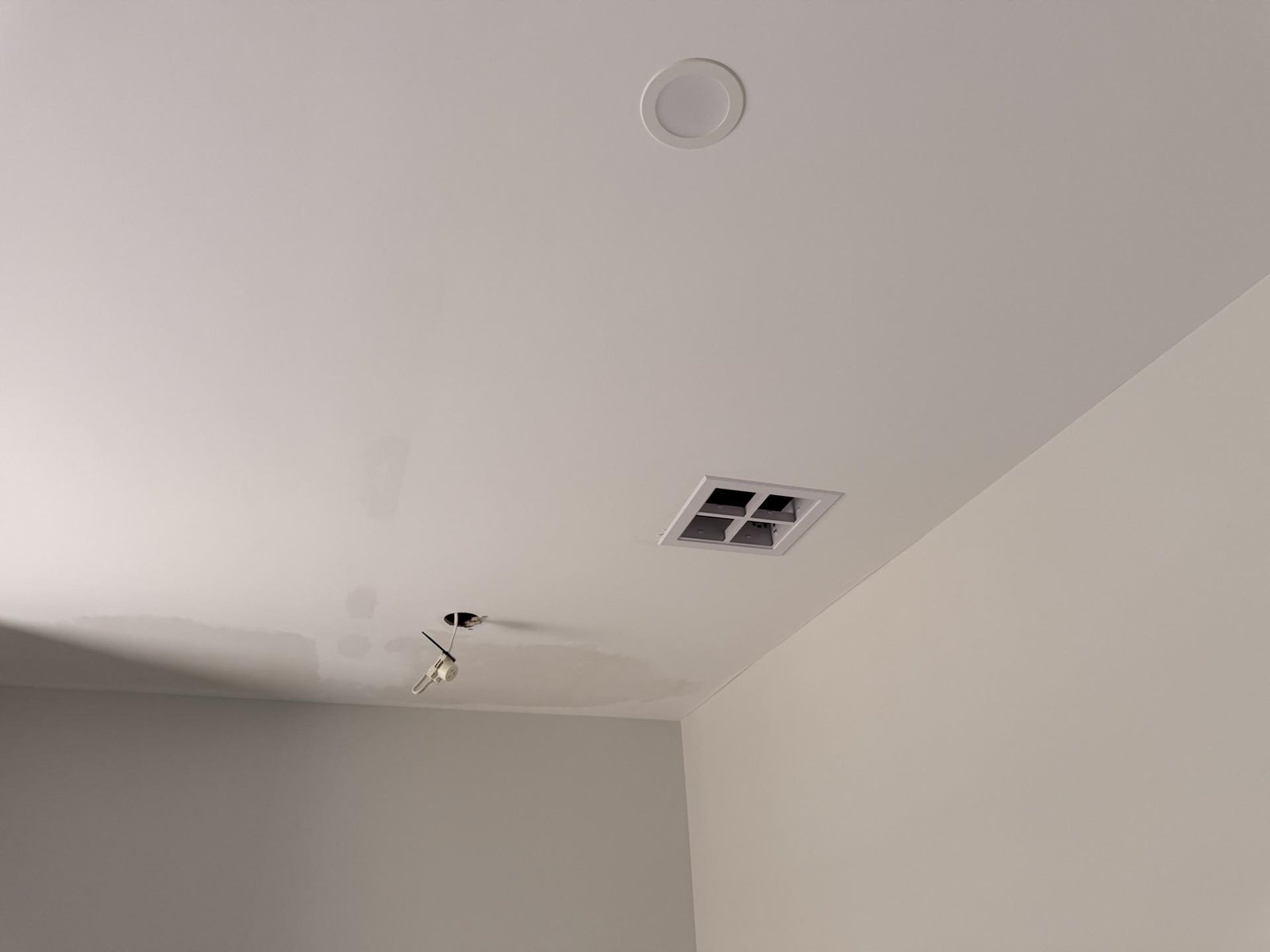
Ceiling mould is condensation mould. Wipe it with a mild detergent or diluted vinegar solution on a cloth, from the outside of the patch inwards, then dry the area. Avoid scrubbing, which spreads spores and marks the paint. Once dry and clean, a bathroom-grade paint with a mould inhibitor slows regrowth. Painting over mould without cleaning it seals it in, and it grows through.
Stopping it coming back
Run the exhaust fan during every shower and for twenty minutes after, or open a window.
Check the fan actually vents outside; some older ones blow into the roof space, which moves the problem.
Squeegee the shower glass and tiles after use, and hang towels and bath mats to dry outside the room.
Fix dripping taps and a leaking shower screen, which keep the floor wet.
Reseal grout every few years so it stops absorbing water.
When cleaning is not enough
Mould returns within weeks of a proper clean, which means the moisture is not fixed.
Tiles sound hollow, grout is crumbling, or the wall behind the shower feels soft, which points to water inside the wall.
A musty smell with little to see, or mould on the other side of the bathroom wall.
Someone in the home has asthma or allergies and the bathroom is a regular trigger.
Elite Restoration’s mould removal and remediation is carried out to the IICRC S520 standard by an IICRC Certified Firm, certificate number 70100265, with $20 million in public and products liability cover.
Bathroom mould questions
Does bleach kill mould in grout?
It lightens the surface and kills what it reaches, but it doesn’t get into porous grout. Mould that is in the grout needs regrouting.
How do I get black mould off silicone?
If a bleach paste doesn’t shift it, the mould is behind the bead. Cut it out and reseal.
Why does my bathroom ceiling keep getting mouldy?
Because steam is condensing on it after every shower. The fan, the window and drying the room are what stop it.

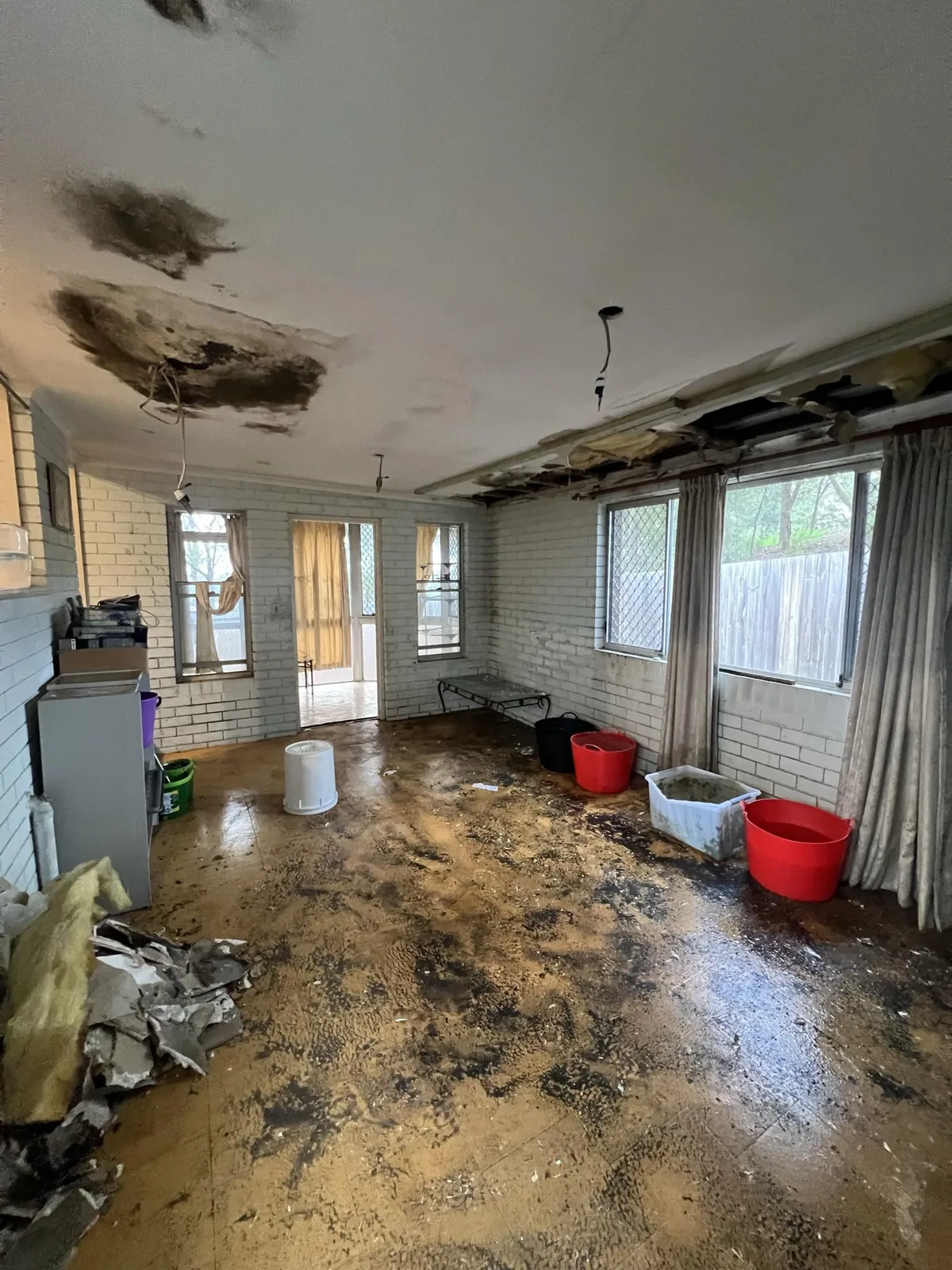 Water Damage Restoration
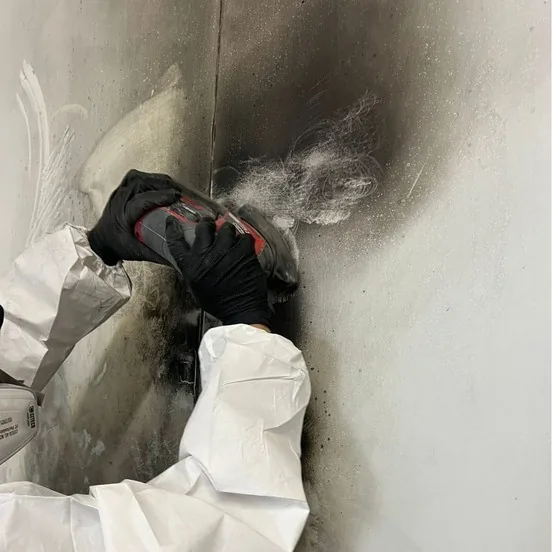 Fire and Smoke Restoration
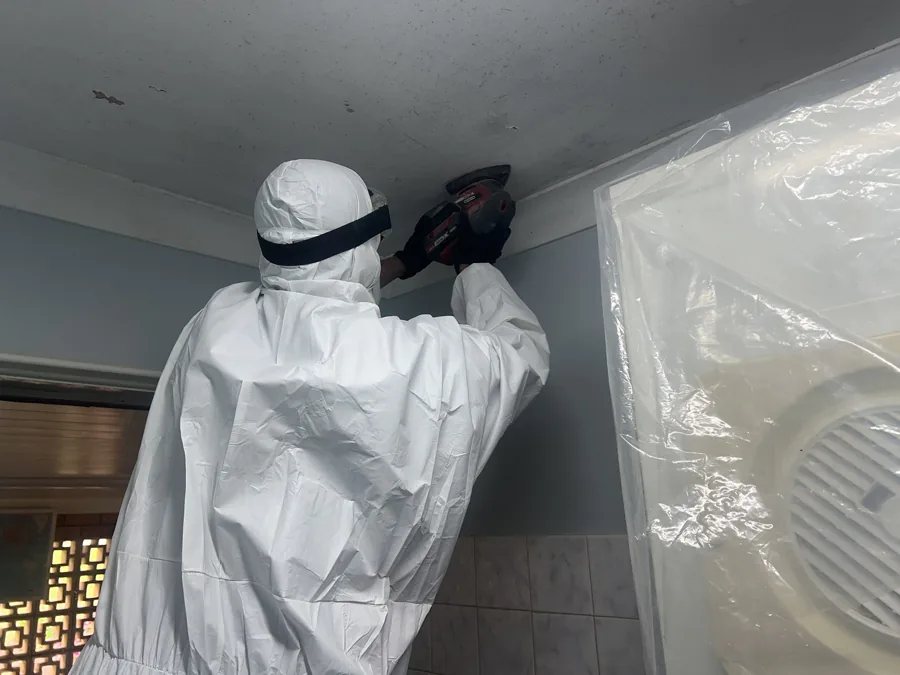 Mould Removal & Remediation
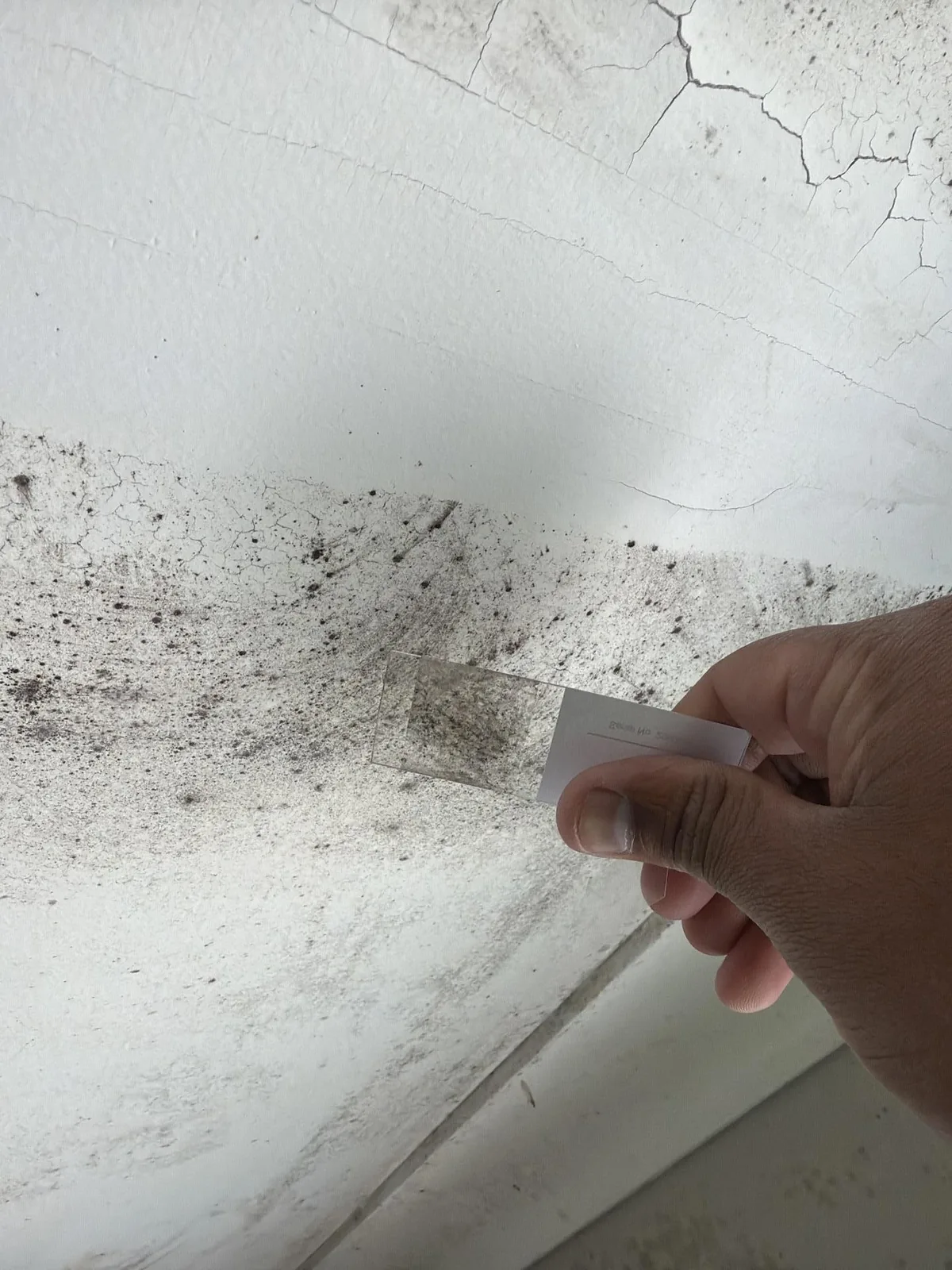 Mould Inspection
 Dehumidifier Hire
 Air Quality Testing
 Structural Drying
 Water Leak Detection
 Trauma & Crime Scene Cleaning
 Deceased Estate Clearing
 Hoarding & Squalor Cleaning
 Meth Testing & Decontamination
 Lead Paint Removal