Mould on a wall is one of the most common problems in Australian homes, especially after a wet season or in a bedroom that is closed up overnight. Cleaning it off is easy. Keeping it off depends on finding where the moisture is coming from. This guide covers the three usual causes, how to tell them apart, how to clean safely, and when it is time to call someone in.
“We had a pipe burst in our ceiling, water seeped into our walls and our unit was at a very high risk for mould :( Guosheng worked tirelessly to ensure the drying process went as smooth as possible, even working until the evening on a Friday to ensure our walls would be dry and safe over the weekend! An extremely proficient and productive company that thrives on providing excellent service and quality work. Thank you so much for all of your help! <3”
“Guosheng from Elite Restoration did an amazing job dealing with the water damage to my unit, due to a burst pipe. Nothing was too hard and Guosheng had multiple tricks up his sleeve to ensure maximum drying capacity. The communication throughout the whole process was excellent, which made this very stressful situation for me a lot easier to handle. Thanks so much Guosheng.☺️”
Elite provides specialist cleaning and restoration for the BMS National Rugby Training Centre at Ballymore as a valued partner of Queensland Rugby Union.
Mould remediation is never a simple clean. Under the
IICRC S520 Standard for Professional Mould Remediation,
treating mould without a proper inspection risks missing the underlying
moisture source and leads to recurrence. Every mould job starts with a
professional inspection by S520-certified technicians, so containment,
controls and the remediation scope are set correctly from day one.
Inspection from $350 inc. GST. Remediation is scoped and
quoted separately, only after the inspection.
Find the cause — identify the moisture source so remediation actually holds.
Set containment — protect unaffected areas during the work.
Clear scope & documentation — written report you can give insurers or strata managers.
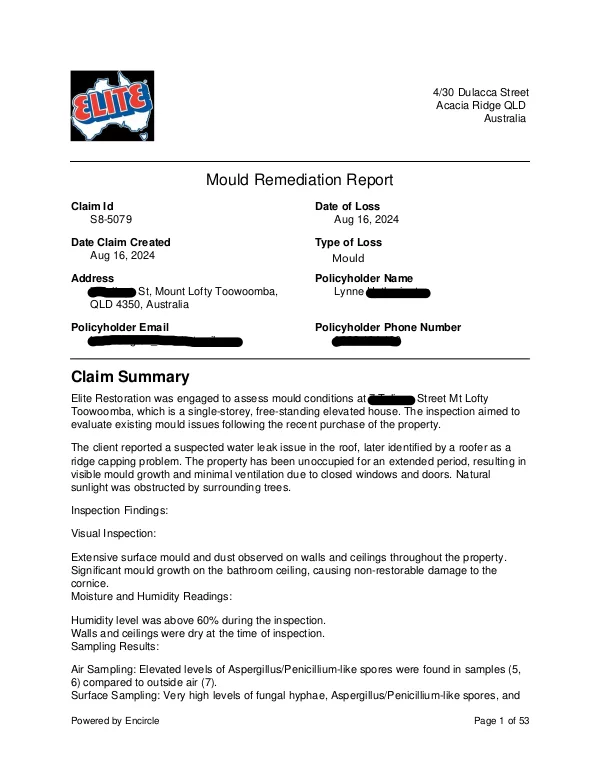
Want to know exactly what you’ll receive? Download a real example of the
written report our S520-certified technicians produce after a mould
inspection — findings, moisture readings, photos and the recommended
remediation scope.
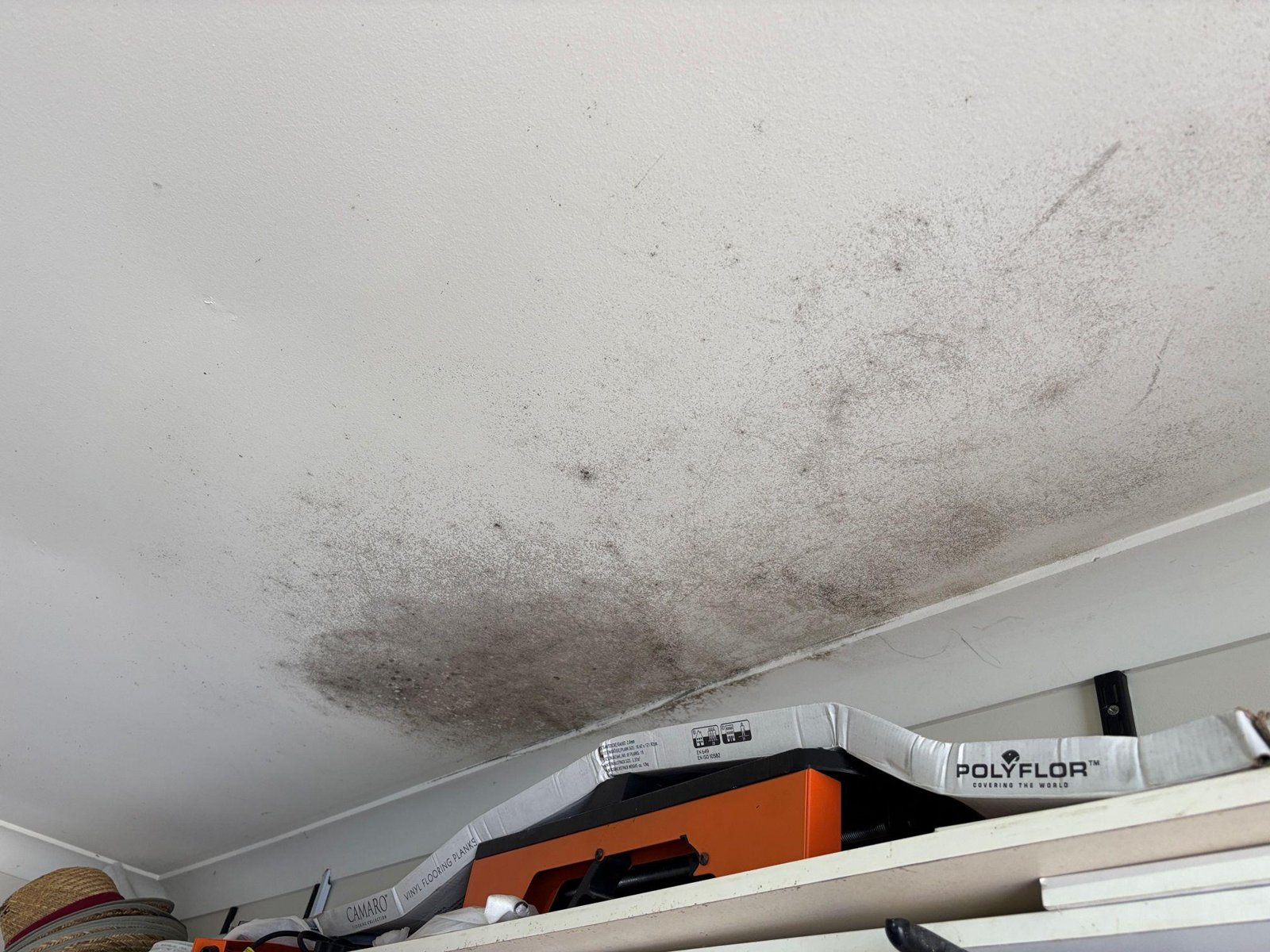
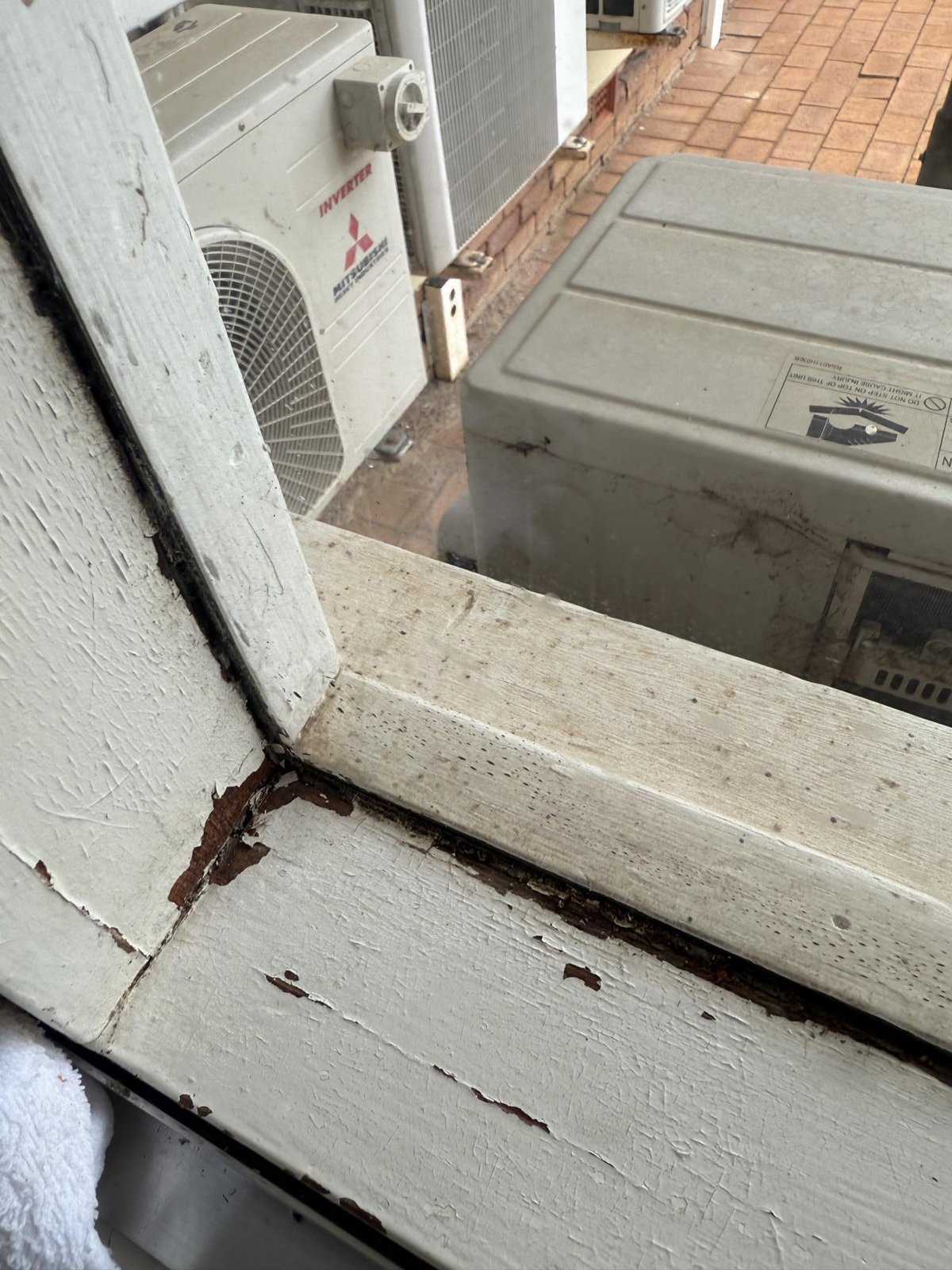
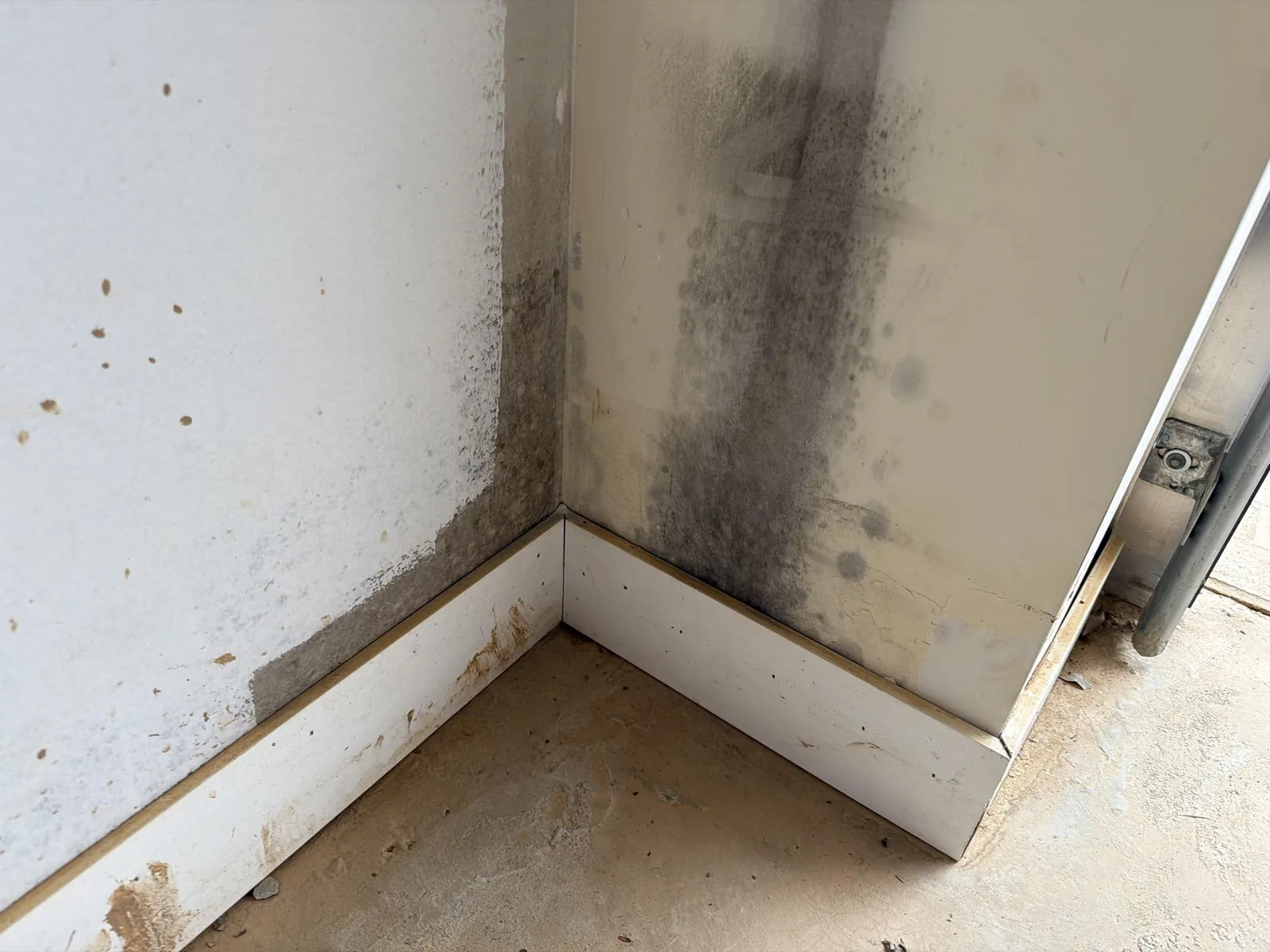
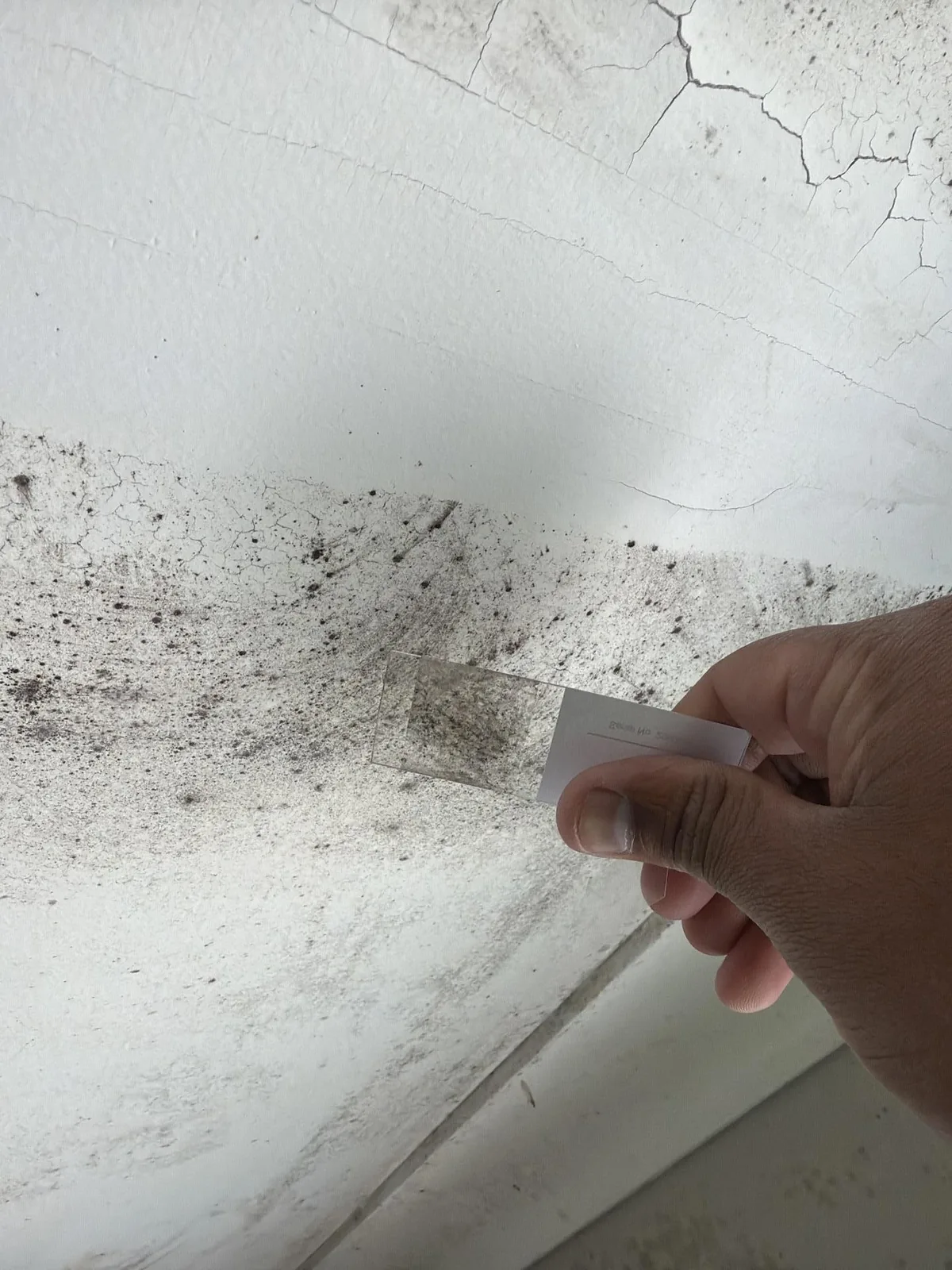
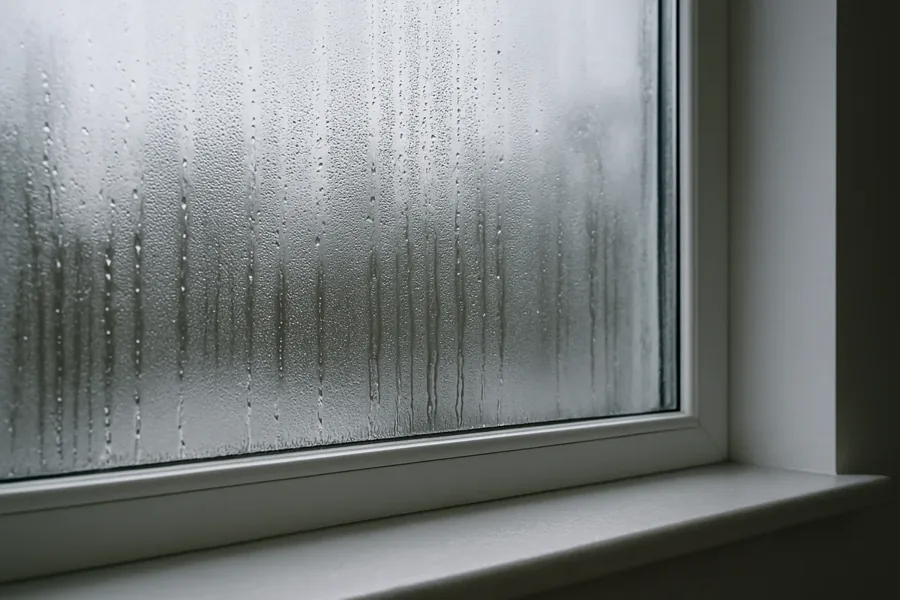
The warm, moist air from breathing, showers, cooking and drying clothes meets a cold wall and the moisture settles on it. It shows as speckled black or grey mould in the corners of external walls, behind furniture, around windows and on the cold side of a room. Worst in winter and in rooms with little airflow.
A leak
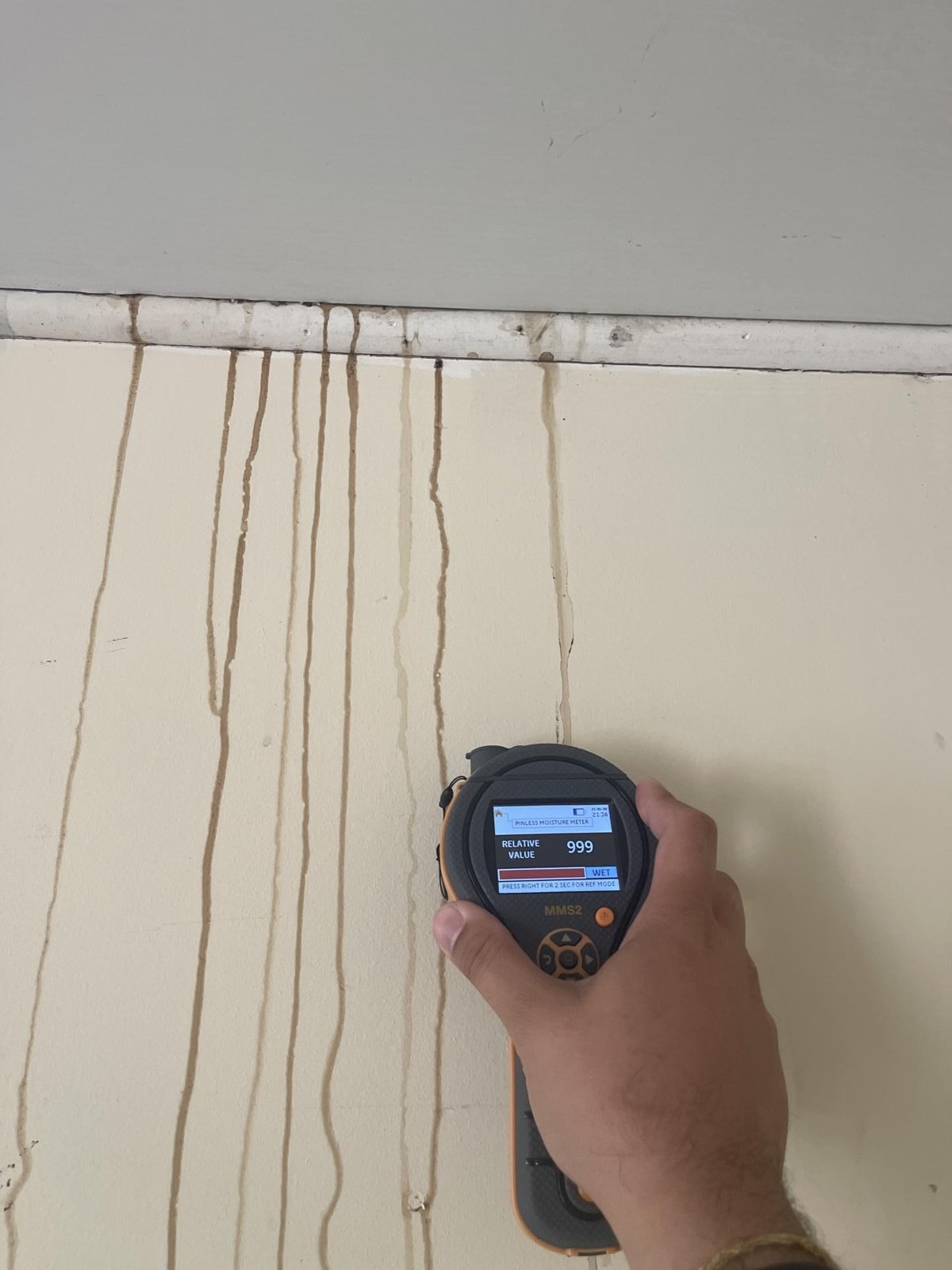
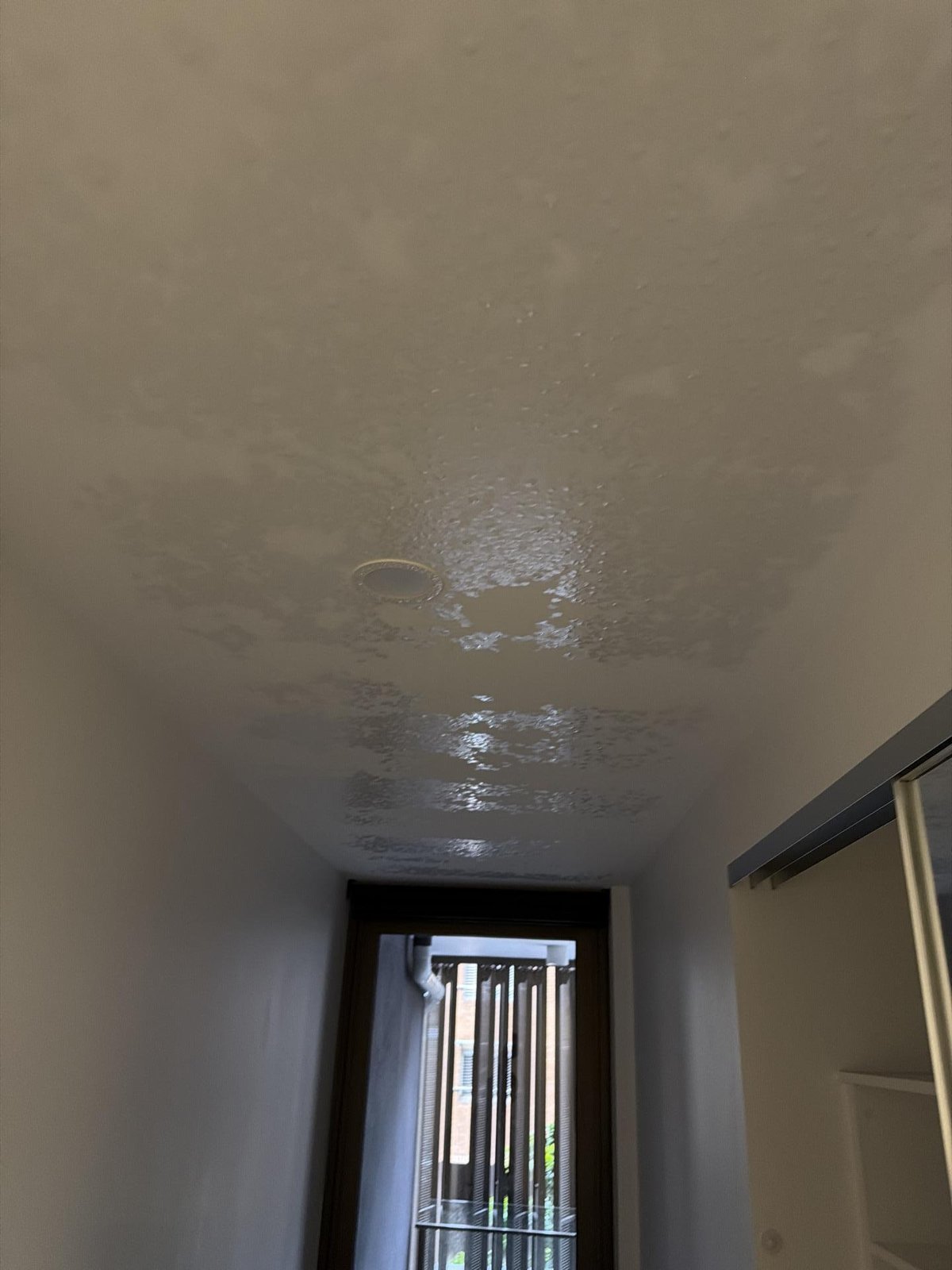
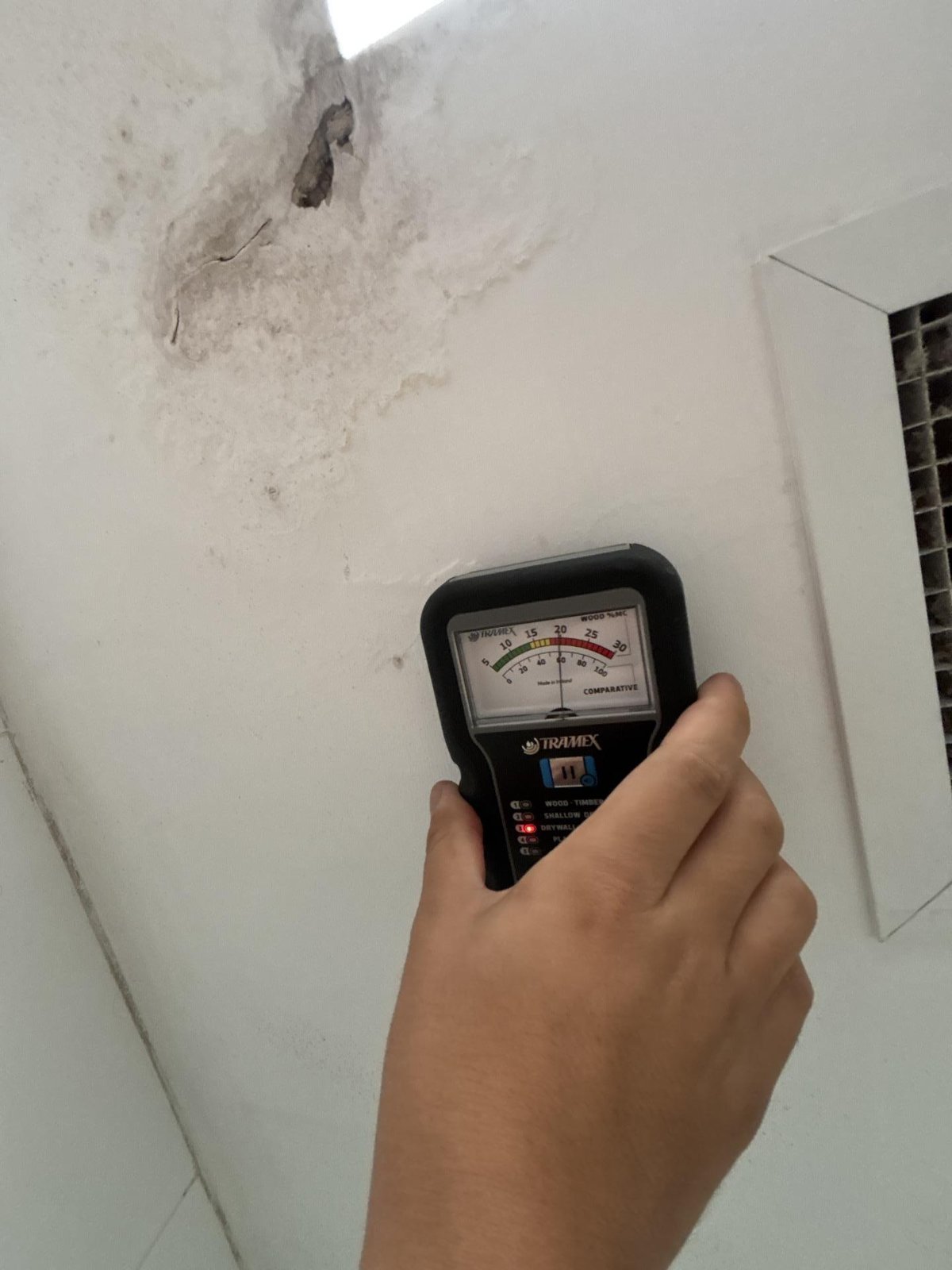
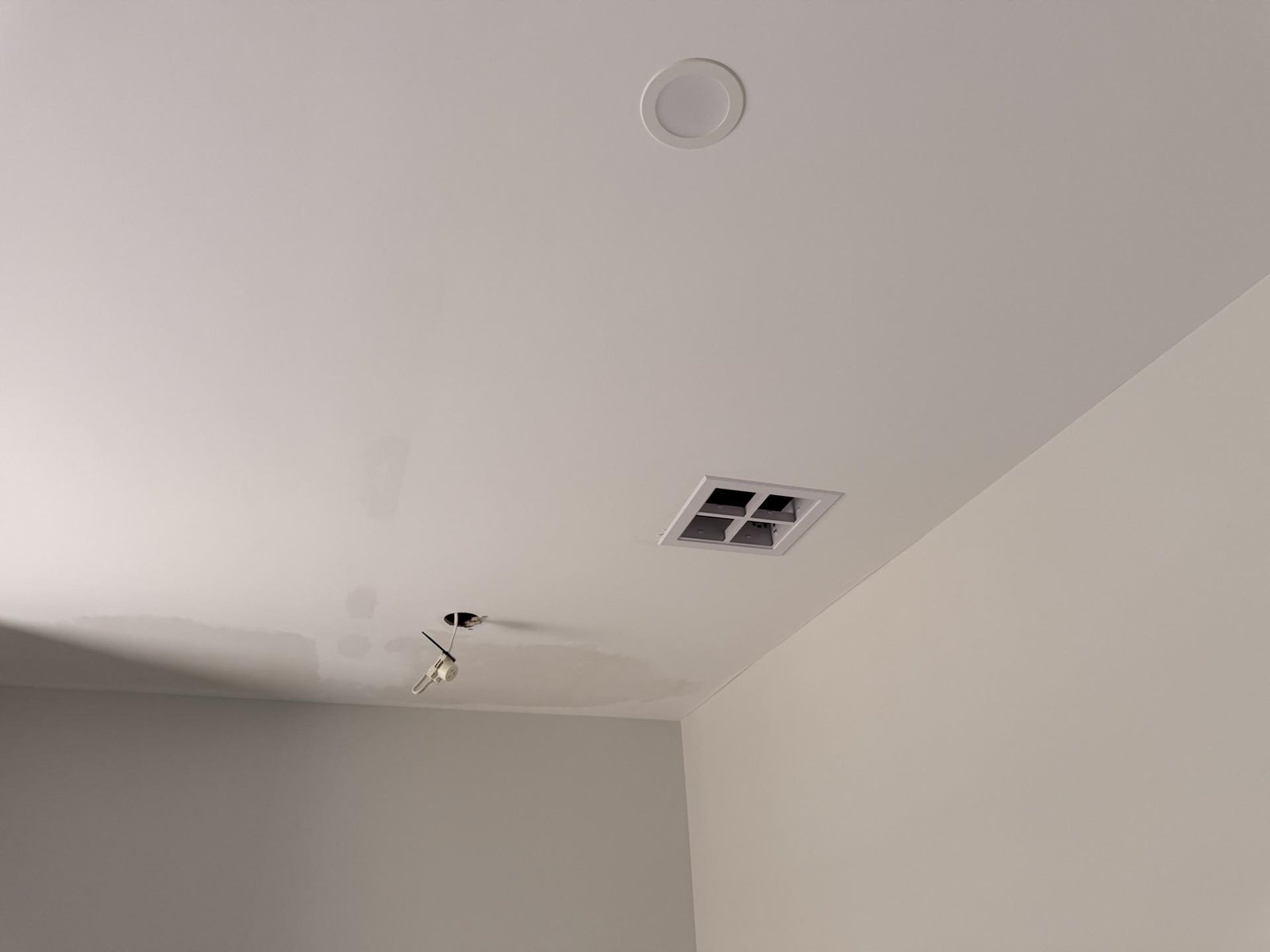
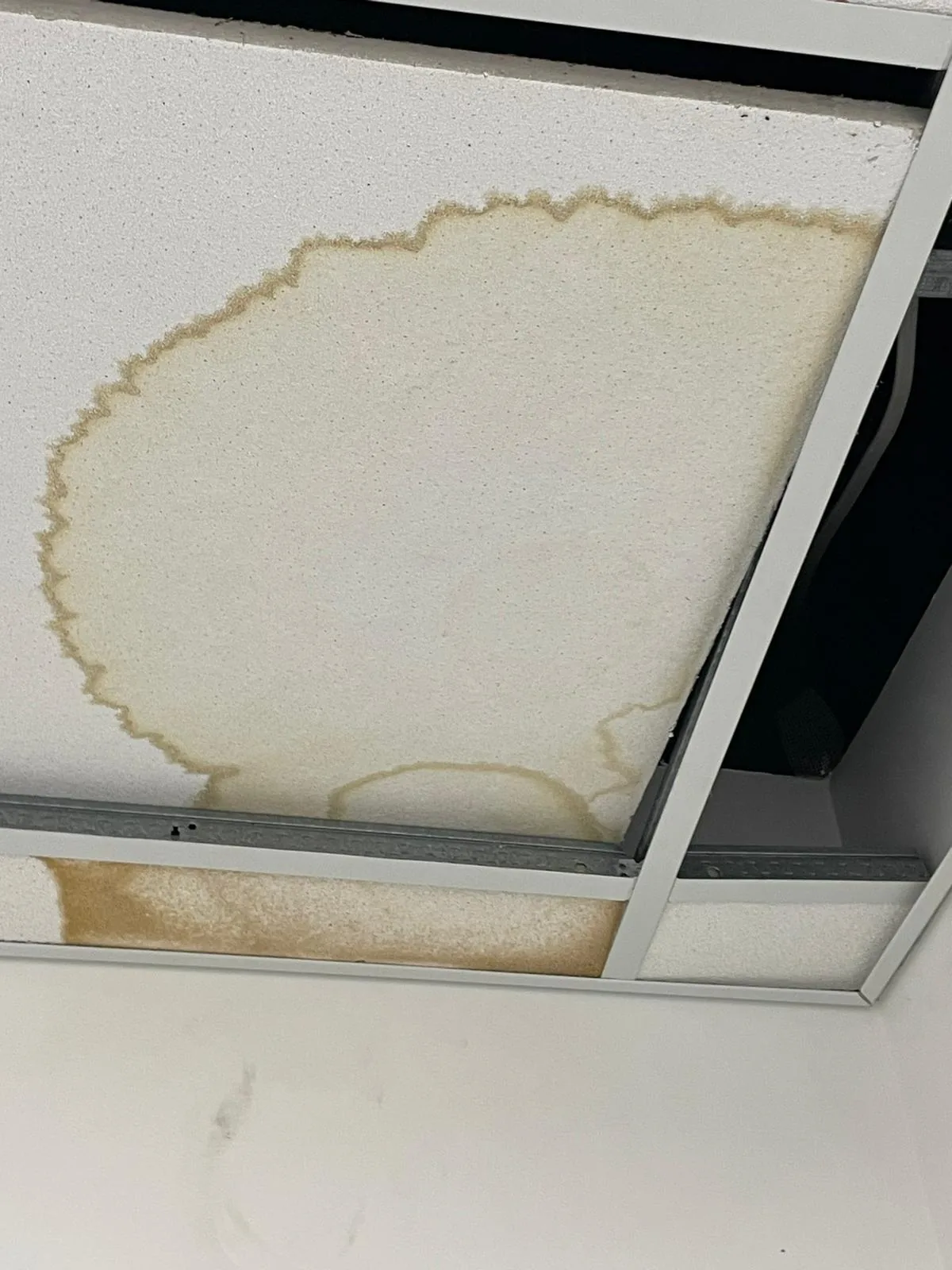
A leaking roof, a cracked pipe inside the wall, a failed shower seal or a blocked gutter wets the wall from inside or above. The mould tends to sit in one patch, often with a stain or bubbling paint, and it grows back quickly after cleaning because the wall is still wet.
Rising or penetrating damp
This is ground moisture climbing a wall through a failed damp course, or rain driven through porous brick or render. The tell is a tide mark low on the wall, salty white deposits, and crumbling plaster, with mould along the bottom edge.
How to tell them apart
Mould in corners and on cold surfaces, worse in winter, and the wall is dry to the touch by day: condensation.
One patch, a stain, bubbling paint, and the wall feels damp: a leak.
A band along the bottom of the wall with a tide mark or salt: rising damp.
Cleaning a small patch
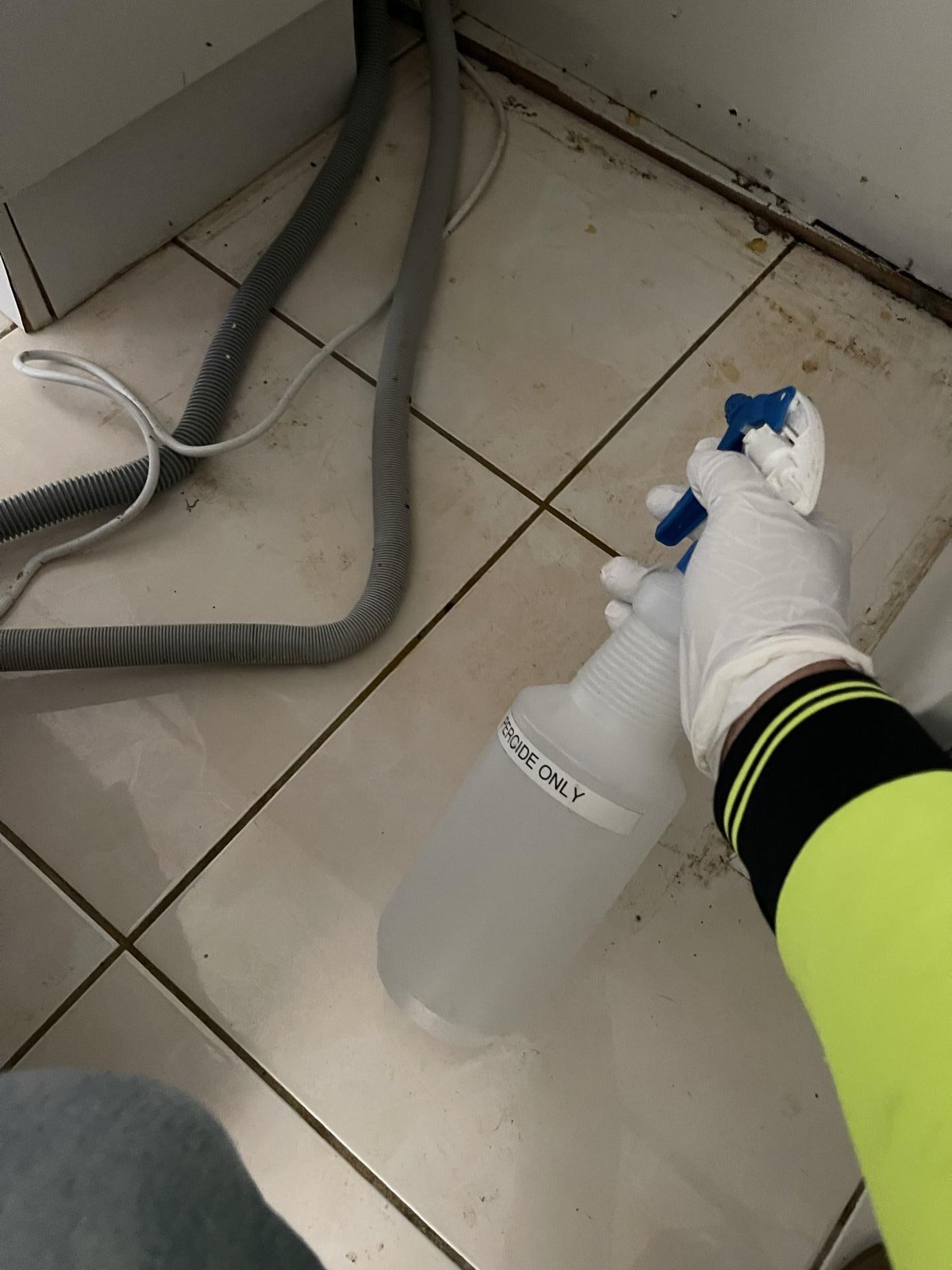
Open the windows and wear gloves and a mask.
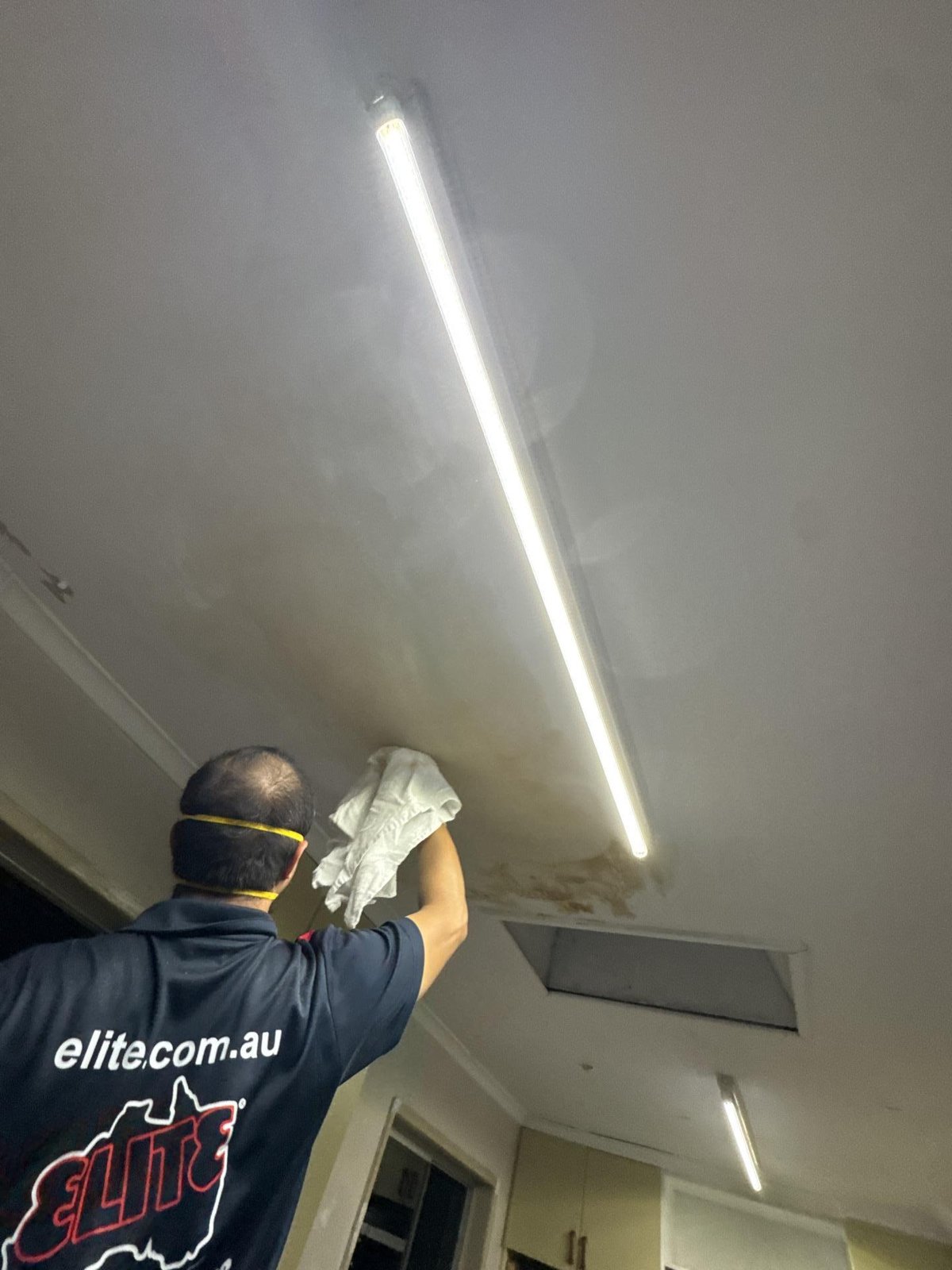
Wipe the area with a mild detergent solution or diluted vinegar on a cloth, working from the outside of the patch in.
Dry the wall fully with a cloth or a fan.
Throw the cloths away rather than rinsing them in the sink.
Dry scrubbing or brushing spreads spores into the air. Bleach lightens the stain but doesn’t reach the roots in a porous surface, so the mould returns.
Why painting over it fails
The paint seals the mould in with the moisture that feeds it. Within weeks it grows through, and the paint lifts. The order is always: fix the moisture, clean and dry the wall, then paint.
Fixing the cause
Condensation: ventilate daily, run exhaust fans in wet rooms, pull furniture off external walls, dry clothes outside or vent the dryer, and consider a dehumidifier in the worst rooms.
A leak: find and repair it, then let the wall dry out before cleaning.
Rising damp: a damp course repair or drainage work by a builder, then plaster repairs.
When to call a professional
The patch is bigger than about one square metre, or it keeps coming back.
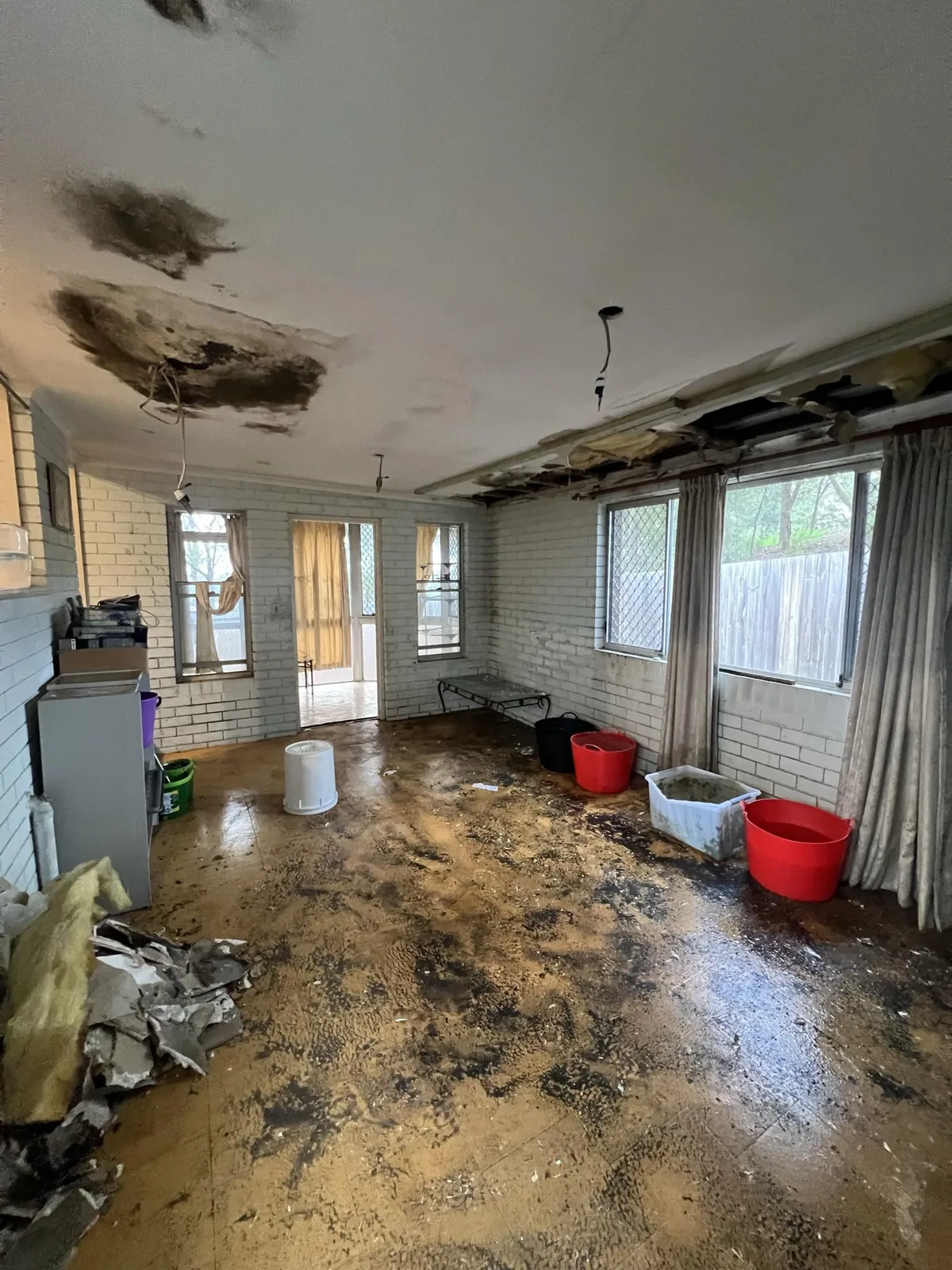
Mould appeared after a flood, a storm or a burst pipe.
There is a musty smell with little to see, which often means growth inside the wall.
Someone in the home has asthma or allergies.
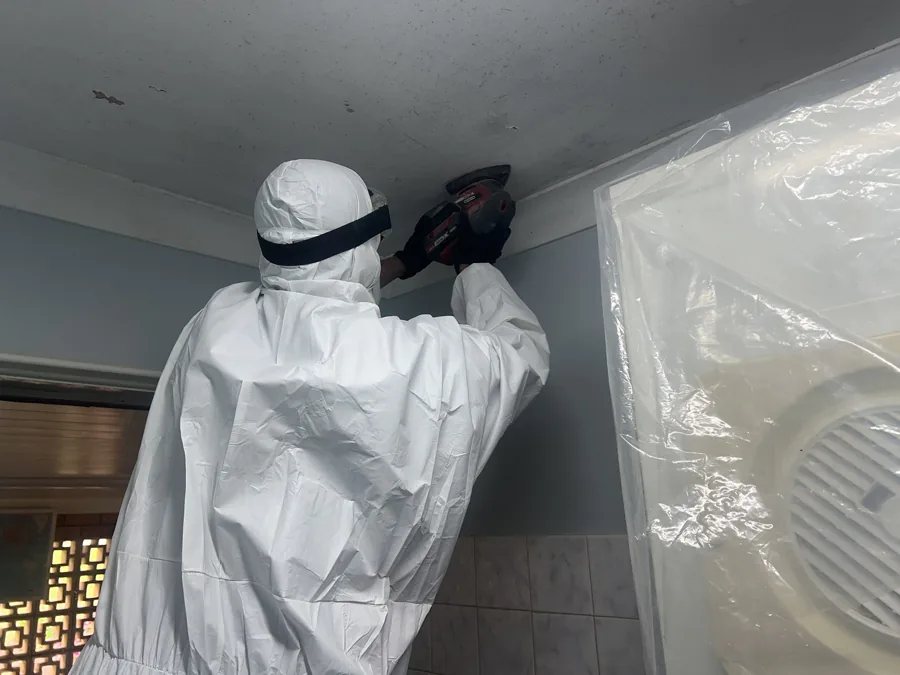
Elite Restoration’s mould removal and remediation is carried out to the IICRC S520 standard by an IICRC Certified Firm, certificate number 70100265, with $20 million in public and products liability cover. Emergency mitigation call-outs are available 24 hours a day, every day of the year.
Mould on walls questions
Can I just paint over mould?
No. The mould grows through the new paint because the moisture is still there. Fix the cause and clean the wall first.
Does vinegar kill mould on walls?
It helps on a small surface patch on a hard wall. It does nothing for the moisture that caused it, and little for mould in porous plaster.
Why does mould keep coming back on the same wall?
Because the wall is still getting wet. Condensation, a leak or rising damp is still feeding it.

 Water Damage Restoration
 Fire and Smoke Restoration
 Mould Removal & Remediation
 Mould Inspection
 Dehumidifier Hire
 Air Quality Testing
 Structural Drying
 Water Leak Detection
 Trauma & Crime Scene Cleaning
 Deceased Estate Clearing
 Hoarding & Squalor Cleaning
 Meth Testing & Decontamination
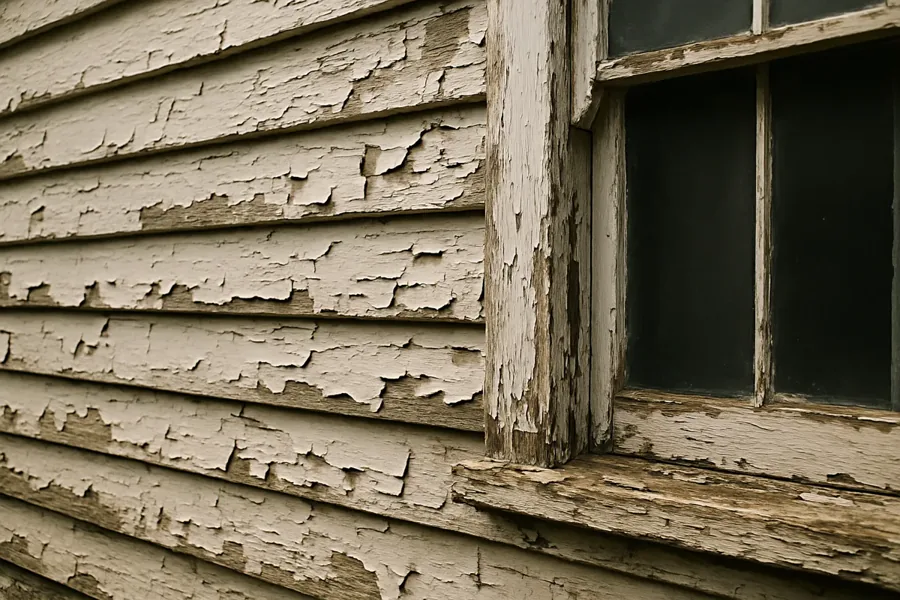 Lead Paint Removal