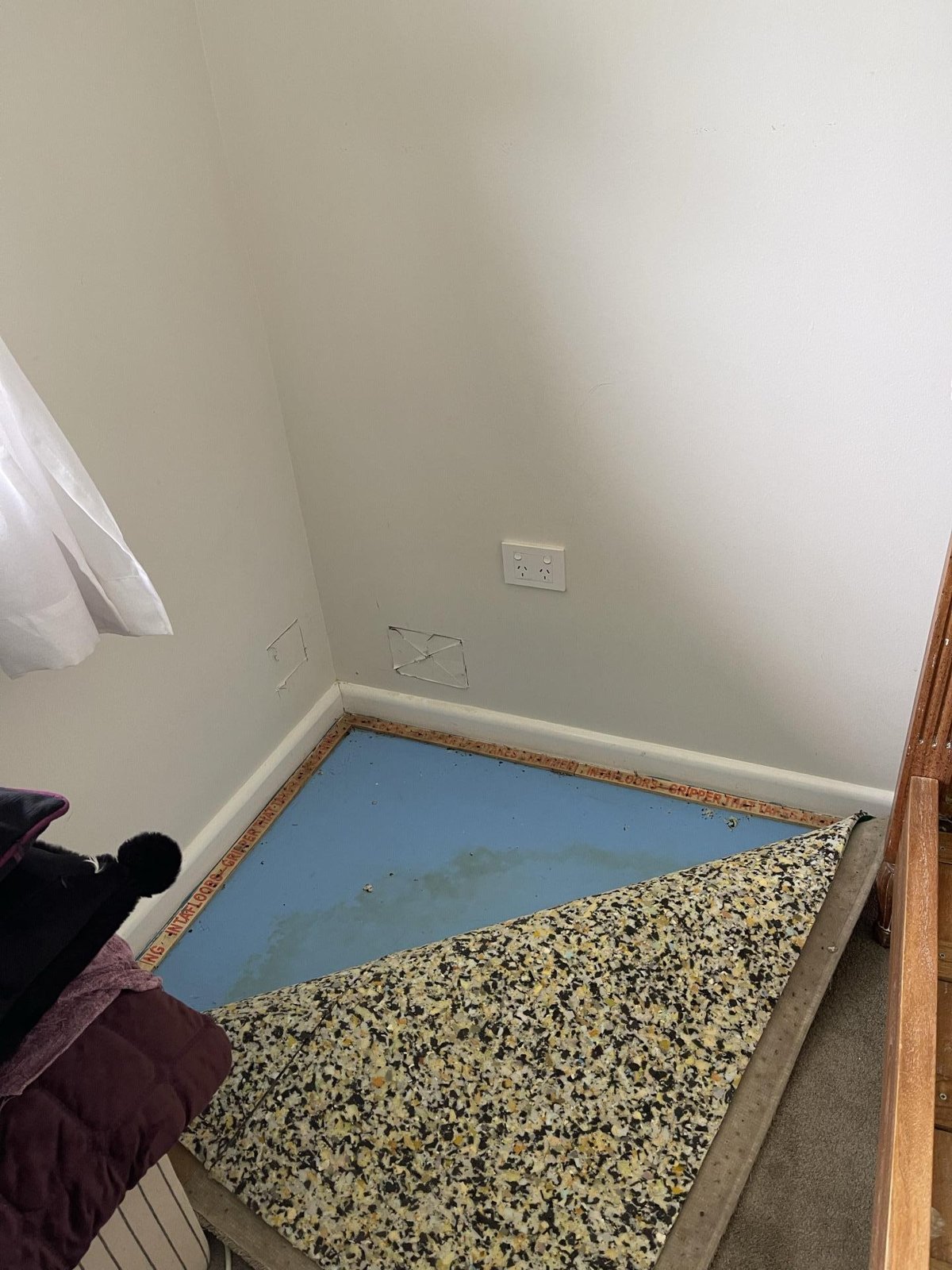
In July 2026 our team completed mould remediation work across 9 rooms in Gwelup WA 6018. The job was documented room by room, so the condition of each space was recorded before and during the work.
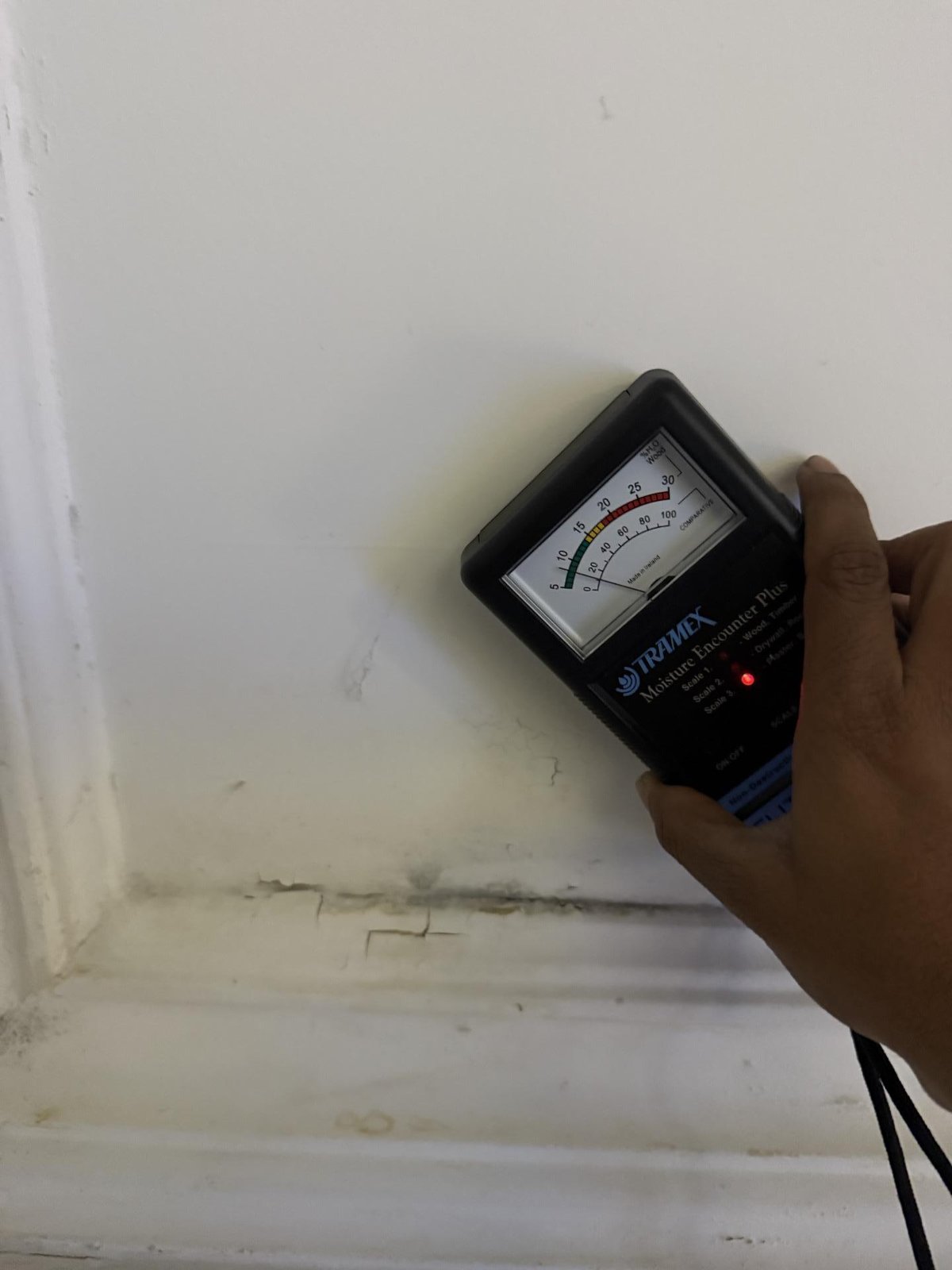
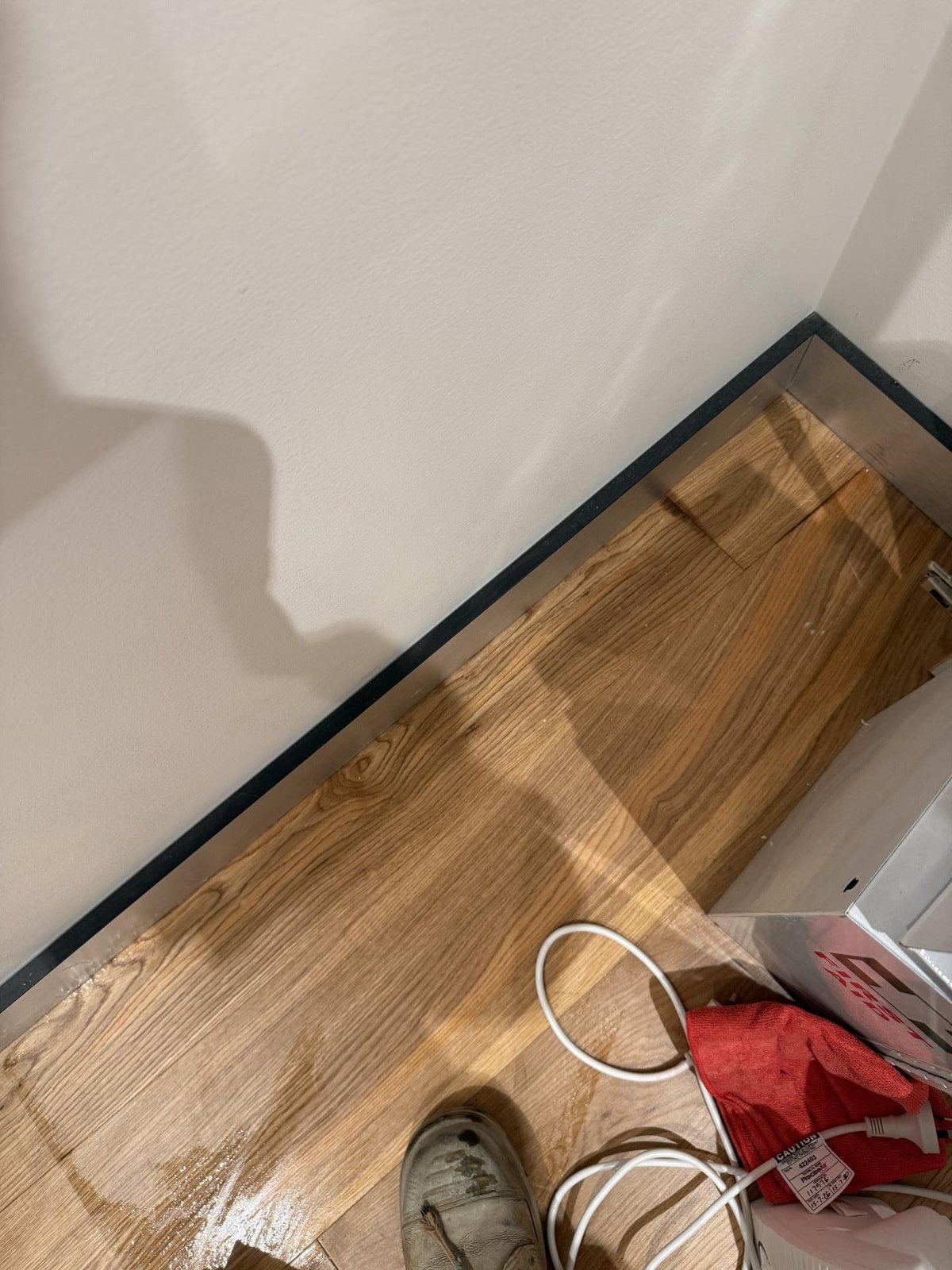
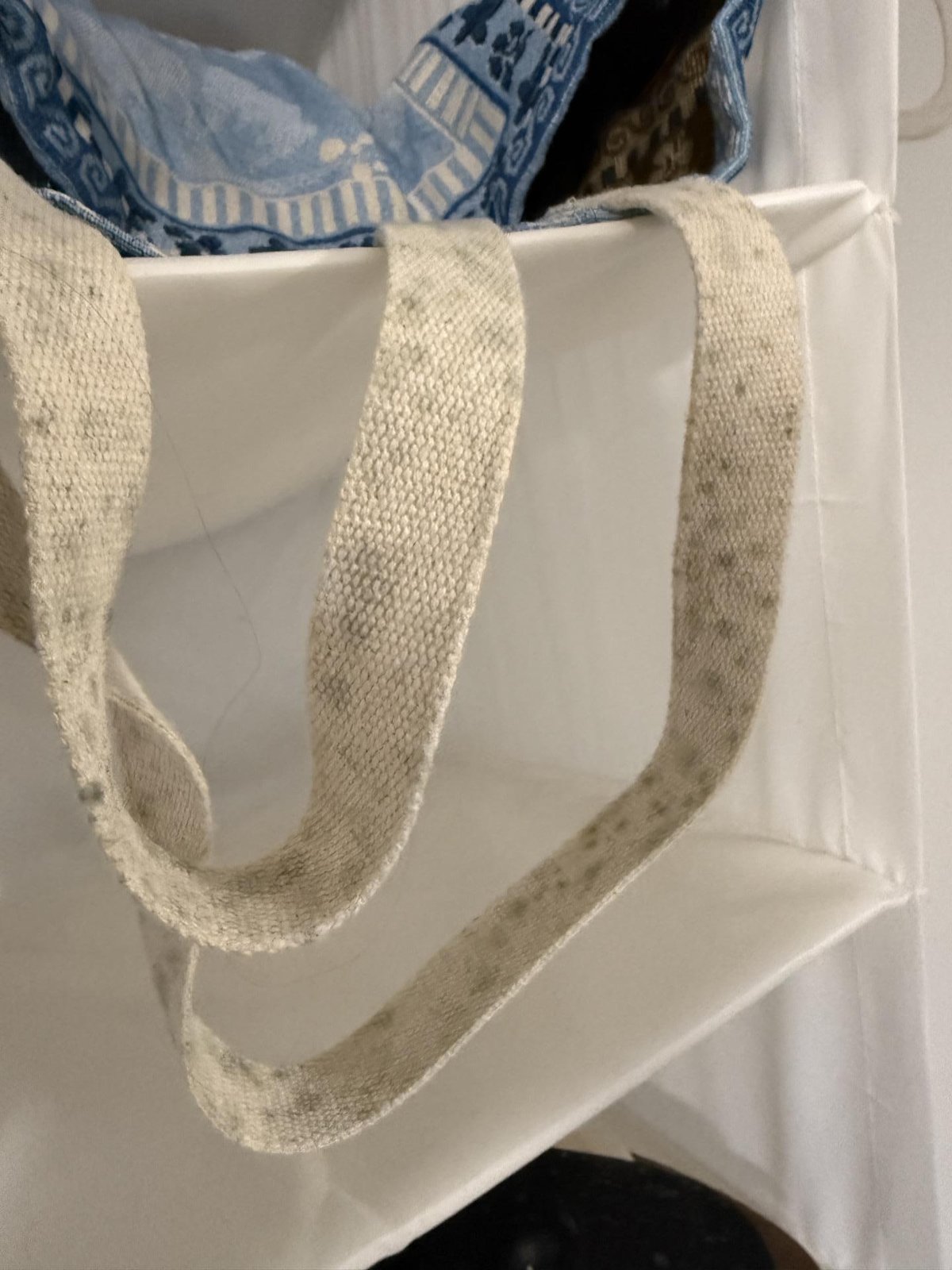
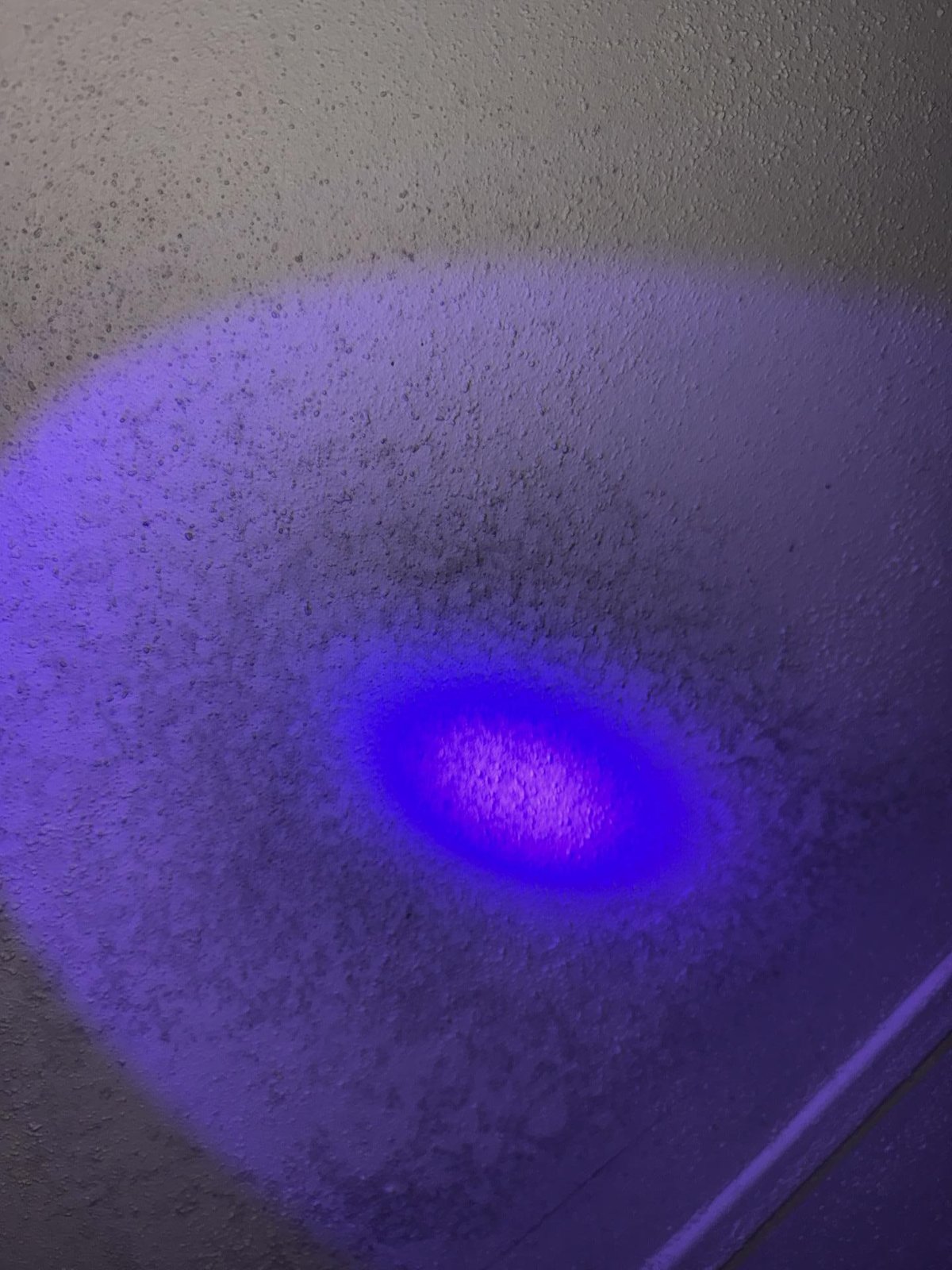
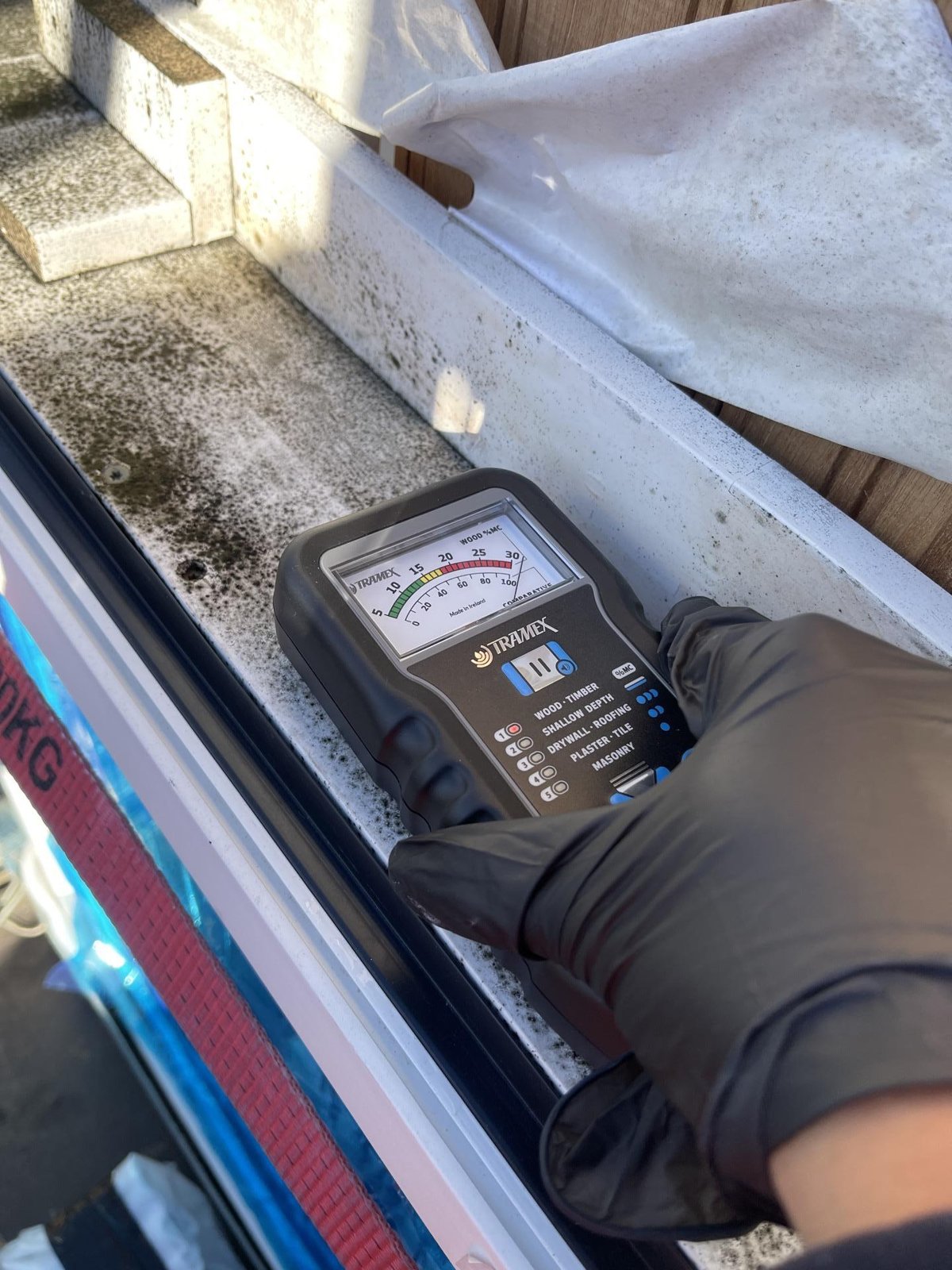
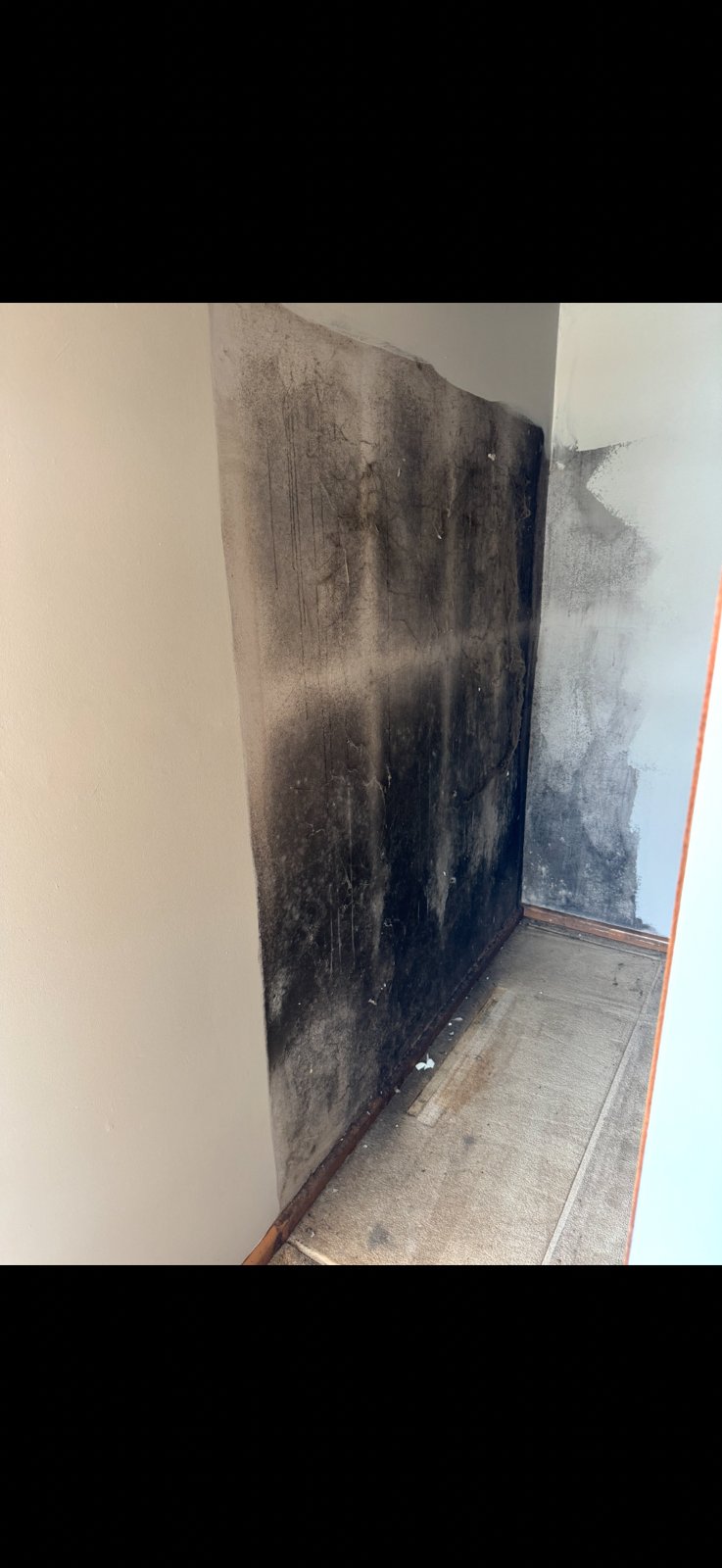
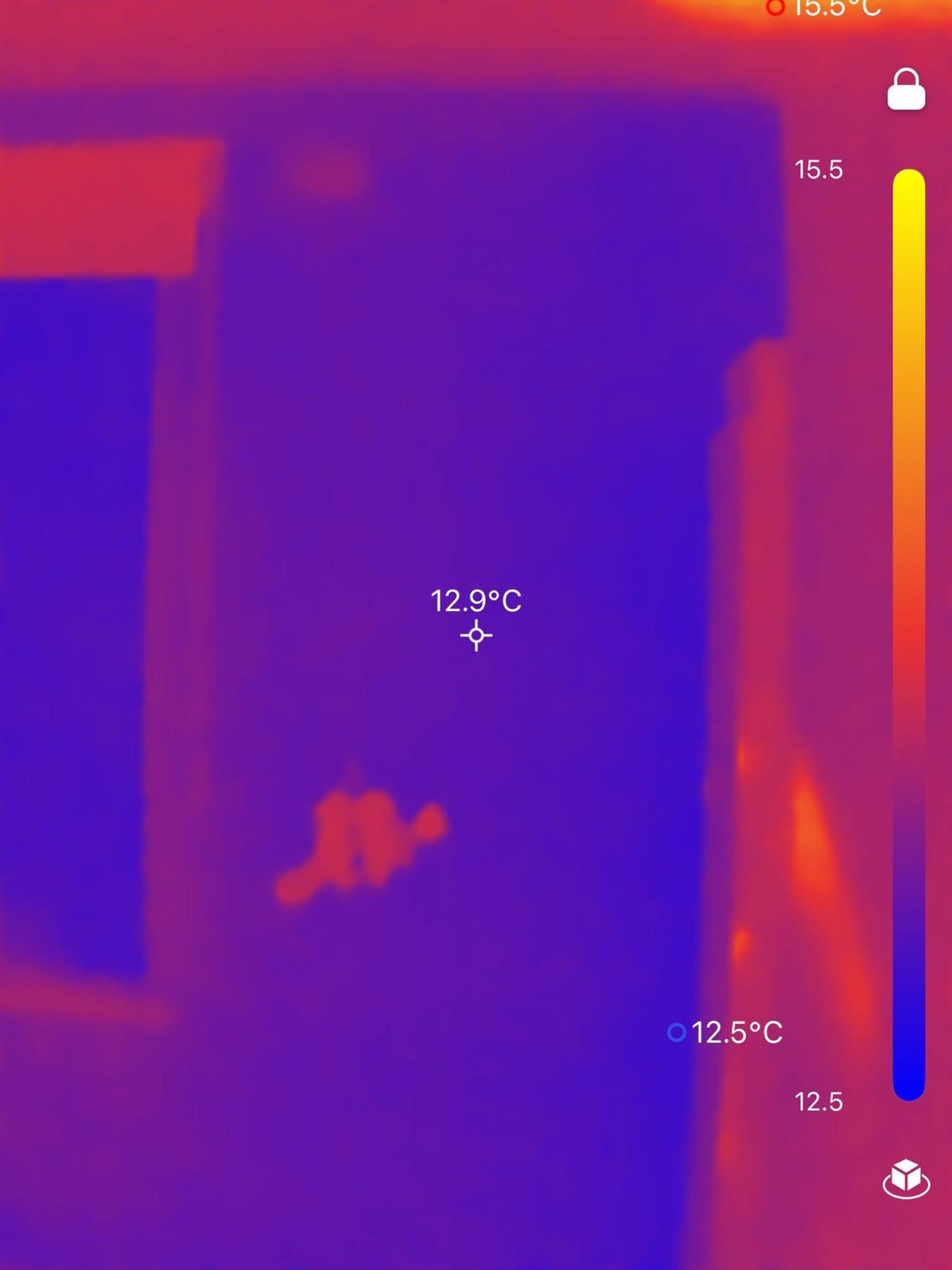
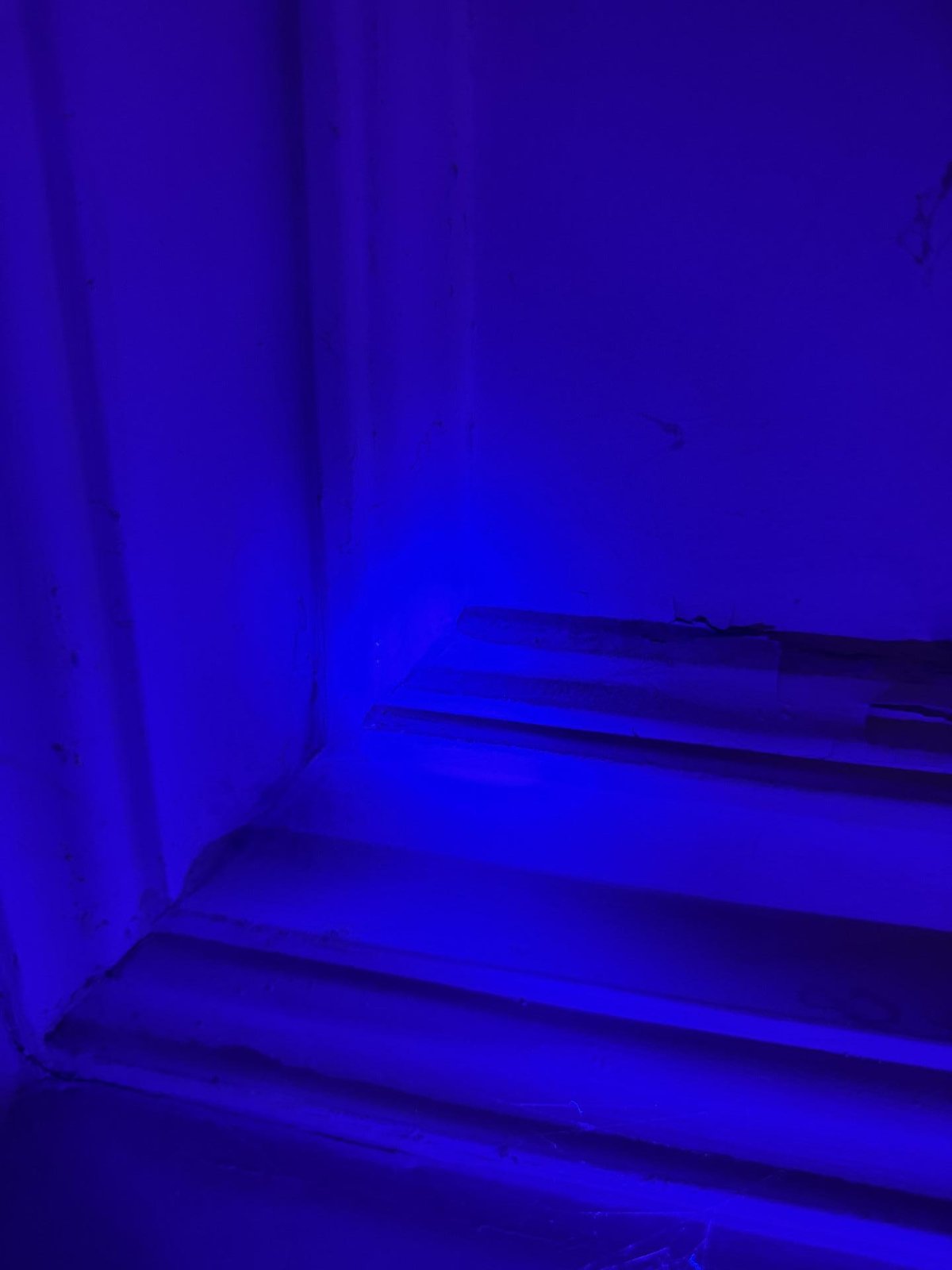
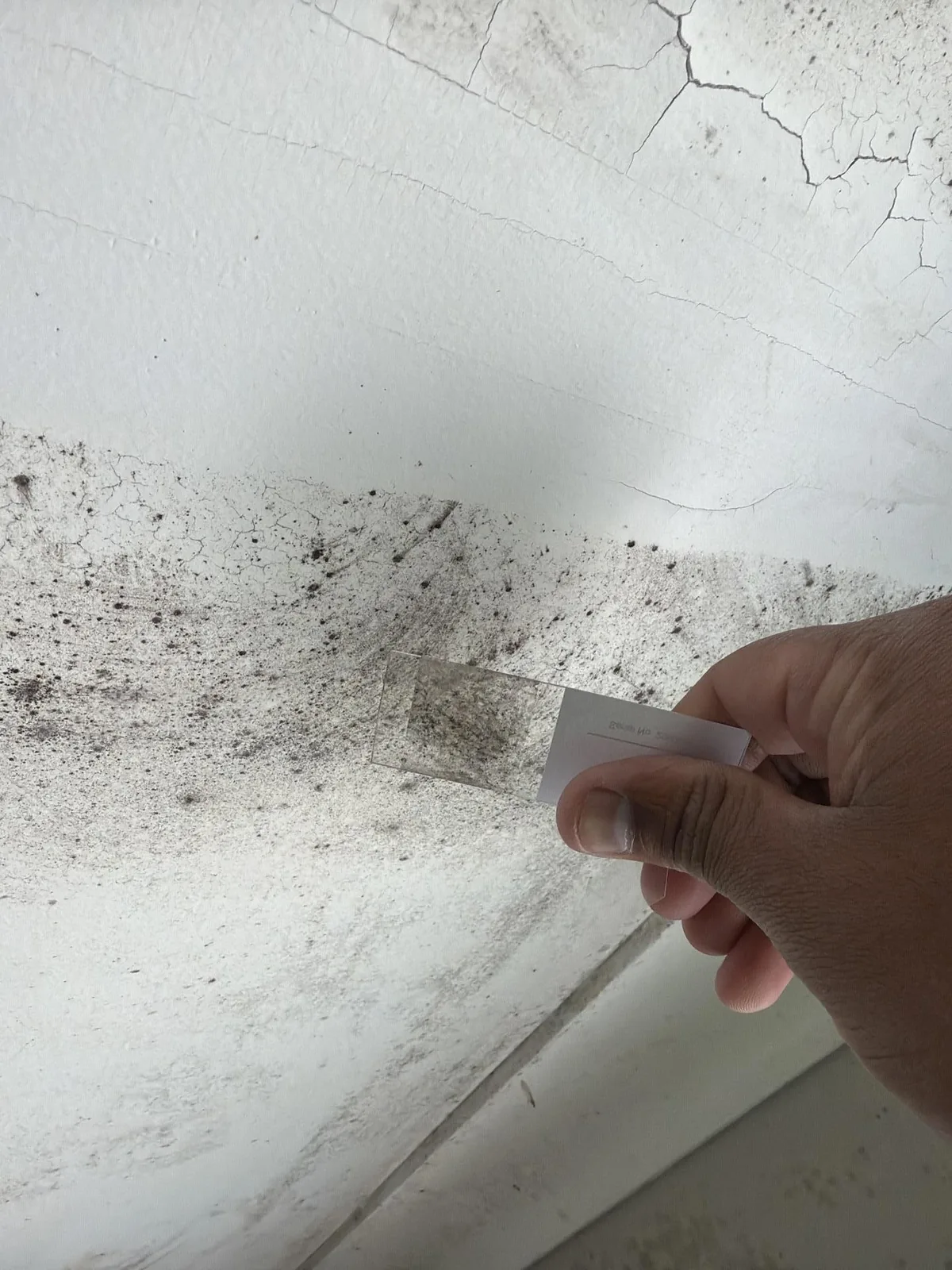
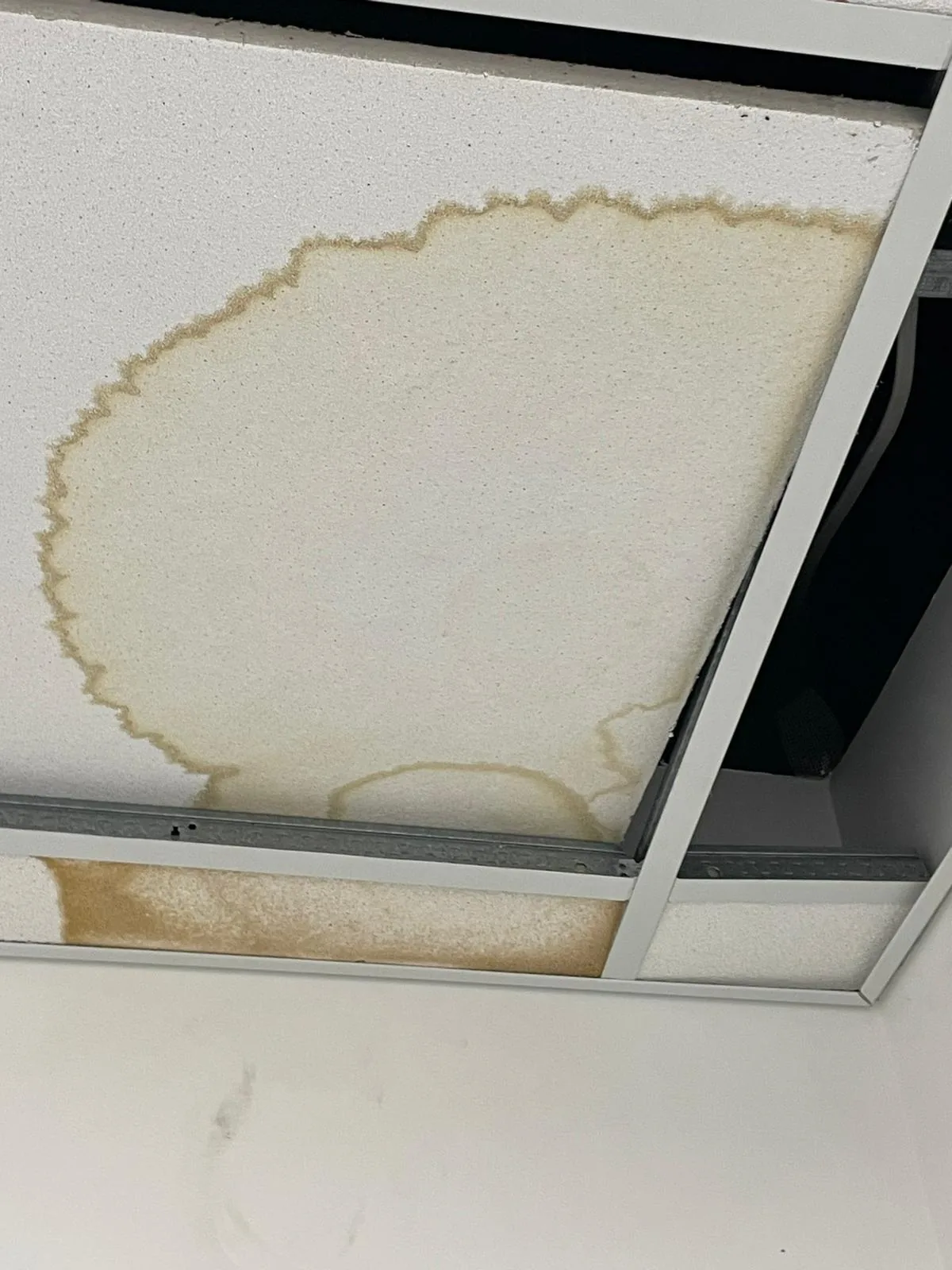
The first stage was assessment. A technician checked the affected walls with a moisture meter, paying close attention to the staining along the skirting, where a dark mould-like line had formed. Moisture readings help show where water has tracked through the building fabric, which often reaches further than what is visible on the surface. Under UV light, the damaged wall edges and stepped skirting in one corner also showed where growth and water staining had spread.
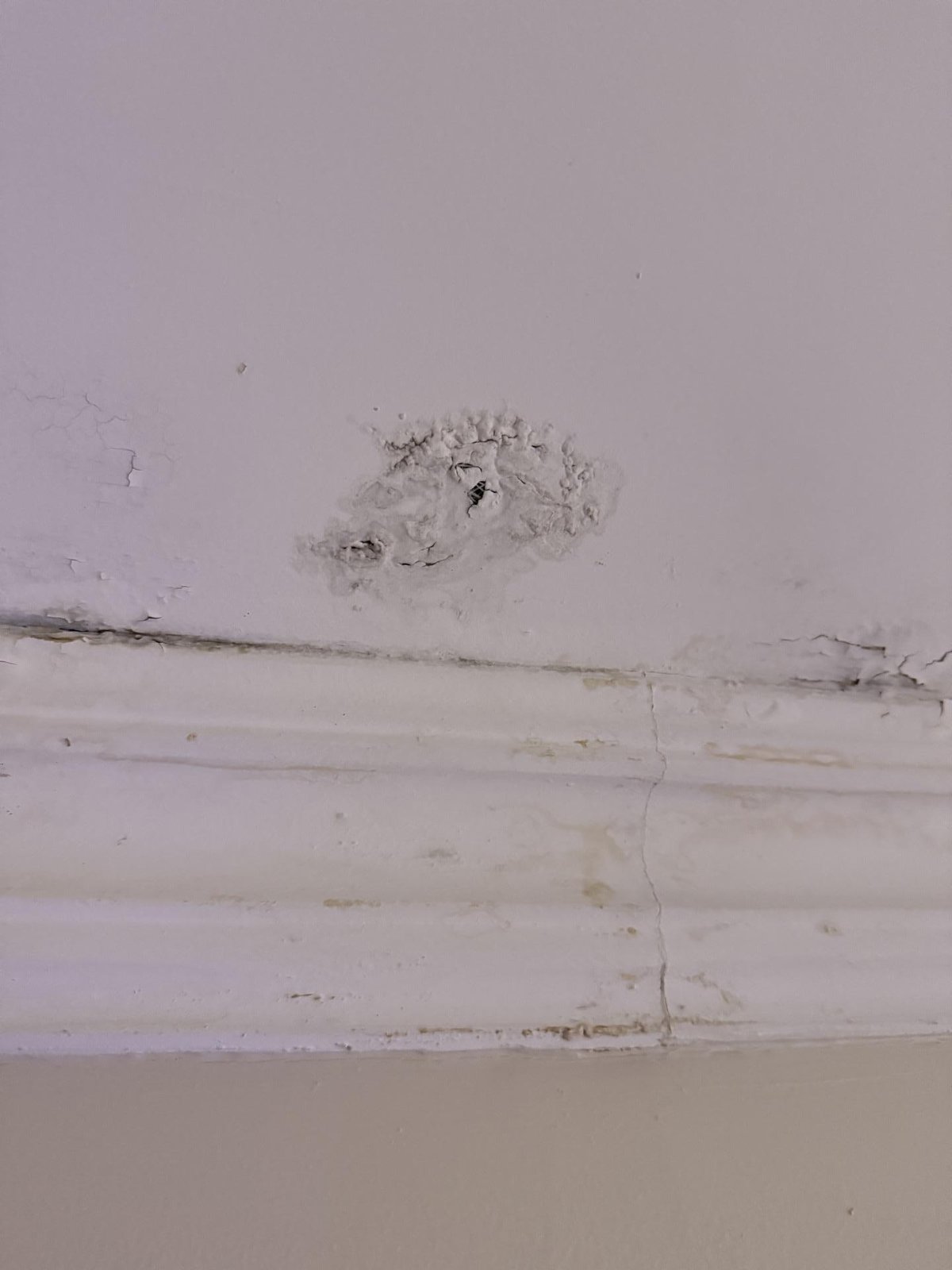
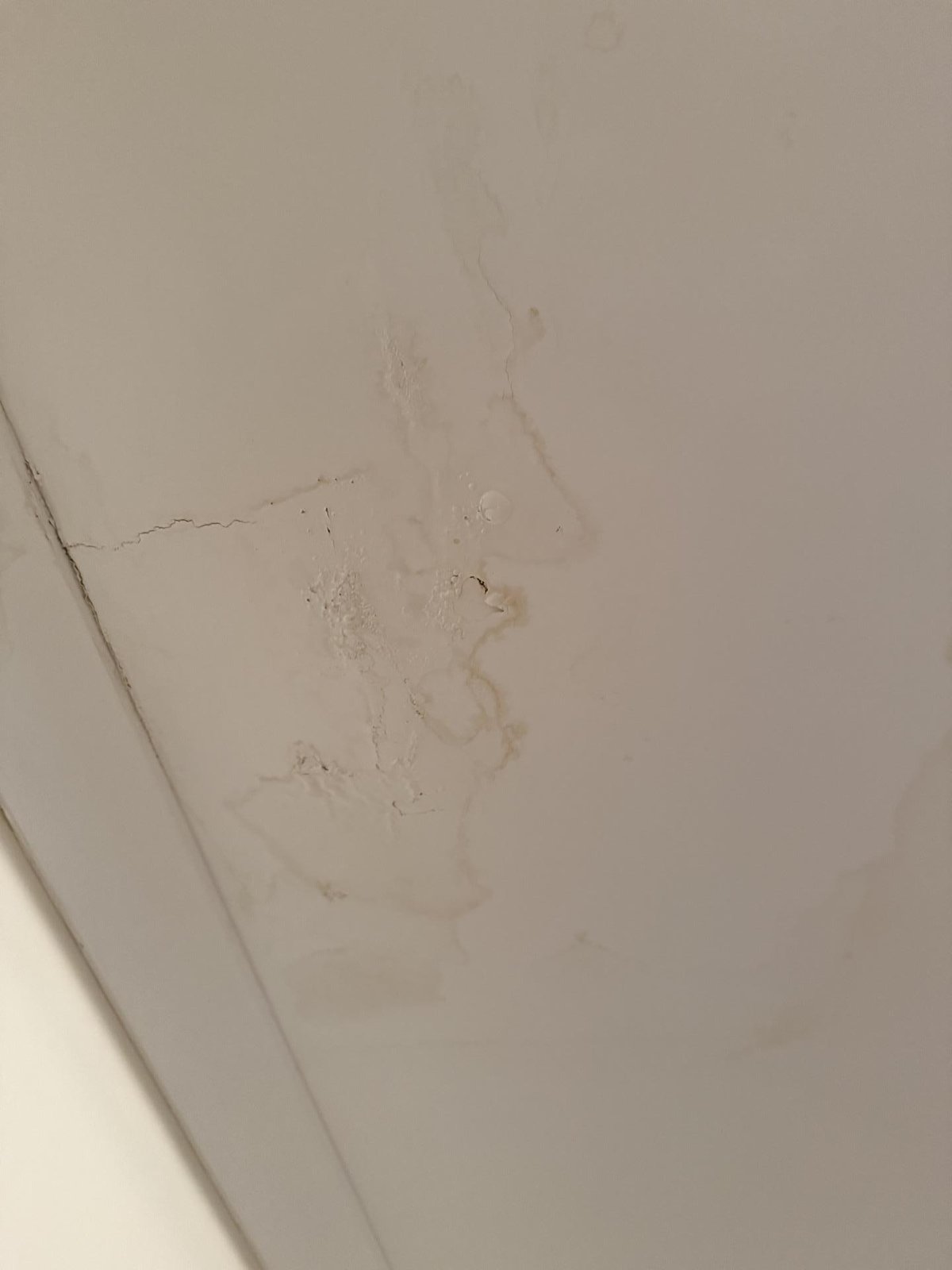
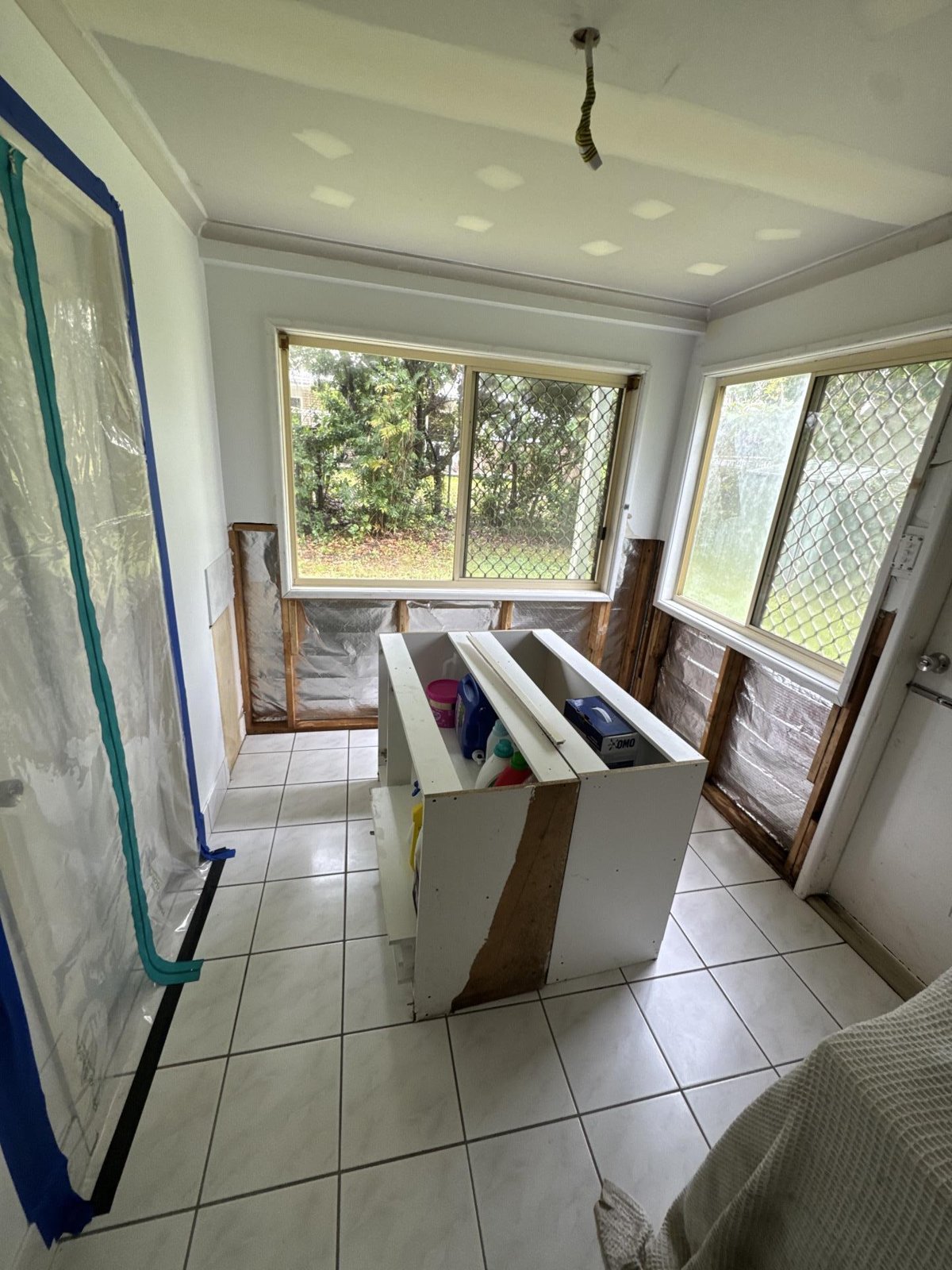
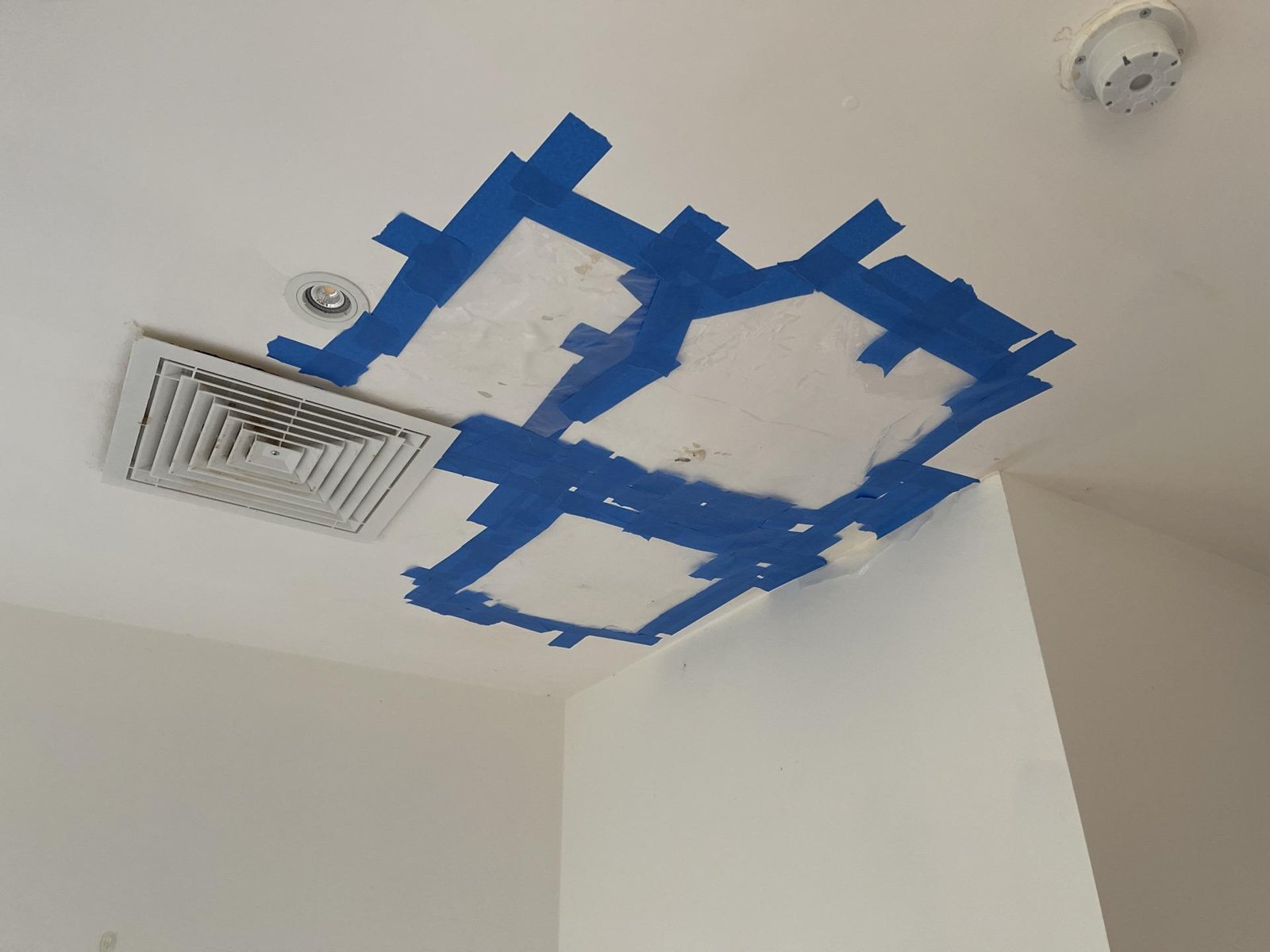
For this kind of job, the work generally involves containing the affected area, removing damaged materials that can’t be cleaned and returned to a sound condition, and treating the remaining surfaces. Paint that has bubbled and cornice that shows staining above the skirting are typical examples of materials that may need to come out. Each stage is carried out in line with IICRC S520, the standard for mould remediation, and the aim is to finish with surfaces that are dry and clean before any rebuilding begins.
Mould growth usually starts where moisture has been present for some time, so the cause matters as much as the clean-up. Recording the condition of each room gives the property owner a clear picture of what was affected and what was done. Water damage that is not addressed can keep feeding growth in the same walls, which is why the stages of assessment, removal and drying are worth getting right. For residents in Gwelup and the surrounding area, a documented, standards-based approach gives a clearer result than a surface clean alone.
Read more about our Mould Removal & Remediation service.

 Water Damage Restoration
 Fire and Smoke Restoration
 Mould Removal & Remediation
 Mould Inspection
 Asbestos Removal
 Asbestos Testing
 Dehumidifier Hire
 Air Quality Testing
 Structural Drying
 Water Leak Detection
 Trauma & Crime Scene Cleaning
 Deceased Estate Clearing
 Hoarding & Squalor Cleaning
 Meth Testing & Decontamination
 Lead Paint Removal