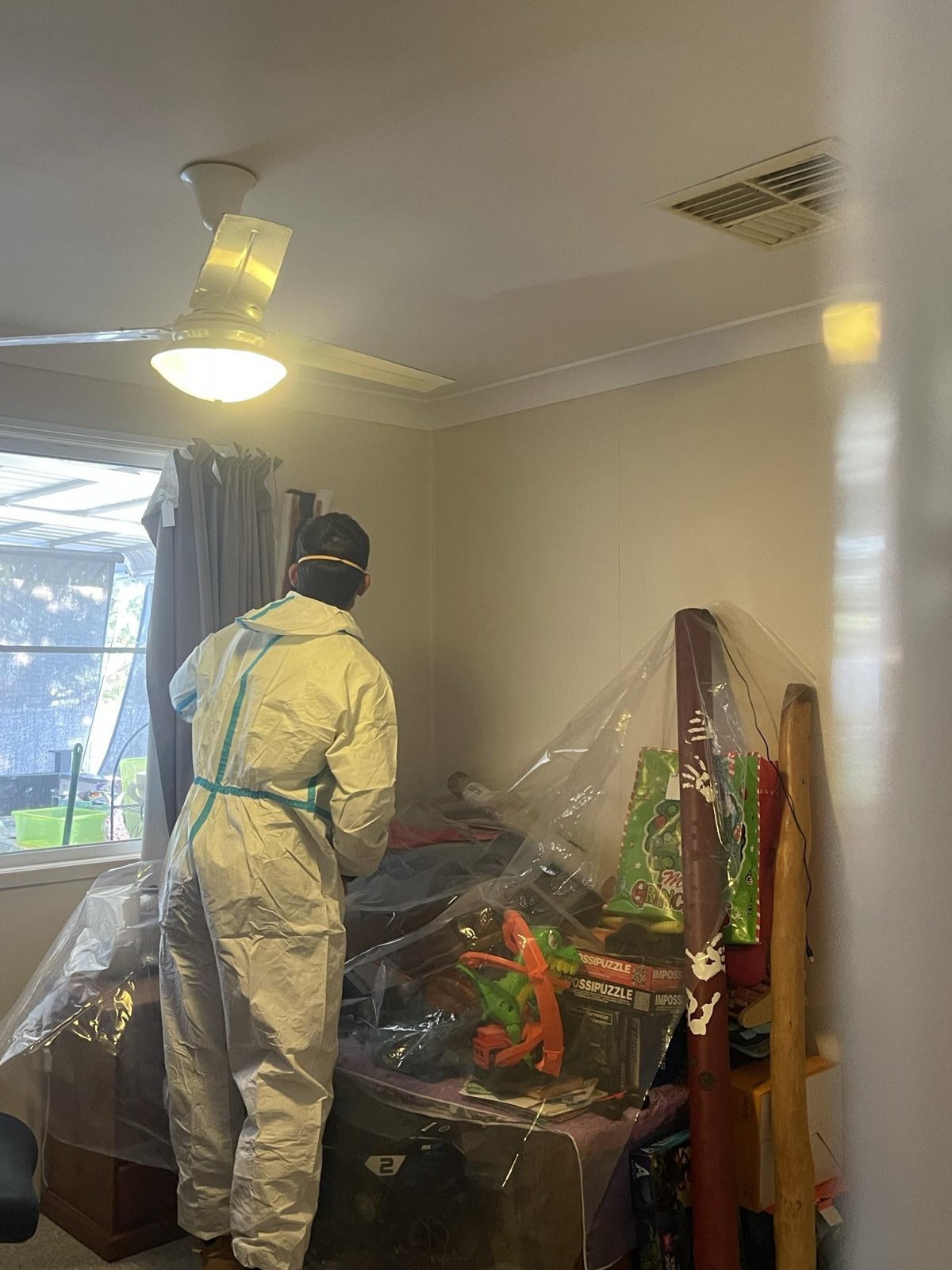
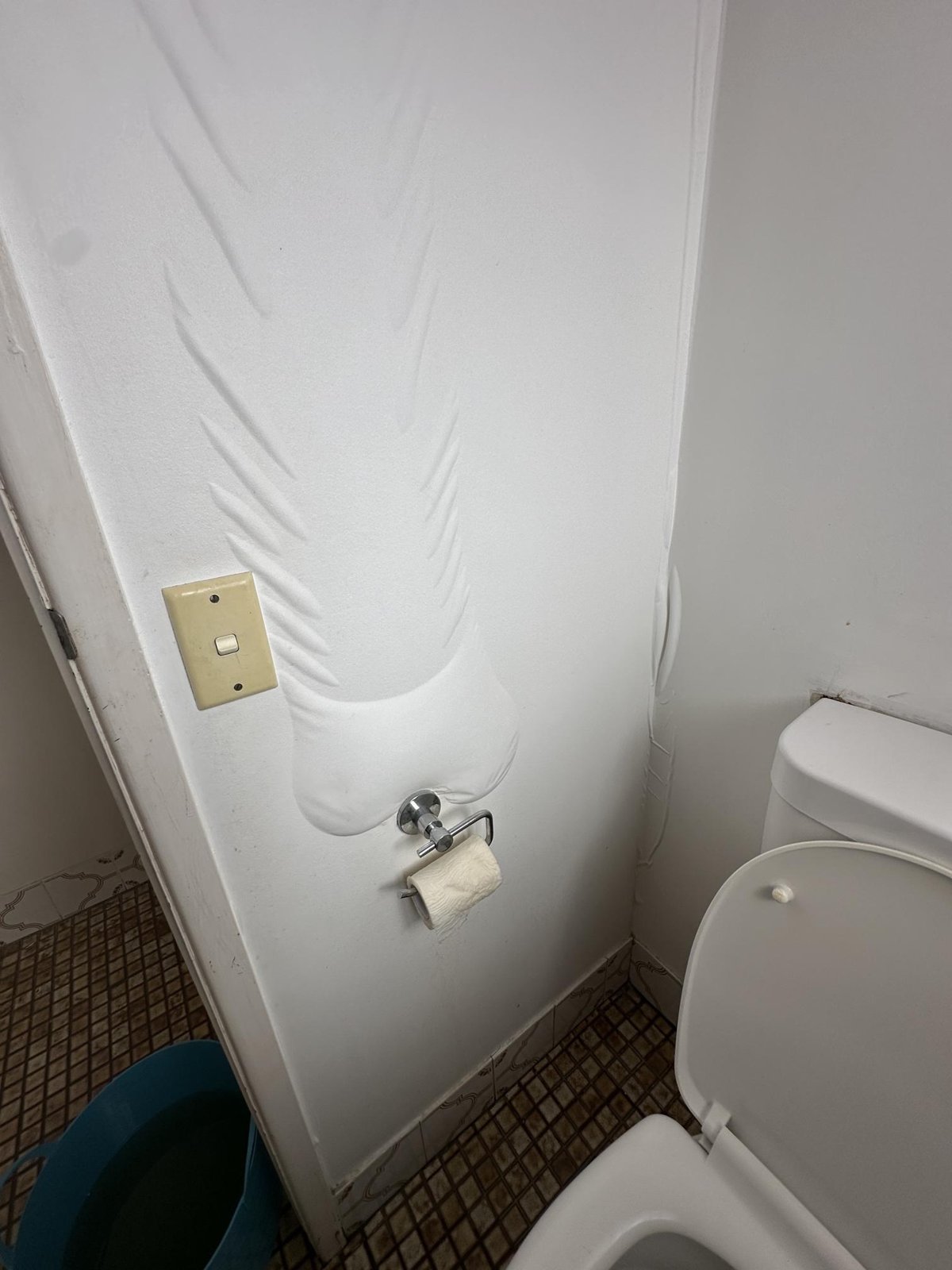
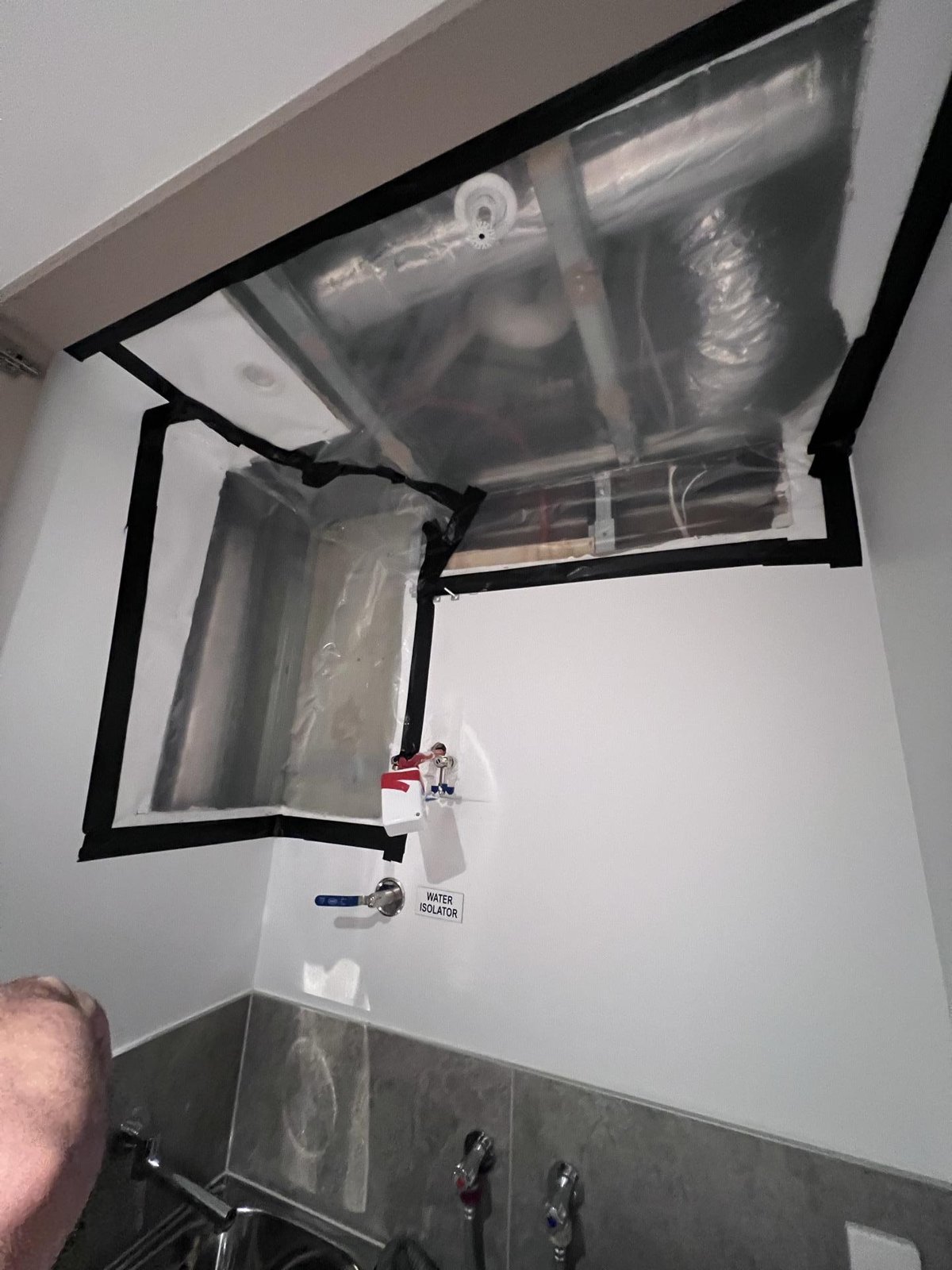
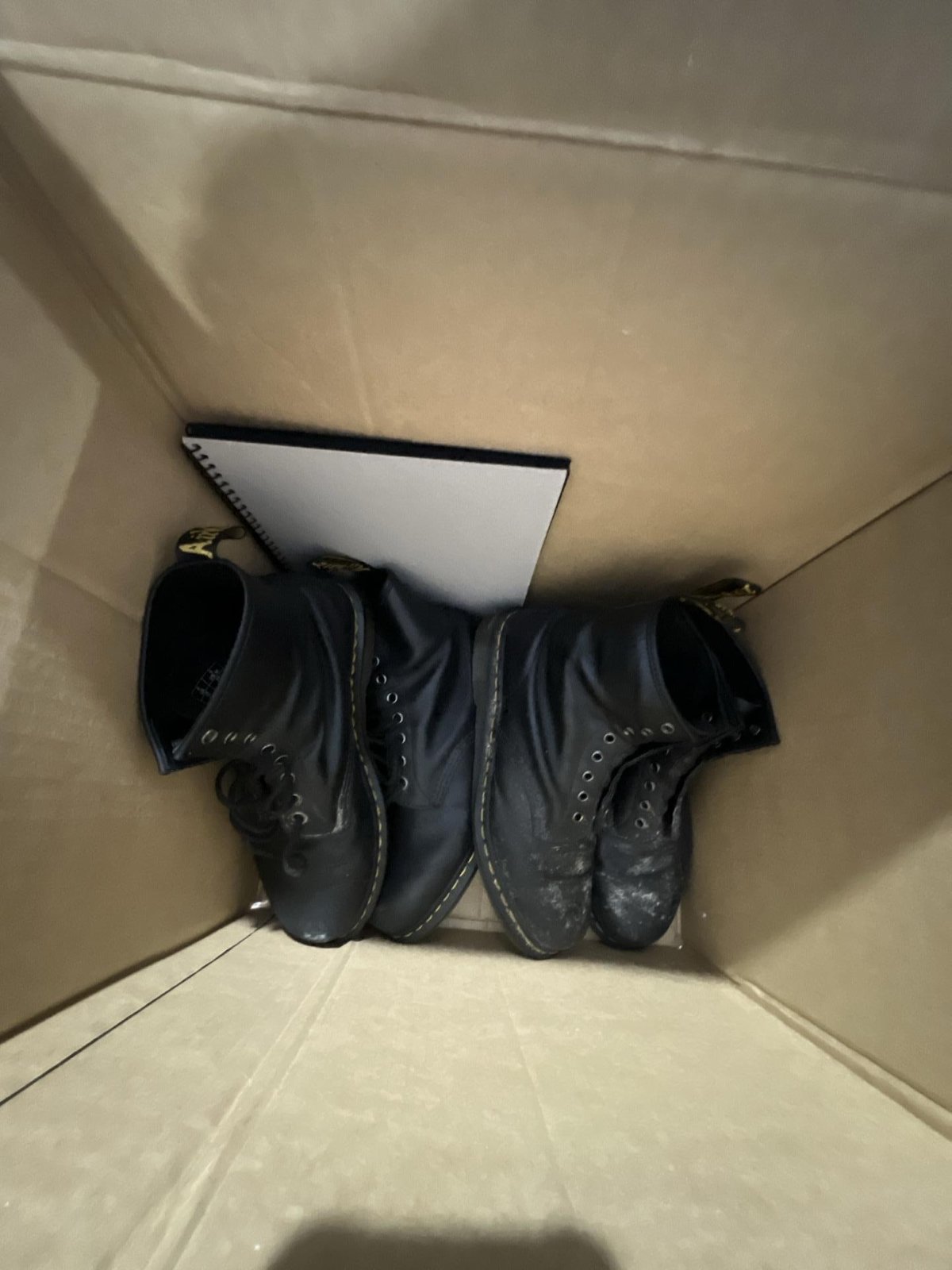
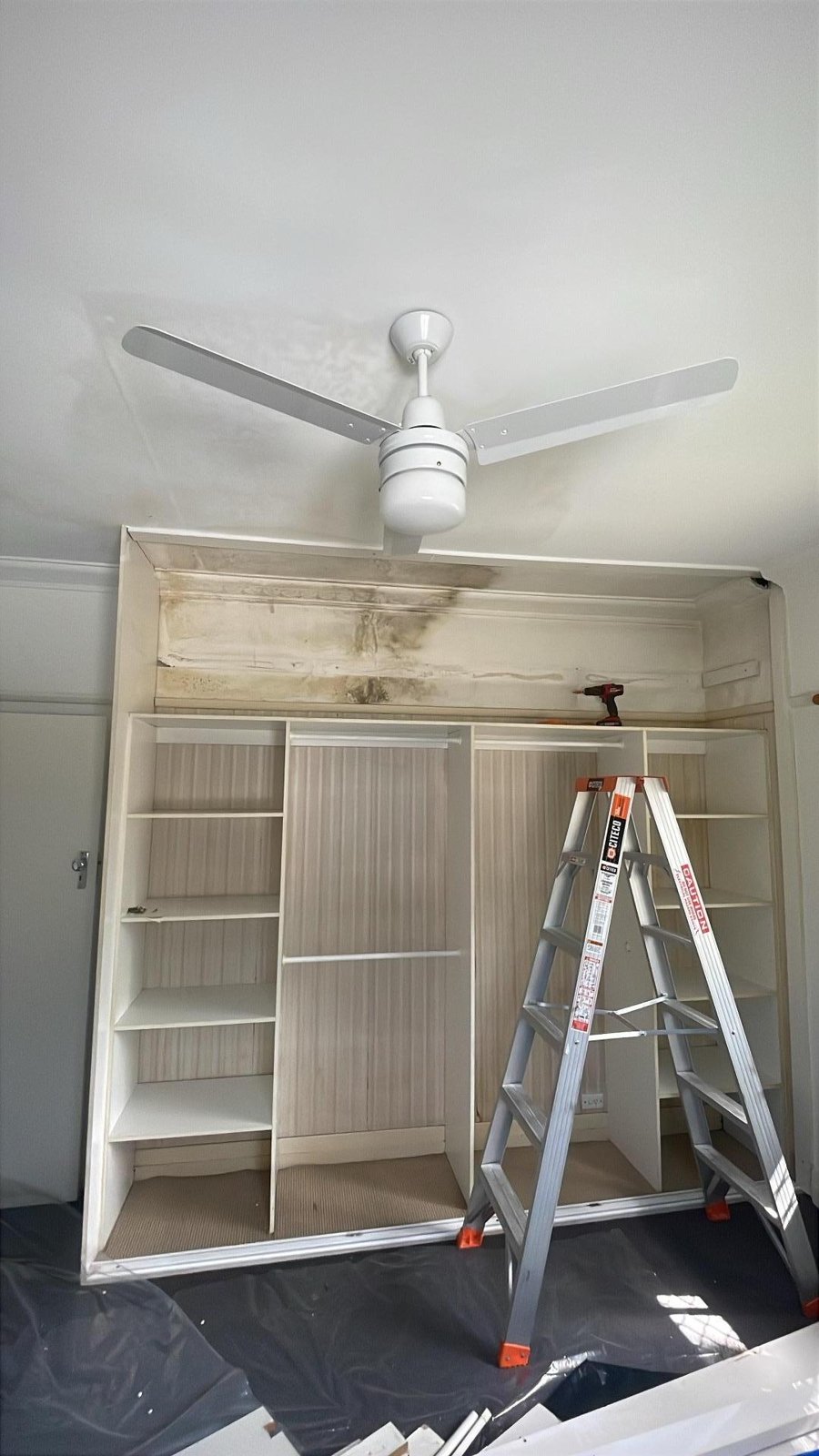
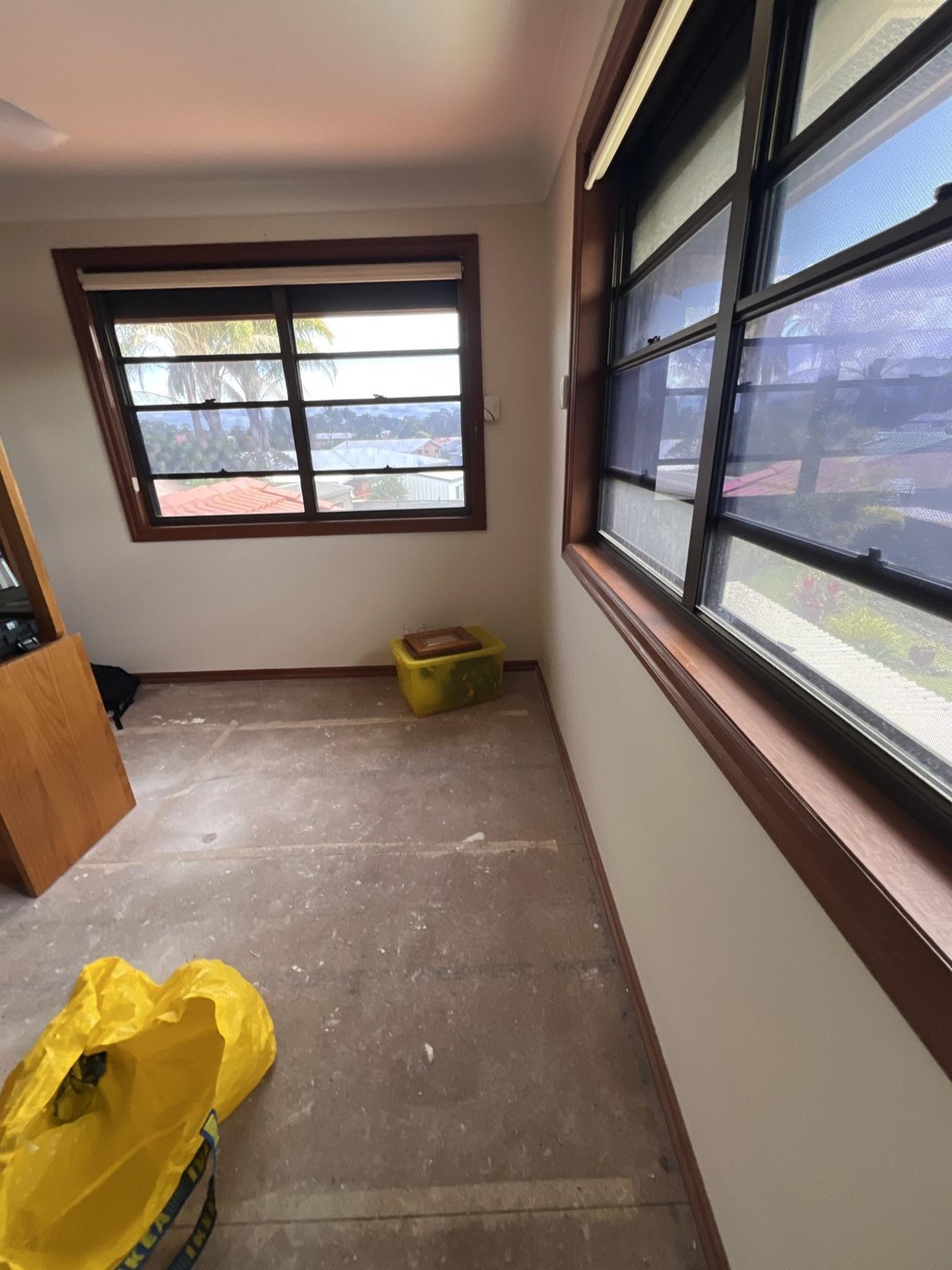
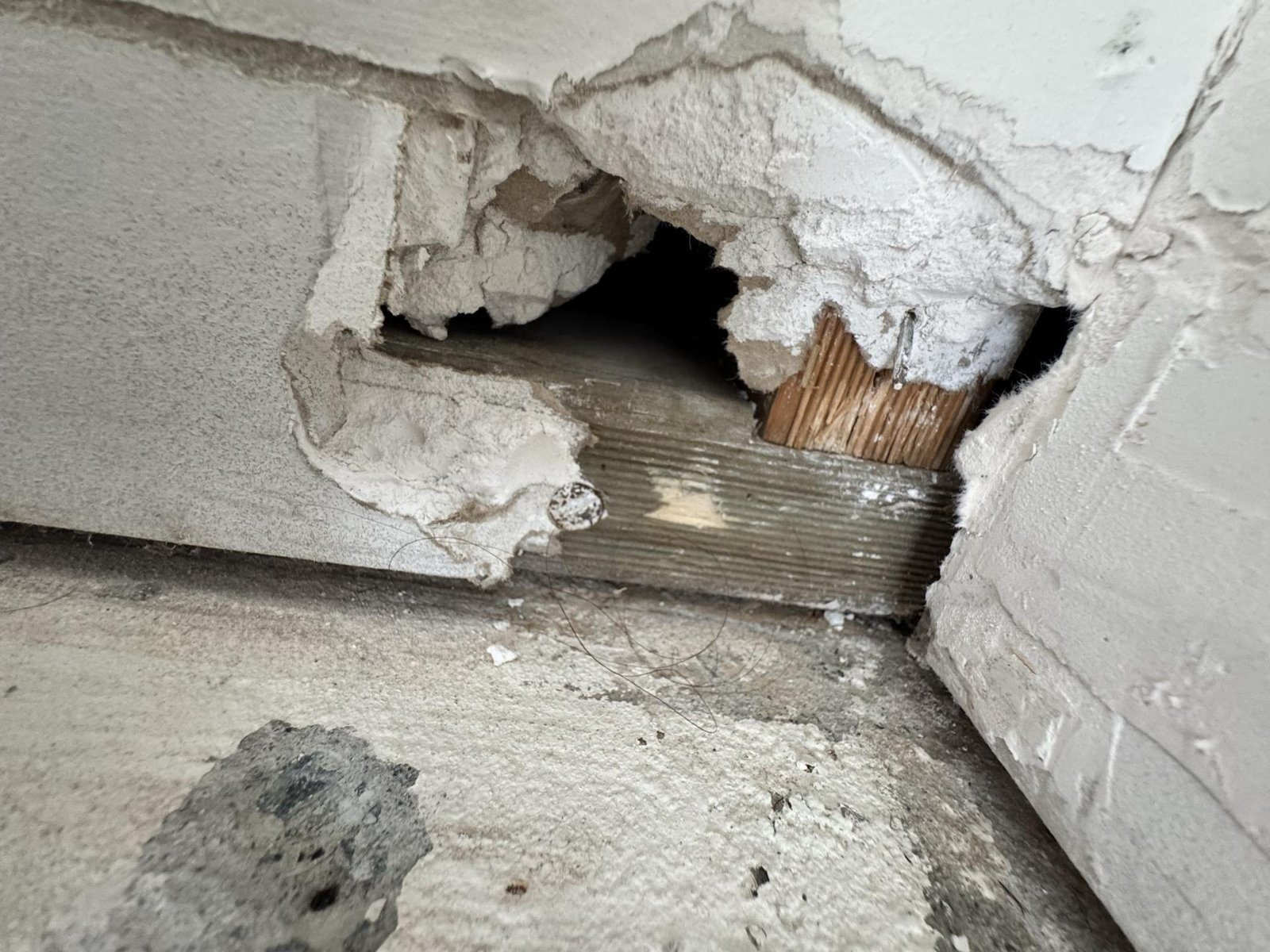
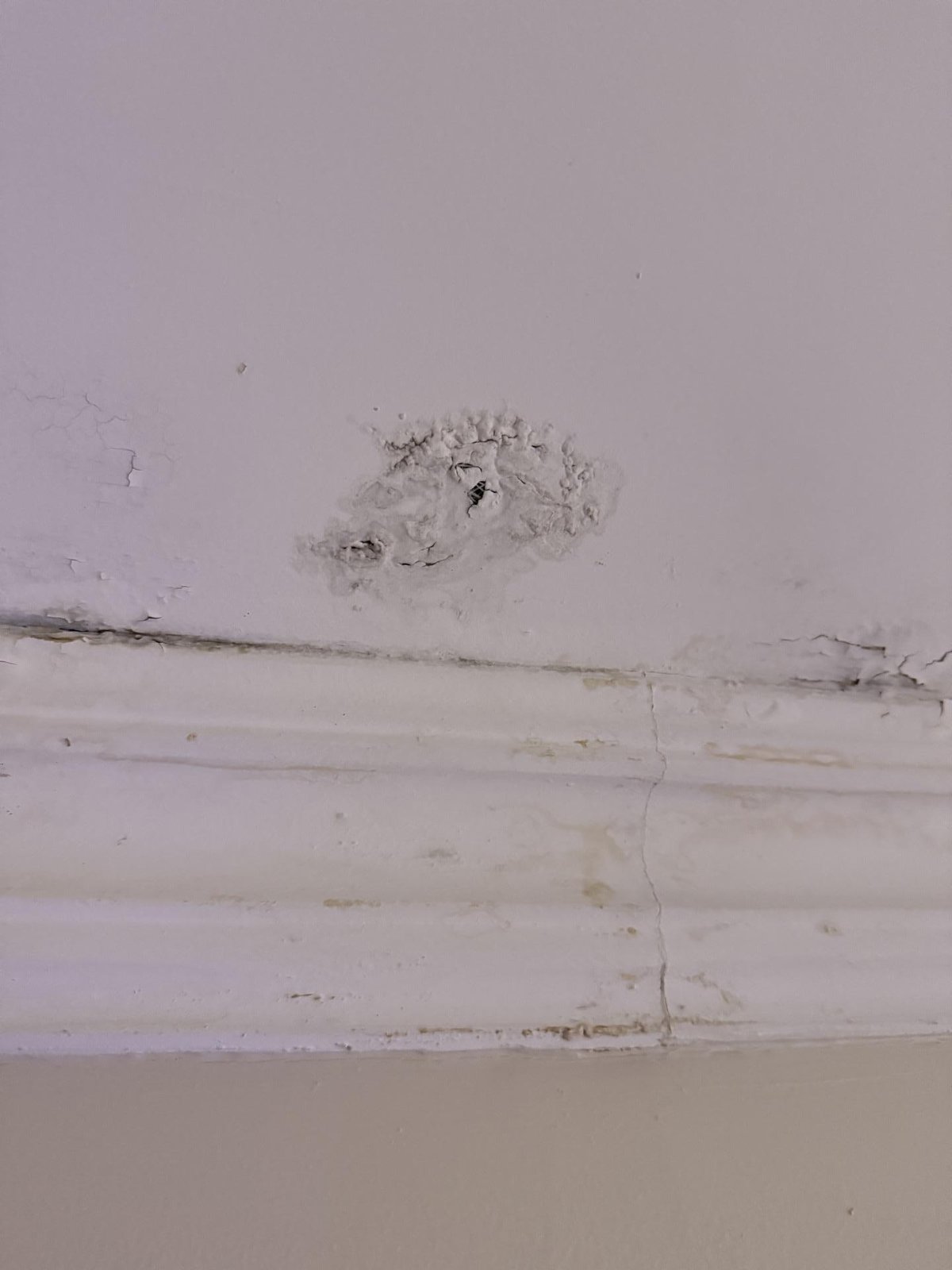
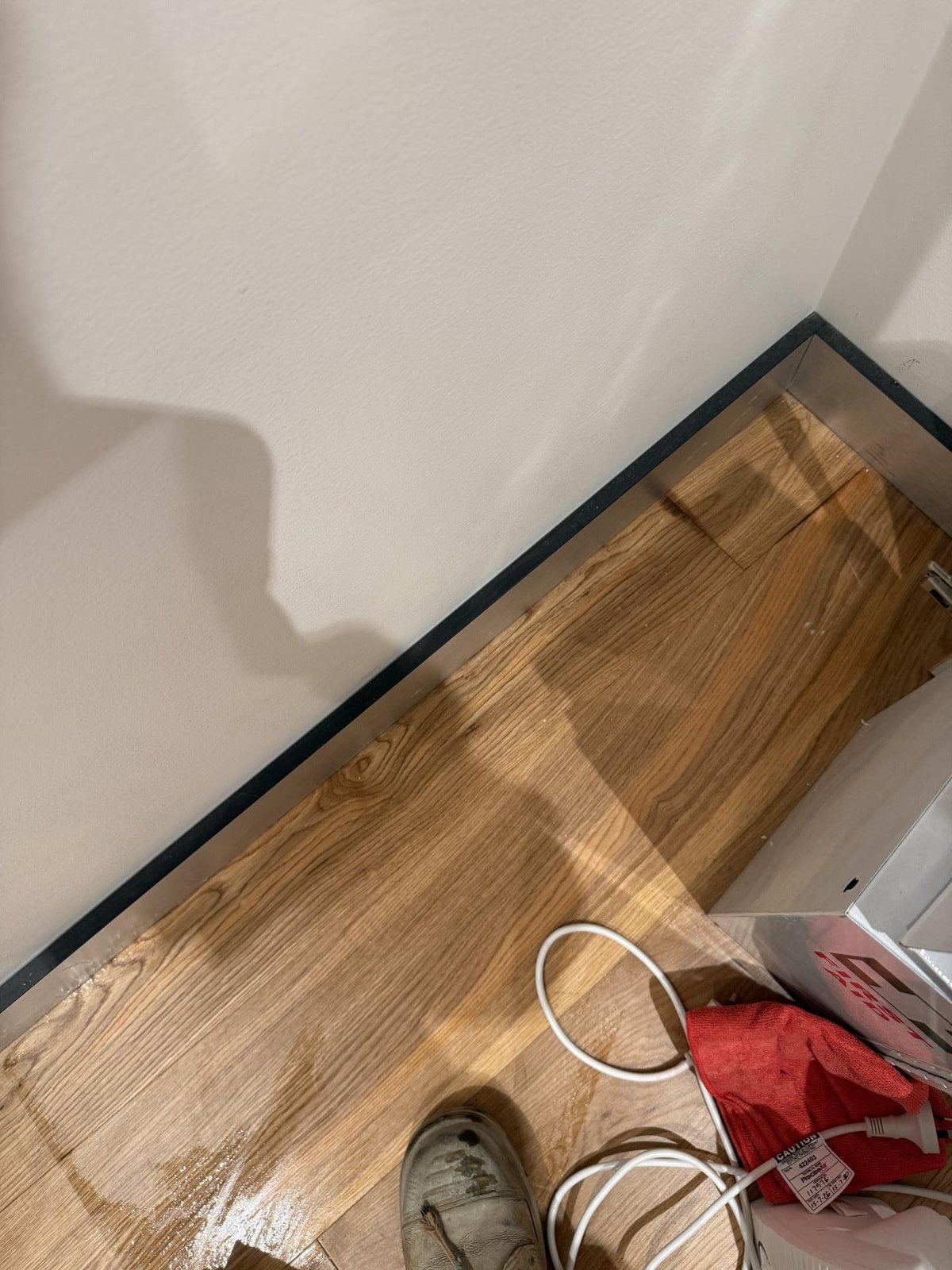
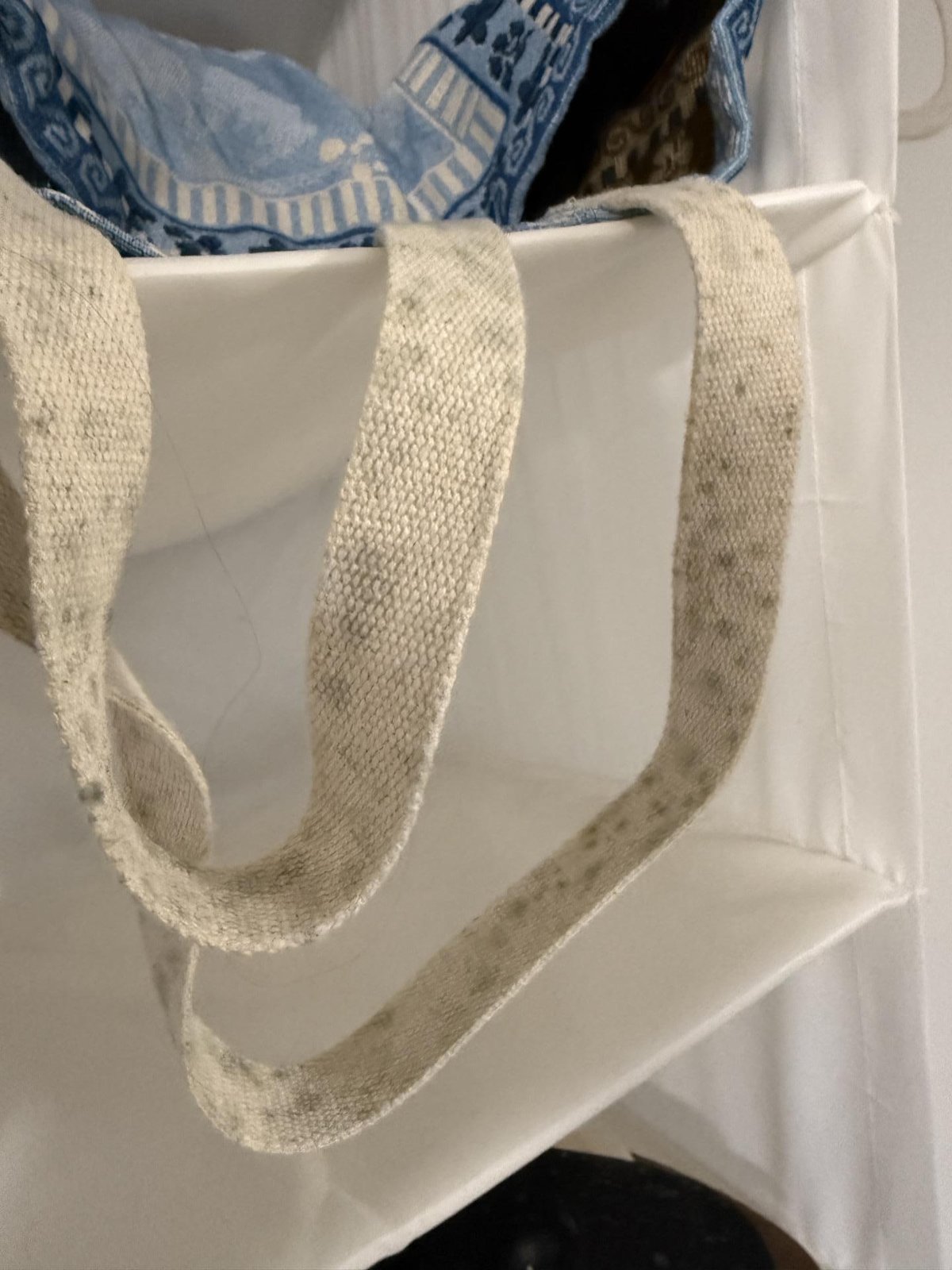
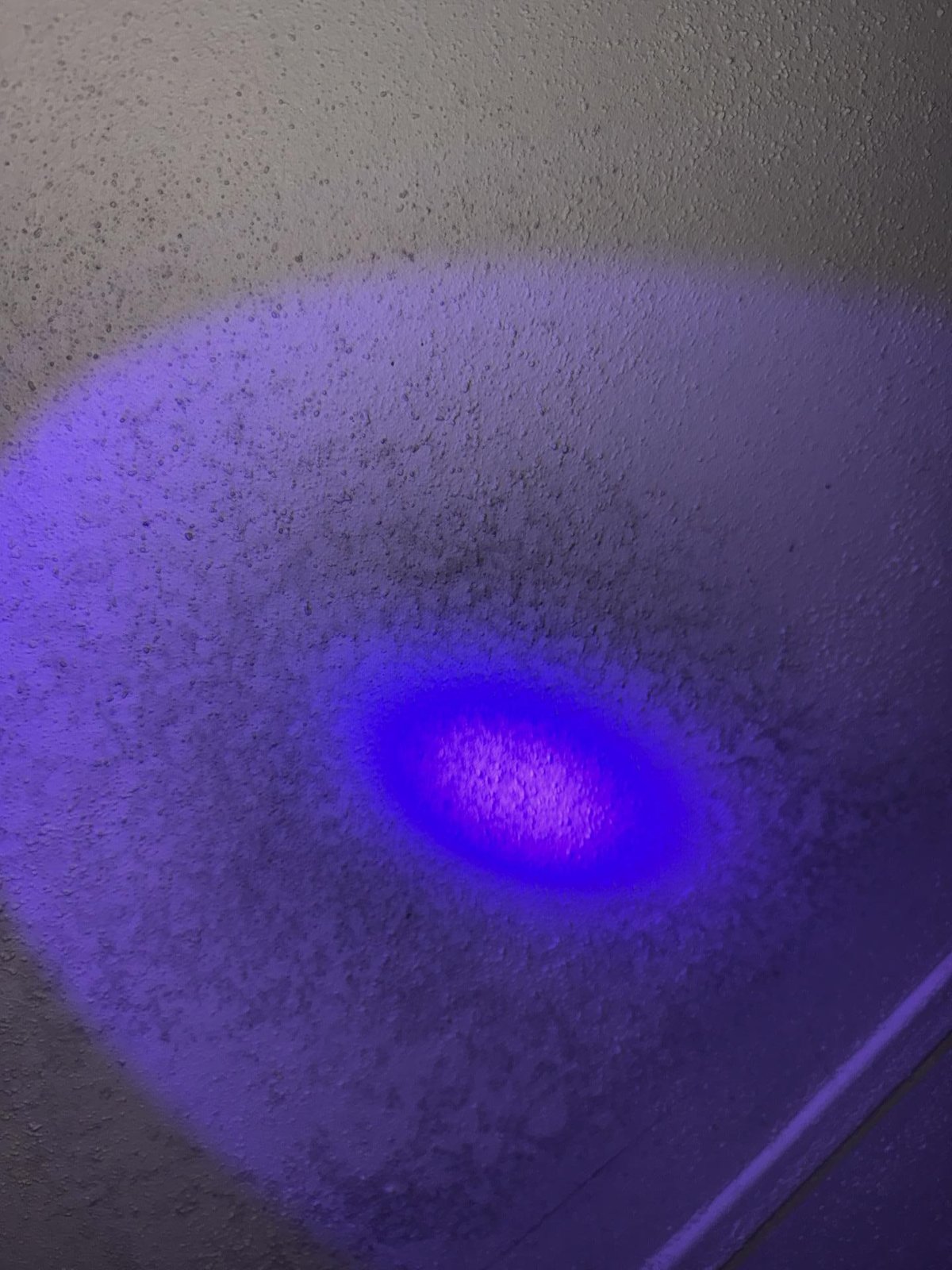
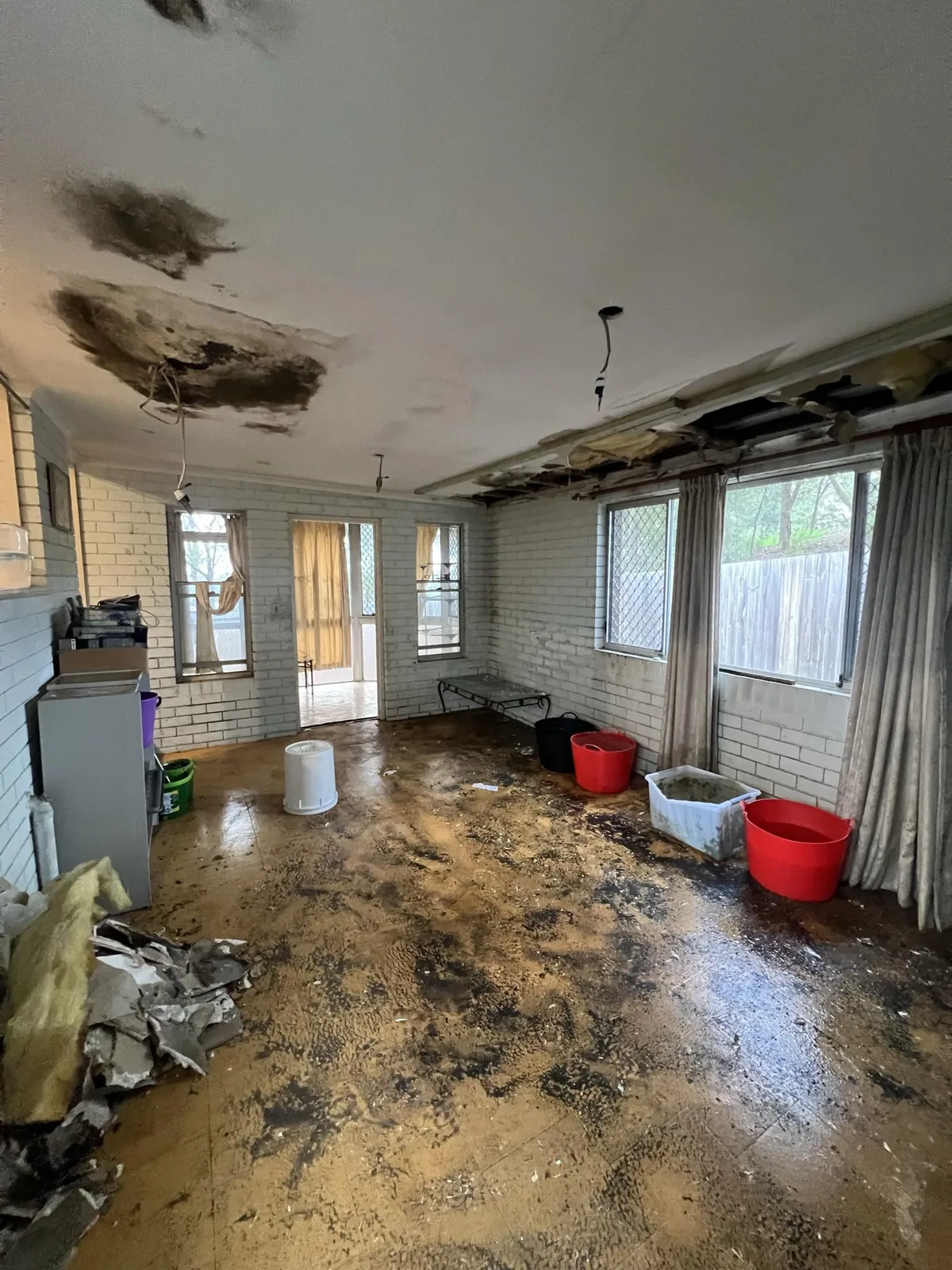
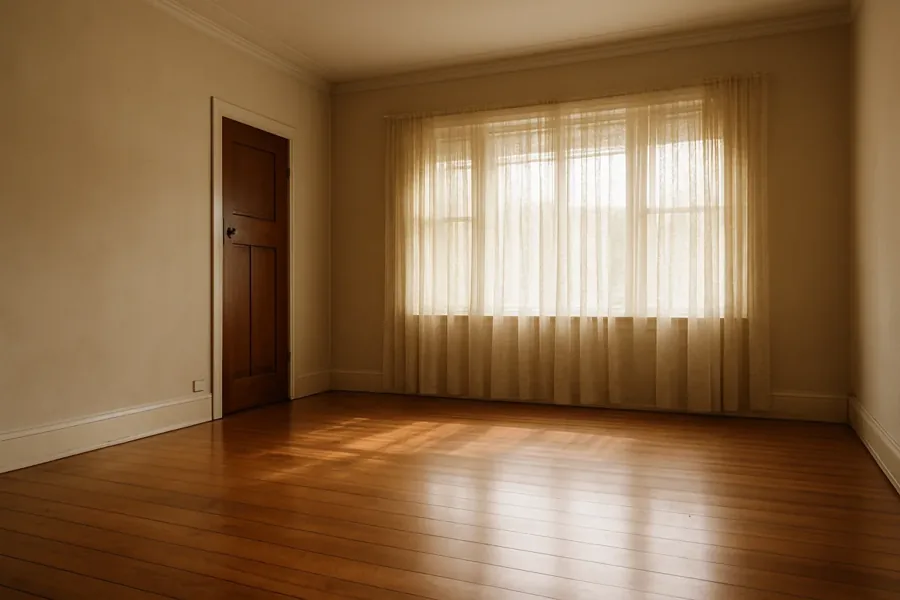
In March 2026 our team completed mould and asbestos work at a property in Hope Island QLD 4212. Nine rooms were documented as part of the job, with each area recorded before and during the work so the scope and the outcome could be tracked room by room.
For mould work of this kind, the process starts with containing the affected area so spores are not spread into clean parts of the building. Air movement is controlled, affected materials are removed or cleaned where that is appropriate, and surfaces are treated and dried before the area is released. The work is carried out in line with IICRC S520, the industry standard for mould remediation.
Asbestos work follows a separate set of controls. Sampling is carried out through NATA-accredited laboratory partners, and removal is done by our in-house qualified technicians rather than subcontracted. Containment, wetting of material to limit airborne fibres, and careful bagging and disposal are all standard parts of the job. Where mould and asbestos are found together, the two are planned and sequenced so one doesn’t compromise the other.
This work matters because mould and asbestos are not always visible, and both can affect the health of people living or working in a building. Documenting each room gives the property owner a clear record of what was found and what was done. Hope Island homes and buildings are often in long-established areas where older materials are still in place, so a careful, documented approach is worth having.
Elite Restoration is an IICRC Certified Firm, and our technicians hold relevant IICRC certifications. We are also CM3 certified, and our work is covered by public and products liability cover of $20 million. The Elite brand has been operating since 1984.
Read more about our Mould Removal & Remediation service.

 Water Damage Restoration
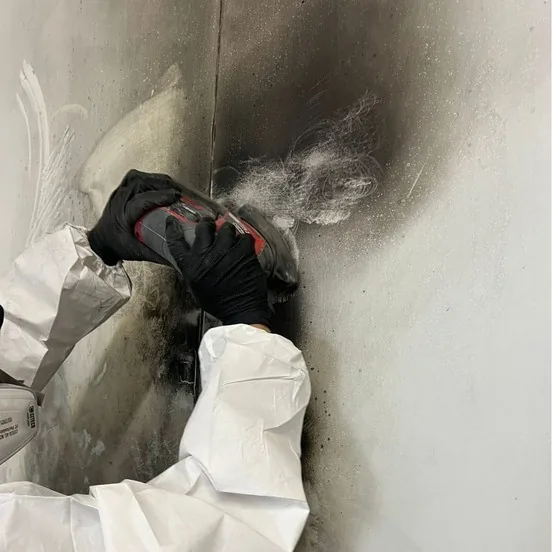 Fire and Smoke Restoration
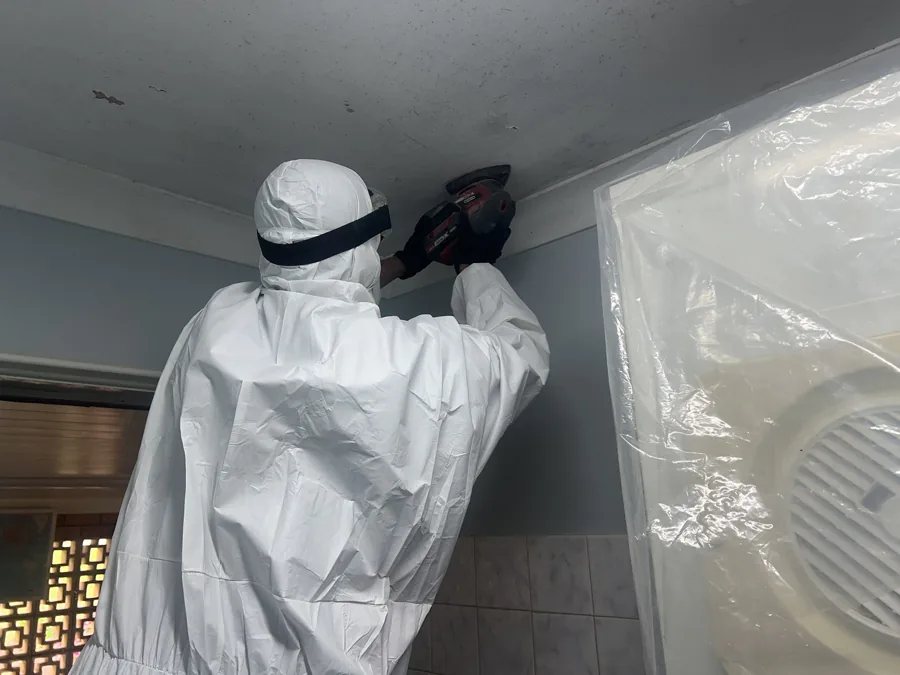 Mould Removal & Remediation
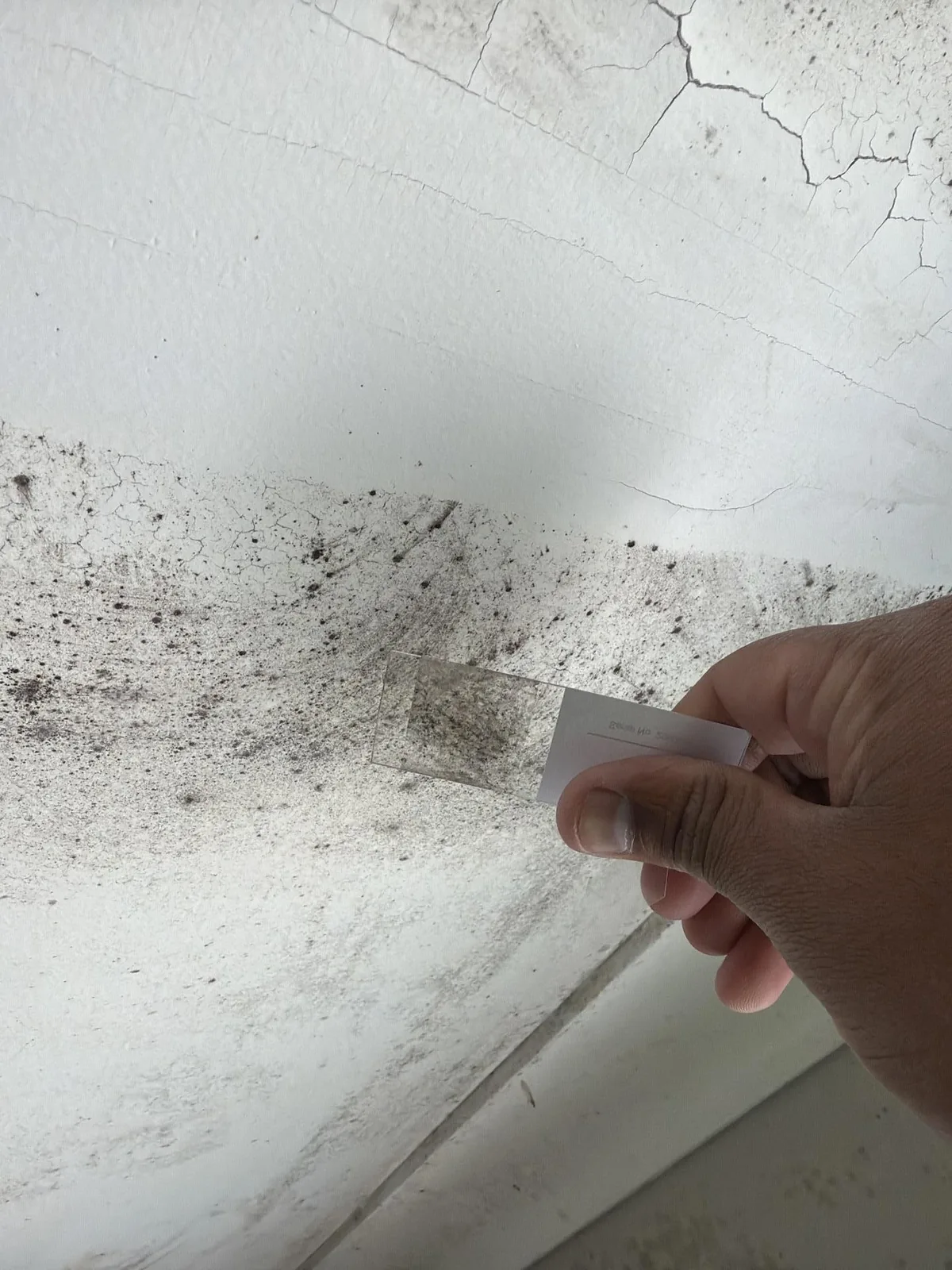 Mould Inspection
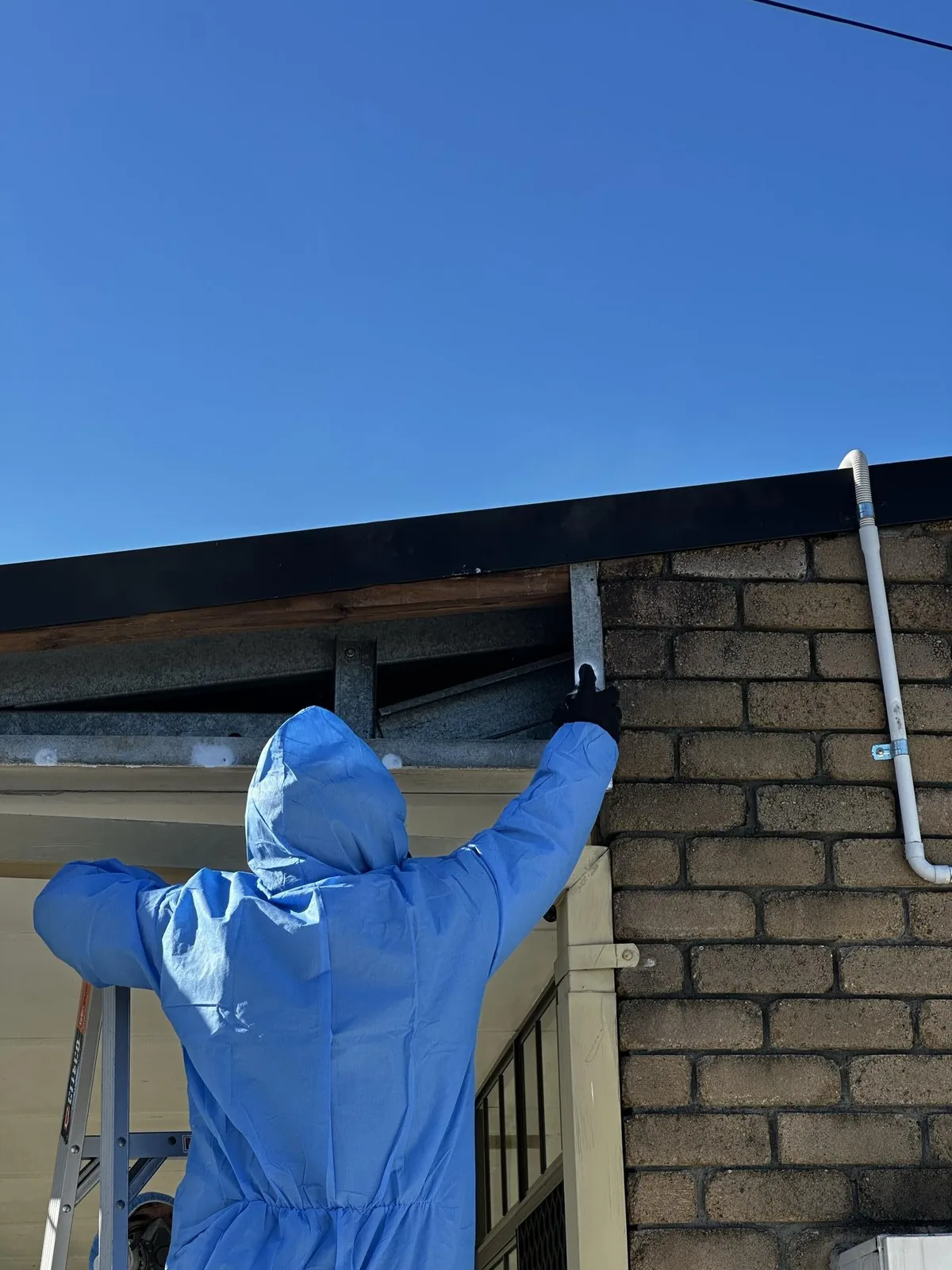 Asbestos Removal
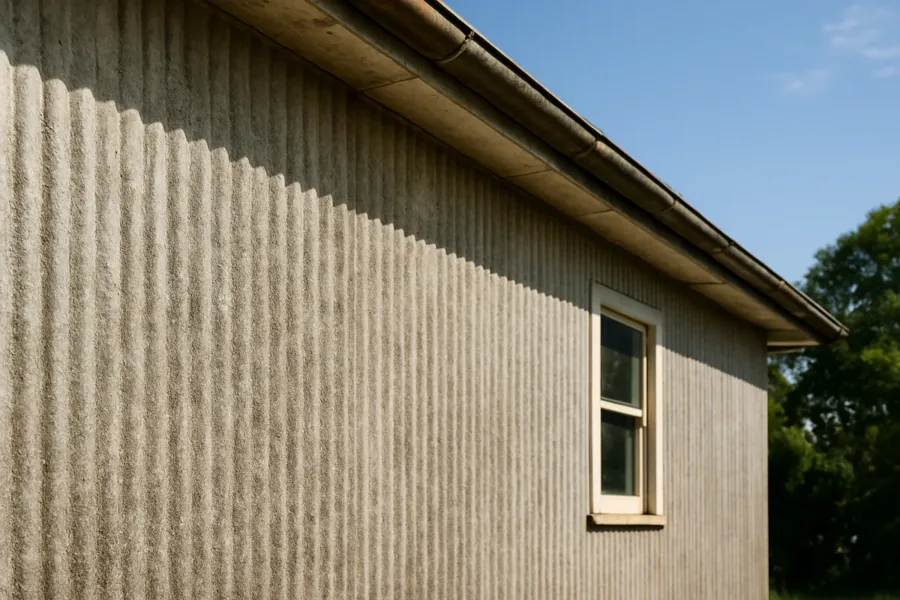 Asbestos Testing
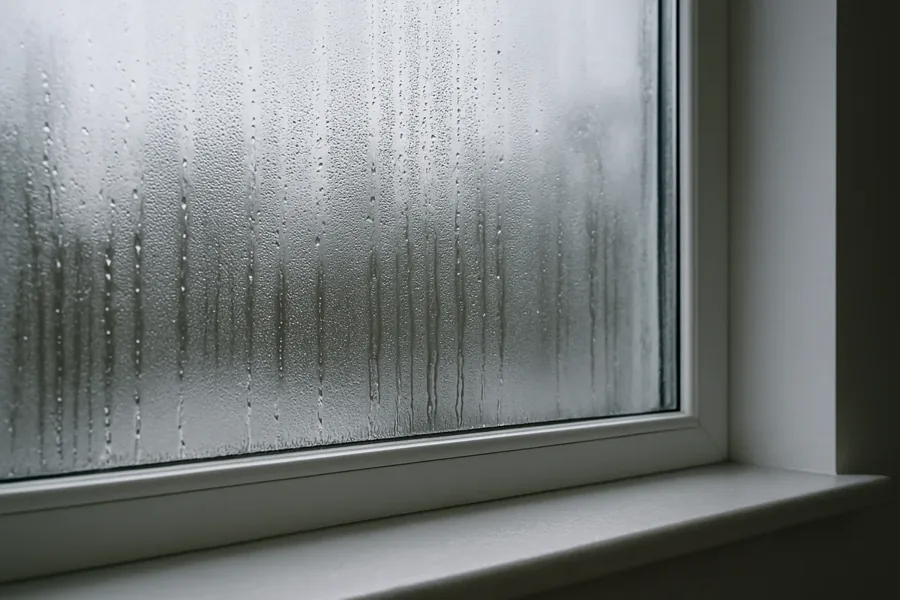 Dehumidifier Hire
 Air Quality Testing
 Structural Drying
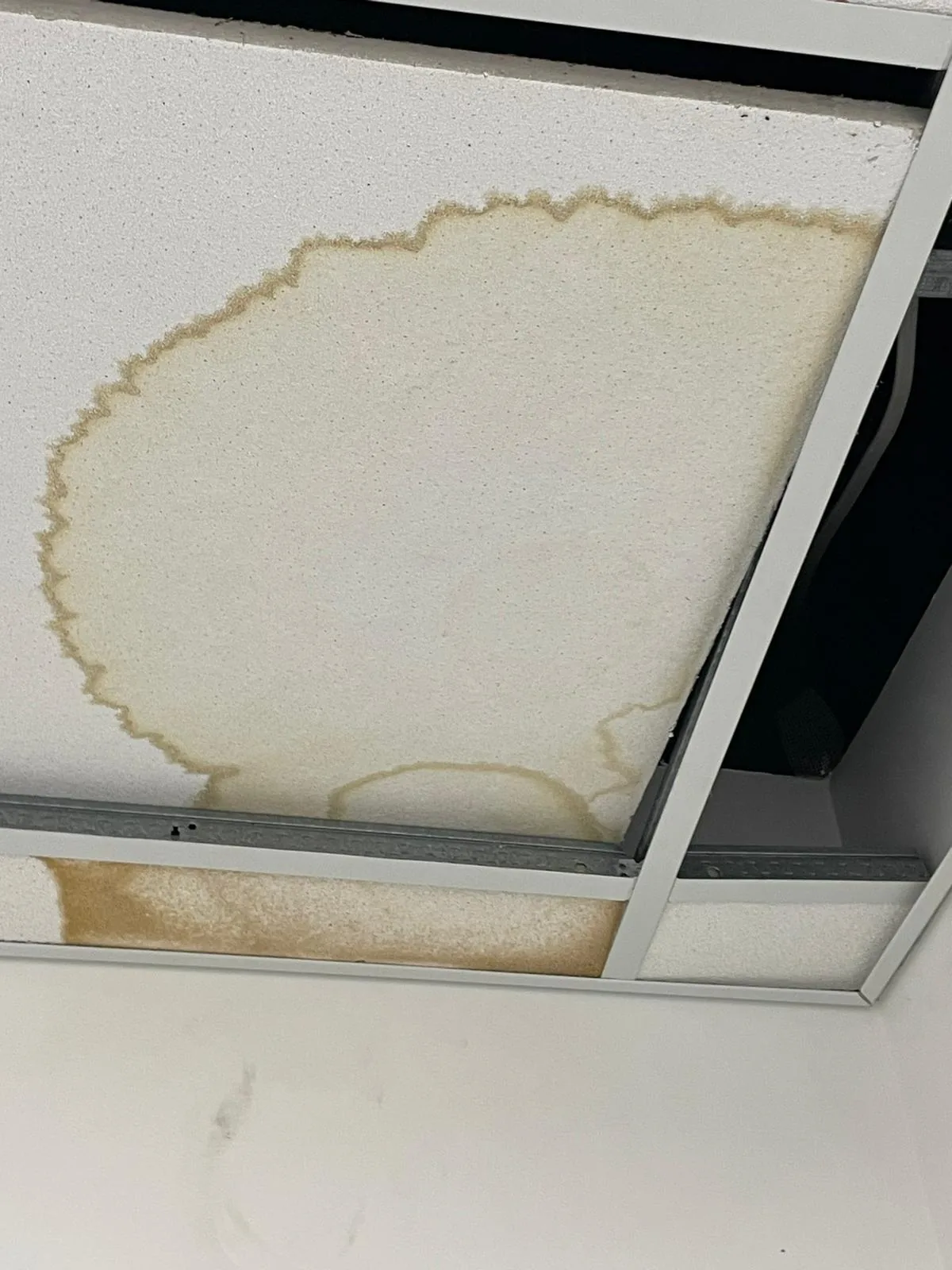 Water Leak Detection
 Trauma & Crime Scene Cleaning
 Deceased Estate Clearing
 Hoarding & Squalor Cleaning
 Meth Testing & Decontamination
 Lead Paint Removal