Mould inspection and testing in Brisbane, from a team whose head office is in Acacia Ridge, 13.7 km away. The work is finding where mould is growing, including inside ceilings and wall cavities, tracing the moisture that keeps it alive, and setting out the fix in line with IICRC S520.
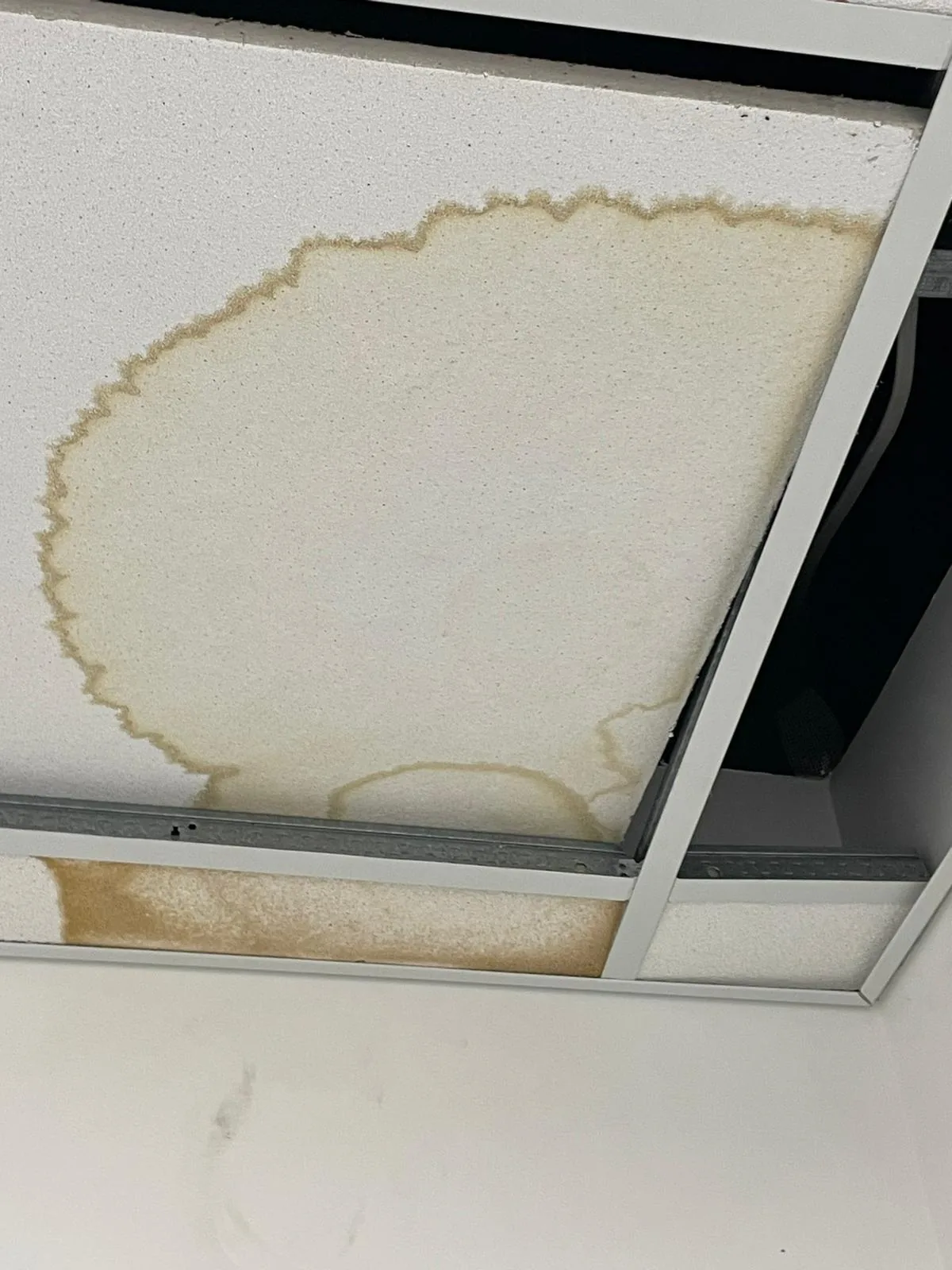
In a subtropical river city the calls tend to start the same way: a ceiling that has had water through it, a bedroom with a musty smell, spots that return a week after cleaning, or a tenancy or claim that needs it in writing.
“We had a pipe burst in our ceiling, water seeped into our walls and our unit was at a very high risk for mould :( Guosheng worked tirelessly to ensure the drying process went as smooth as possible, even working until the evening on a Friday to ensure our walls would be dry and safe over the weekend! An extremely proficient and productive company that thrives on providing excellent service and quality work. Thank you so much for all of your help! <3”
“Guosheng from Elite Restoration did an amazing job dealing with the water damage to my unit, due to a burst pipe. Nothing was too hard and Guosheng had multiple tricks up his sleeve to ensure maximum drying capacity. The communication throughout the whole process was excellent, which made this very stressful situation for me a lot easier to handle. Thanks so much Guosheng.☺️”
Mould remediation is never a simple clean. Under the
IICRC S520 Standard for Professional Mould Remediation,
treating mould without a proper inspection risks missing the underlying
moisture source and leads to recurrence. Every mould job starts with a
professional inspection by S520-certified technicians, so containment,
controls and the remediation scope are set correctly from day one.
Inspection from $350 inc. GST. Remediation is scoped and
quoted separately, only after the inspection.
Find the cause — identify the moisture source so remediation actually holds.
Set containment — protect unaffected areas during the work.
Clear scope & documentation — written report you can give insurers or strata managers.
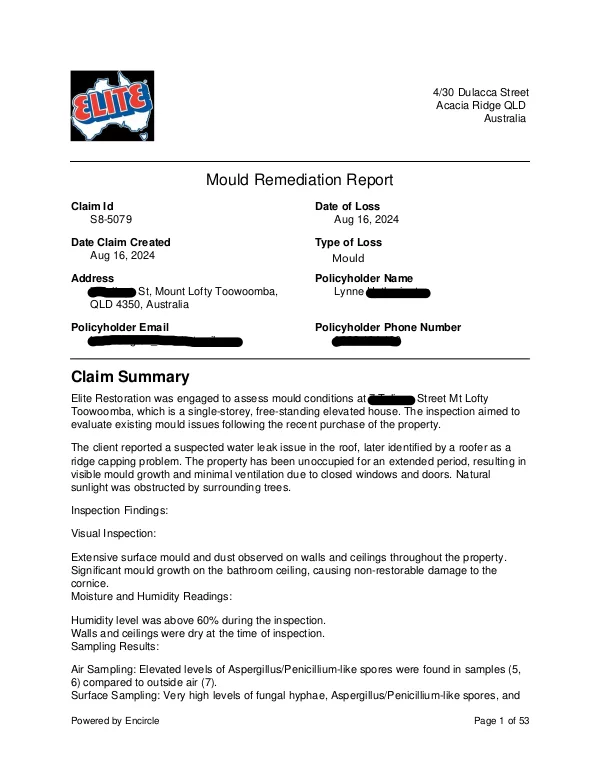
Want to know exactly what you’ll receive? Download a real example of the
written report our S520-certified technicians produce after a mould
inspection — findings, moisture readings, photos and the recommended
remediation scope.
Recent jobs give a sense of what turns up. A house in The Gap, where the owners wanted an inspection to weigh up treatment options. A property in Moggill with mould in the lounge room ceiling that needed make safe work first. A property in Ashgrove where mould remediation and a strip out were carried out.
From first look to a written scope
Start with what you have seen and when it began, including any leak, storm or burst pipe before it.
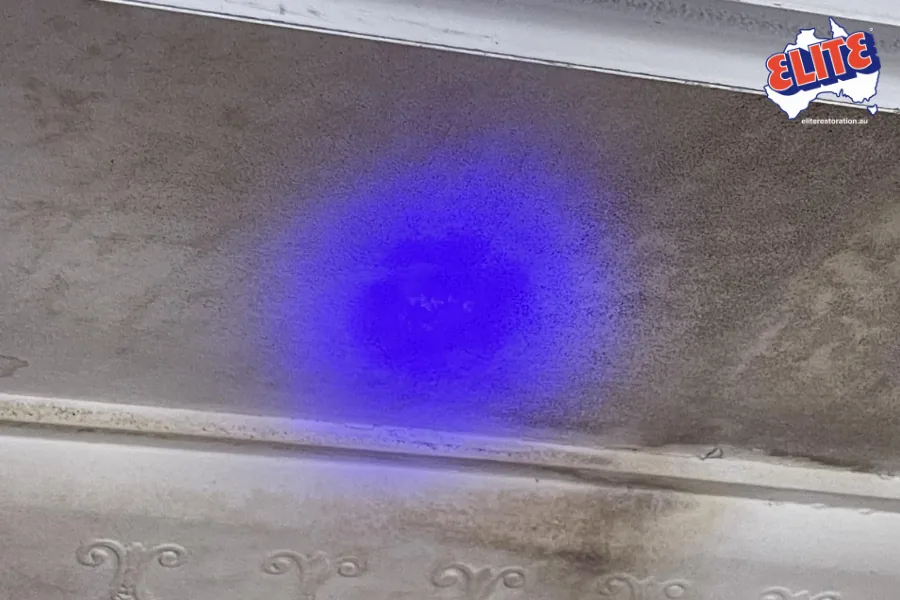
The technician takes moisture readings beyond the stained patch, because the wet area usually runs further than the growth, then works through each affected room.
If the extent is unclear, or you need lab results for a tenancy or claim, air or surface samples are collected and tested through NATA-accredited laboratory partners.
You get an initial report and a scope or quote, targeted within 24 hours, naming the likely source of the moisture.
If you proceed, remediation and structural drying follow in line with IICRC S520 and S500, closed out with a completion report.
Elite Restoration does the remediation as well as the inspection, so the scope is written by the people who will be held to it.
In a customer’s words
Mould usually arrives on the back of water, and the drying is what keeps it from settling in. Ruby Leach wrote after a burst pipe: “We had a pipe burst in our ceiling, water seeped into our walls and our unit was at a very high risk for mould :( Guosheng worked tirelessly to ensure the drying process went as smooth as possible, even working until the evening on a Friday to ensure our walls would be dry and safe over the weekend!”
The team covers suburbs across Brisbane, including Toowong, Indooroopilly, Chermside, Bulimba, New Farm, Kenmore and Cleveland.
Brisbane mould questions
Do I need an inspection if I can already see the mould?
Usually, yes. What you can see is where the mould has reached the surface, not where the moisture is. Without finding the water, removal treats the symptom and the growth returns.
Will it come back once it has been removed?
Not if the source has been dealt with and the structure has been dried. That is the reason the report names the moisture source and the scope includes drying, not just cleaning.
Who is responsible for mould in a rental?
It tends to come down to the cause, a leak or defect in the building or the way the home has been lived in. The report sets out what was found and why, which gives the tenant and the landlord or agent the same facts to work from.
Is it safe to stay while it is sorted out?
That depends on the extent of the growth and on who is in the home. The inspection will tell you what was found, and the scope will say if any rooms should be kept closed while work is under way.

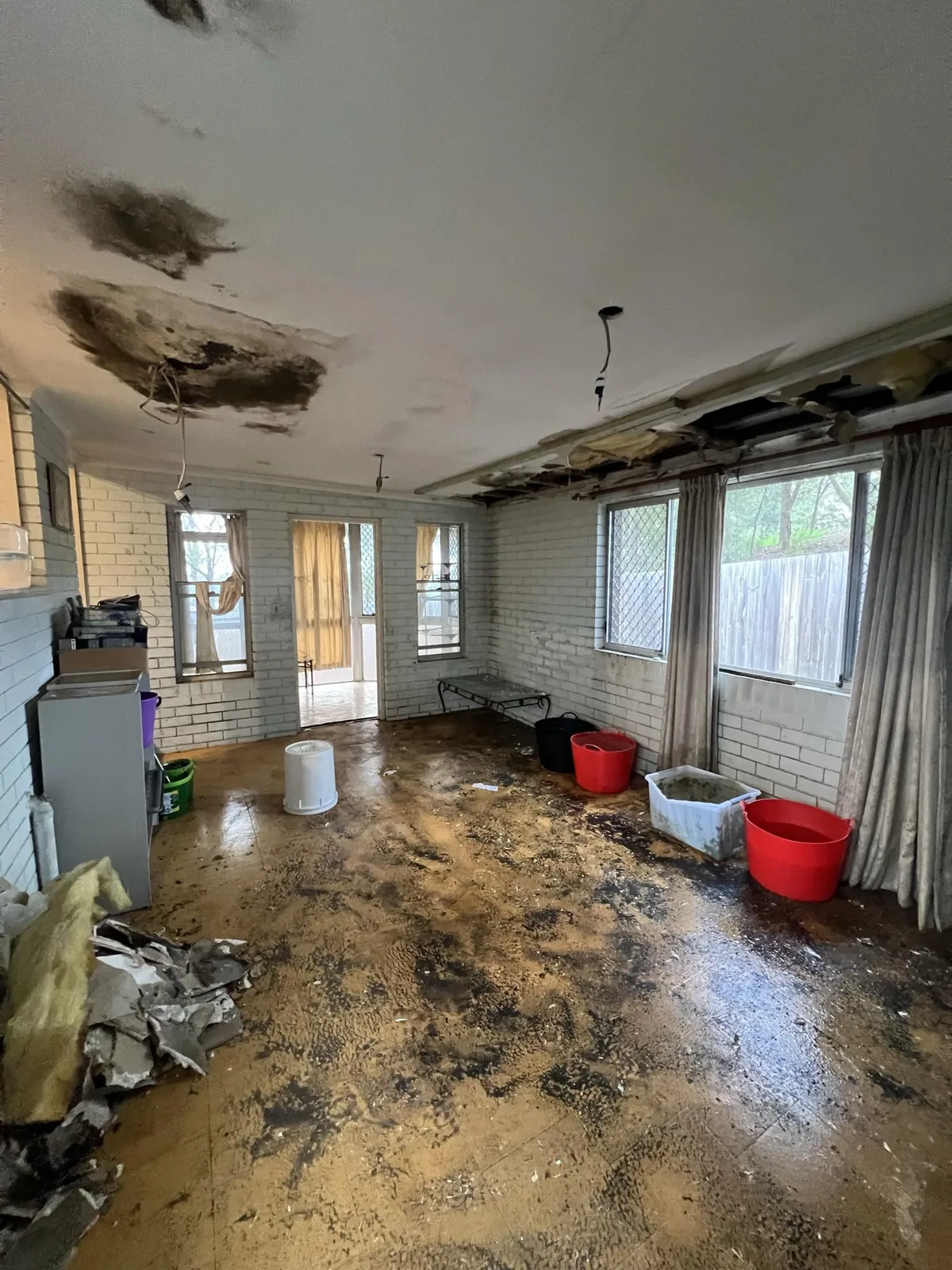 Water Damage Restoration
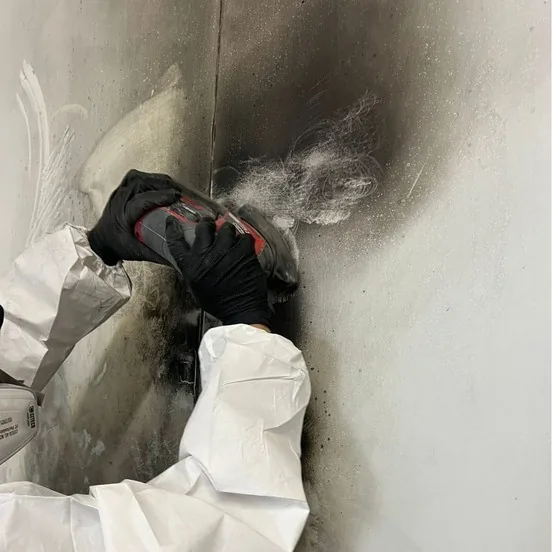 Fire and Smoke Restoration
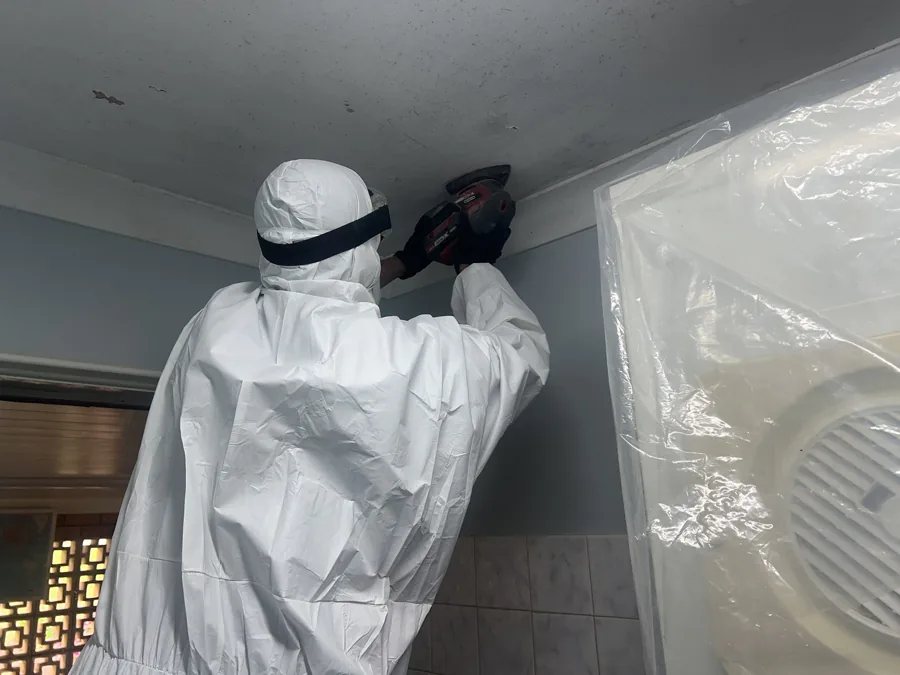 Mould Removal & Remediation
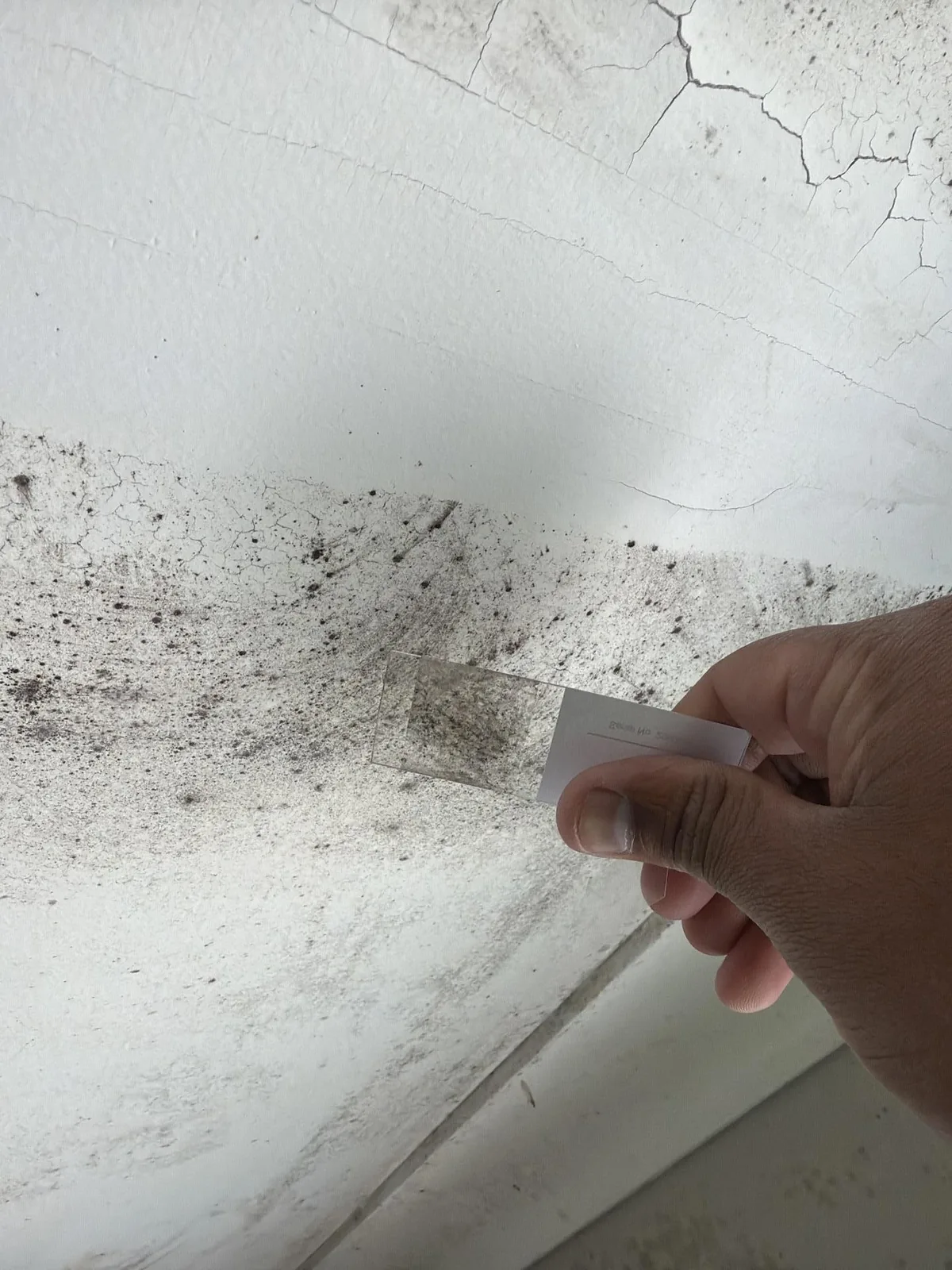 Mould Inspection
 Water Leak Detection