Asbestos was used in thousands of building products in Australia until the 1980s, and it was banned outright at the end of 2003. Plenty of houses still have it, and most of it is harmless while it is left alone. The risk comes when it is cut, drilled, sanded or broken. This guide shows where asbestos is likely, what it tends to look like, and why a test, not a guess, is the right next step.
“We had a pipe burst in our ceiling, water seeped into our walls and our unit was at a very high risk for mould :( Guosheng worked tirelessly to ensure the drying process went as smooth as possible, even working until the evening on a Friday to ensure our walls would be dry and safe over the weekend! An extremely proficient and productive company that thrives on providing excellent service and quality work. Thank you so much for all of your help! <3”
“Guosheng from Elite Restoration did an amazing job dealing with the water damage to my unit, due to a burst pipe. Nothing was too hard and Guosheng had multiple tricks up his sleeve to ensure maximum drying capacity. The communication throughout the whole process was excellent, which made this very stressful situation for me a lot easier to handle. Thanks so much Guosheng.☺️”
Elite provides specialist cleaning and restoration for the BMS National Rugby Training Centre at Ballymore as a valued partner of Queensland Rugby Union.
Built before the mid-1980s: assume asbestos is present somewhere until it is tested.
Built between the mid-1980s and 2003: less likely, but some products were still in use, so check before renovating.
Built after 2003: asbestos products were banned, so new materials should be free of it.
Where it is commonly found
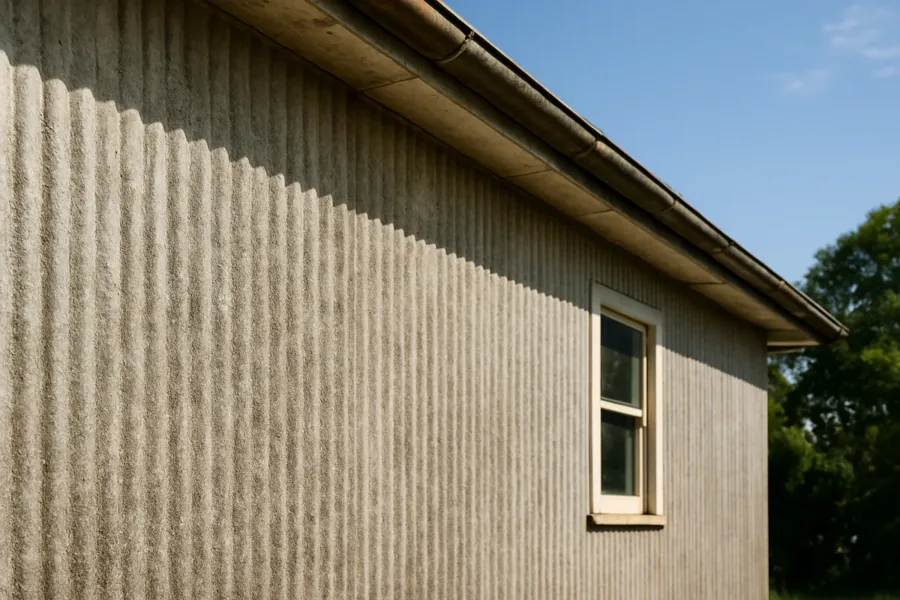
Fibro sheeting on external walls, eaves, gables and fences, and as wall and ceiling linings in wet areas.
Corrugated roofing and flat sheeting on garages, sheds and carports.
Vinyl floor tiles and the black adhesive under old sheet vinyl.
Backing boards behind tiles, around fireplaces, and under switchboards.
Insulation on old pipes and hot water systems, and in some old heaters.
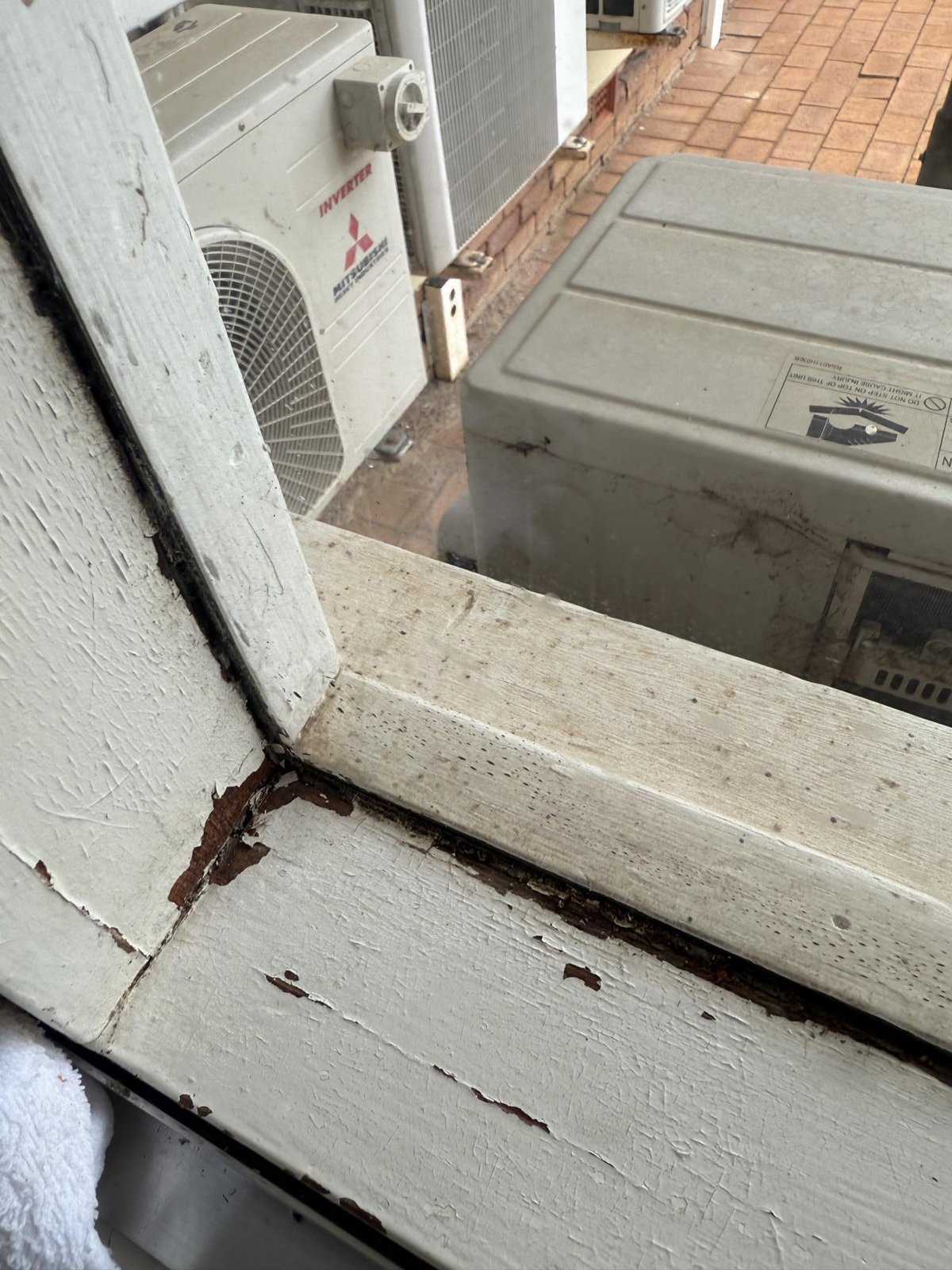
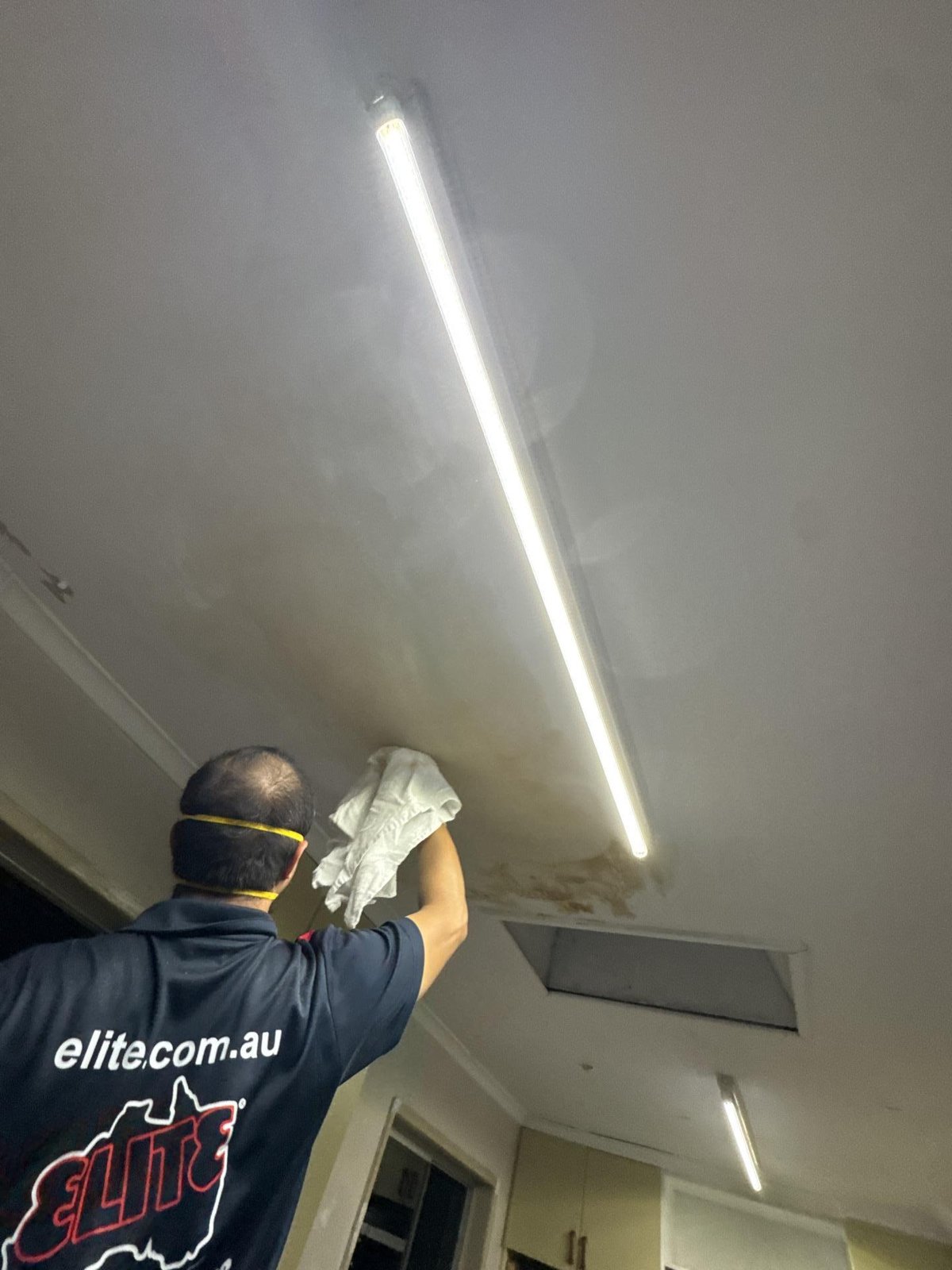
Textured ceiling coatings and some window putty and sealants.
What it looks like
Bonded asbestos cement sheeting is grey, flat and hard, often with a slightly dimpled surface, and it snaps rather than bends. Older sheets may show a faint golf-ball pattern. Corrugated asbestos roofing is thicker and more brittle than modern sheets. Loose or friable material, such as pipe lagging, looks fibrous or fluffy and is far more dangerous because fibres release easily.
The problem is that modern cement sheeting looks almost the same as the old asbestos product, and vinyl tiles with and without asbestos are identical to the eye. Looks narrow it down; they don’t confirm it.
Why a test is the answer
A small sample taken carefully and sent to a laboratory is the only way to know. Our asbestos testing and inspection uses NATA-accredited laboratory partners, and an inspection is $350 including GST. The result tells you whether the material contains asbestos and what type, which decides how it must be handled.
What to do if you suspect it
Leave it alone. Intact, undisturbed material is not releasing fibres.
Don’t cut, drill, sand, scrub, water-blast or break it.
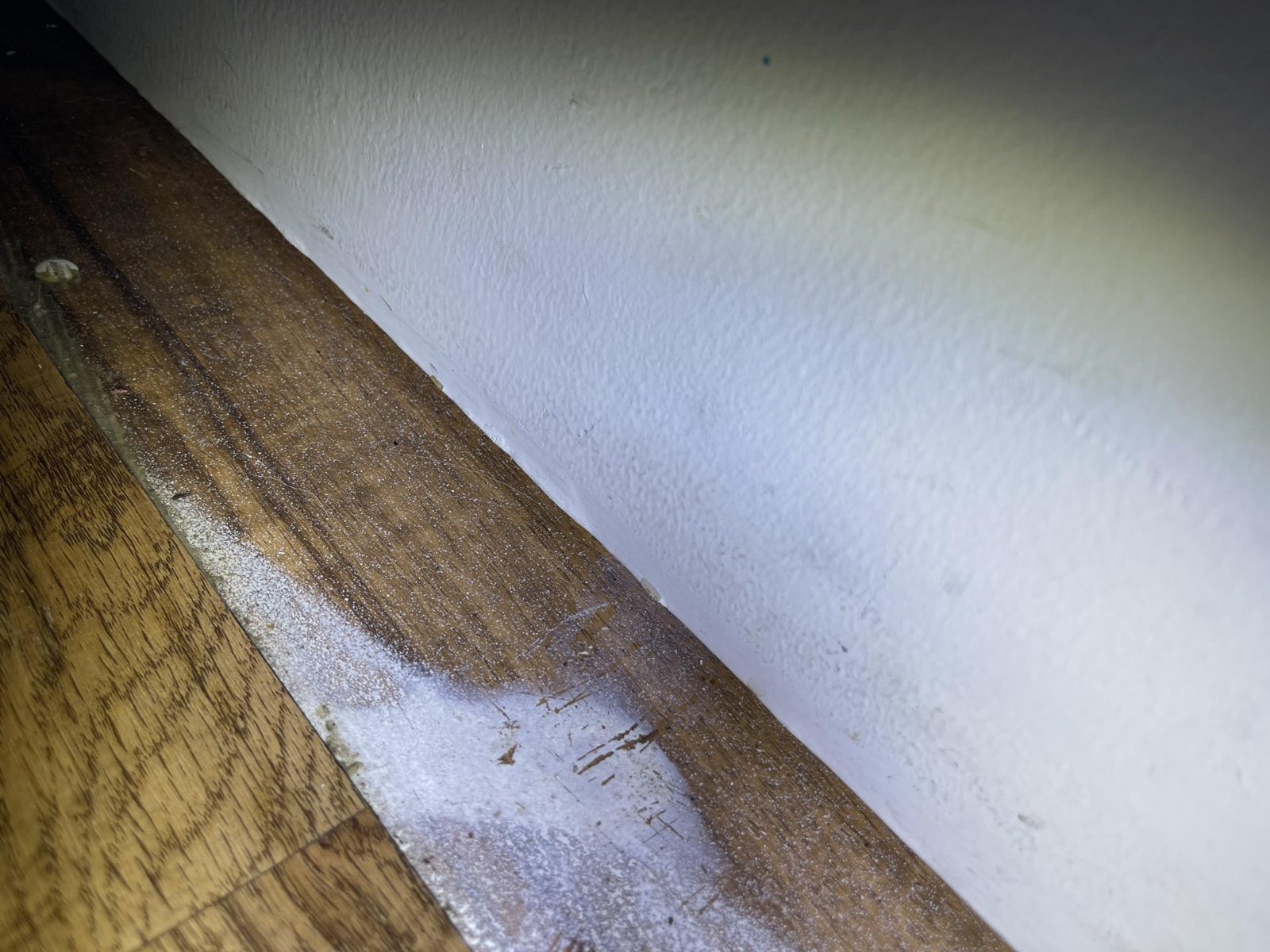
Don’t take a sample yourself unless you know how to wet it, seal it and protect yourself.
Keep children and pets away from any damaged or crumbling material.
Have it tested before any renovation, demolition or repair that would disturb it.
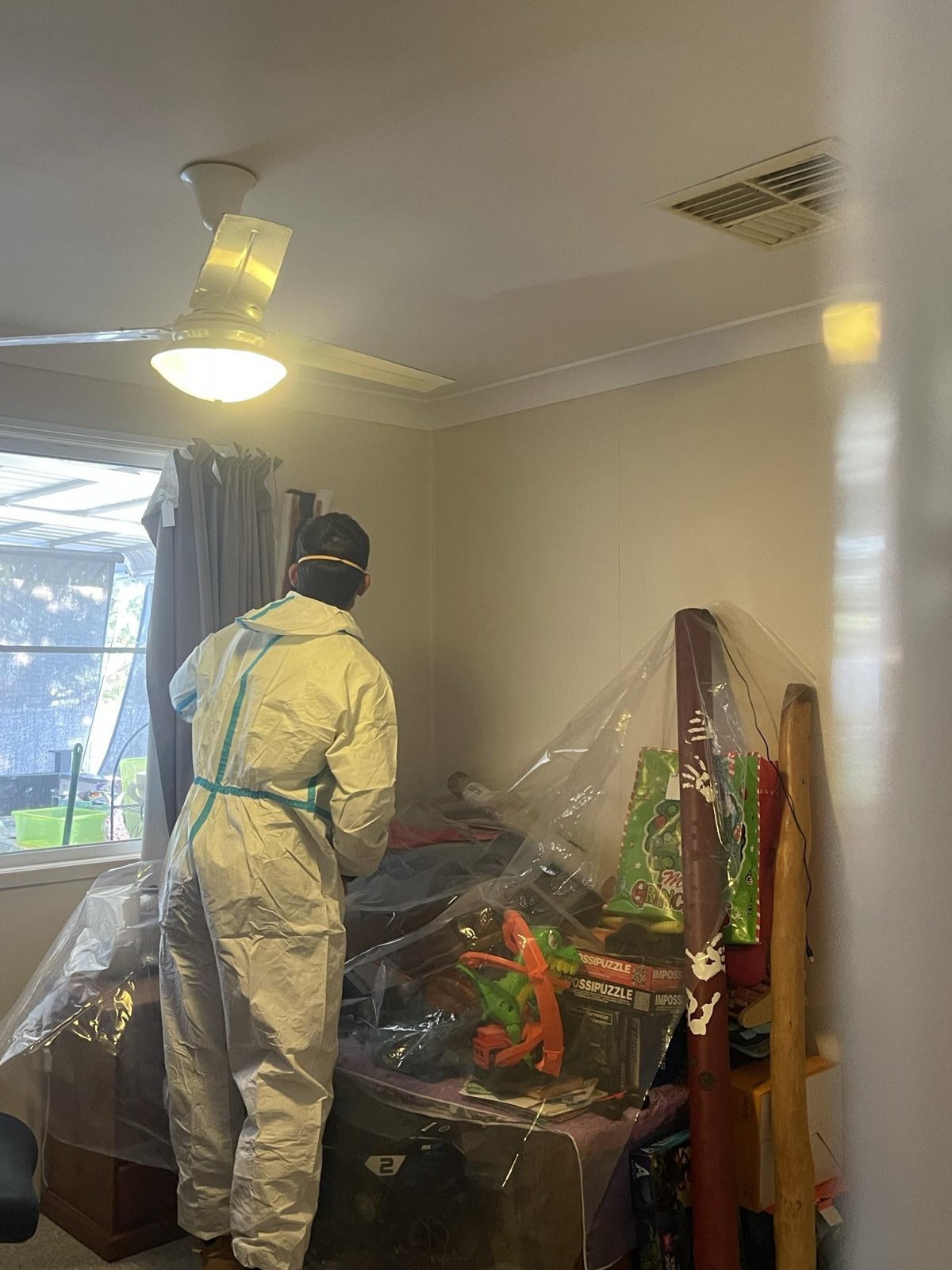
If it does contain asbestos, Elite Restoration’s asbestos removal is carried out by in-house qualified technicians rather than subcontracted, and we carry $20 million in public and products liability cover.
Asbestos identification questions
Can I tell if something is asbestos by looking at it?
No. You can judge the likelihood from the age of the house and the type of product, but only a laboratory test confirms it.
Is asbestos dangerous if I leave it alone?
Material in good condition that is not disturbed releases very few fibres. Damage, weathering and renovation work are what create the risk.
How much does asbestos testing cost?
An inspection is $350 including GST. Removal, if it is needed, is quoted separately.

 Water Damage Restoration
 Fire and Smoke Restoration
 Mould Removal & Remediation
 Mould Inspection
 Asbestos Removal
 Asbestos Testing
 Dehumidifier Hire
 Air Quality Testing
 Structural Drying
 Water Leak Detection
 Trauma & Crime Scene Cleaning
 Deceased Estate Clearing
 Hoarding & Squalor Cleaning
 Meth Testing & Decontamination
 Lead Paint Removal