Safety first
Ceiling work means working overhead, often on a ladder, with spores and cleaning solution falling towards your face. Before you start:
- wear a P2 mask, eye protection and gloves
- use a stable ladder or platform, and have someone nearby
- open windows and keep other people and pets out of the room
- cover the floor and furniture with plastic sheeting
Cleaning a small patch
- Mist the area lightly first so dry spores don’t drift.
- Apply undiluted white vinegar with a spray bottle and let it sit for an hour.
- Wipe with a soft cloth, working from the edge of the patch inwards, and change cloths often.
- Wipe again with a clean damp cloth, then dry the area well.
- Bag the cloths and sheeting and put them straight in the outside bin.
Bleach is a common choice, but on painted plasterboard it mostly takes the colour out of the mould rather than killing what has grown into the surface.
The paint-over trap
Painting over mould, even with an anti-mould paint, hides it for a while. The growth underneath stays alive, and it returns through the new coat, often over a larger area. Clean it, fix the moisture, let it dry, then paint.
Find the cause
Mould needs moisture. On a ceiling, that usually means steam from showers with no working exhaust fan, condensation in a cold room, or water from above: a roof leak, a blocked gutter or a leaking pipe. If the patch is directly under a wet area or the roof, look for a leak before you clean.
When to call a professional
- the mould covers a large area or several rooms
- it keeps coming back after cleaning
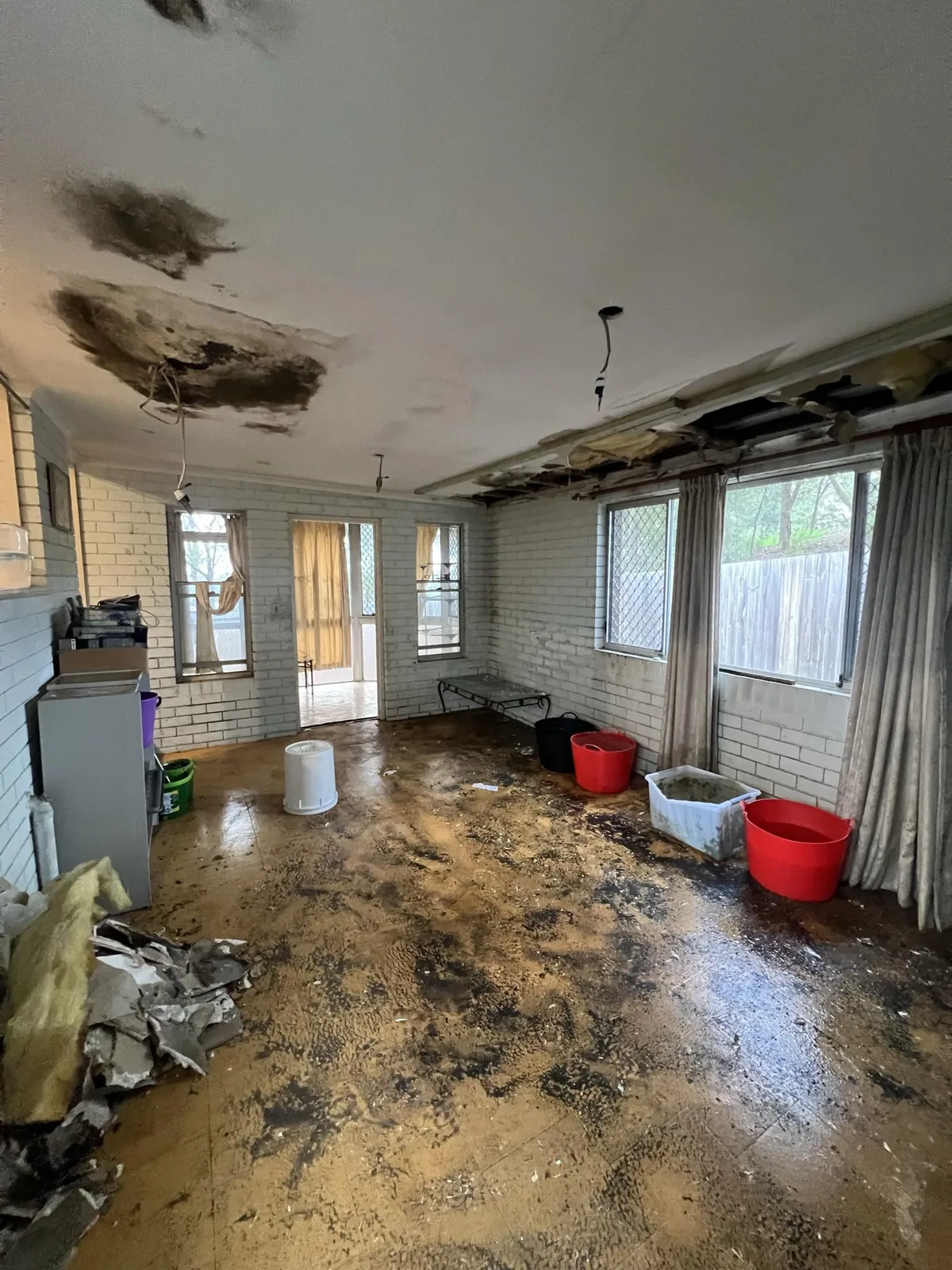
- the plaster is stained, soft or sagging
- it followed a leak, a storm or a flood
- you can smell it but can only see part of it, which can mean growth in the ceiling void
- someone in the home has asthma, allergies or a weakened immune system
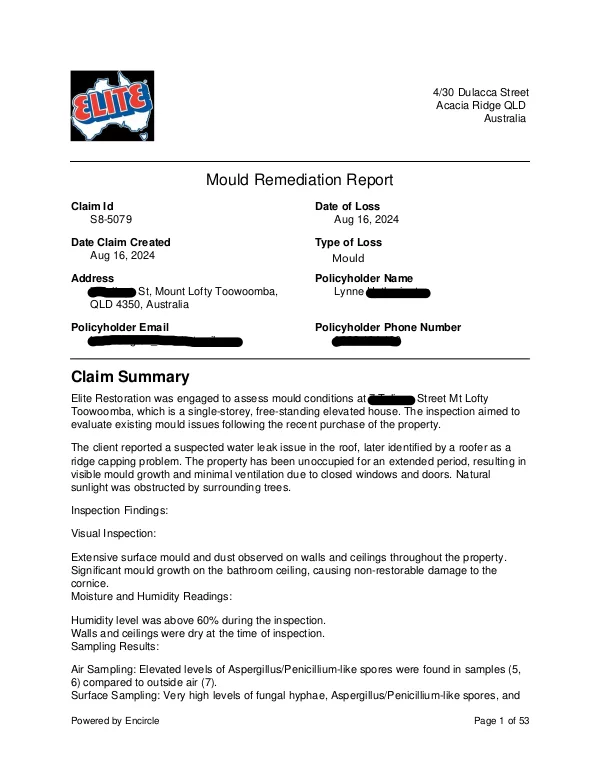
Our mould removal and remediation work is carried out in line with IICRC S520. We find the moisture source, contain the area, remove what can’t be saved, treat what can and dry the structure. Sample testing goes through NATA-accredited laboratory partners where it is needed, and for an insurance claim we liaise with your insurer directly.
Ceiling mould questions
Is vinegar or bleach better for ceiling mould?
On painted plasterboard, white vinegar is usually the better choice. Bleach tends to lighten the stain while growth below the surface survives.
Why does mould keep coming back on my bathroom ceiling?
The moisture is still there. A weak or missing exhaust fan, or a leak above, will bring it back after every clean.
Can I paint over ceiling mould?
Not until it has been cleaned, the cause fixed and the ceiling dried. Paint over live mould and it comes back through.

 Water Damage Restoration
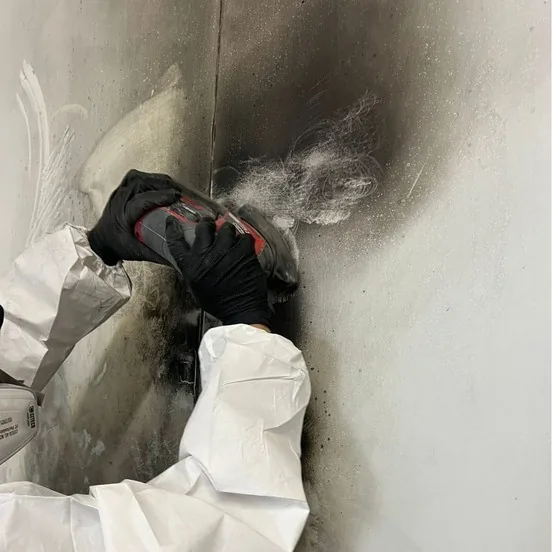 Fire and Smoke Restoration
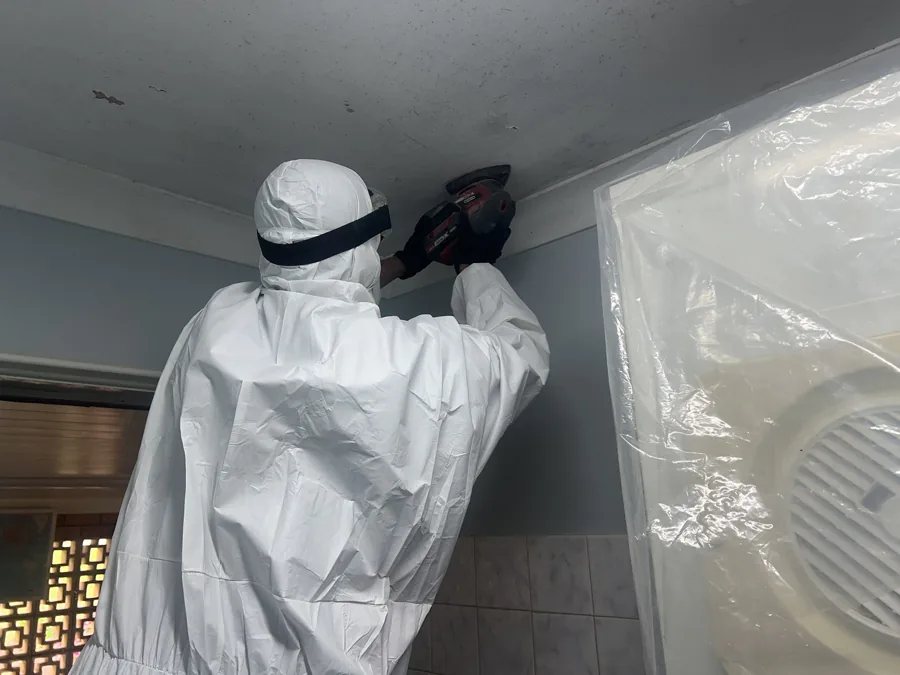 Mould Removal & Remediation
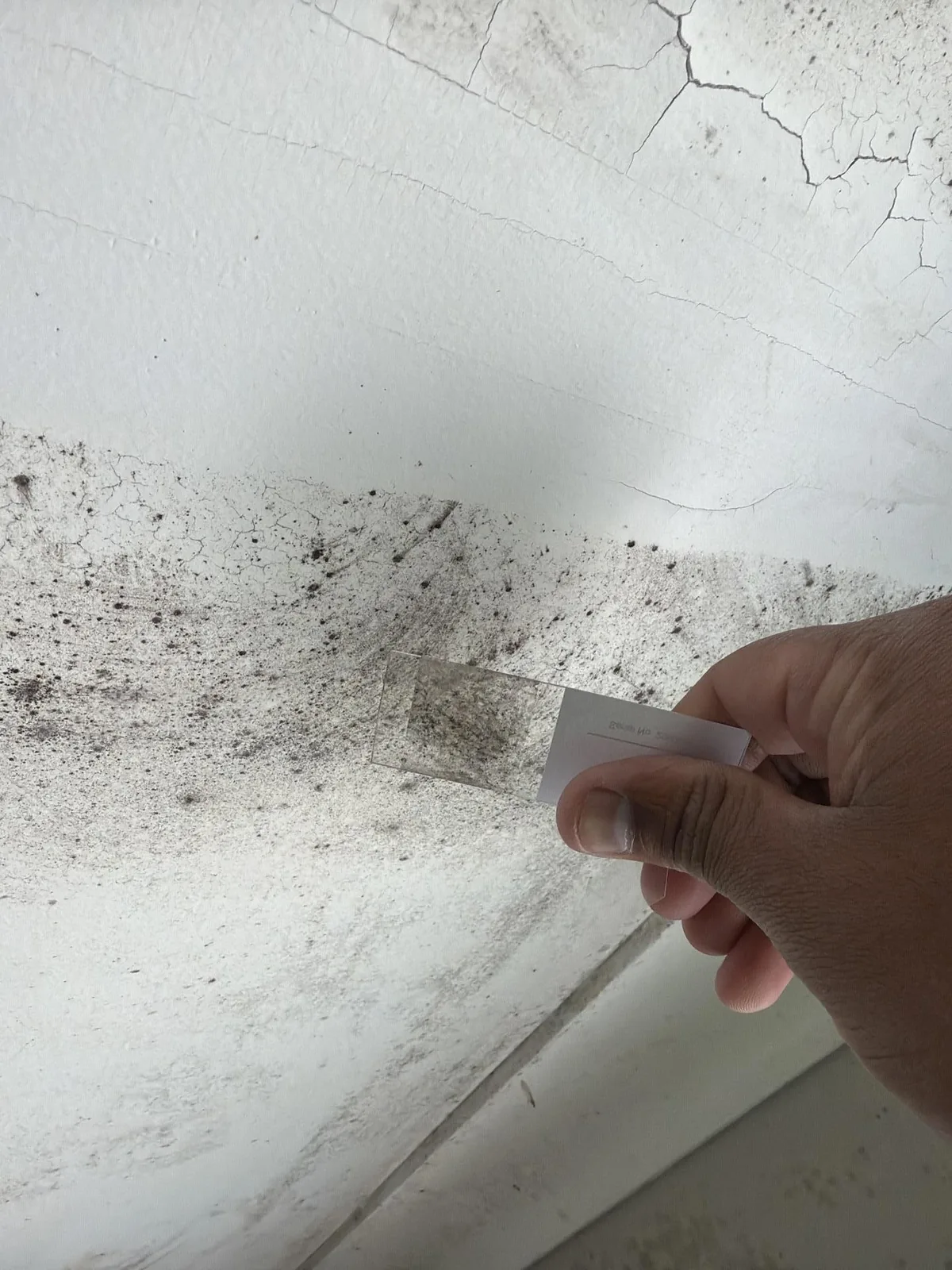 Mould Inspection
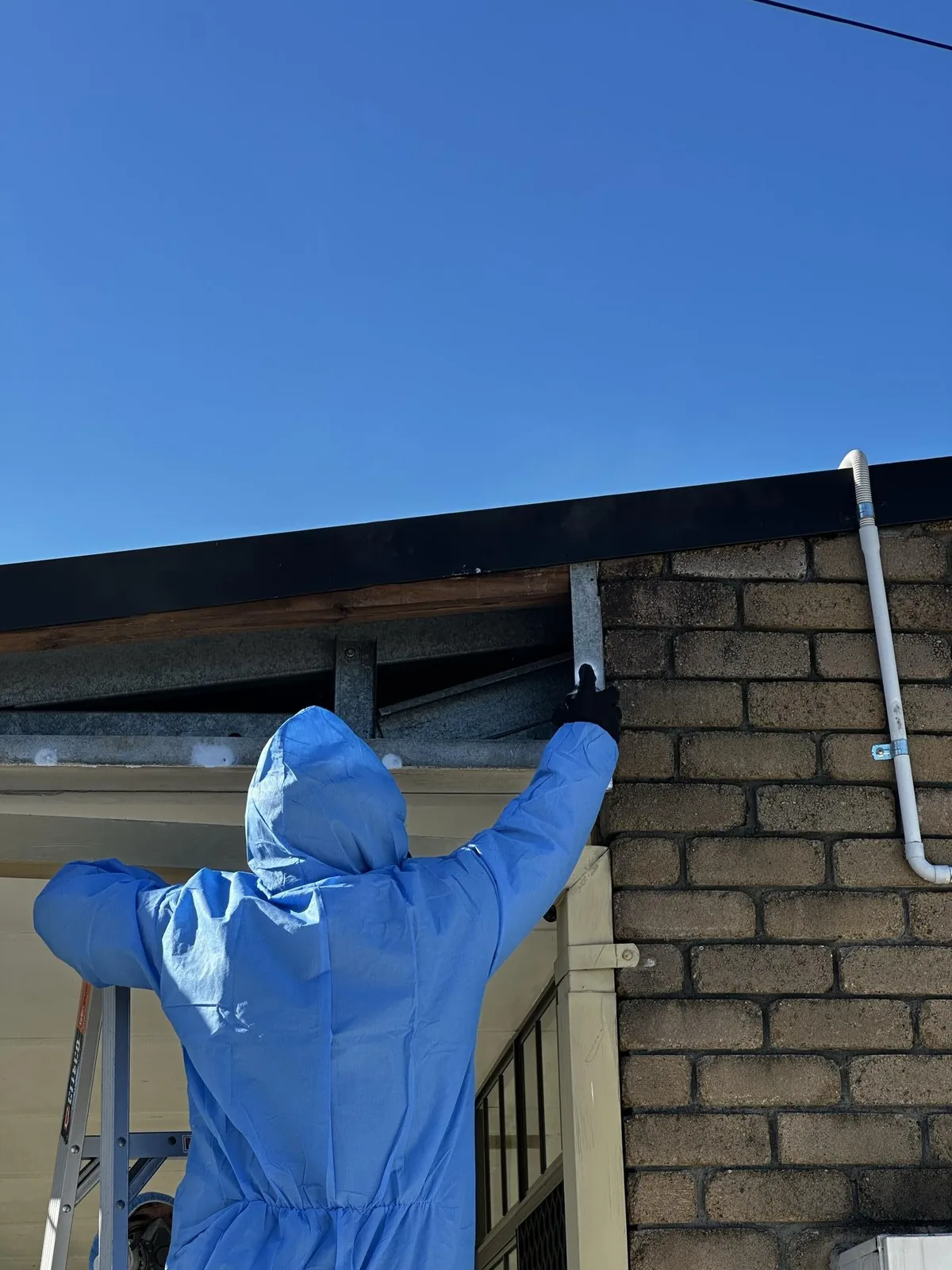 Asbestos Removal
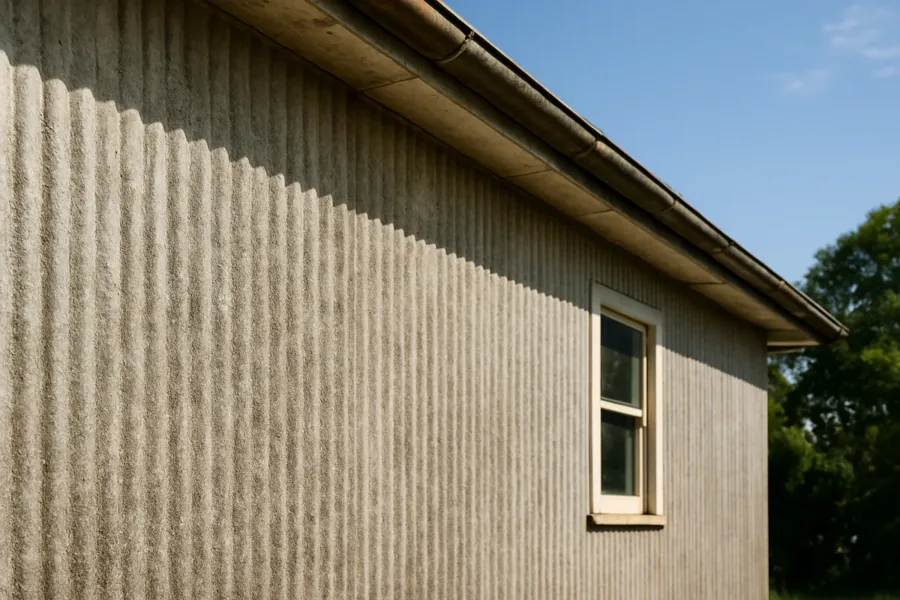 Asbestos Testing
 Dehumidifier Hire
 Air Quality Testing
 Structural Drying
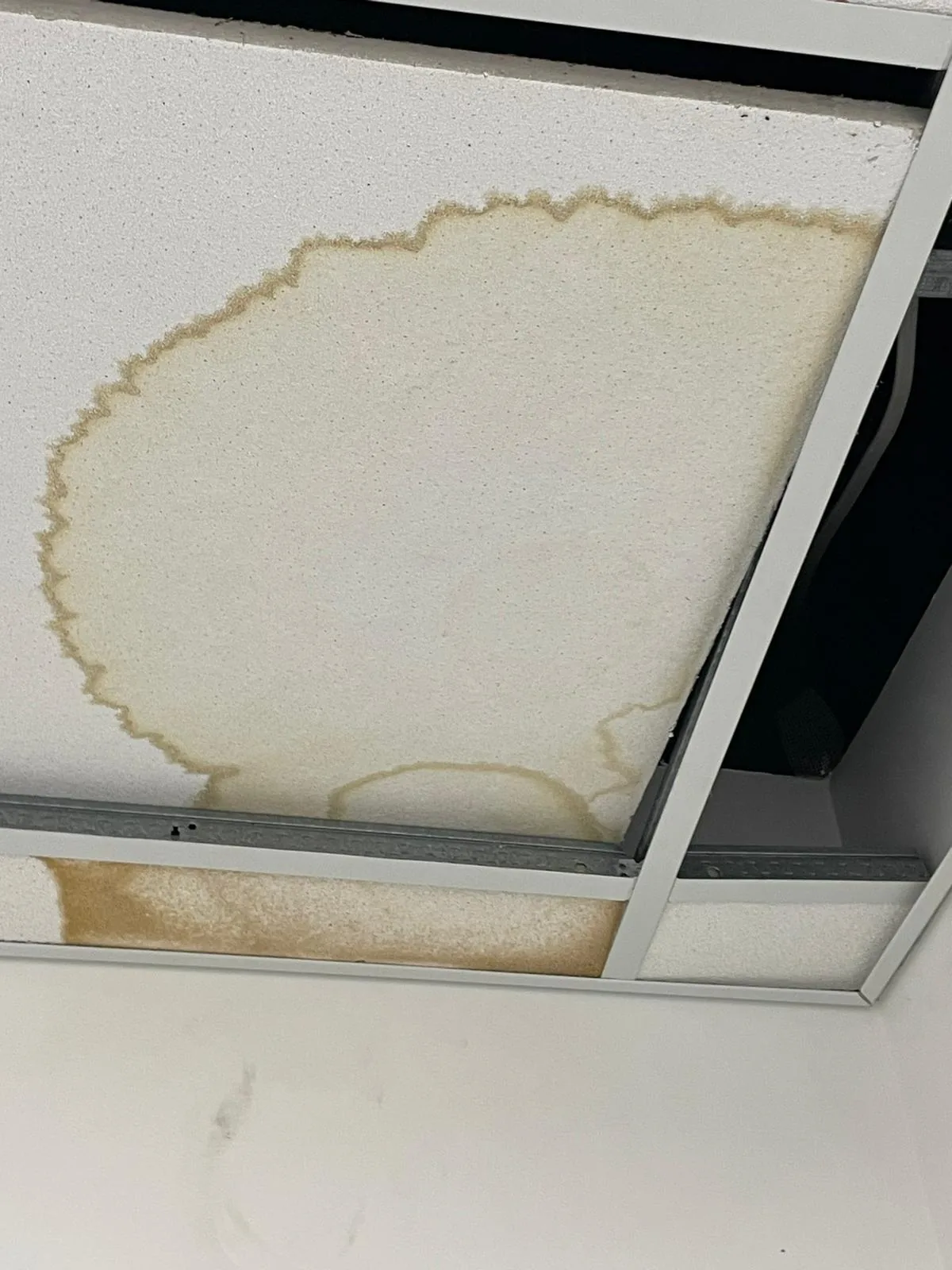 Water Leak Detection
 Trauma & Crime Scene Cleaning
 Deceased Estate Clearing
 Hoarding & Squalor Cleaning
 Meth Testing & Decontamination
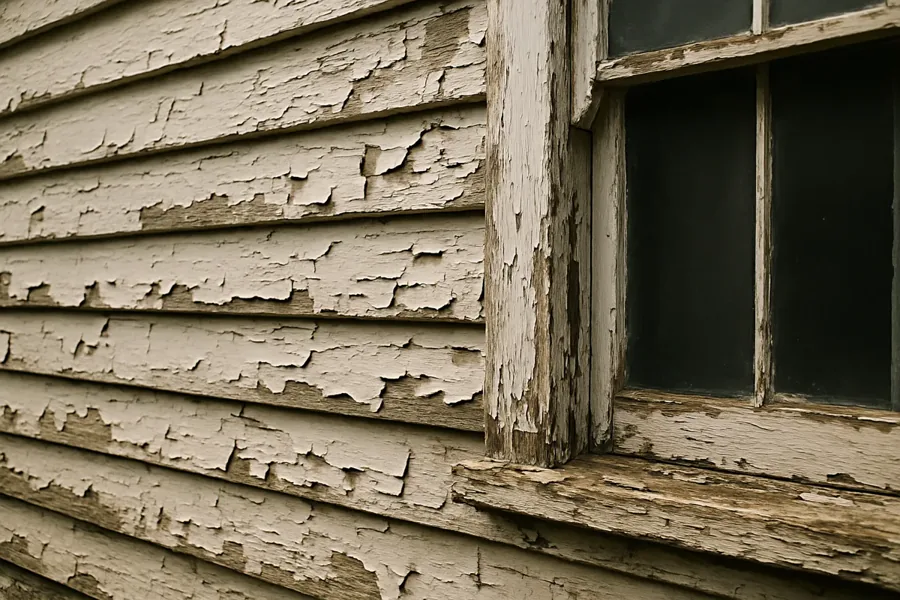 Lead Paint Removal