 ▶
▶
Mould remediation Coffs Coast got you worried?
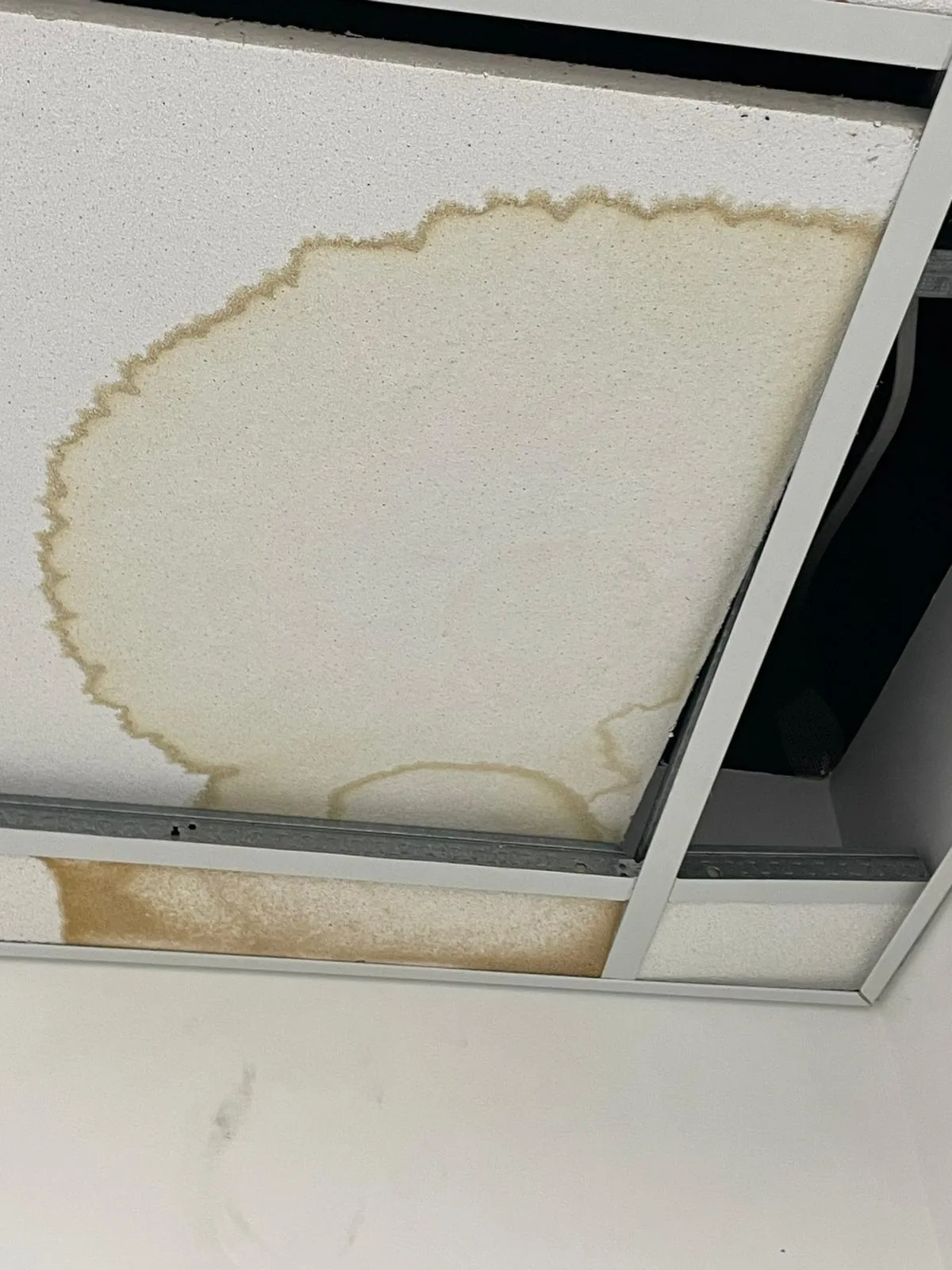
Spots on the ceiling doing connect the dots with your patience.
We sort it fast so your place smells like fresh rain, not a gym bag.
Stick with us and keep the mould on notice like a seagull eyeing your chips.
Elite Maintenance Services Group, a national Australian provider established in 1984, offers a premium, compliance-first approach with certified teams, CM3 and IICRC-aligned delivery, documented reporting, and minimal-disruption service models.
Why Mould Loves the Coffs Coast
Warm air and sea breeze feel great until your walls feel damp.
Moist rooms invite mould like a backyard barbie invites mates.
Leaks and poor airflow turn tiny spores into a full house.
Your bathroom and laundry are the usual suspects.
- Leaky pipes that drip like a slow tap on your sanity.
- Showers that steam up like a footy change room.
- Air con not serviced and blowing damp air.
- Windows that sweat like a jogger on a summer arvo.
.webp)
Our Mould Remediation Coffs Coast Process
We keep it simple, and we keep it safe.
Think clear plan and no guesswork.
- We look for visible growth and hidden moisture with meters and thermal checks.
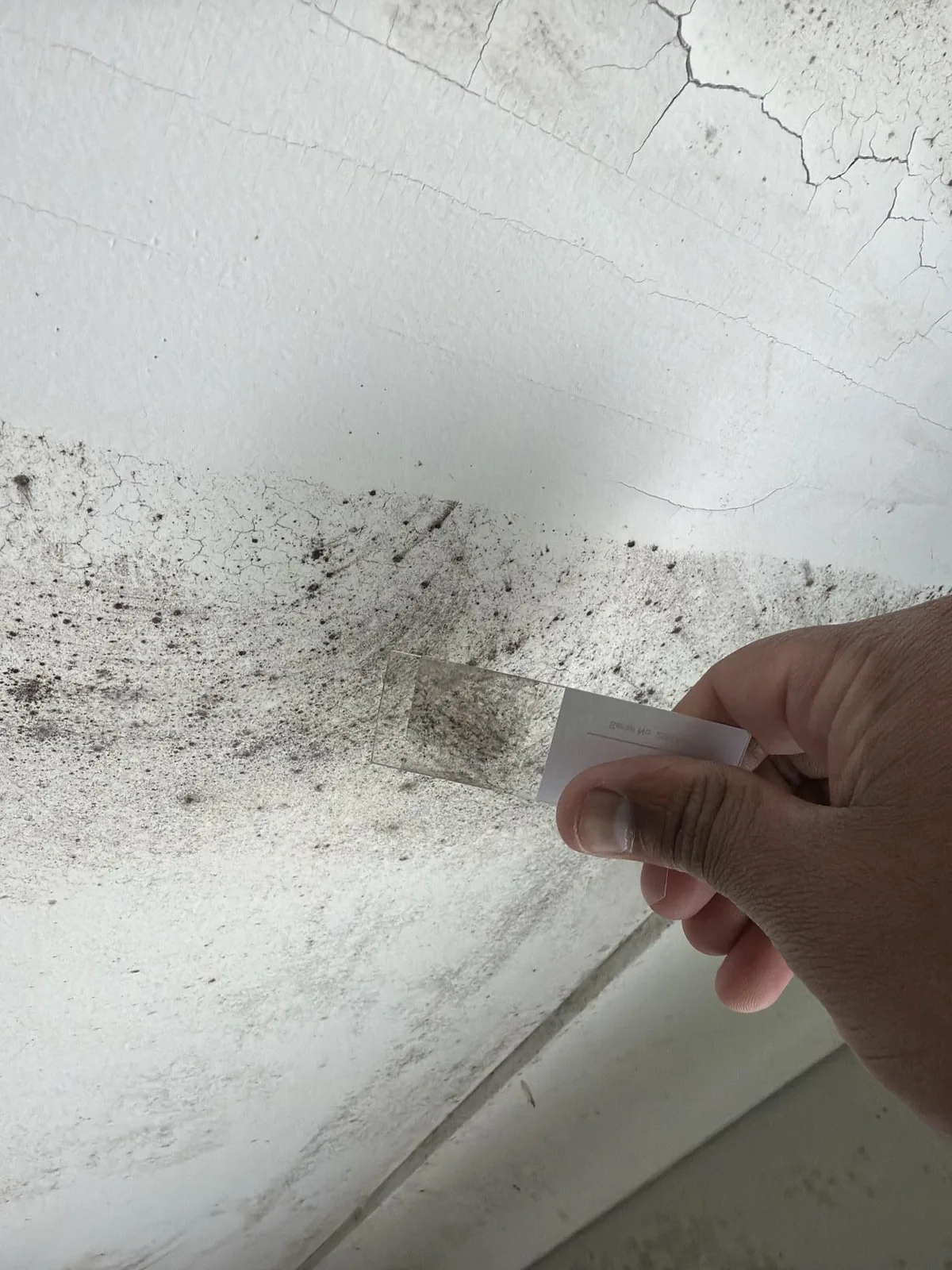
- We use air and surface samples when the cause is not clear.
- We map the moisture so the restore is not a lucky dip.
Containment and Safety
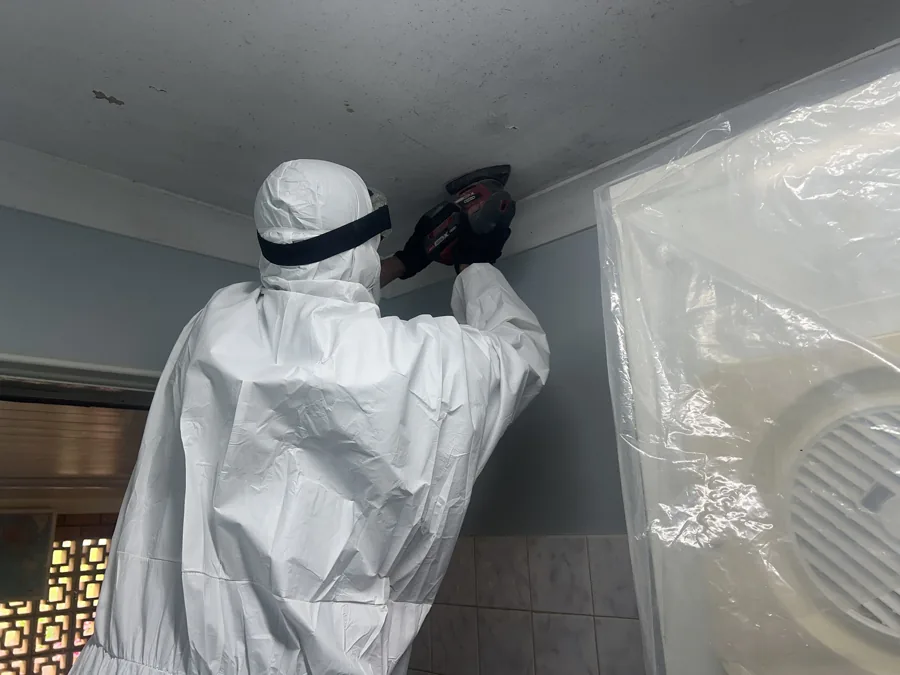
- We set up barriers so spores do not wander like kids at Bunnings.
- We run HEPA air scrubbers so the air is cleaner than a new whistle.
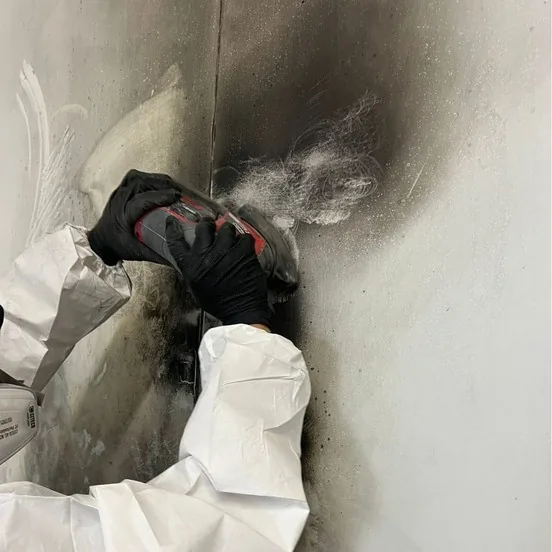
- We suit up so dust and spores stay out of lungs and eyes.
Removal and Cleaning
- We remove damaged material that cannot be saved.
- We clean hard surfaces with HEPA vacuum and careful wipe and rinse.
- We treat porous spots with methods that match the surface.
- No splash and dash that looks good for a week.
Drying and Moisture Control
- We dry the area with smart airflow and dehumidifiers.
- We restore the leaks that started the party.
- We check humidity so mould has no reason to return.
Post Remediation Verification
- We check our work like a referee with a keen eye.
- We confirm surfaces are clean and dry.
- We confirm air feels fresh and tests are within range.
We follow proven steps based on the IICRC standards, so the process is rock solid, and you can read more at this link:
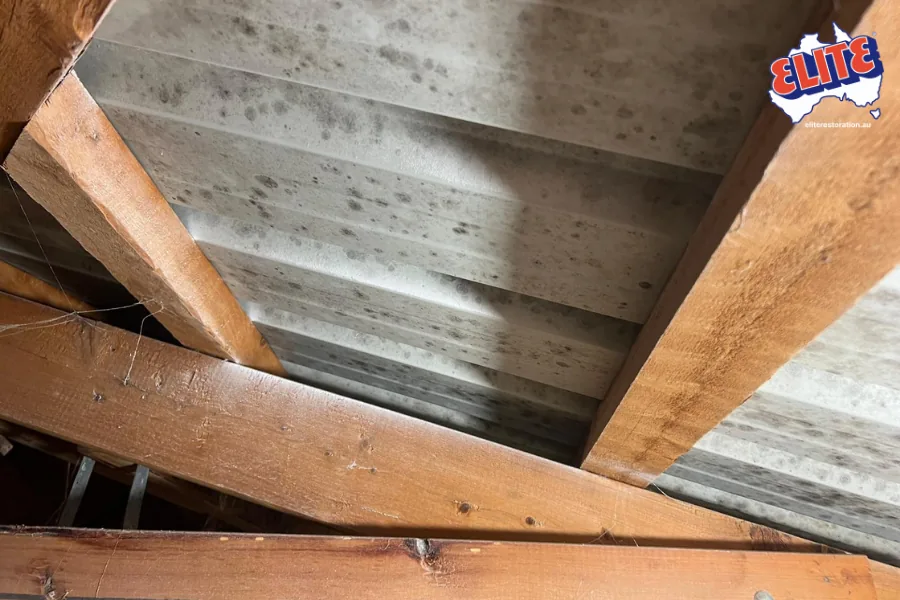
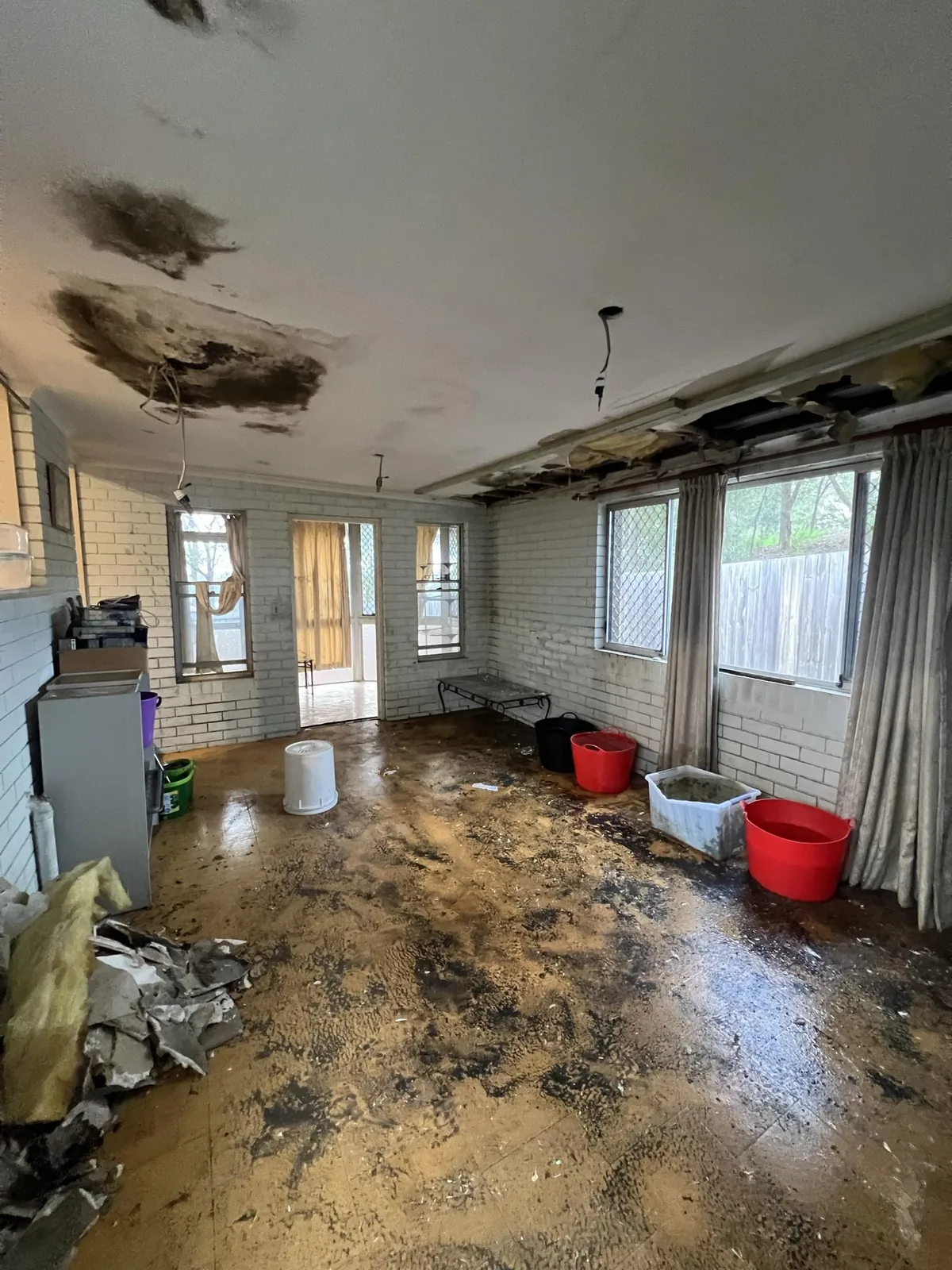
CASE STUDY: Hidden Moisture, Lasting Impact
Water damage and mould contamination often go hand in hand, especially after severe weather events.
On 9th September 2025, Elite Restoration attended a property following reports of visible black mould growth in internal areas.
The root cause was prolonged moisture exposure after a major storm event, where wind-driven rain entered through the roof cavity and structural joints.
Moisture became trapped within the building structure, particularly under metal roofing and around slab-to-wall junctions, creating the perfect environment for mould to thrive.
Over time, this led to extensive mould colonisation in the roof cavity, along with visible growth and material deterioration in internal areas such as ceilings and window zones.
Laboratory testing confirmed elevated mould spore levels, indicating active contamination rather than dormant presence.
This situation highlights the importance of thorough remediation, especially following Category 3 water intrusion involving contaminated floodwater.
Without proper drying and removal of affected materials, residual moisture and salts can continue to drive mould regrowth long after the initial event.
Following industry standards such as IICRC S500 and S520 ensures that contamination is properly addressed, restoring a safe and healthy indoor environment.
Simple Habits That Keep Mould Away
- Open windows for a few minutes each day when the weather is kind.
- Use exhaust fans when you shower or cook.
- Restore leaks fast so water does not hang about.
- Set air con to dry mode on humid days.
- Keep furniture a hand span off walls so air can move.
- Wipe small spots early before they grow like weeds after rain.
Signs You Need Help Now on the Coffs Coast
- Musty odour that hits you like a wet sock.
- Black or green spots bigger than a dinner plate.
- Rooms feel damp, even on a crisp morning.
- Past water damage within the last 24 to 48 hours.
- Allergy flare-ups or coughs that do not ease inside.
FAQs About Mould Remediation Coffs Coast
What causes mould to start in the first place
Moisture starts it, and still air helps it spread.
Leaks and steam are the usual triggers.
High humidity on the Coffs Coast makes it grow faster than grass in spring.
Can I clean small patches myself
Yes, if the spot is small and on a hard surface.
Wear gloves and a mask, and keep windows open.
Use gentle detergent and a damp cloth, and do not scrub like mad.
If the spot is large or keeps coming back, get a pro.
How long does professional mould removal take
Most homes take one to three days, depending on size and moisture levels.
Drying and checks can add a day or two to make sure it holds.
Will it come back after you restore it
Not if the moisture cause is resolved and the room stays dry and airy.
We show simple habits so it stays gone.
Do you test the air after cleaning
Yes, when needed, to confirm the job is done right.
We can do air and surface checks to give clear results.
Is bleach a good idea for mould
Bleach can look like it works, but it often misses the source.
Proper cleaning and drying is the real restore.
What areas on the Coffs Coast do you cover
We help homes and businesses across the Coffs Harbour region and nearby towns as part of our national network.
If you can smell salt in the air, we probably know your street.
Ready for Help
Want a fast plan that suits your place?
Grab a quick quote and lock in a time
Need to chat with a real human now?
Tap here to call us and get answers on the spot.
Our certified teams provide documented reporting and a compliance-focused approach.
Mould remediation Coffs Coast.

 Water Damage Restoration
 Fire and Smoke Restoration
 Mould Removal & Remediation
 Mould Inspection
 Water Leak Detection