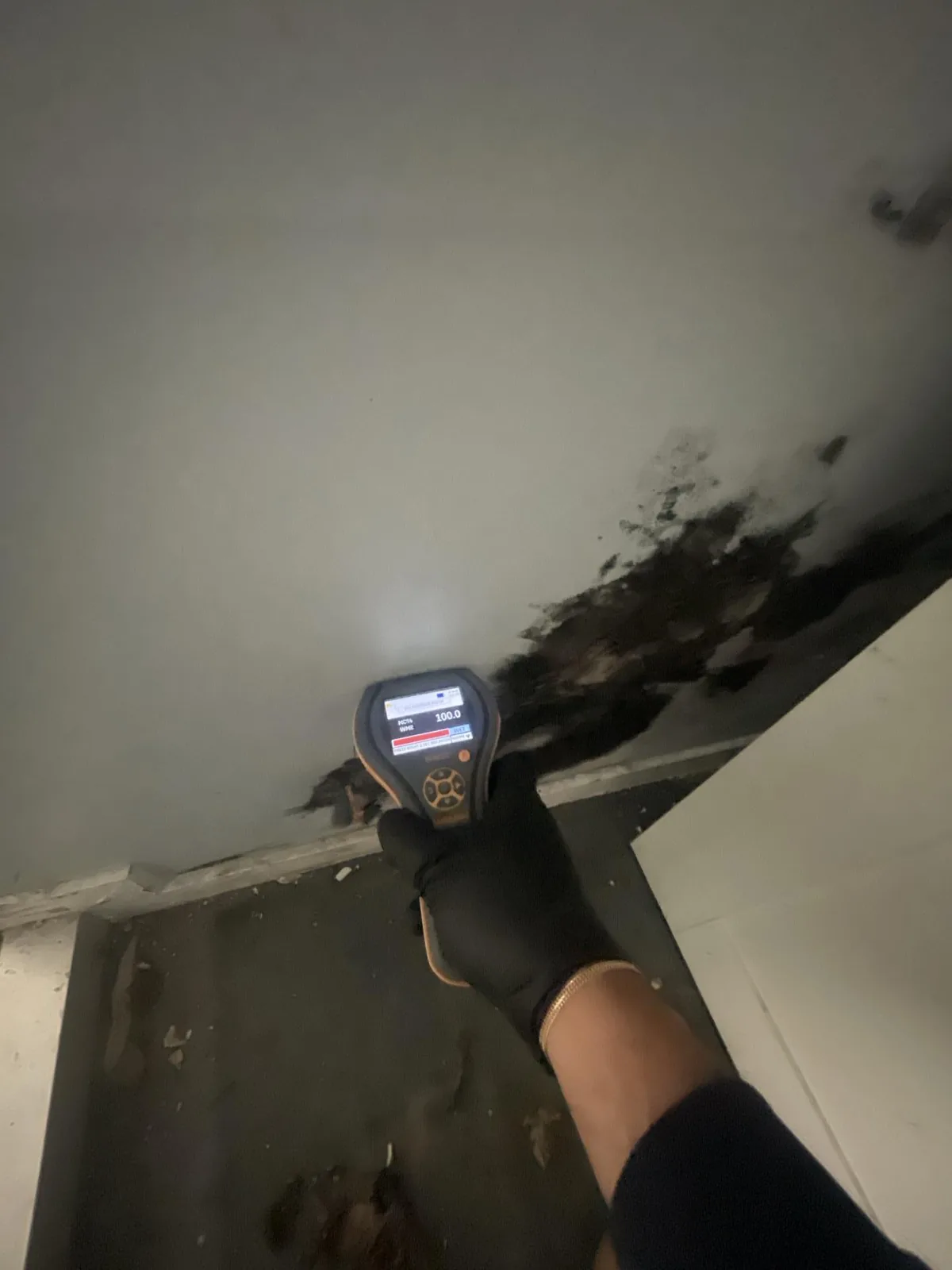
Mould inspection in Sydney is run from Elite Restoration’s branch in Seven Hills, 26.6 km away, covering suburbs from Bondi and Coogee to Castle Hill, Hornsby and Campbelltown. The aim is to find where mould is growing, including inside walls and ceiling spaces, find the moisture behind it, and set out the fix in line with IICRC S520.
Book one when a smell lingers after the windows have been open, when growth returns on a ceiling or in a wardrobe after cleaning, when a leak or flood has left a room damp, or when a lease, a sale or a claim needs a report.
“We had a pipe burst in our ceiling, water seeped into our walls and our unit was at a very high risk for mould :( Guosheng worked tirelessly to ensure the drying process went as smooth as possible, even working until the evening on a Friday to ensure our walls would be dry and safe over the weekend! An extremely proficient and productive company that thrives on providing excellent service and quality work. Thank you so much for all of your help! <3”
“Guosheng from Elite Restoration did an amazing job dealing with the water damage to my unit, due to a burst pipe. Nothing was too hard and Guosheng had multiple tricks up his sleeve to ensure maximum drying capacity. The communication throughout the whole process was excellent, which made this very stressful situation for me a lot easier to handle. Thanks so much Guosheng.☺️”
Mould remediation is never a simple clean. Under the
IICRC S520 Standard for Professional Mould Remediation,
treating mould without a proper inspection risks missing the underlying
moisture source and leads to recurrence. Every mould job starts with a
professional inspection by S520-certified technicians, so containment,
controls and the remediation scope are set correctly from day one.
Inspection from $350 inc. GST. Remediation is scoped and
quoted separately, only after the inspection.
Find the cause — identify the moisture source so remediation actually holds.
Set containment — protect unaffected areas during the work.
Clear scope & documentation — written report you can give insurers or strata managers.
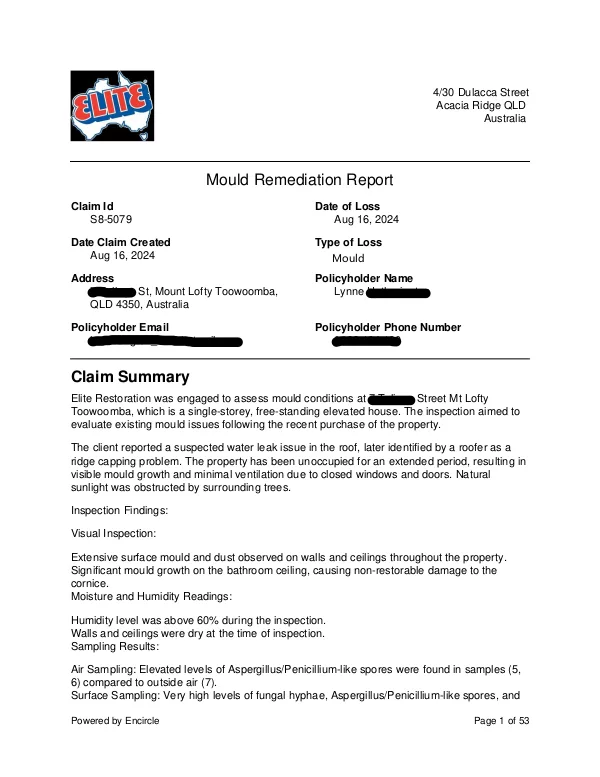
Want to know exactly what you’ll receive? Download a real example of the
written report our S520-certified technicians produce after a mould
inspection — findings, moisture readings, photos and the recommended
remediation scope.
A careful visual check of the affected rooms, ceilings, wardrobes and wet areas finds most surface growth. Moisture readings then map where the building is still wet, and that is usually what explains the mould and shows where it will spread next.
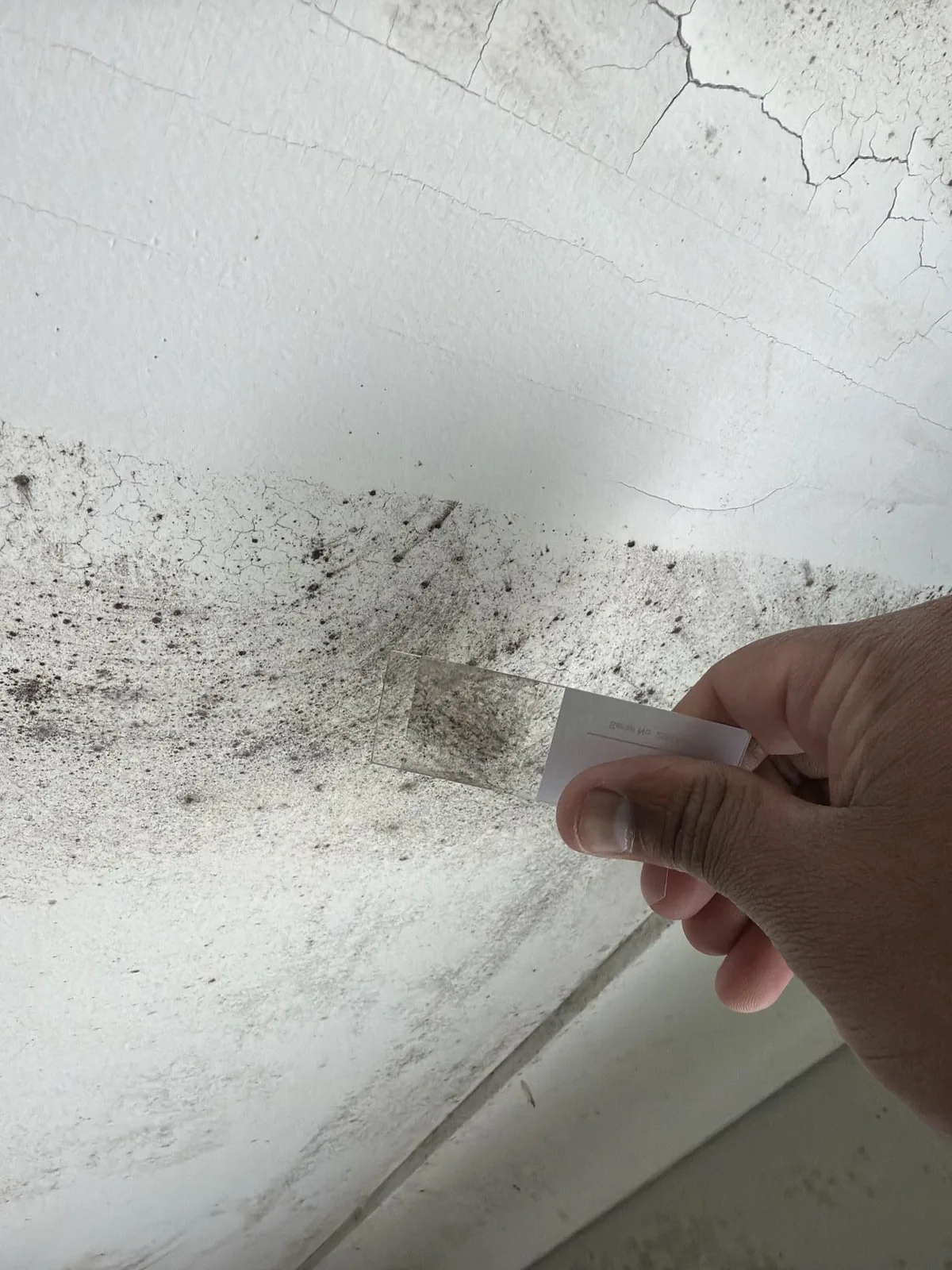
Air samples have a narrower job. Spores are in every home, so an indoor reading only means something when it is compared with an outdoor one, and it earns its place mainly when growth is suspected but can’t be seen. A swab or tape sample from a surface confirms what a mark on a wall actually is. Samples are tested through NATA-accredited laboratory partners.
What testing can’t do is say whether mould is making someone unwell. That is a question for a doctor, not a lab report.
The visit, in order
We start with your account: what you noticed, where, and any water event before it.
Moisture readings and a room-by-room check of the affected area and the rooms around it.
Samples, only where the extent is unclear or a report needs lab results.
An initial report with a scope or quote, targeted within 24 hours.
If you go ahead, remediation and drying in line with IICRC S520 and S500, and a completion report at the end.
Elite Restoration carries out the remediation too, so the scope comes from the team that will be doing the work.
Questions Sydney owners and tenants ask
If I can already see the mould, do I still need an inspection?
Usually. The visible patch shows where growth has reached the surface. The inspection finds the moisture, and without that the mould comes back after removal.
Will it come back after it is cleaned?
If the water source is still there, yes. Cleaning deals with the growth. Fixing the source and drying the structure deal with the reason for it.
Does insurance cover a mould inspection?
It depends on the policy and the cause. Where mould follows an insured event such as a burst pipe or storm, the team liaises with your insurer on the claim. The insurer decides what is covered.
In a rental, who is responsible?
It generally turns on the cause, whether that is a leak or defect in the building or the way the home has been used. The report records what was found and the likely source, so the tenant and the landlord or agent start from the same facts.
Recent case studies
Mould Inspection — Brookvale
Completed March 2026 · property · Job SM8-11293
9 rooms documented
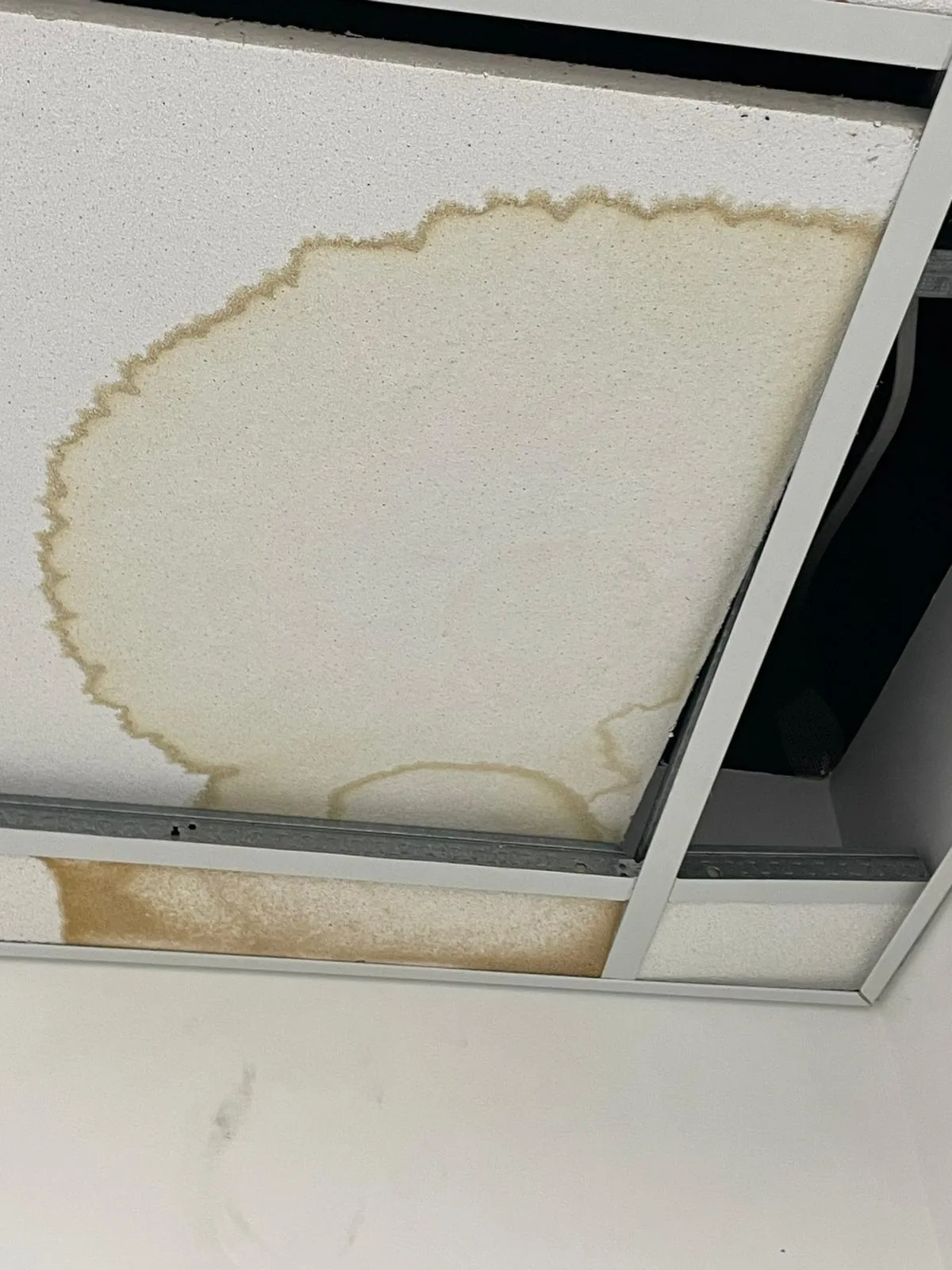
Mould growth was reported in a bedroom due to water ingress through the roof.

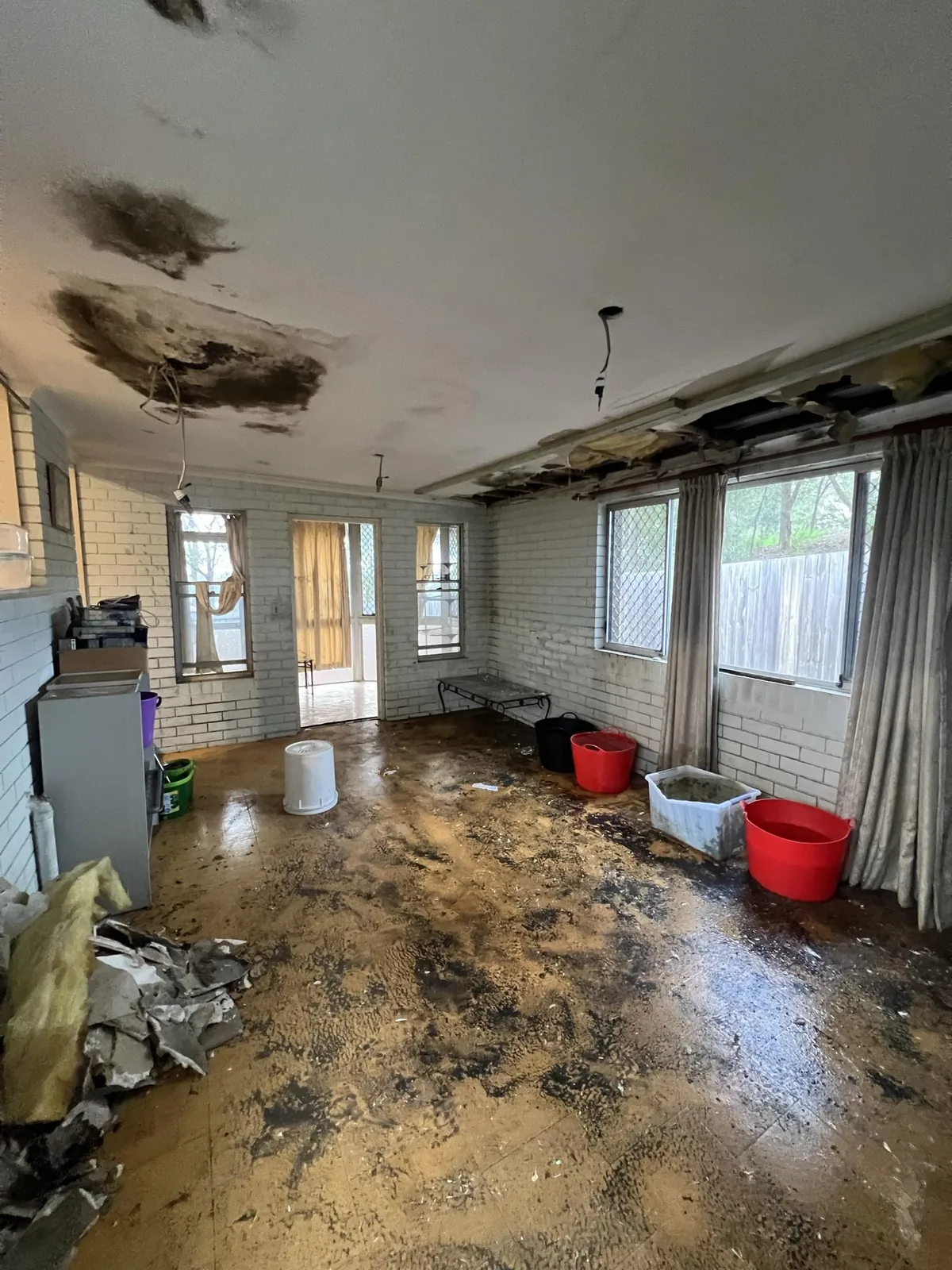 Water Damage Restoration
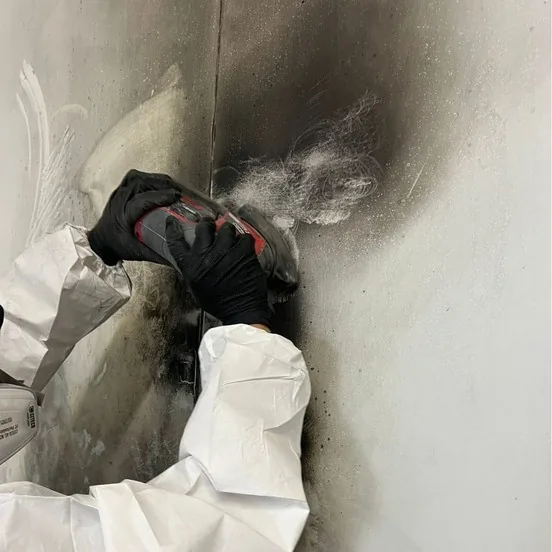 Fire and Smoke Restoration
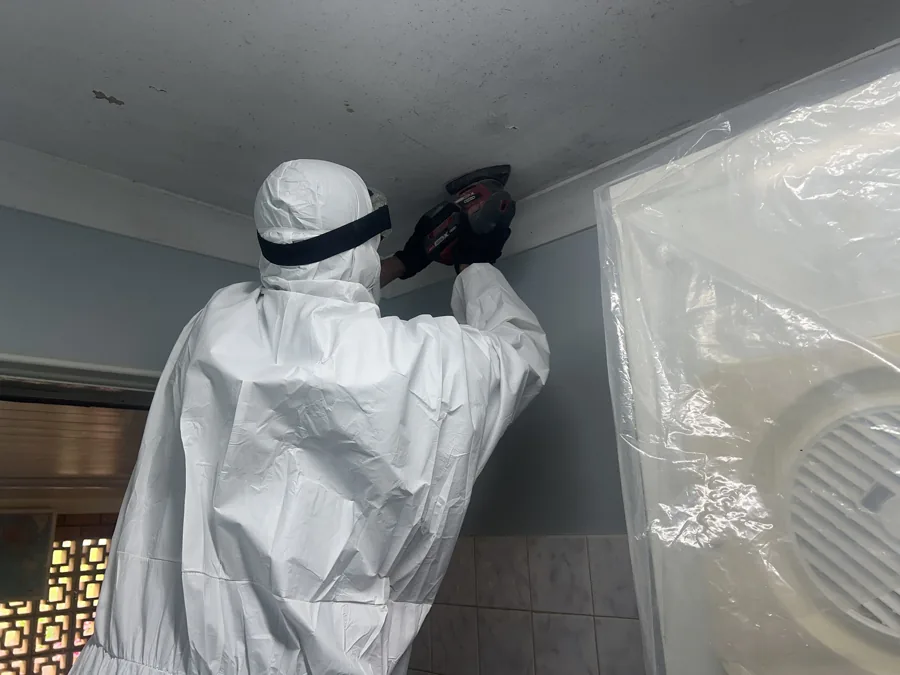 Mould Removal & Remediation
 Mould Inspection
 Water Leak Detection