Practical compliance, continuity, and scope clarity
If you manage sites where compliance, continuity, and asset integrity are
non-negotiable, or you're handling claims that need clear technical
justification, our standards-led approach is built for you.
- Defined scope from day one
- Risk-aware execution
- Objective verification metrics
- Audit-ready documentation
IICRC S500 • S520 • S700 • S100 ·
CM3 Certified · National Coverage · 24/7 Response
Why IICRC frameworks matter in Australia
Restoration and hygiene work often sits inside high-stakes environments.
IICRC provides a professional standard of care, consistent, repeatable, and
technically defensible.
Where exposure is typically highest
- Commercial premises and multi-site portfolios
- Government, defence, and secure facilities
- Education campuses and healthcare environments
- Strata assets and dense-occupancy properties
- Insurance files with high scope scrutiny and liability risk
What this means for insurers and facilities leaders
An IICRC-informed workflow supports clearer approvals, lower dispute
potential, and safer close-out outcomes:
- Defined scope from day one
- Risk-aware execution
- Objective verification metrics
- Consistent outcomes nationwide
- Audit-ready documentation
In practice: less ambiguity, fewer scope arguments, and stronger
completion confidence.
Our IICRC-aligned certifications
The standards that shape how we assess, execute, verify, and close every
engagement.
ANSI/IICRC S500, Water Damage Restoration
Category/class logic, psychrometrics, monitoring cadence, and records.
ANSI/IICRC S520, Mould Remediation
Containment protocols, source removal, engineering controls, and a
PRV-ready process.
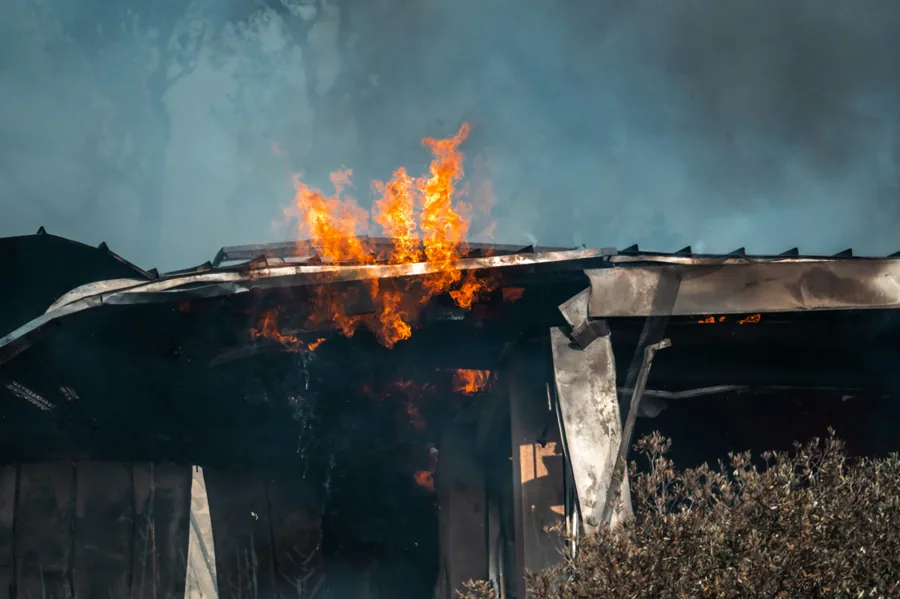
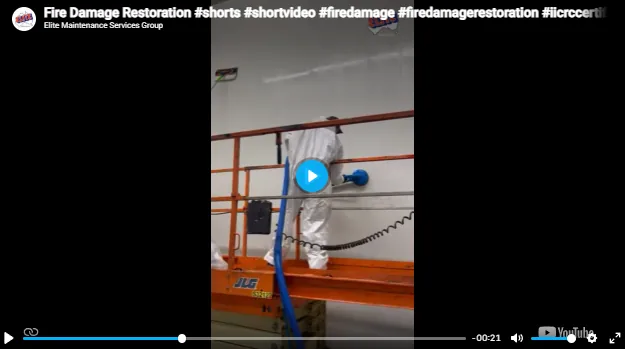
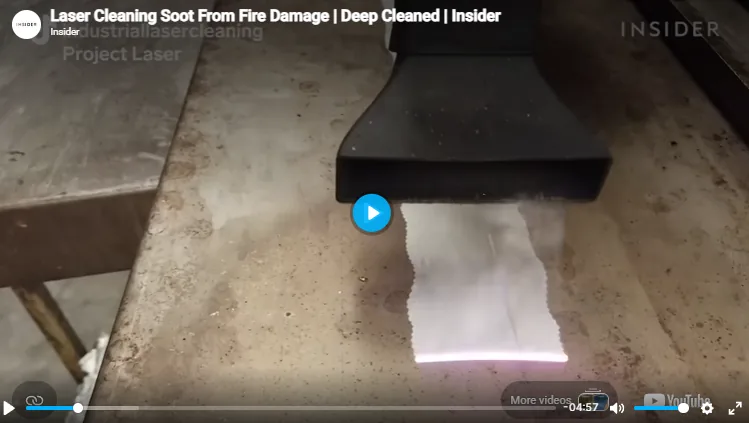
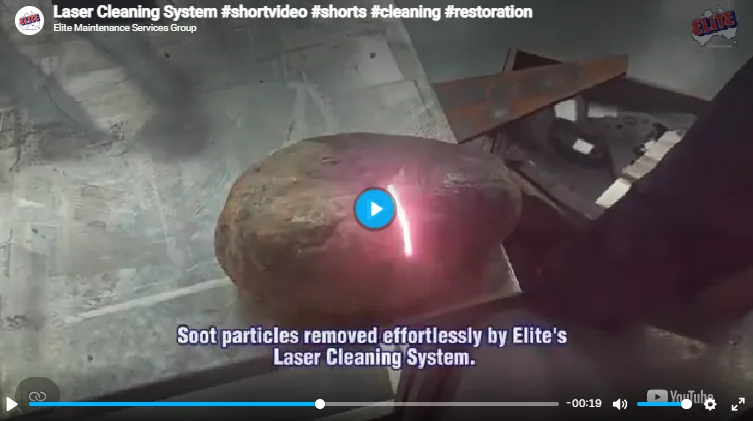
ANSI/IICRC S700, Fire & Smoke Restoration
Residue identification, triage pathways, odour strategy, and clearance
discipline.
ANSI/IICRC S100, Textile Floor Covering Care
Fibre-safe extraction, controlled dry-down, hygiene outcomes, and
asset-life extension.
Designed for control, compliance, and continuity
Rapid response with technical discipline maintained, supporting both
claim outcomes and business continuity.
- Safety & health controls, site-safe execution,
hazard management, and controlled workflows suitable for occupied and
regulated settings.
- Inspection + documentation, measured data capture,
defined targets, and clearer scope boundaries to reduce delays and
uncertainty.
- Mitigation of further damage, early stabilisation to
limit secondary damage, lower mould exposure, and prevent claim
escalation.
- Close-out verification + reporting, verified end
points and close-out packs prepared for stakeholders, audit needs, and
claim-handling workflows.
How each certification maps to delivery
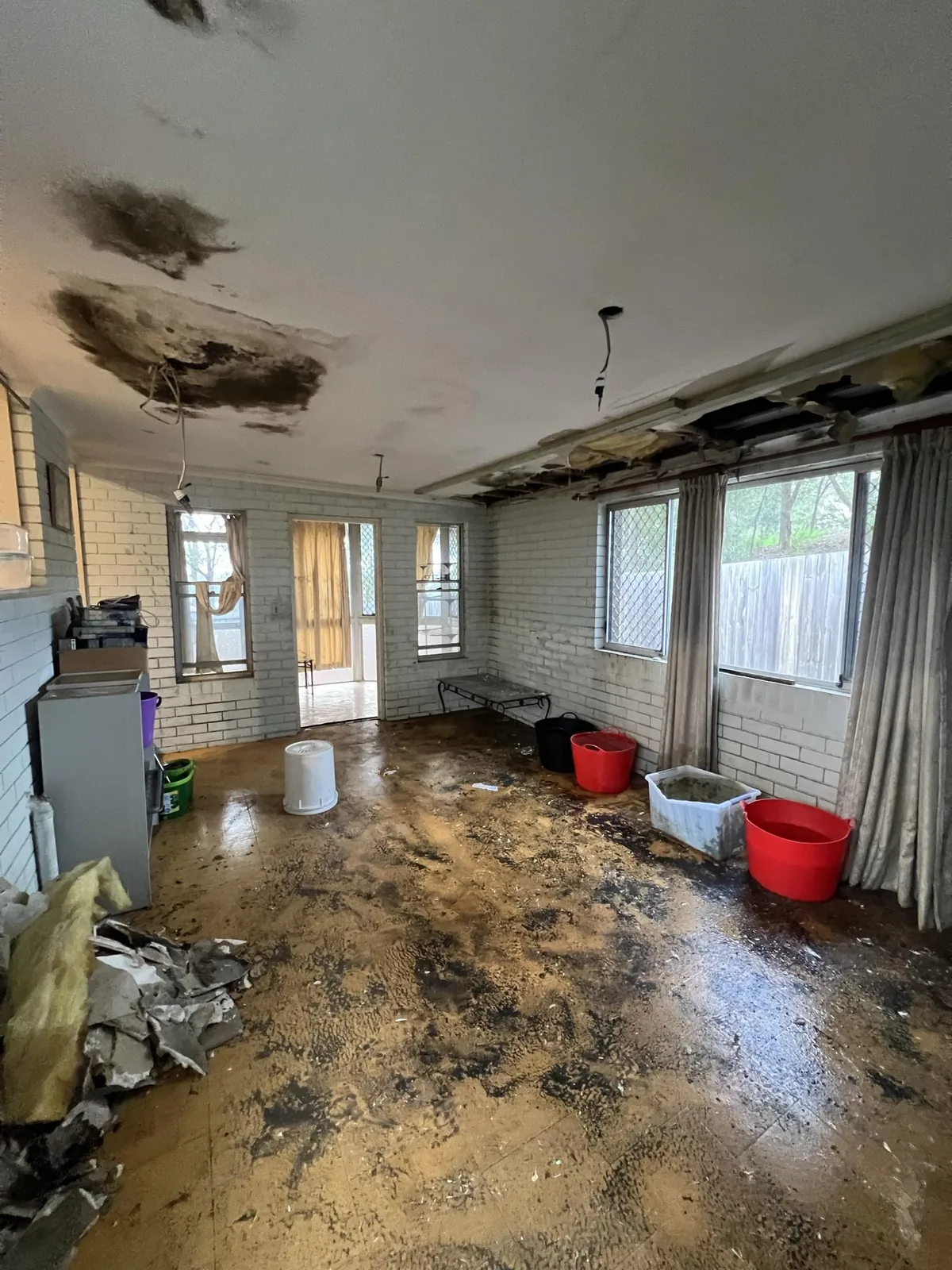
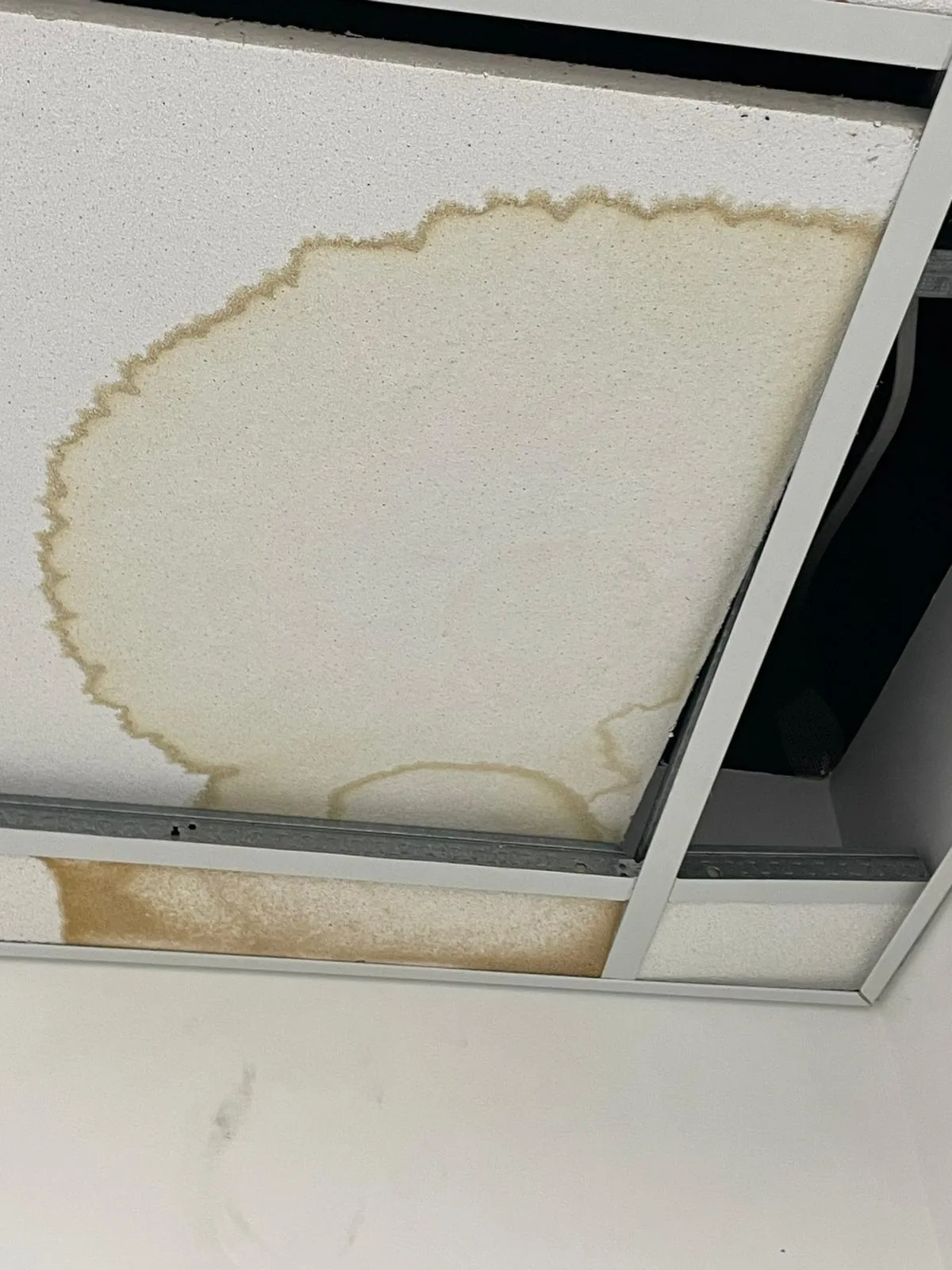
S500, 24/7 Water Damage Recovery
Time-sensitive stabilisation and drying based on category/class
assessment and psychrometrics, backed by logged monitoring data.
- Category (contamination profile): 1, clean/sanitary
water; 2, notable contamination; 3, gross contamination (sewage or
floodwater).
- Class (evaporation demand): Class 1–4 based on wet
surface area and material porosity; equipment sized for efficient
dry-down.
- Psychrometry: temperature, humidity, and airflow
managed to objective drying targets, reducing microbial risk and decision
uncertainty.
- 24/7 extraction and structural drying, moisture mapping and monitoring
logs, equipment placement and utilisation records.
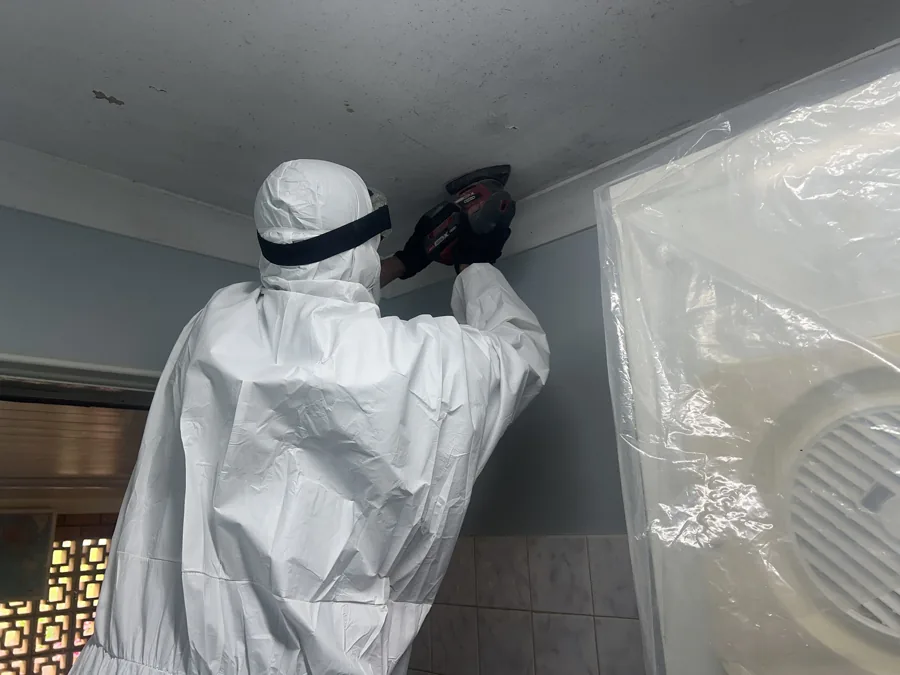
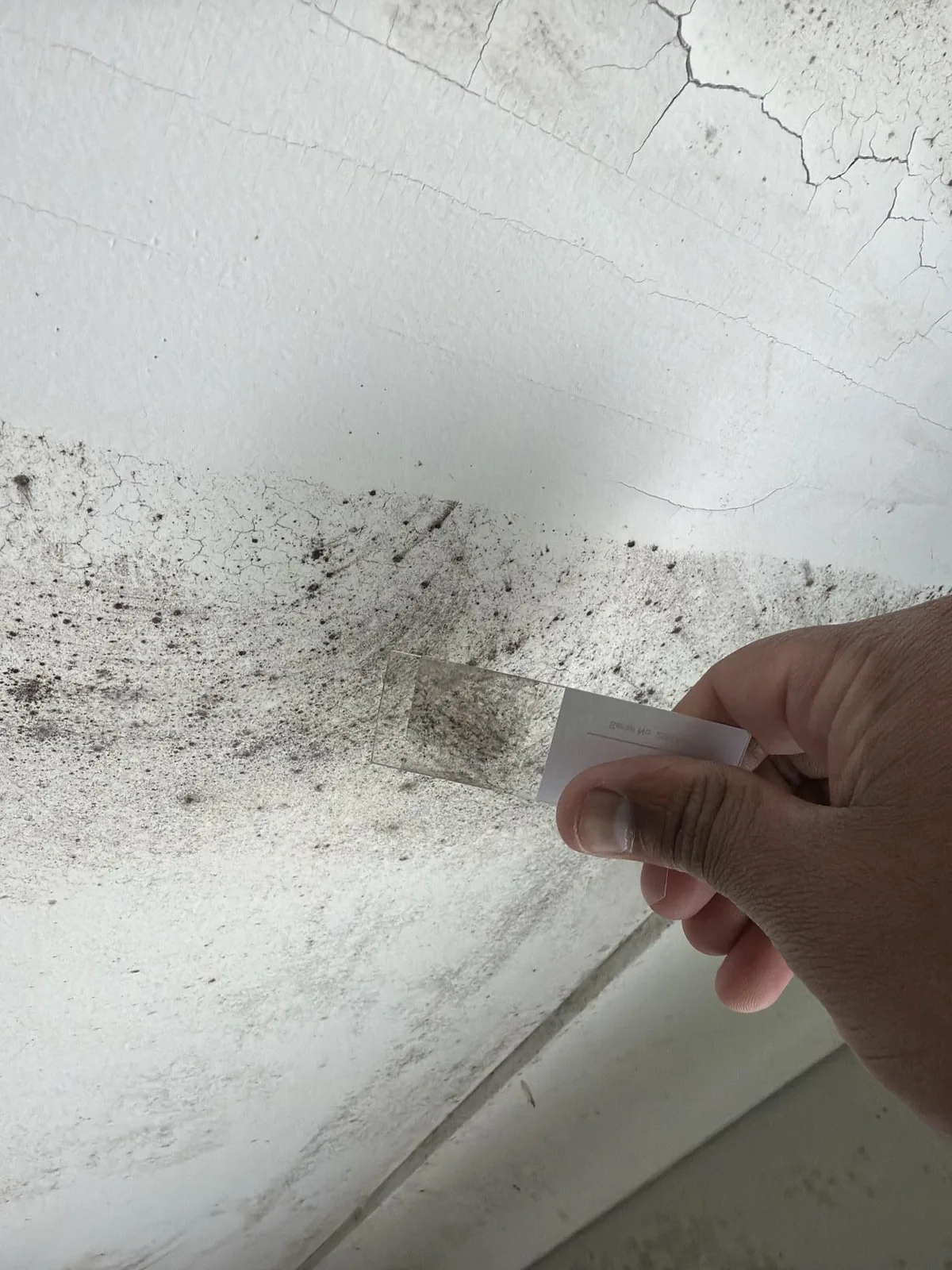
S520, Mould Inspection & Remediation
Condition-led remediation with engineered controls to reduce
cross-contamination risk in occupied environments.
- Conditions: 1, normal fungal ecology; 2, settled
spores and fragments; 3, active mould growth.
- Core principle: physical removal of impacted
material/contamination, fogging or coatings are not substitutes.
- Engineering controls: containment and negative-pressure
strategies protect unaffected zones and building occupants.
- Outcome: lower liability exposure and stronger
defensibility for scope and outcomes.
S700, Fire & Smoke Damage Restoration
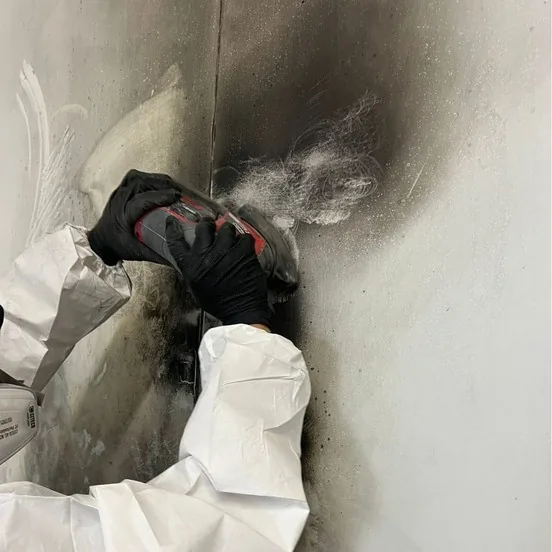
Residue profiling informs chemistry and method selection; early triage
helps prevent permanent damage and improves odour outcomes.
- Residue types: natural, synthetic, protein.
- Residue behaviour: dry smoke (powdery/loose) vs wet
smoke (sticky/penetrative).
- Odour control (beyond masking): source removal,
counteractants where suitable, oxidation-based deodorisation when required,
sealing only where justified.
- Clearance hallmark: the "white glove" benchmark, no
visible residue transfer.
S100, Textile Floor Covering Care
Controlled extraction and disciplined drying to reduce wicking,
delamination, retained odour, and hygiene failures.
- Common risks without standards: browning and wicking,
shrinkage or distortion, backing delamination, odour retention.
- Services supported: carpet cleaning and sanitising,
commercial carpet cleaning and protection, specialist rug cleaning.
- Outcome: improved hygiene performance, lower
replacement risk, stronger long-term asset performance.
- Best practice: method selection based on fibre and
construction, with controlled drying to protect material integrity.
Reporting, stakeholder coordination, and claim support
Outcomes need to be measurable and explainable, supporting tighter scope
alignment and stronger defensibility.
Key interested parties
- Owners and facility managers
- Tenants and occupants
- Insurers, assessors, and claim teams
- Strata managers, property managers, and site stakeholders
Documentation packages
- Work logs and daily field notes
- Moisture maps and monitoring records
- Equipment placement and usage records
- Photo evidence and scope-control records
Expected result
- Clearer scope alignment and faster approvals
- Reduced dispute potential and rework
- Stronger defensibility of outcomes
- Greater confidence in close-out decisions
Associated specialist services
Services commonly delivered alongside restoration and hygiene programs:
- Mould Inspection & Remediation (IICRC S520), investigation, containment, and remediation following moisture ingress or
long-term saturation.
- Fire & Smoke Damage Restoration (IICRC S700), residue-informed cleaning strategy and odour control to support recovery
planning and reduce rework.
- Commercial Carpet Cleaning & Protection (IICRC S100), standards-based extraction and controlled drying for hygiene outcomes and
asset life in high-traffic spaces.
Need IICRC-guided restoration and hygiene support?
Speak with a specialist 24/7 to arrange emergency stabilisation, book a
technical assessment, or request claim-ready documentation support, Australia-wide. Controlled scope • measurable verification
• supportable documentation.

 Water Damage Restoration
 Fire and Smoke Restoration
 Mould Removal & Remediation
 Mould Inspection
 Water Leak Detection