Melbourne mould removal on your mind?
Spots on the ceiling giving you the side eye?
That damp smell hitting you like a footy sock left in the esky?
Stick with us, and we will keep it clean and easy.
Elite Restoration is a national Australian, compliance-first provider with CM3 and IICRC-aligned teams and documented reporting.
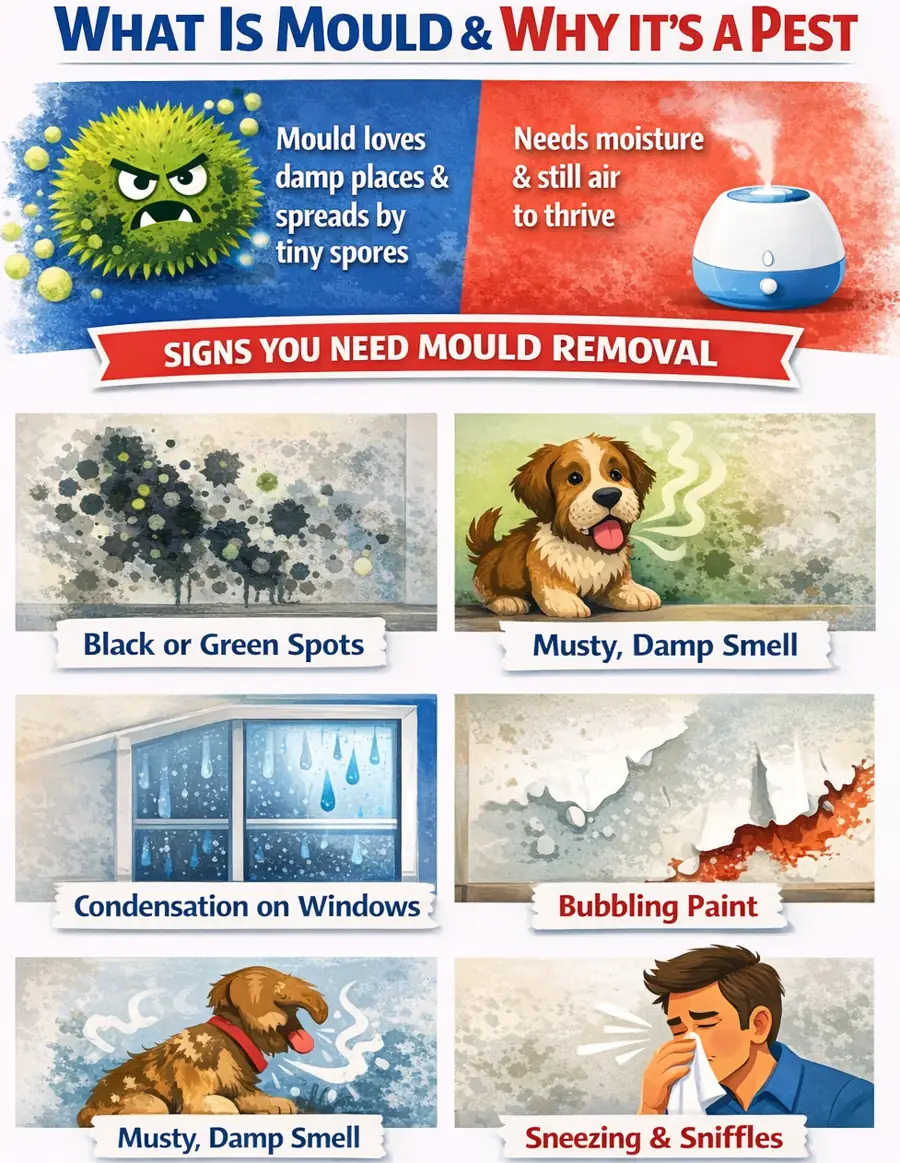
What Is Mould and Why Is It Being a Pest
Mould is a tiny plant-like guest that never brings snacks.
It loves moisture like a tradie loves a Bunnings snag.
It spreads by spores that float around like mozzies at dusk.
Give it damp and still air, and it throws a party.
Signs You Need Melbourne Mould Removal
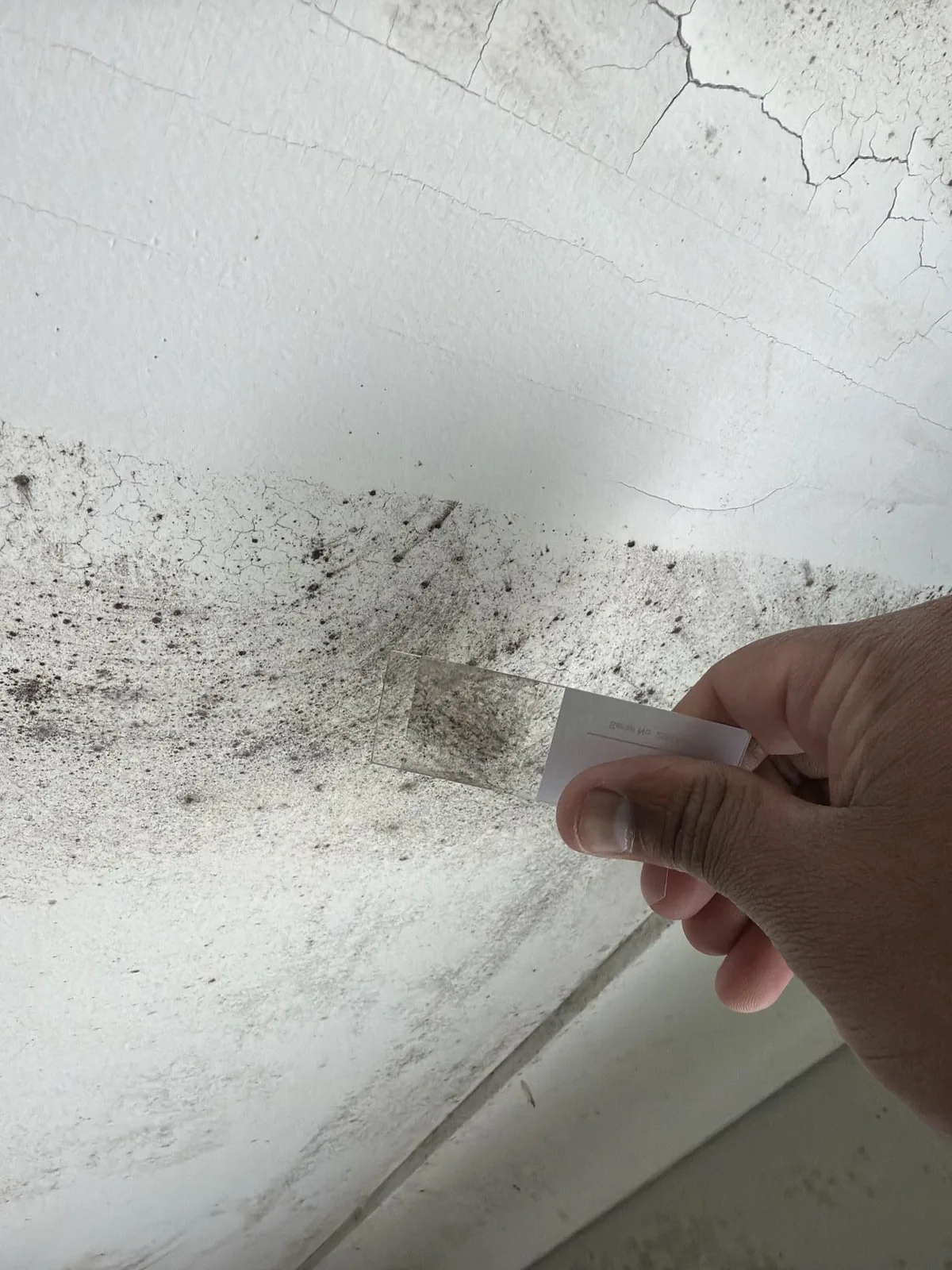
Black or green spots that grow faster than weeds.
A musty whiff like a wet dog on a summer arvo.
Condensation on windows that feels like a rainforest.
Paint bubbling like a pot on the boil.
Sneezing and sniffles that get worse inside.
What Causes Mould in Melbourne Homes
- Leaky roofs and sneaky pipe drips.
- Steam from showers that hangs around like a bad joke.
- Clothes drying inside without fresh air.
- Poor ventilation in bathrooms and laundries.
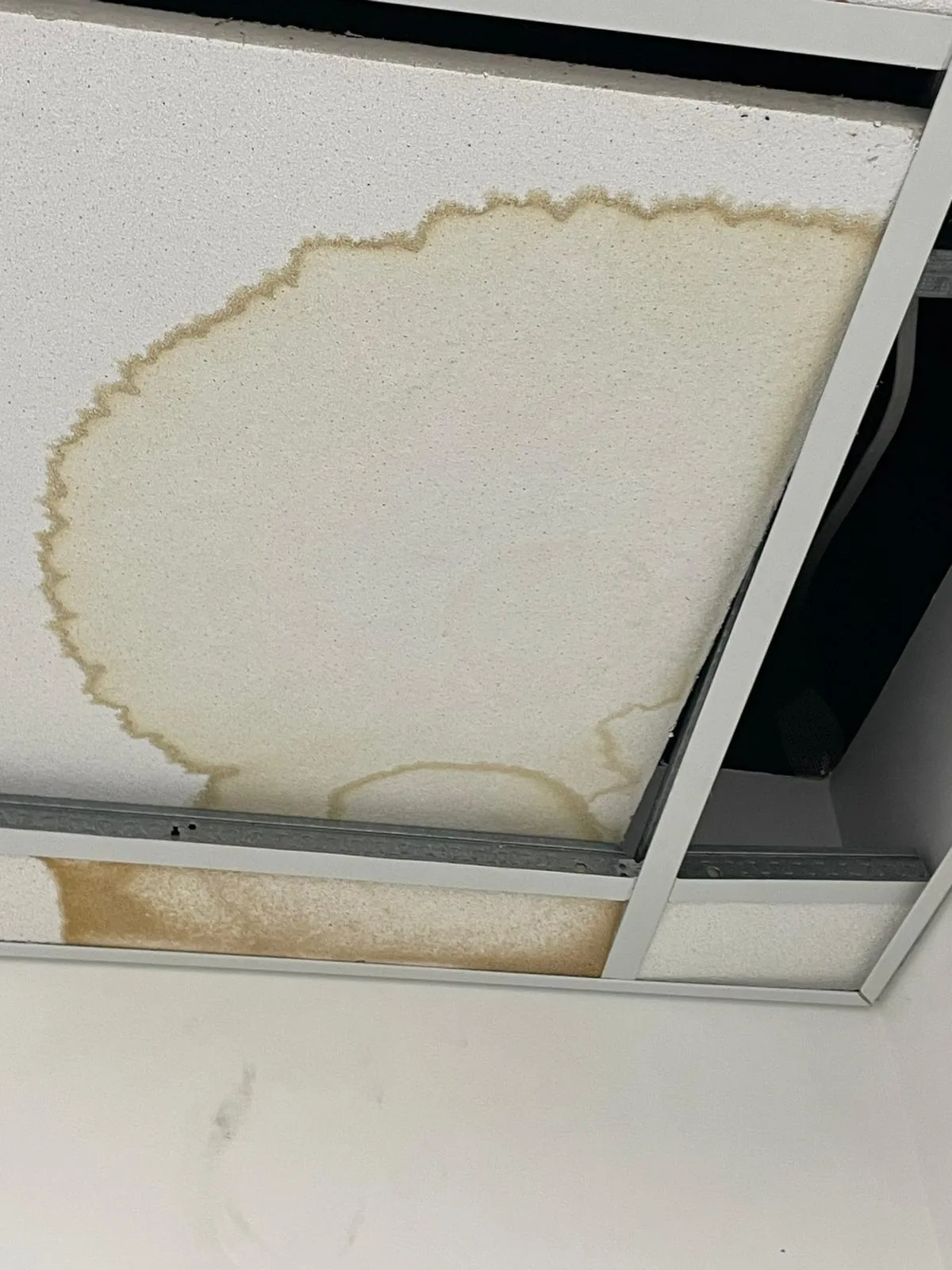
- Rain getting in through tired seals and cracks.
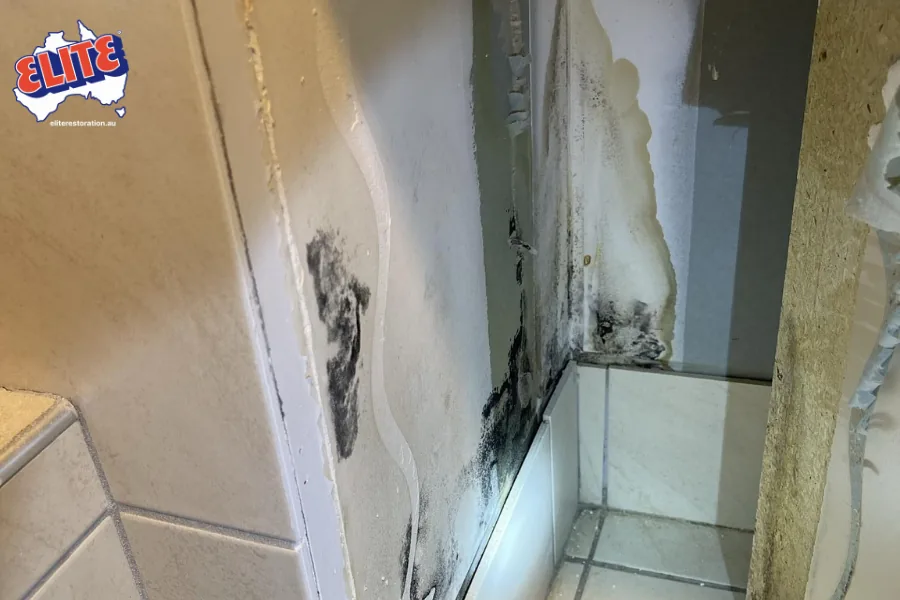
CASE STUDY: Effective Bathroom Mould Remediation
On 30 March 2026, our technician attended the property to complete the approved mould remediation works within the bathroom area.
The scope included strip-out, disposal, and treatment of mould-affected materials.
All works were carried out in accordance with industry standards and safety protocols.
During the process, affected plaster wall linings and contaminated plasterboard within the wall cavity were removed and safely disposed of.
Exposed framing timbers were cleaned, HEPA vacuumed, and treated using Percide with booster, followed by Biosan application to neutralise surfaces.
A final HEPA vacuum was conducted to remove residual particulate matter before containment removal, and works were paused for safe continuation pending further trade intervention.
During remediation, residual moisture and additional mould contamination were identified within timber framing and tiled sections, extending beyond the original scope.
Further investigation, including camera inspection, confirmed mould presence in concealed areas and water damage behind the vanity.
As a result, additional works are required, including engaging a licensed plumber to isolate the water supply, removing the vanity unit, and conducting further remediation on affected timber framing, tiled walls, and potentially the opposite side of the wall.
How Pros Tackle Melbourne Mould Removal
Here is the plan that keeps things safe and tidy.
- Initial inspection to spot growth and track moisture.
- Testing if needed with air or surface checks for tricky cases.
- Moisture mapping to find the wet zones that feed mould.
- Containment so spores do not wander like tourists on holiday.
- HEPA air scrubbers to clean the air while we work.
- Targeted removal and cleaning with methods that suit your surfaces.
- Drying with dehumidifiers so new growth does not kick off.
- Final check so your place is mould-free and ready to breathe.
Many technicians use best practice based on IICRC standards.
Our approach emphasises minimal disruption, certified teams, and documented reporting to support compliance-focused delivery.
That keeps the process safe like a seatbelt on a school run.
DIY or Call a Pro
Small patches on hard surfaces can be a quick clean.
Wear gloves and a mask, and keep windows open.
Do not scrub dry, or you will send spores flying like confetti.
If the area is bigger than a pizza or keeps coming back, then it is pro time.
Large growth needs containment and proper drying gear.
 ▶
▶
Prevention That Actually Works
Think of this as your mould diet plan.
- Ventilate after showers and cooking.
- Exhaust fans that vent outside, not into the roof space.
- Restore leaks fast before they turn sneaky.
- Keep indoor humidity down with a dehumidifier in damp rooms.
- Space furniture off cold walls so air can move.
- Squeegee showers after use like a pro cleaner.
- Open blinds to let sun and air do their thing.
Where Mould Loves to Hide
- Bathroom ceilings and grout lines.
- Window frames and sills.
- Wardrobes with tightly packed clothes.
- Basements and subfloor areas.
- Laundry walls behind machines.
- Behind fridges and under sinks.
- On curtains and soft furnishings.
What Gets Cleaned During Melbourne Mould Removal
- Walls and ceilings with safe methods for paint and plaster.
- Bathrooms and tiles with proper dwell time.
- Bedrooms and wardrobes with soft surface care.
- Carpets and rugs with HEPA vacuum and drying.
- Air and surfaces checked where needed.
- Personal items assessed case by case.
How Long Does It Take
Small rooms can be done in a few hours.
Larger jobs may need one to three days.
Drying can run longer if materials stayed damp.
Think steady and sure, not rushed and messy.
Common Mistakes to Avoid
- Painting over mould like it is a school project.
- Scrubbing dry and sending spores on tour.
- Bleach on porous walls that only changes the colour.
- Fans without drying, which spread spores like gossip.
- Ignoring the source and hoping for the best.
Simple Cleaning Kit for Tiny Spots
This is for small, non-porous areas only.
- Gloves, mask, and eye protection.
- Microfibre cloths that trap dust like a magnet.
- Mild cleaner suited to the surface.
- Spray, wipe, wait, and wipe again.
- Bag used cloths and toss them out.
- Wash hands and let the room air out.
Who Benefits From Melbourne Mould Removal
- Homeowners who want a fresh, clean space.
- Renters protecting their bond and health.
- Property managers juggling busy schedules.
- Strata and body corporate who need peace of mind.
- Workplaces that want clear air for the team.
FAQs
Is black mould worse than other mould
Some species get more attention, but the main issue is moisture and exposure time.
If you can see growth or smell mustiness, it is time to act.
Restore the moisture and clean the area with the right method.
Will mould come back after cleaning
Not if the moisture source is restored and the area stays dry.
That is why drying and ventilation are key steps.
Do I need testing for mould
Not always.
If growth is visible and the source is clear, then treatment can begin.
Testing helps in hidden or complex cases, like odours without visible spots.
Can I stay in my home during removal
Often, yes, for small areas with proper containment.
For larger work, you may need to keep clear of work zones.
Safety first and comfort close behind.
What does a professional bring that DIY cannot
Containment to stop spread.
HEPA air cleaning and proper drying gear.
Know-how from lots of jobs and proven methods.
How can I cut humidity without fancy gear
Open windows when weather allows.
Run exhaust fans longer after showers and cooking.
Keep lids on pots and dry laundry outside when you can.
Ready to Breathe Easy
Want a quick quote or a booking that suits your schedule?
Tap here for bookings and quotes at this link.

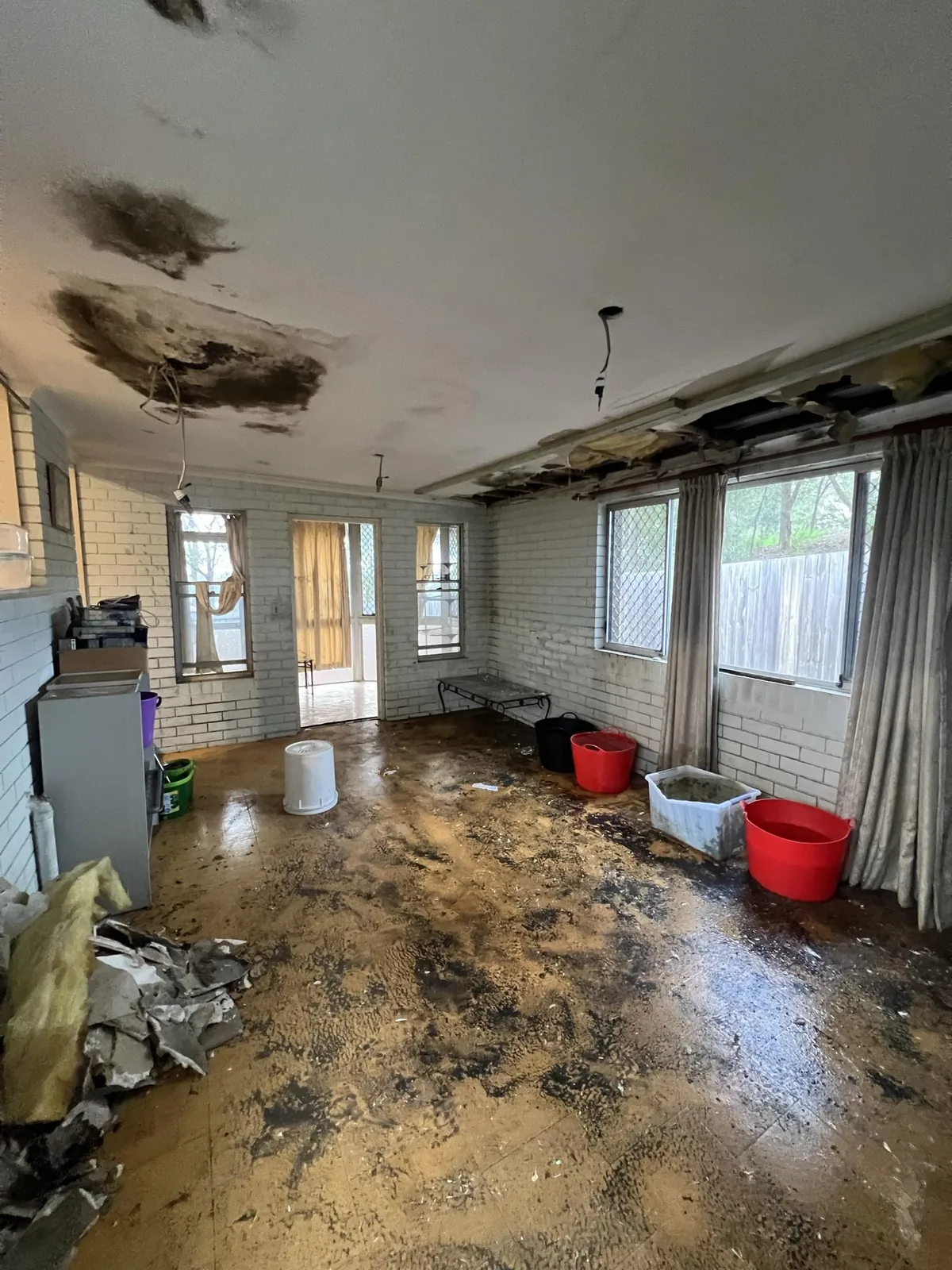 Water Damage Restoration
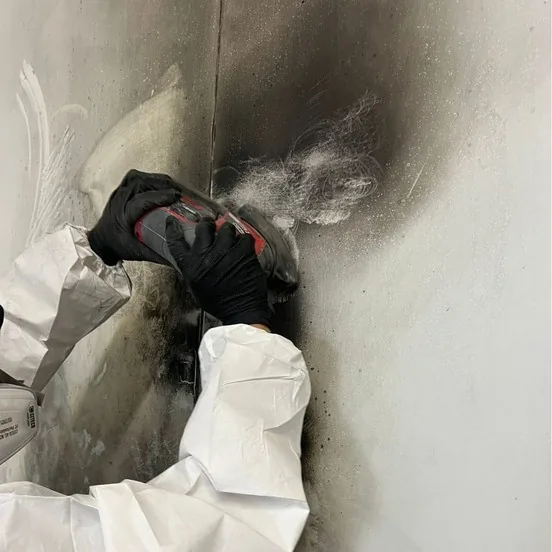 Fire and Smoke Restoration
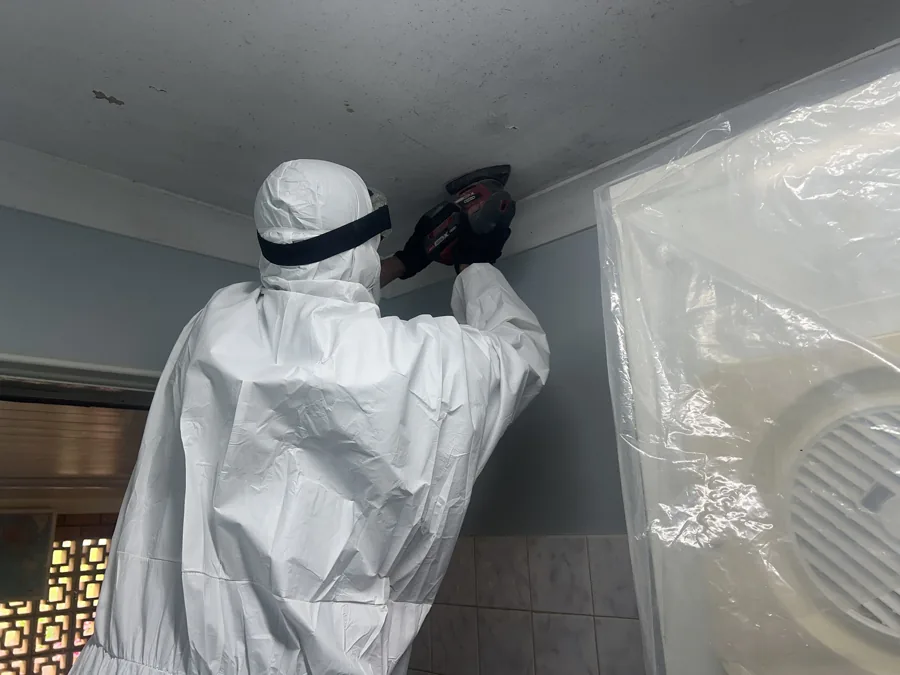 Mould Removal & Remediation
 Mould Inspection
 Water Leak Detection