
ANSI/IICRC S500
Water Damage Restoration Standard — category/class logic, psychrometrics, monitoring cadence, and records.

Enterprise-grade restoration and hygiene delivered across Australia — aligned with IICRC standards to support safer outcomes, controlled scope, and defensible documentation.
If you manage sites where compliance, continuity, and asset integrity are non-negotiable—or you’re handling claims that require clear technical justification—our standards-led approach is designed for you.
Restoration and hygiene often sit inside high-stakes environments. IICRC provides a professional standard of care—consistent, repeatable, and technically defensible.
Across Australia, restoration and hygiene engagements often include:
An IICRC-informed workflow supports clearer approvals, lower dispute potential, and safer close-out outcomes.
In practice: less ambiguity, fewer scope arguments, and stronger completion confidence.
Standards that shape how we assess, execute, verify, and close every engagement.
Water Damage Restoration Standard — category/class logic, psychrometrics, monitoring cadence, and records.
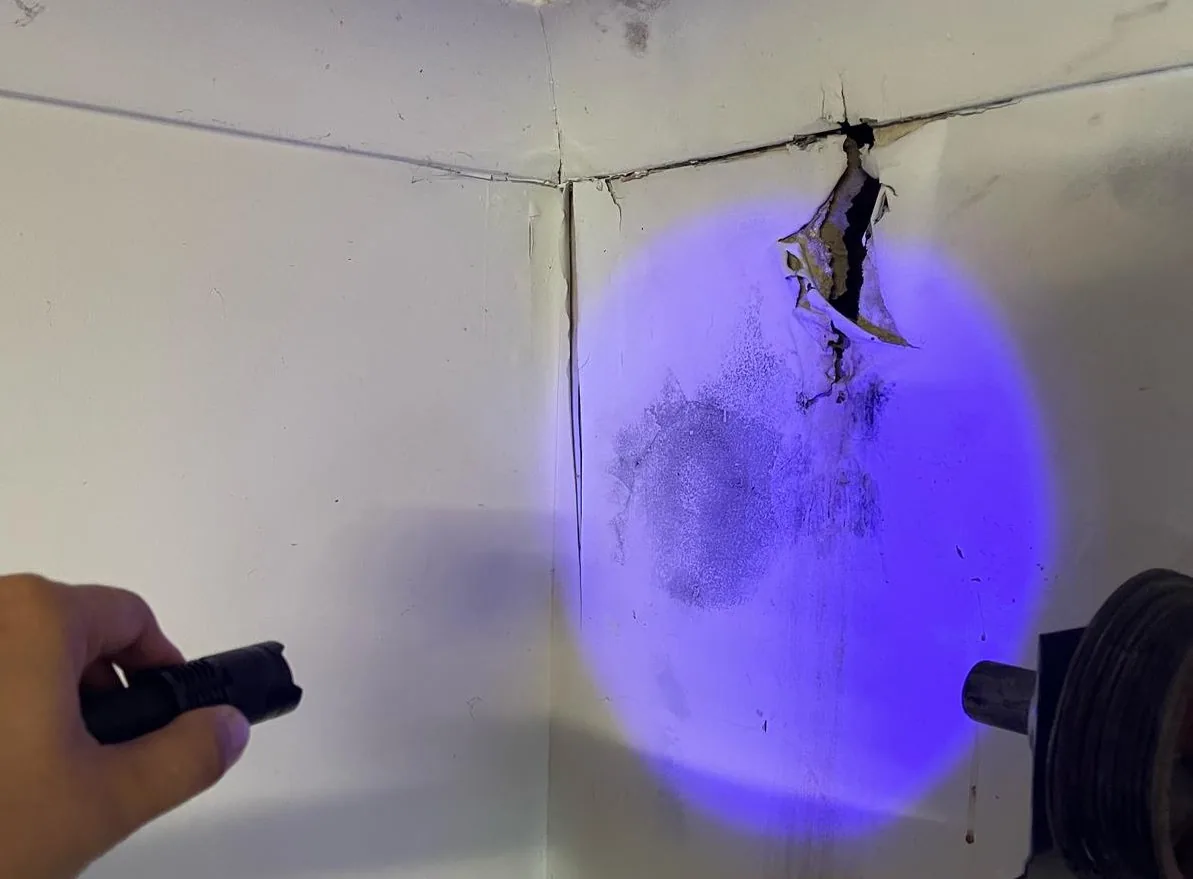
Mould Remediation Standard — containment protocols, source removal, engineering controls, and PRV-ready process.
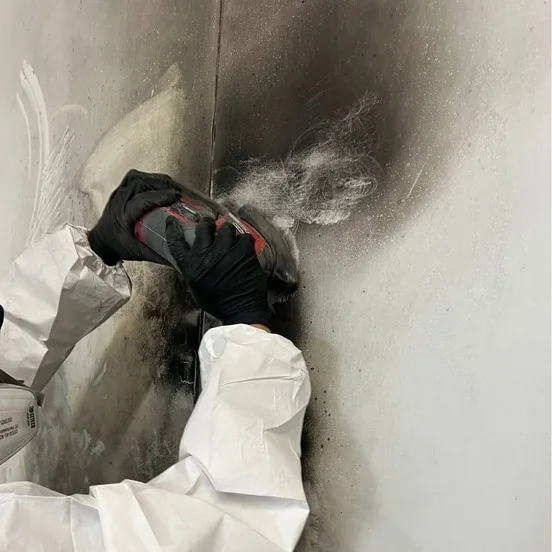
Fire and Smoke Restoration Standard — residue identification, triage pathways, odour strategy, and clearance discipline.
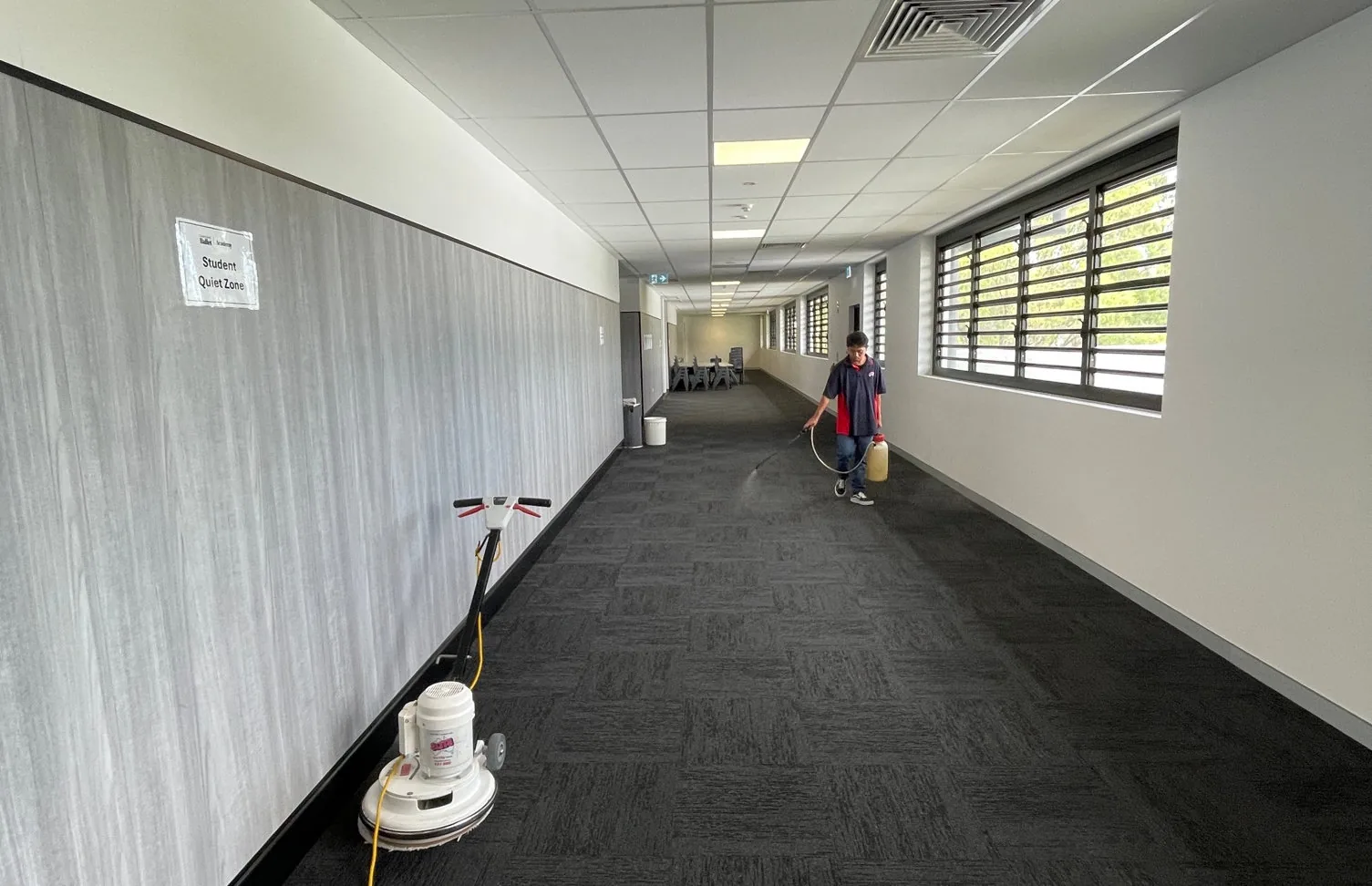
Textile Floor Covering Care — fibre-safe extraction, controlled dry-down, hygiene outcomes, and asset life extension.
Rapid response with technical discipline maintained, supporting both claim outcomes and business continuity.
Site-safe execution, hazard management, and controlled workflows suitable for occupied and regulated settings.
Measured data capture, defined targets, and clearer scope boundaries to reduce delays and uncertainty.
Early stabilisation to limit secondary damage, lower mould exposure, and prevent claim escalation.
Verified end points and close-out packs prepared for stakeholders, audit needs, and claim handling workflows.
A standards-first breakdown of water, mould, fire/smoke, and textile hygiene service outcomes.
Time-sensitive stabilisation and drying based on category/class assessment and psychrometrics, backed by logged monitoring data.
Condition-led remediation with engineered controls to reduce cross-contamination risk in occupied environments.
Residue profiling informs chemistry and method selection. Early triage helps prevent permanent damage and improves odour outcomes.
Controlled extraction and disciplined drying to reduce wicking, delamination, retained odour, and hygiene failures.
Outcomes need to be measurable and explainable, supporting tighter scope alignment and stronger defensibility.
Services commonly delivered alongside restoration and hygiene programs.
Speak with a specialist 24/7 to arrange emergency stabilisation, book a technical assessment, or request claim-ready documentation support.
Choose the type of item you’d like to create.