
What Does IICRC Certified Mean?
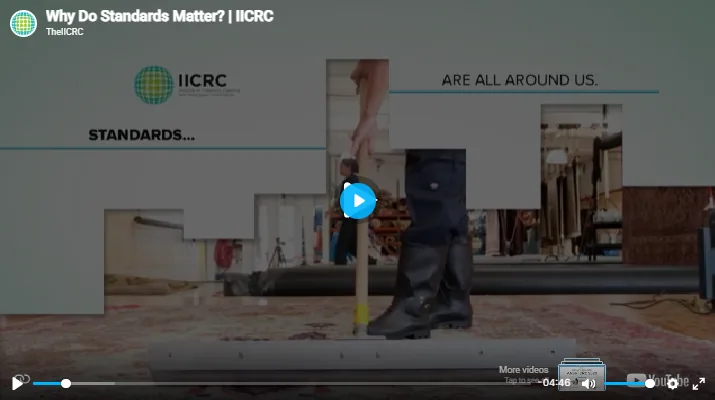
The Institute of Inspection Cleaning and Restoration Certification (IICRC) is an international organisation that sets professional standards for the cleaning, inspection, and restoration industries.
When a technician or company is IICRC certified, it means they have completed specialised training and demonstrated knowledge in areas such as:
- Water damage restoration
- Mould remediation
- Fire and smoke restoration
- Carpet and textile cleaning
- Structural drying and contamination control
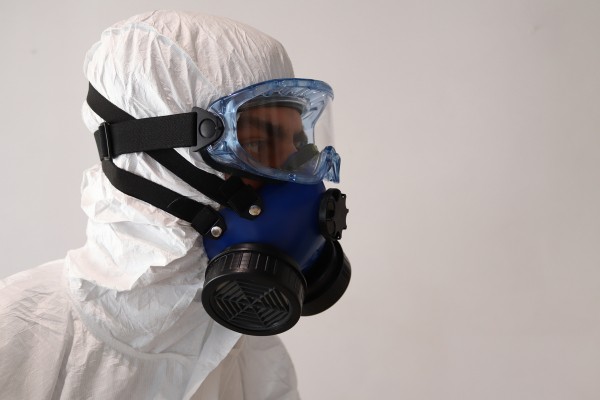
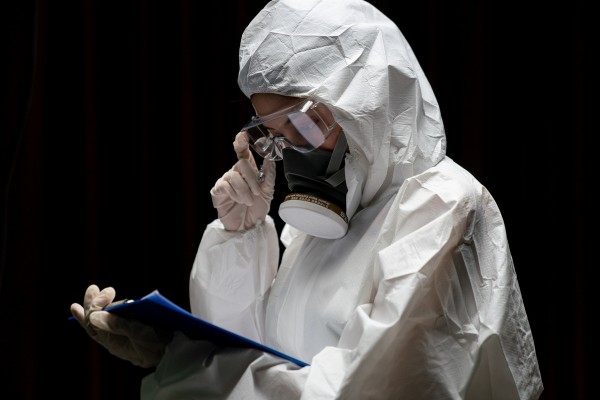
These standards help ensure restoration work is done safely, correctly, and in accordance with internationally recognised best practices.
For restoration projects, especially after floods, leaks, or mould contamination, working with IICRC-certified professionals ensures that the process follows proven technical guidelines rather than guesswork.
Is IICRC Certification Worth It?
So, is IICRC certification worth it? In most cases, the answer is yes—especially for restoration work that involves structural damage, moisture, or health risks.
1. Industry-Recognised Standards
IICRC certification ensures technicians follow documented procedures for cleaning and restoration. This is critical for services such as:
- Structural drying after water damage
- Safe mould containment and removal
- Smoke odour treatment and residue cleaning
These standards reduce the risk of incomplete restoration or hidden damage.
2. Better Protection for Property Owners
When restoration work is performed incorrectly, it can lead to:
- Mould growth after water damage
- Lingering odours
- Structural deterioration
- Insurance claim complications
Working with IICRC-certified technicians helps minimise these risks because the work follows recognised industry protocols.
3. Trusted by Insurance and Commercial Clients
Many insurers, property managers, and commercial facilities prefer working with IICRC-certified restoration teams because certification indicates:
- Documented training
- Professional accountability
- Consistent technical processes
Elite Maintenance Services Group follows these standards as part of its compliance-led restoration approach, helping to deliver documented, defensible outcomes for complex restoration projects.
How to Have a Certificate (How Professionals Become IICRC Certified)
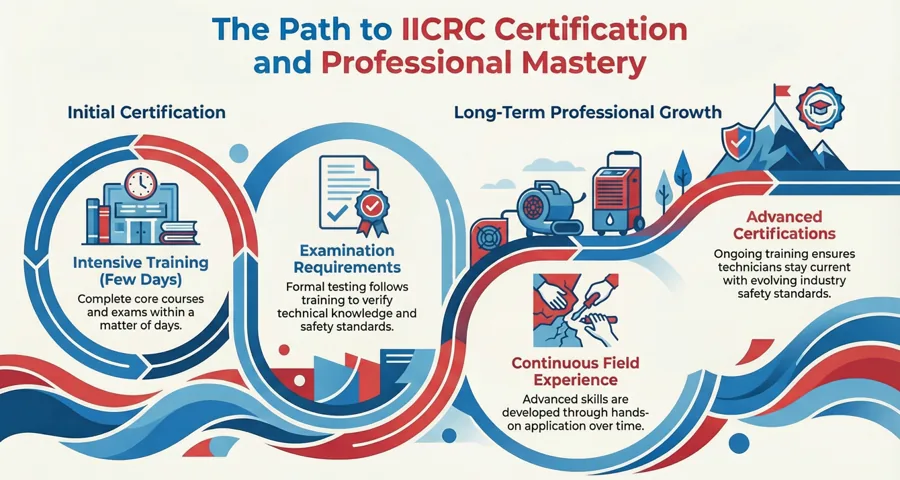
Many people also ask how to obtain a certificate or how technicians become IICRC certified.
The process generally involves several steps:
1. Professional Training
Technicians complete approved training courses that focus on specific restoration disciplines, such as:
- Water Damage Restoration Technician (WRT)
- Applied Structural Drying (ASD)
- Applied Microbial Remediation Technician (AMRT)
These courses cover both theoretical knowledge and practical restoration techniques.
2. Passing Certification Exams
After training, technicians must pass industry exams that demonstrate their understanding of:
- Restoration science
- Contamination control
- Equipment and drying methods
- Safety and compliance procedures
3. Maintaining Certification
IICRC certification is not a one-time qualification. Professionals must:
- Follow ethical industry practices
- Maintain continuing education
- Stay aligned with evolving standards
This ensures technicians remain up to date with modern restoration methods and technologies.
Why IICRC Certified Restoration Matters for Water, Fire, and Mould Damage
When a property experiences water or fire damage, smoke contamination, or mould growth, quick action and expertise are crucial to mitigate further damage and health risks.
For instance, 24/7 water damage restoration employs precise drying techniques to avoid secondary damage like mould growth due to trapped moisture.
Similarly, proper mould remediation involves safe removal of contamination and addressing the moisture source to prevent recurrence.
Fire damage poses its own challenges, including soot and smoke odours that can cause lasting harm. Professional fire and smoke damage restoration uses specialised cleaning and deodorisation methods to restore affected areas and protect the structure.
In all these cases—water, mould, fire, or smoke damage—having IICRC-certified expertise is essential to ensure adherence to internationally recognised restoration standards.
How Elite Restoration Applies IICRC Standards
Elite Maintenance Services Group has been delivering professional cleaning, restoration, and maintenance services across Australia for more than 40 years.
The company’s restoration services are aligned with recognised industry frameworks, including IICRC standards. This helps ensure:
- Correct damage assessment
- Proper structural drying procedures
- Safe mould remediation practices
- Documented restoration outcomes
By combining certified methods with national coverage and structured reporting, Elite provides restoration solutions designed for both residential and commercial environments.
Conclusion: Is IICRC Certification Worth It?
Is IICRC certification worth it? Absolutely.
For restoration professionals, it signifies expertise and credibility. For property owners, it instils confidence that the work will be completed according to recognised industry standards.
Choosing an IICRC-certified restoration team ensures that your property is managed by trained professionals who adhere to proven processes designed to protect both the building and the health of its occupants.
If you're facing water damage, mould, or other restoration issues, working with experienced technicians can make all the difference.
To organise professional restoration support, you can request a service by clicking here.
Or speak directly with our team:
1300 899 276