Case Study: Mould Inspection & Remediation
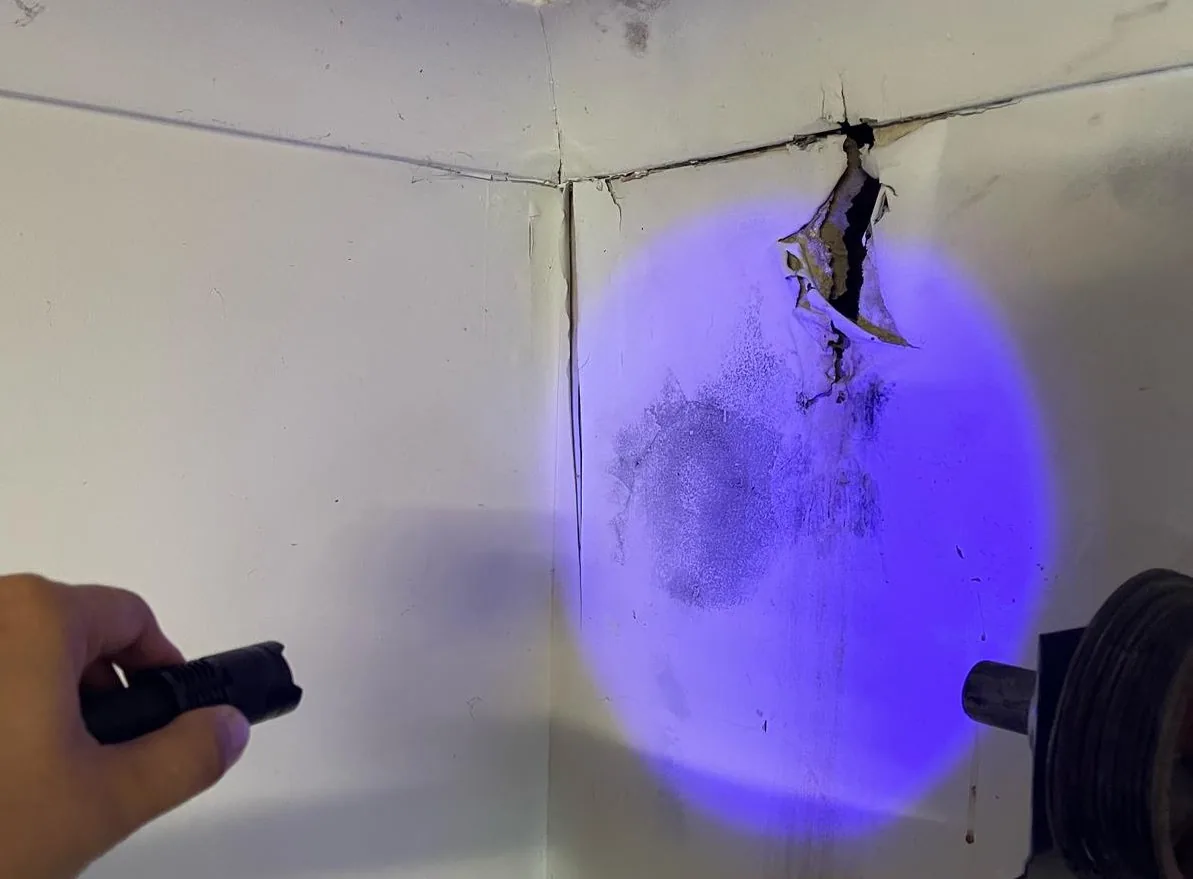
On the 18th of March 2026, Elite Restoration attended a residential property to conduct a mould inspection following concerns raised by the managing agent.
The property had been vacant since July 2025, with a history of roof leakage that had reportedly been repaired, however internal remediation of affected materials had not been completed.
As a result, mould contamination developed and spread across multiple areas of the home due to retained moisture and extended vacancy.
The primary cause was identified as historical roof leakage combined with incomplete internal remediation, with contributing factors including prolonged moisture within ceiling materials.
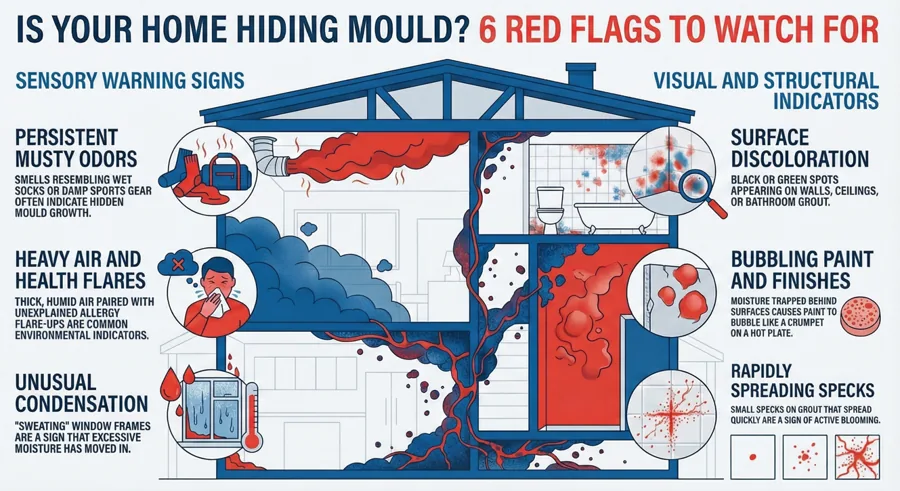
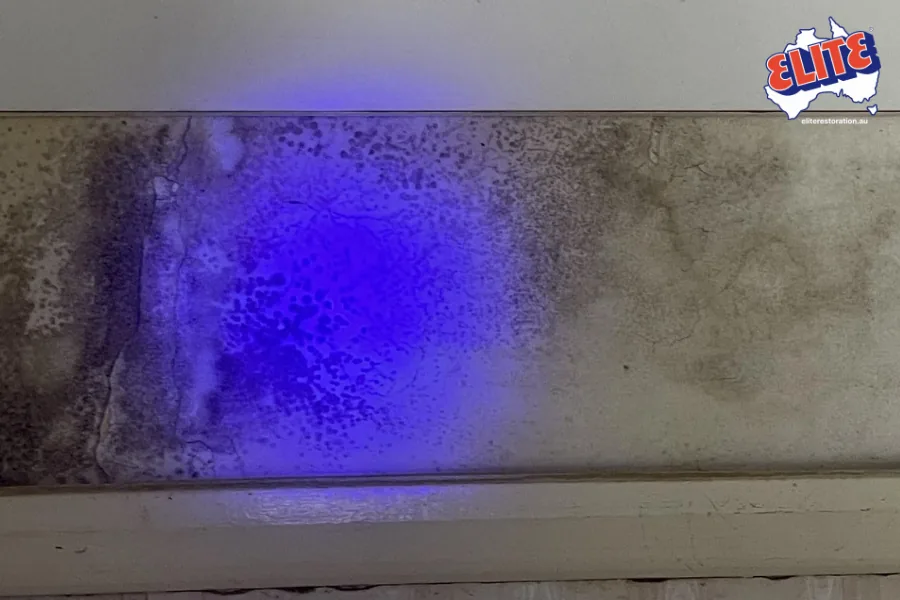
Widespread mould contamination was found across the main bedroom, second bedroom, living room, dining area, and kitchen ceilings, with visible water staining confirming previous intrusion.
Active mould growth was present even in areas that appeared dry, while porous materials such as plasterboard ceilings, paint finishes, and ceiling cavity components were deemed non-salvageable.
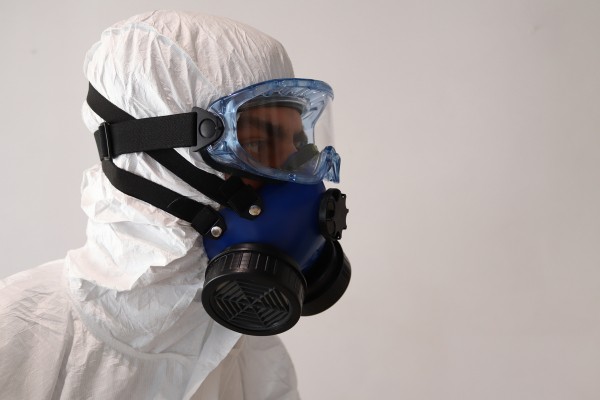
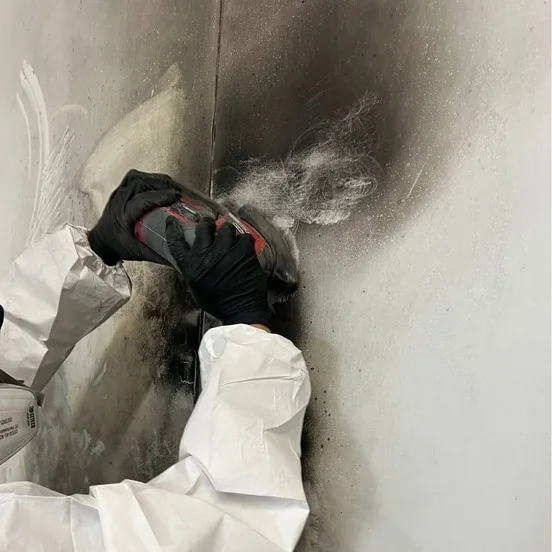
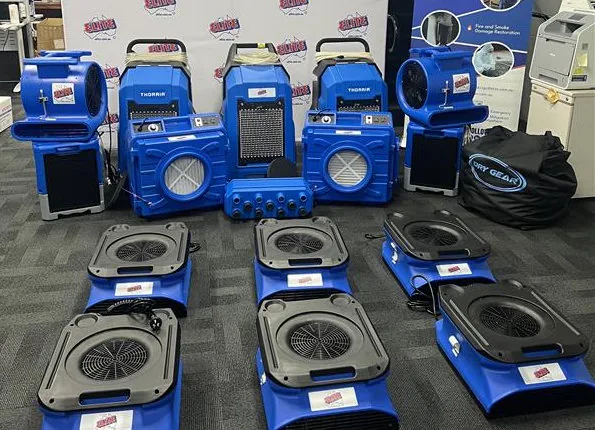
Elite Restoration carried out remediation using containment barriers, negative air pressure, HEPA air scrubbers, dehumidifiers, and removal of contaminated materials, followed by detailed antimicrobial cleaning and treatment.
It was recommended to confirm roof repairs, engage a licensed builder for reinstatement, and apply mould-resistant coatings to reduce future risk.
This case highlights the importance of early intervention and complete remediation to prevent escalation and ensure safe indoor environments.
How We Tackle Mould From Start to Finish
- Inspect rooms and find moisture like a detective with a torch.
- Measure damp with tools so we know what we are dealing with.
- Set up containment so spores do not take a holiday to the next room.
- Use a HEPA vacuum to catch fine particles like a net for mozzies.
- Treat surfaces with antimicrobial products that mean business.
- Clean and wipe with the right method for the right surface.
- Dry the area with airflow and dehumidifiers until readings are steady.
- Fix the source so it does not return like a bad sitcom rerun.
Our certified teams follow IICRC-aligned methods and CM3 compliance, with documented reporting and minimal disruption service models.
We follow recognised guidance, so the job is done the right way the first time.
See the approach behind the work with the IICRC standards here: IICRC standards.
DIY or Call a Pro
Small patches in the shower can be a weekend job with gloves and care.
Big patches across rooms are like a backyard blitz that needs a crew.
If you see mould on ceilings and inside wardrobes across rooms, call for help.
If you have leaks or past floods, call for help before it spreads like lantana.
- Wear a mask and gloves so you are not breathing the bad stuff.
- Do not dry brush or blast it with the vacuum without a HEPA.
- Open windows if the weather allows and keep pets out of the room.
- If you feel unwell, stop and get a pro in to finish the job.