CASE STUDY: Effective Bathroom Mould Remediation
On 30 March 2026, our technician attended the property to complete the approved mould remediation works within the bathroom area.
The scope included strip-out, disposal, and treatment of mould-affected materials.
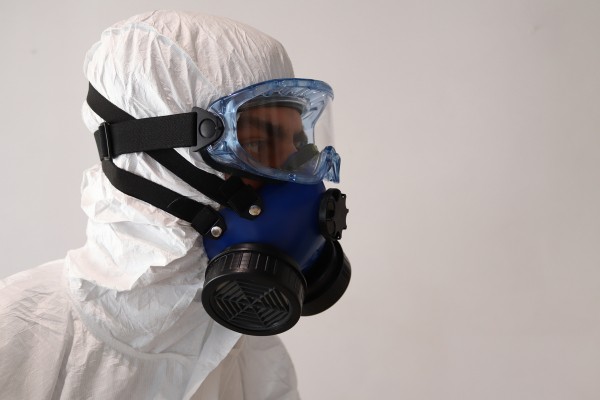
All works were carried out in accordance with industry standards and safety protocols.
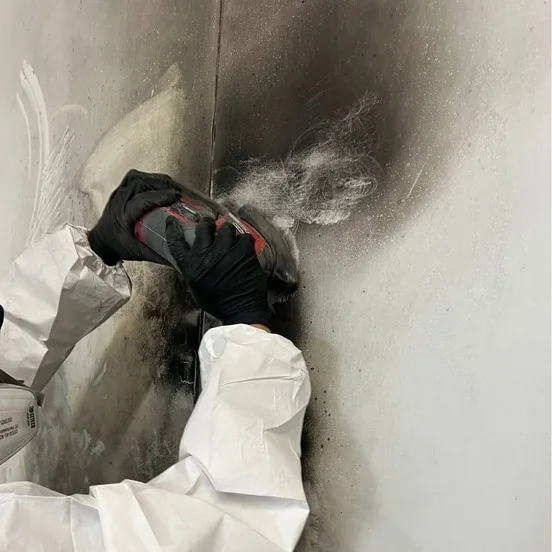
During the process, affected plaster wall linings and contaminated plasterboard within the wall cavity were removed and safely disposed of.
Exposed framing timbers were cleaned, HEPA vacuumed, and treated using Percide with booster, followed by Biosan application to neutralise surfaces.
A final HEPA vacuum was conducted to remove residual particulate matter before containment removal, and works were paused for safe continuation pending further trade intervention.
During remediation, residual moisture and additional mould contamination were identified within timber framing and tiled sections, extending beyond the original scope.
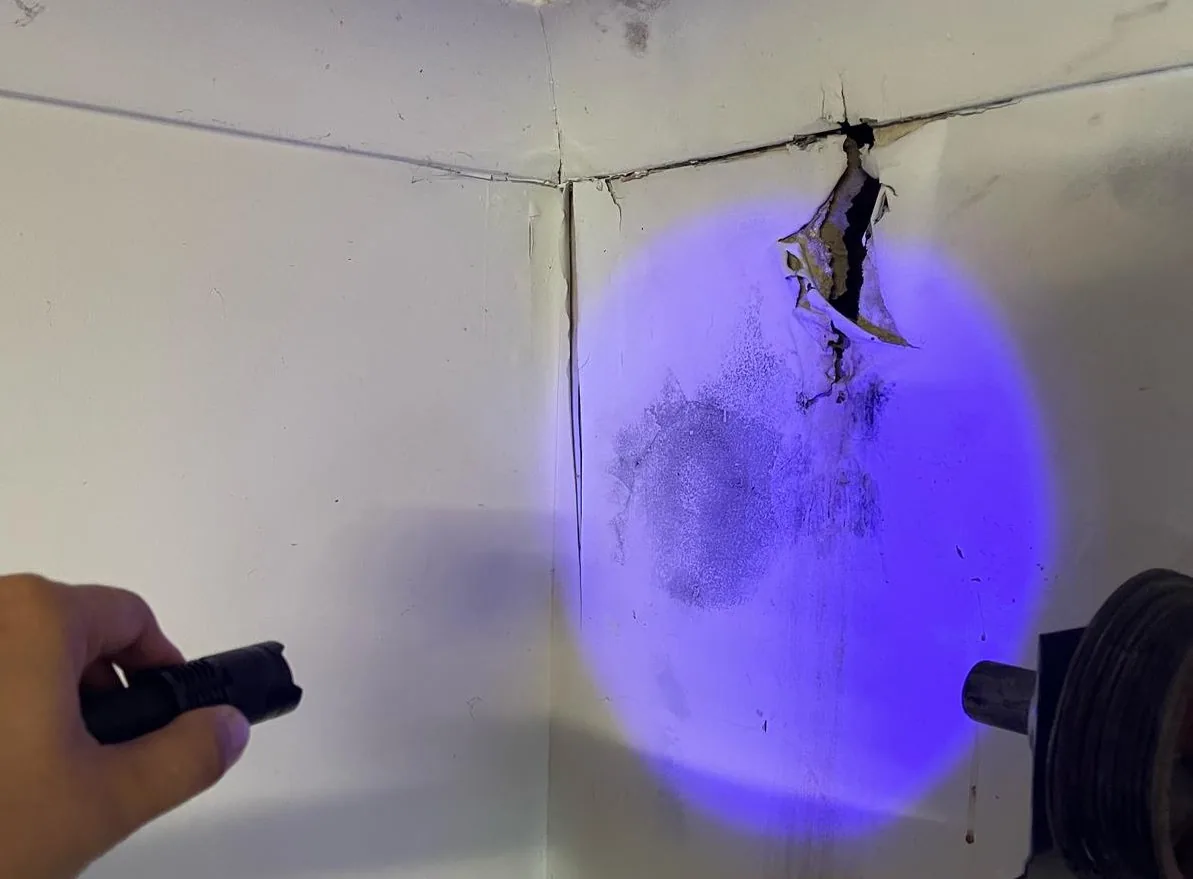
Further investigation, including camera inspection, confirmed mould presence in concealed areas and water damage behind the vanity.
As a result, additional works are required, including engaging a licensed plumber to isolate the water supply, removing the vanity unit, and conducting further remediation on affected timber framing, tiled walls, and potentially the opposite side of the wall.
What We Actually Do
Real restores that stick like sunscreen on a summer arvo.
- Find the water source and stop it cold.
- Set up containment so spores stay put.
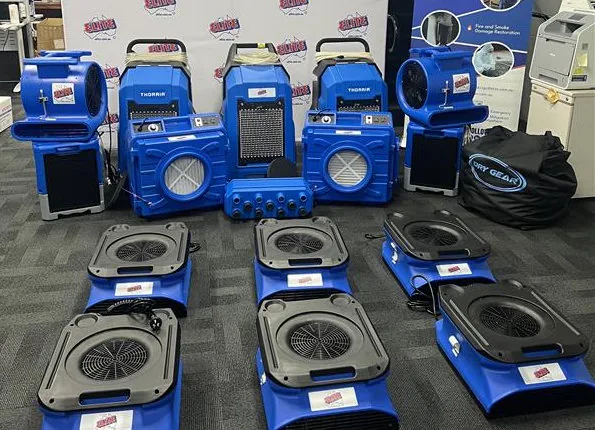
- Use HEPA air scrubbers for clean air.
- Run dehumidifiers to dry the bones of the place.
- Check with moisture meters and thermal imaging.
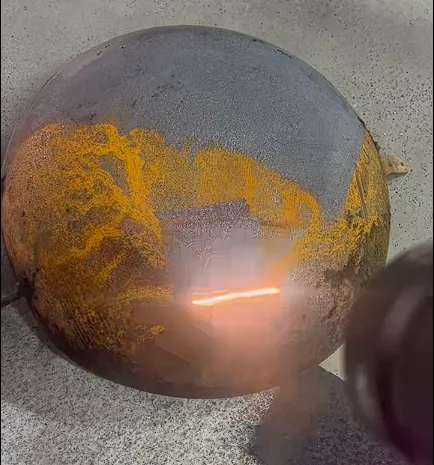
- Treat surfaces so mould has no comeback tour.
We deliver restores and drying with minimal disruption using certified teams.
Structural Drying in the South Foothills
Think of your home like a sponge after a Bunnings snag spill.
If it stays wet, the smell hangs about like a bad referee call.
Structural drying squeezes out every last drop.
That stops mould from moving back in with all its cousins.
- Air movers for steady airflow.
- LGR and desiccant dehumidifiers for deep drying.
- Thermal imaging to spot sneaky damp spots.
- Daily checks until the job is truly dry.
Why drying matters
- Wet walls bend like overcooked spaghetti.
- Damp rooms breed spores faster than mozzies after rain.
- Drying speeds up the whole job so life gets back to normal.
- No guesswork thanks to proper monitoring.



.webp)